
Case Studies
Real Projects. Real Data. Real Results.
62 project references across drinking water, secondary supply, wastewater treatment, industrial wastewater and effluent compliance — each explained by background, challenge, solution, products and results.
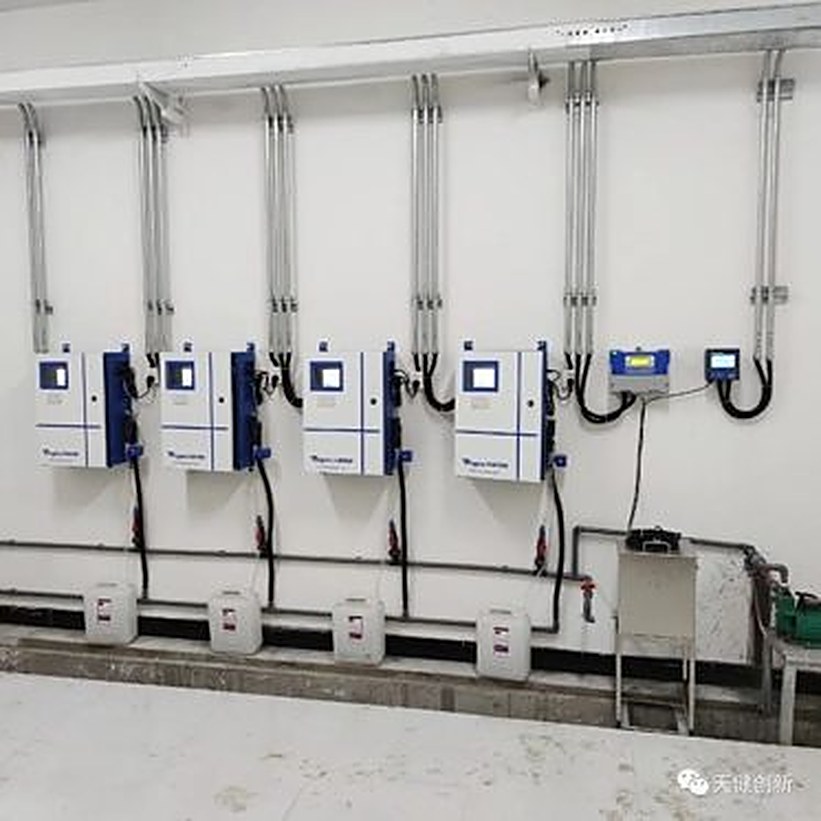
The plant handles a large daily flow through a complex multi-stage process, requiring precise control of influent/effluent quality and process status. Water quality data must also feed the environmental regulator's system, but legacy single-parameter instruments with lagging data could not support full-process control or compliant reporting.
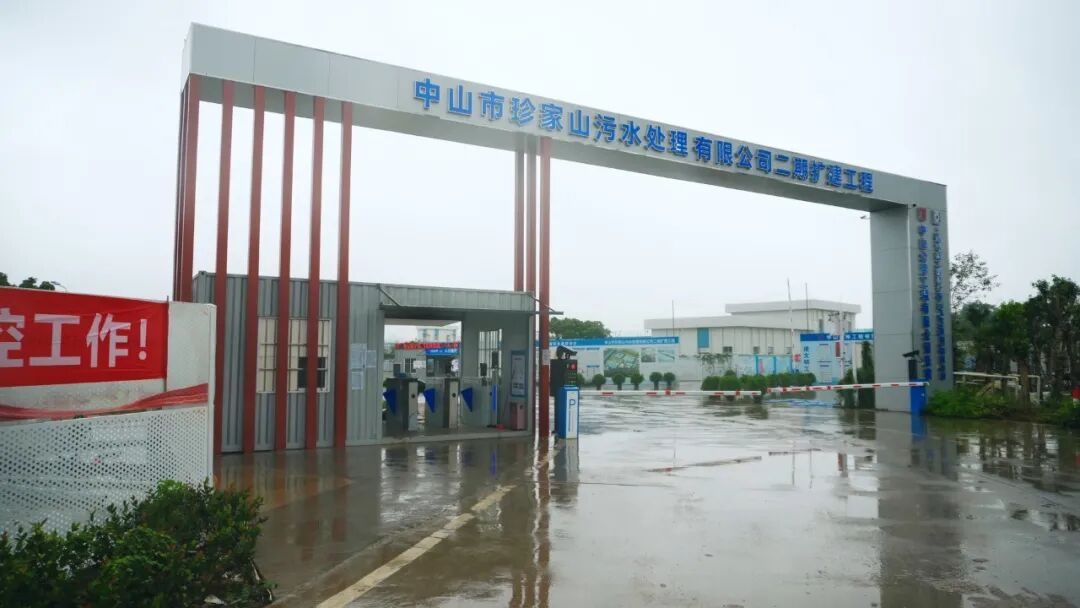
Municipal wastewater plants present complex conditions and fluctuating water quality. Instruments run continuously while submerged, so conventional meters age, drift and fail — driving up replacement and maintenance costs and conflicting with the need for long-term, low-maintenance operation.
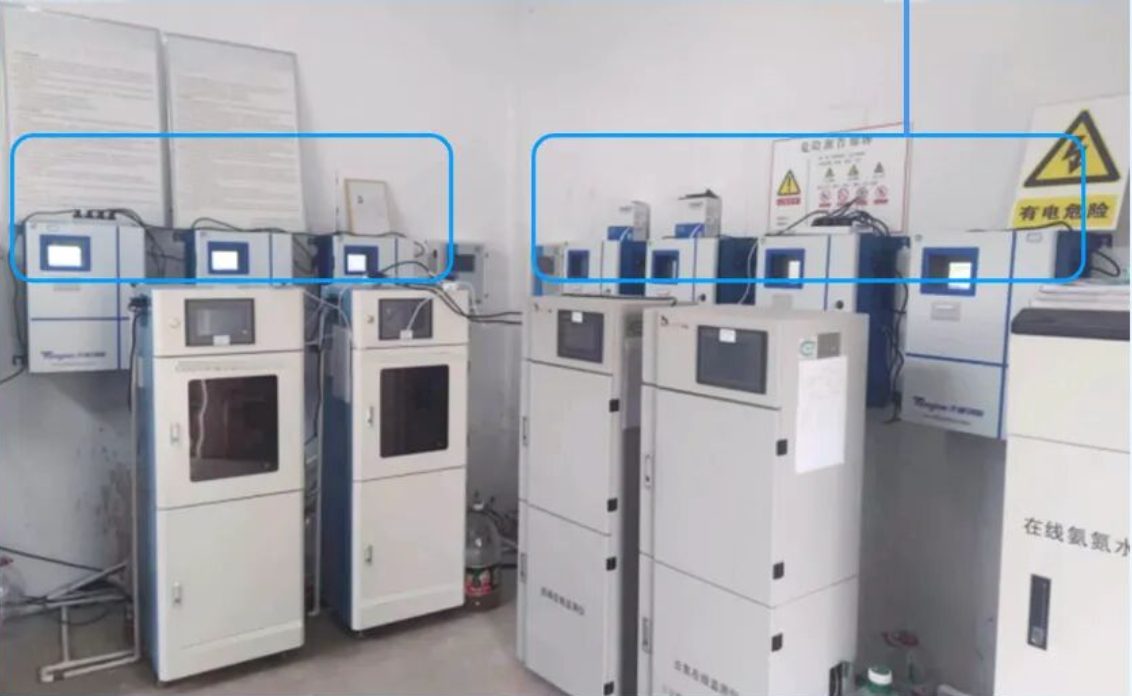
Aging online instruments no longer met current pollution-source monitoring specifications. The project had a tight schedule and complex construction, requiring on-time delivery of a large instrument batch; multiple dispersed sites demanded certified, stable devices connected to a smart-water platform, plus complete installation and commissioning services.
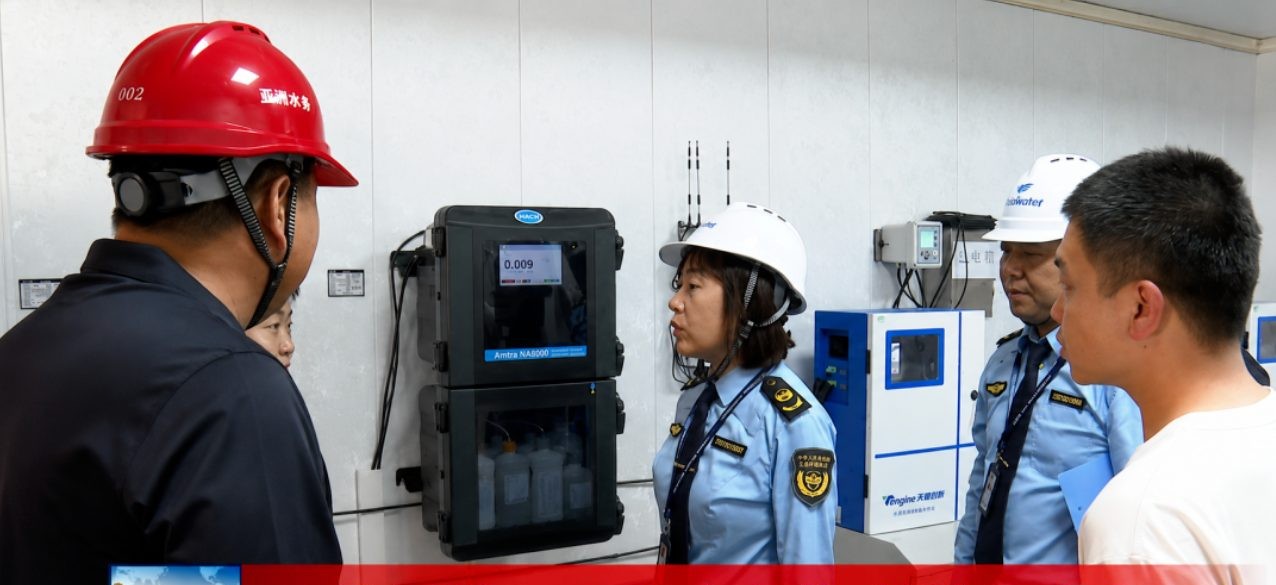
Plant effluent discharges directly into the Wei River. As a key river outfall, it demands extremely high data accuracy, stability and continuity. Conventional supervision lacked real-time data, making dynamic outfall control and anomaly tracing impossible; the region also faces national-section quality assessments, requiring credible, traceable online data.
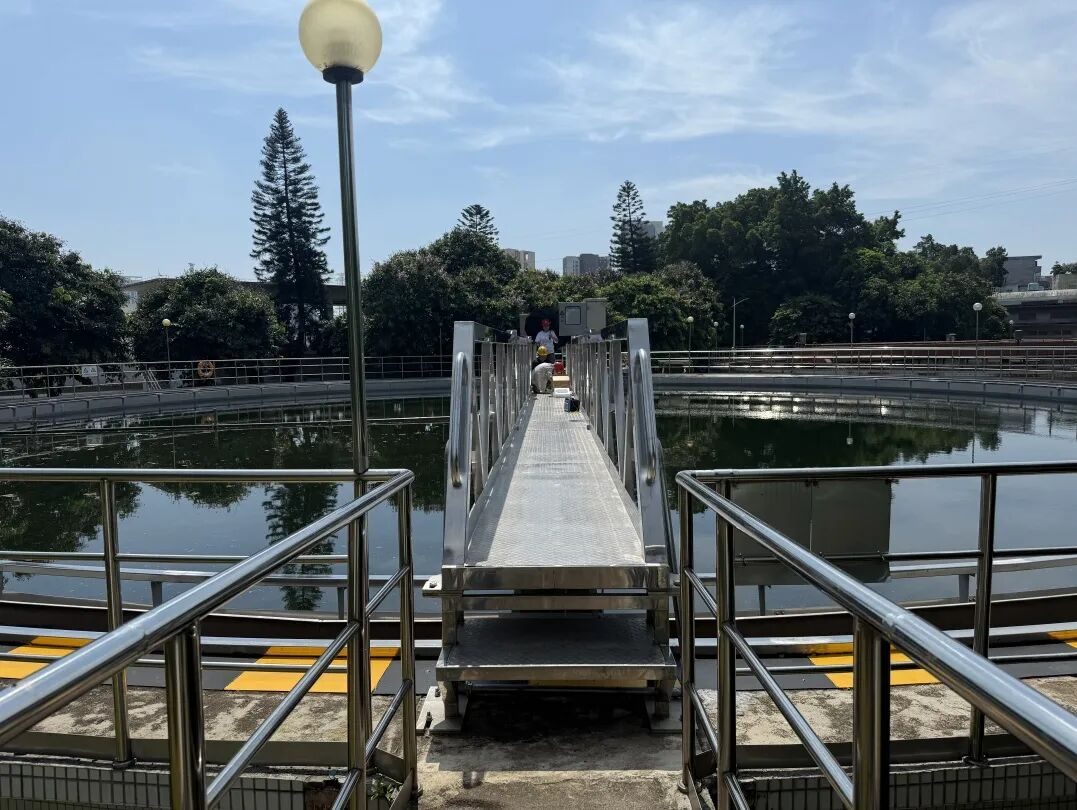
This benchmark South China plant treats 550,000 tons/day. Secondary-clarifier sludge level is critical to scraper control, effluent compliance and energy saving — but turbulent water, sludge adhesion and complex sludge-water interfaces make measurement hard. Conventional ultrasonic interface meters suffer from scum and bubbles, producing unreliable data that cannot drive automated scraper control.
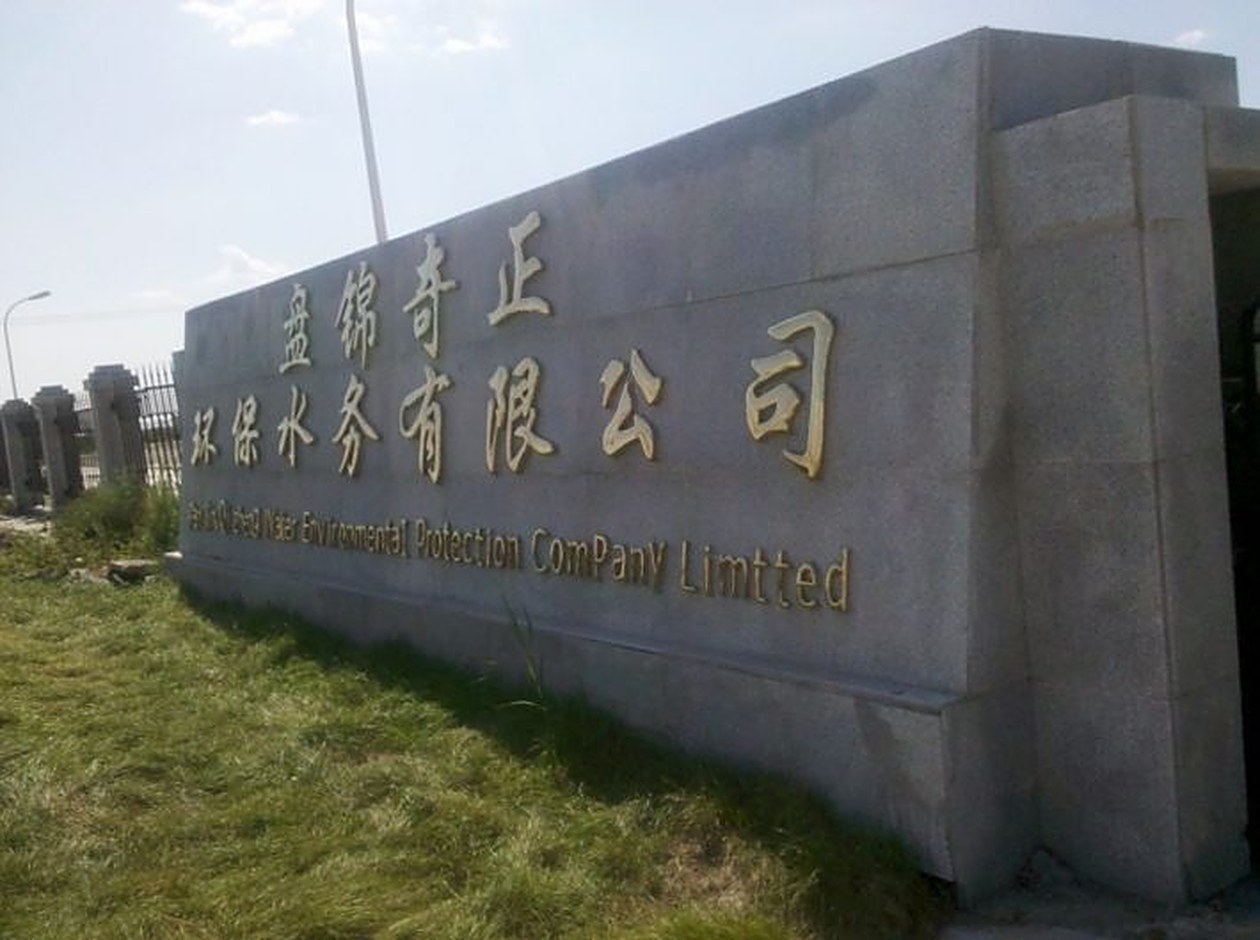
Multiple process units (biological, sedimentation) require continuous multi-point monitoring of dissolved oxygen, sludge concentration, level, gas flow and free chlorine. Harsh conditions cause fouling and scaling; dispersed points need many instrument types working together; manual sampling lagged behind process needs, and toxic-gas leakage posed a safety risk.
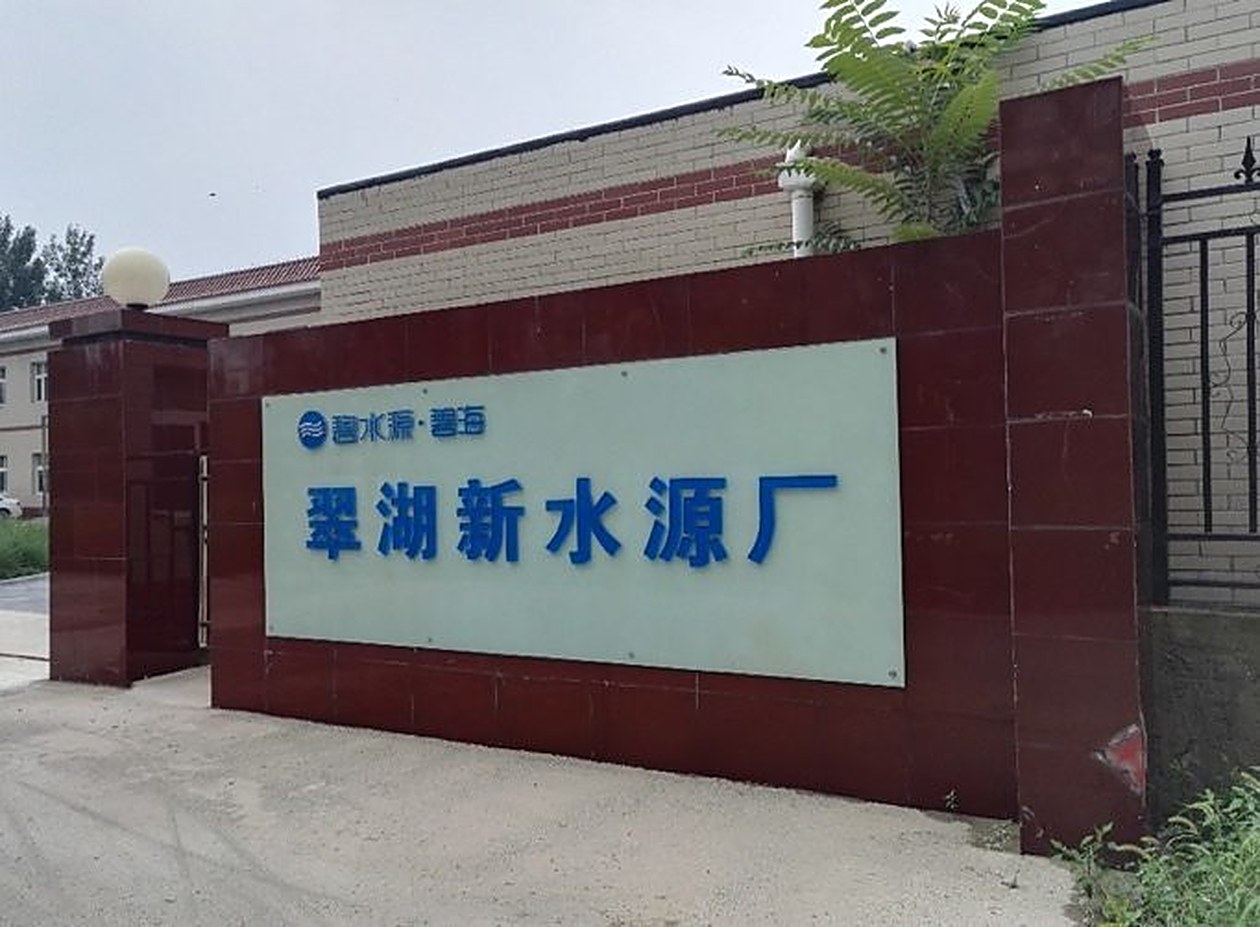
The membrane process imposes strict feed/product water requirements, needing real-time monitoring of sludge concentration, pH, ORP, conductivity, level and pressure. Membrane backwashing demands extremely accurate turbidity below 0.1 NTU — beyond ordinary meters. The emergency membrane tank also needed a large batch of devices, with fouling prevention critical to membrane life and cost.
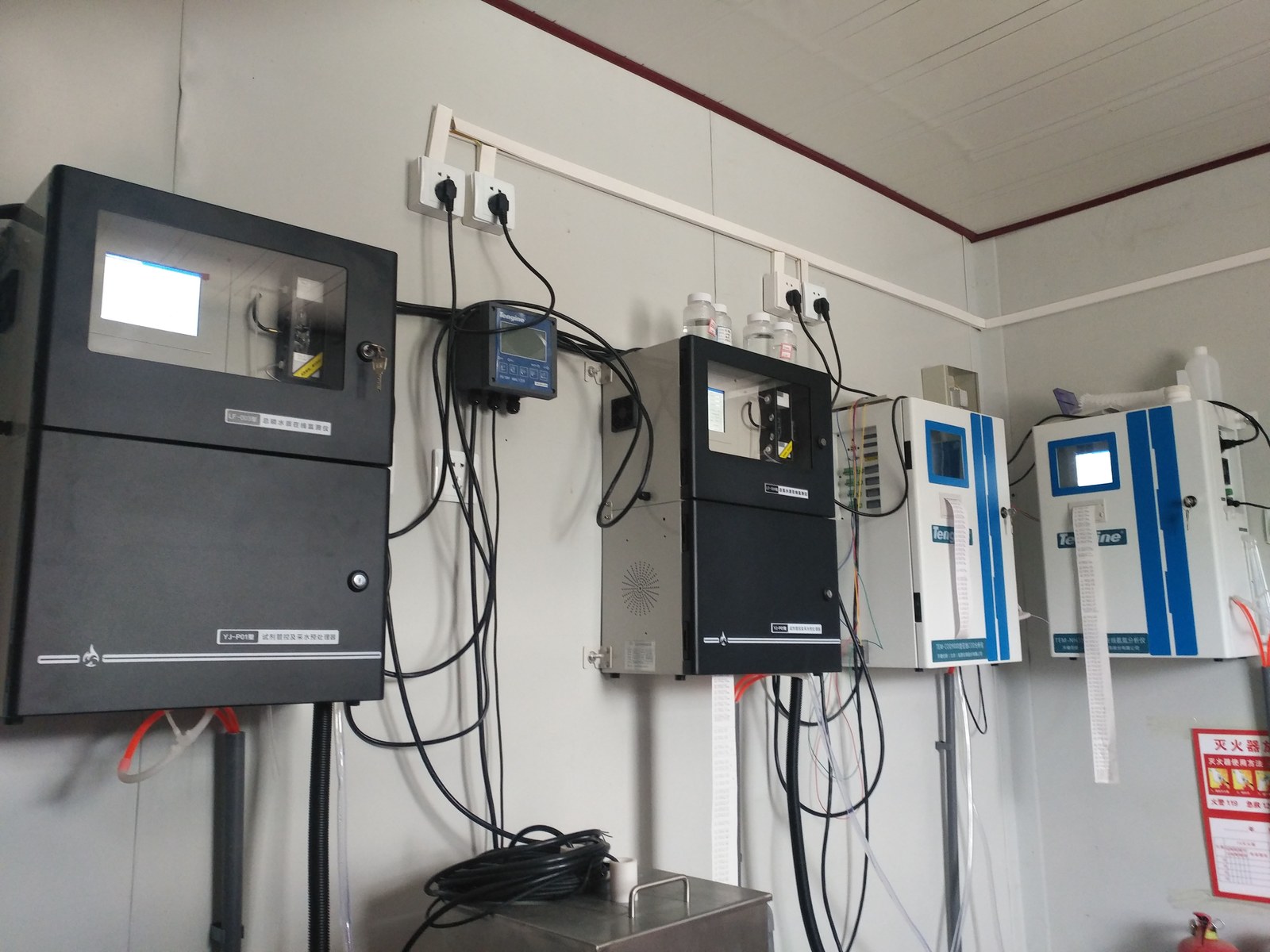
Six dispersed township plants treat village domestic sewage and must meet Beijing's stringent Class 1A discharge standard. Continuous monitoring of influent/effluent COD, ammonia nitrogen, TP, TN, turbidity and pH was required; containerized shelters limited installation space; data had to serve both regulatory reporting and A2O+MBR+ozone-carbon process control, with high integration to cut multi-site O&M.
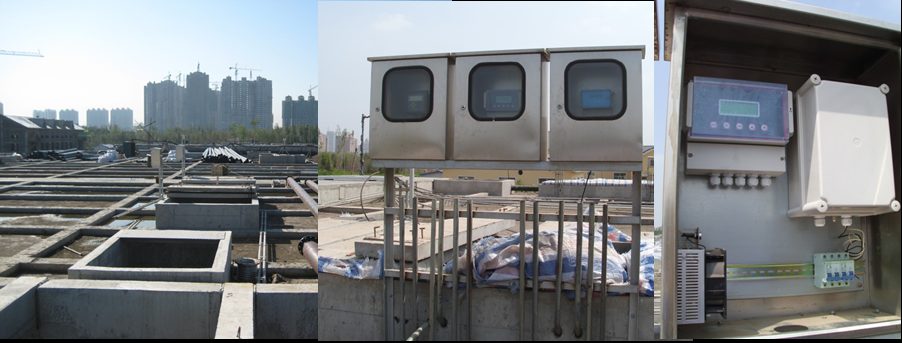
China's largest CASS-process plant (330,000 tons/day) must meet national Class 1A. CASS relies heavily on fully automatic in-tank control, requiring many linked water-quality, level and flow instruments. Numerous points demand long-term stability, cold resistance for northern winters, and maintenance-free operation, with complete package supply.
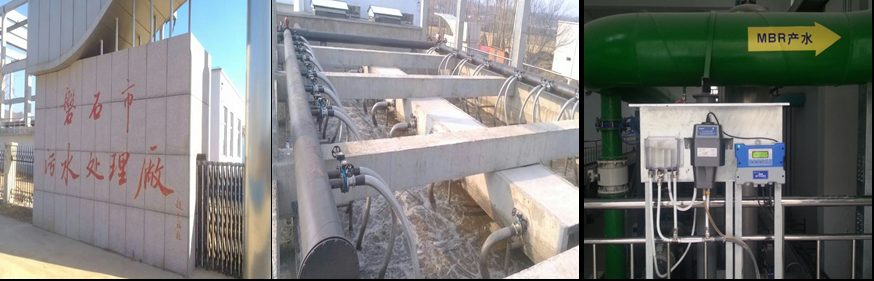
The MBR+DF dual-membrane process produces near-potable reclaimed water, demanding precise whole-process quality, level and flow monitoring. Membrane operation depends on real-time in-tank sludge, DO and turbidity feedback to prevent fouling. Spanning nearly 20 plant projects, unified selection required highly reliable instruments suited to complex membrane conditions.
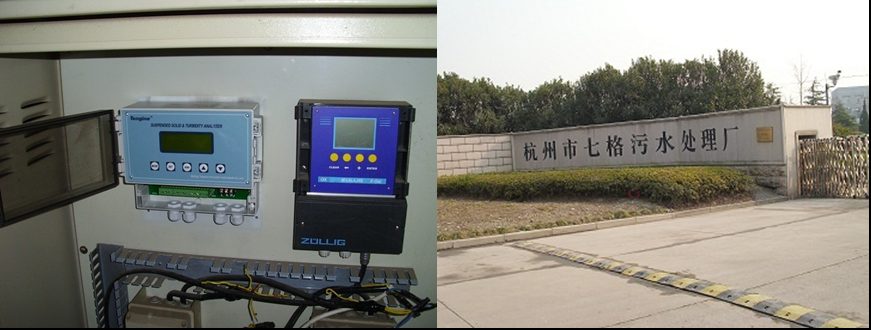
This 1.2 million tons/day A²/O plant must meet national Class 1B. Built with imported instruments, procurement and O&M costs were high. Large biological processes depend strongly on suspended-solids, DO, pH and ORP monitoring, so reliable process instruments were needed to replace imports with domestic equivalents.
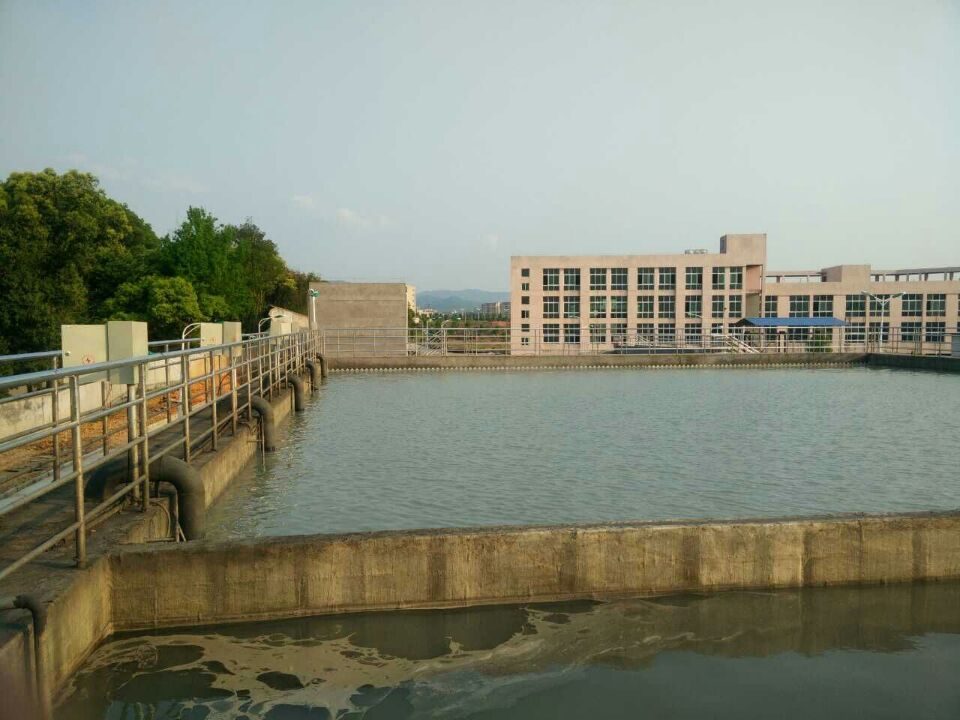
Located in northwest Xinjiang with extreme day-night temperature swings, the site demands high weather resistance. The 15,000 tons/day A²/O plant must meet Class 1A, with biological, effluent and open-channel stages requiring many coordinated instrument types under harsh conditions and minimal maintenance.
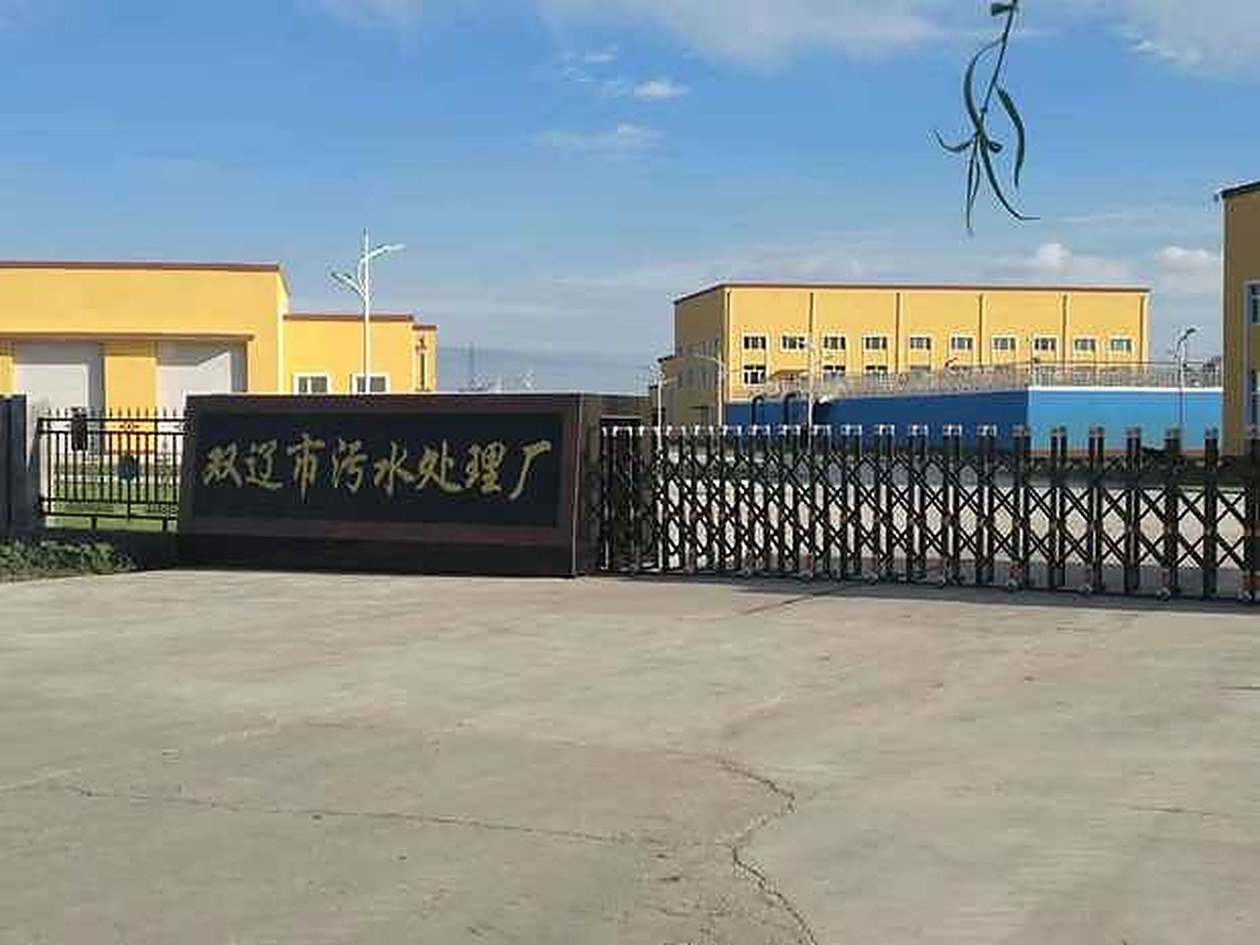
In China's far-northeast, Heihe freezes for 6 months and Shuangliao 4, with winter lows of −40°C that easily disable instruments. Shuangliao uses A2O+MBR, Heihe uses CASS (50,000 tons/day); both depend heavily on multi-parameter monitoring. Ordinary meters cannot run stably in extreme cold, requiring heated protection for uninterrupted winter monitoring.
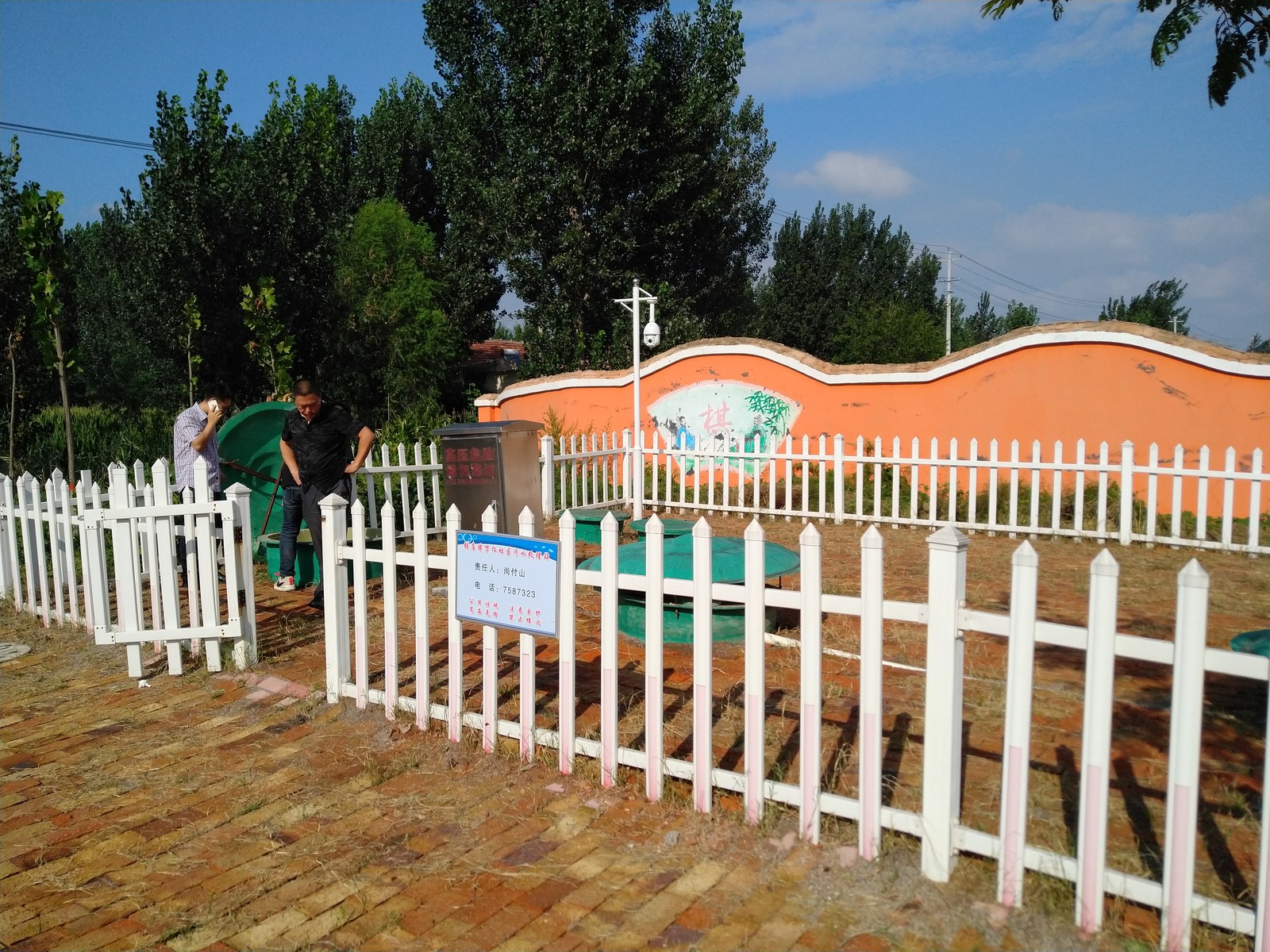
Rural sewage has high organic and suspended-solids content that easily fouls sensor probes and skews readings. With many dispersed sites, manual cleaning is heavy and costly. Stable online COD monitoring was needed to track treatment-station effluent.
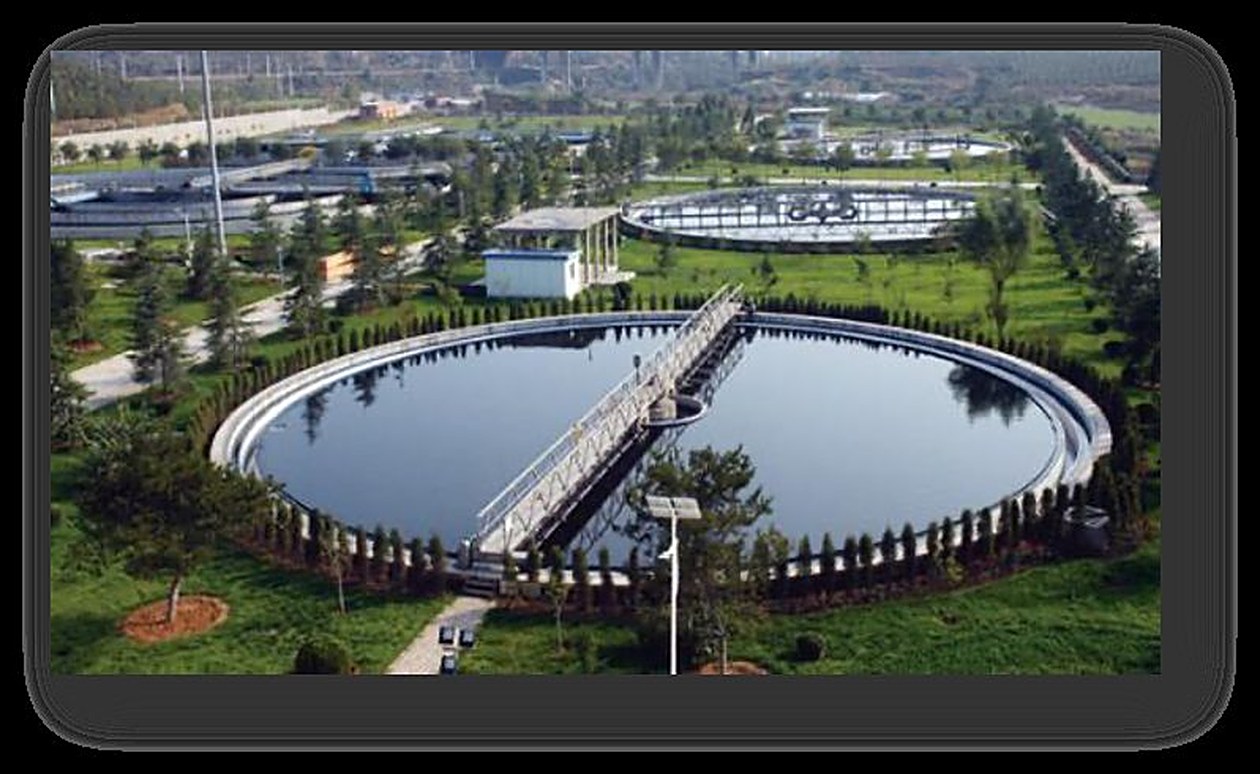
22 village & township plants are numerous and dispersed. The A2O+MBR process demands high monitoring of bioreactor sludge concentration, DO, pH, product flow and aeration volume. Large numbers of reliable online instruments were needed for process control, effluent metering and precise aeration control.
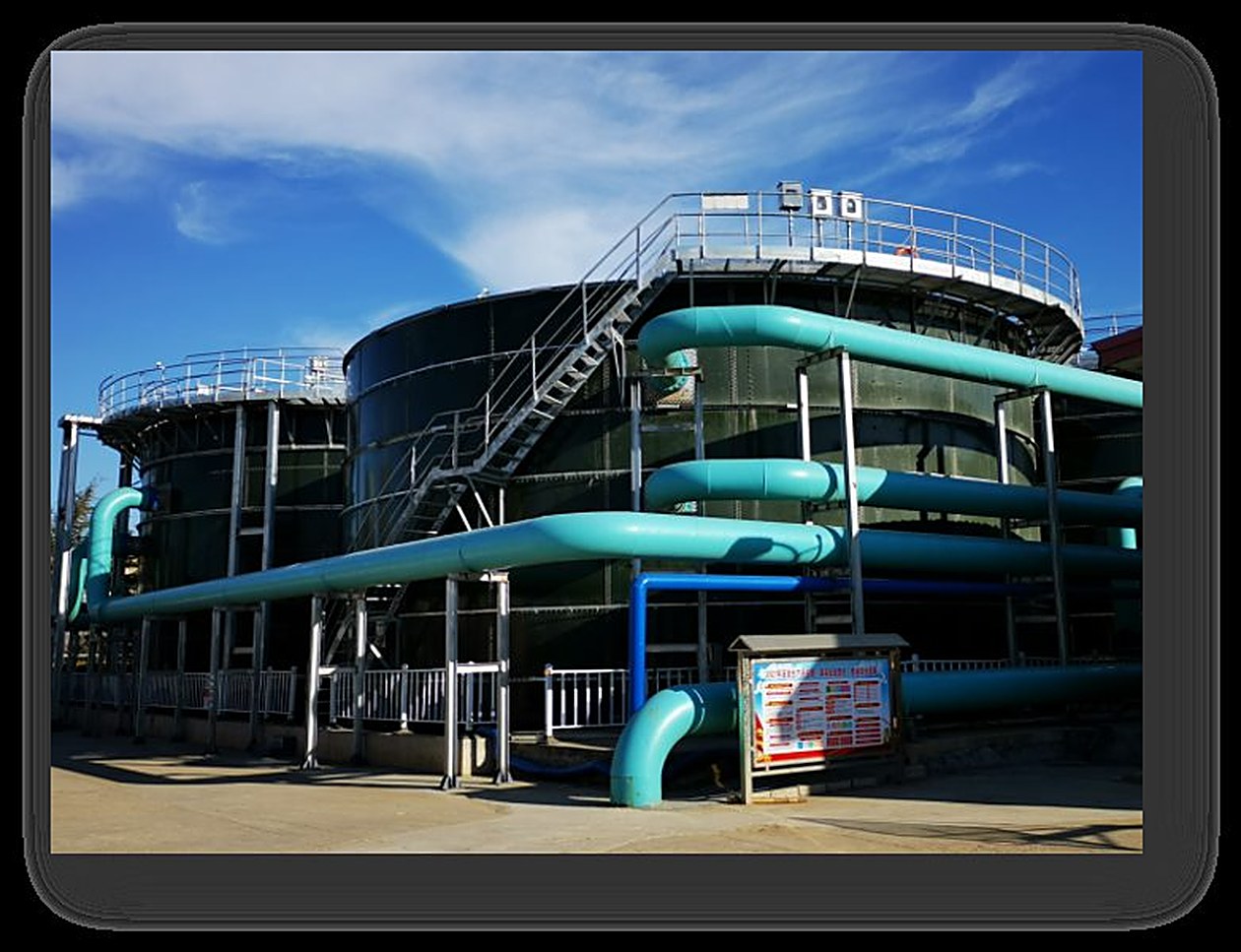
Biological denitrification requires precise nitrate control for intelligent carbon dosing. Manual dosing is inaccurate, wasting reagent and risking total-nitrogen exceedance. Bioreactor samples carry heavy impurities that foul instruments, demanding frequent cleaning.
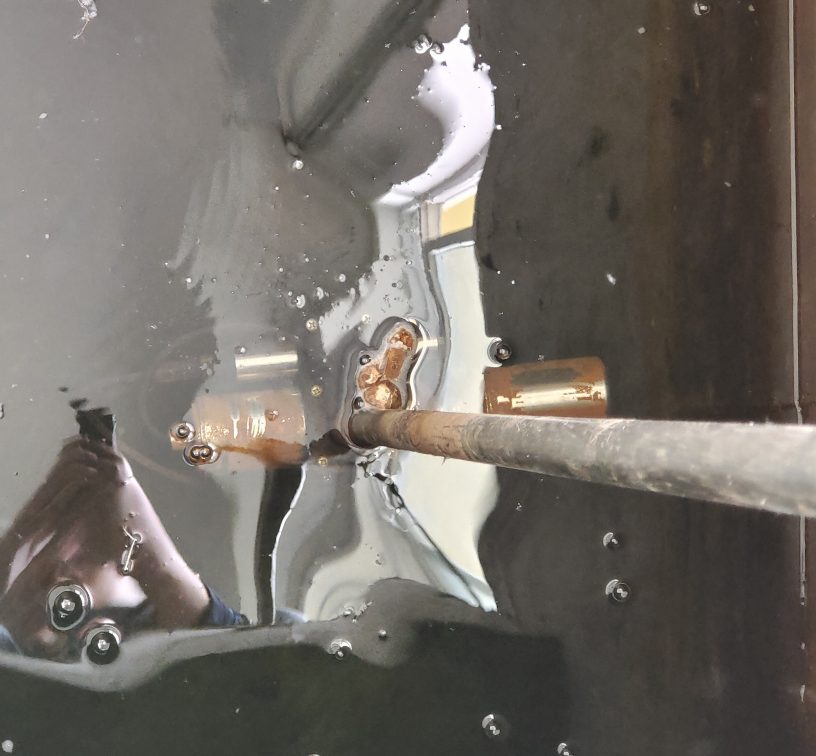
Industrial wastewater mixed into the influent caused large quality swings. Denitrification needed flexible control, but manual lab testing lagged — making it impossible to predict total-nitrogen exceedance or guide carbon dosing, creating an effluent-compliance risk.
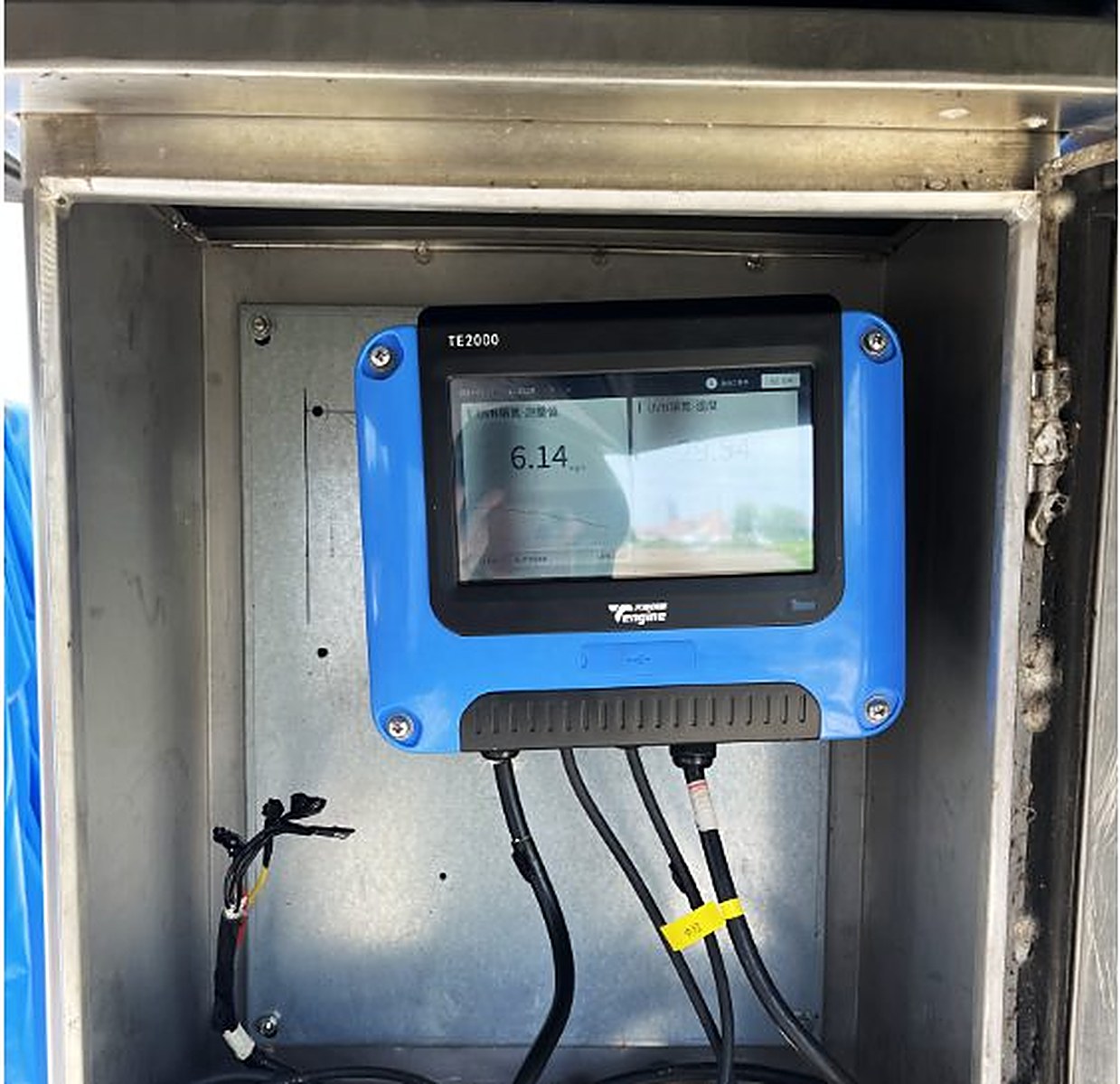
The plant uses advanced denitrification and must track influent nitrate at the denitrification filter in real time, recording full-process data to guide adjustment and control effluent total nitrogen.
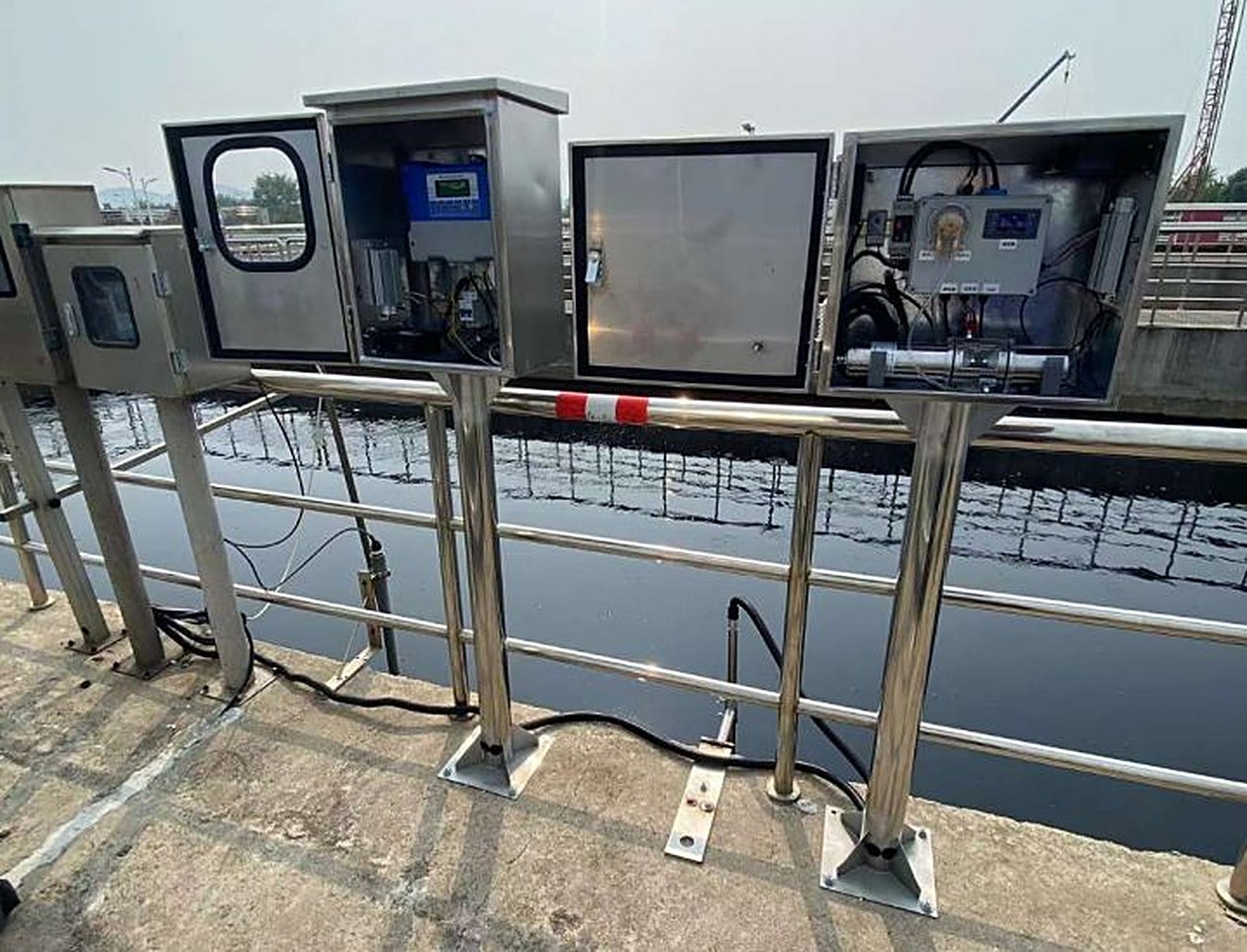
This 100,000 m³/d plant must meet Class 1A. Its influent is mainly industrial wastewater with large swings and high-concentration pollutant and ion interference. Manual lab data lagged, preventing timely carbon-dosing optimization and risking non-compliant effluent.
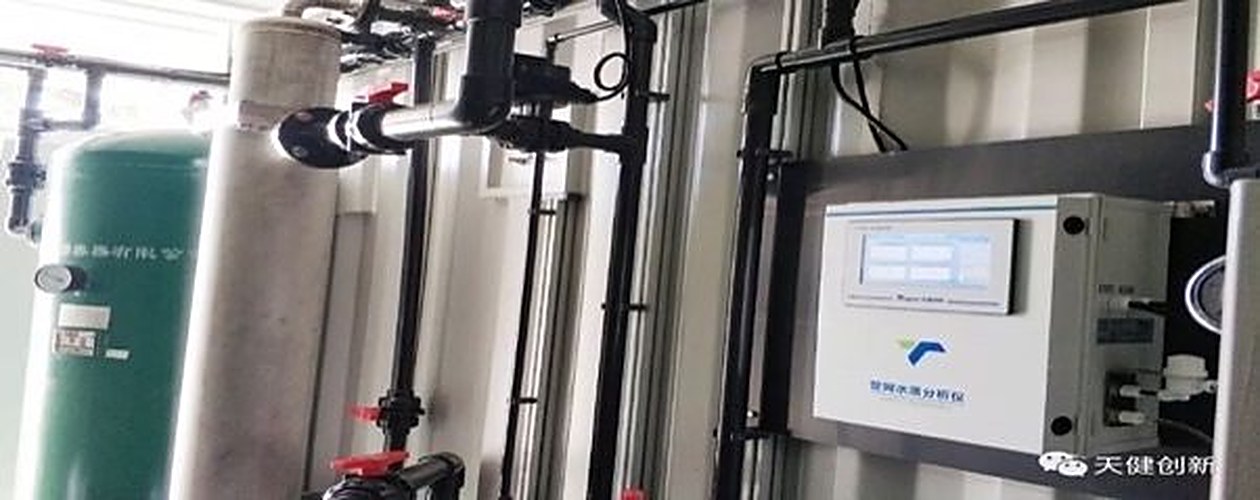
During the pandemic, surface-water chlorine could exceed limits and medical wastewater risked entering drinking-water sources. Conventional monitoring was single-parameter and imprecise, unable to track residual-chlorine risk at the source intake in real time or guarantee compliant, effective disinfection at the outlet — leaving rural residents' drinking-water safety exposed.
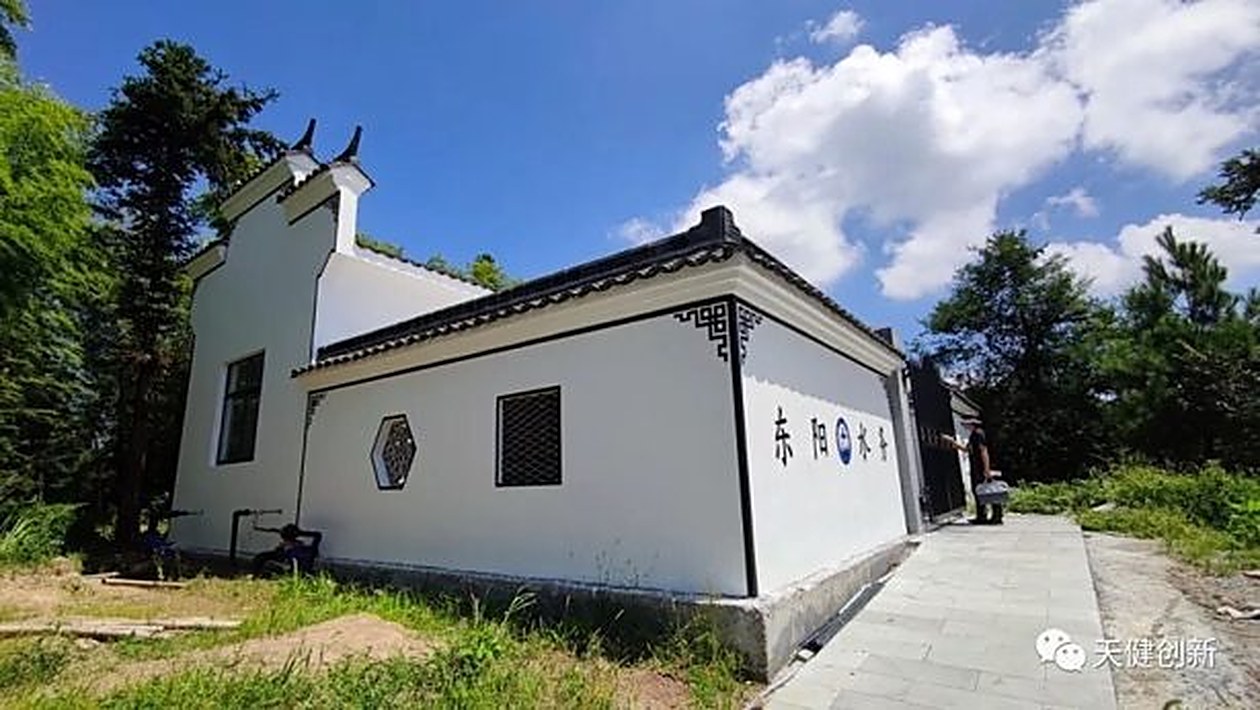
Rural drinking-water supplies are scattered and hard to supervise; conventional testing is intermittent and cannot continuously safeguard water safety at the point of delivery.
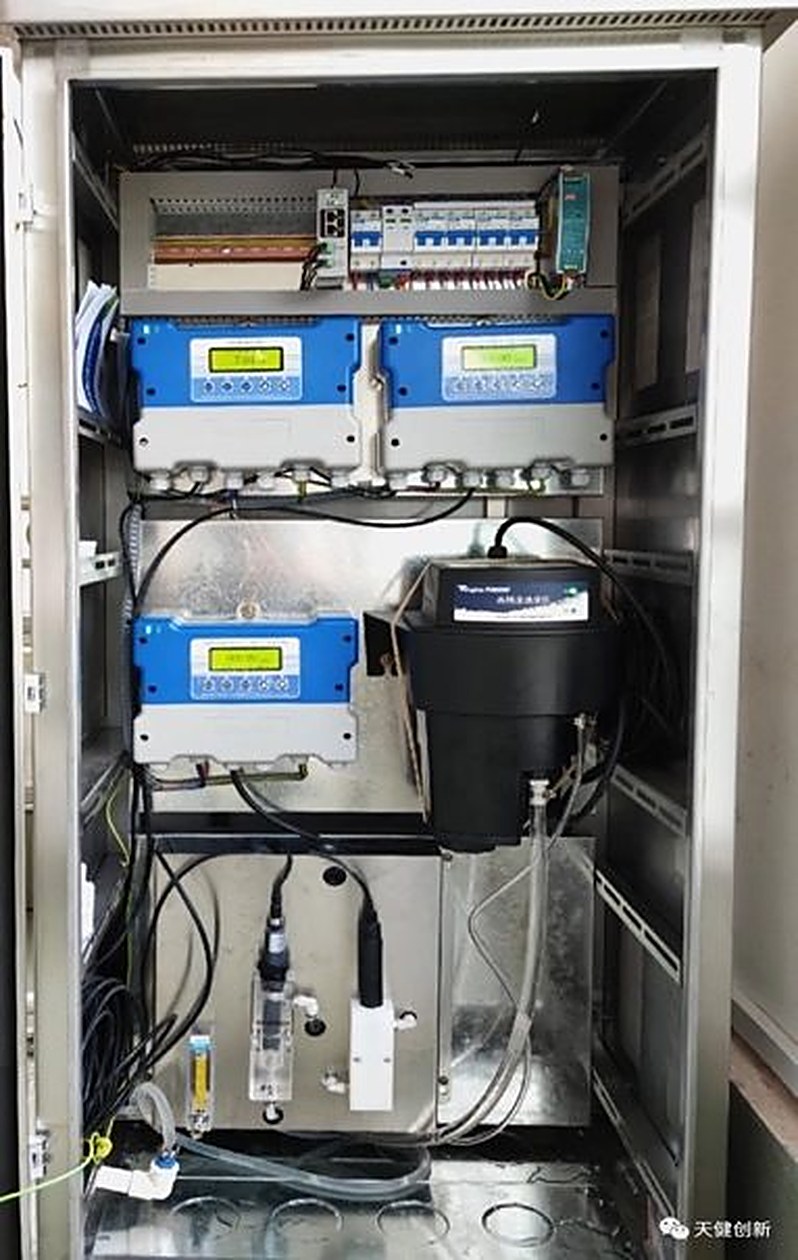
The waterworks needed reliable water-quality assurance across treatment and distribution, but wanted a flexible, modular approach that could be expanded point by point.
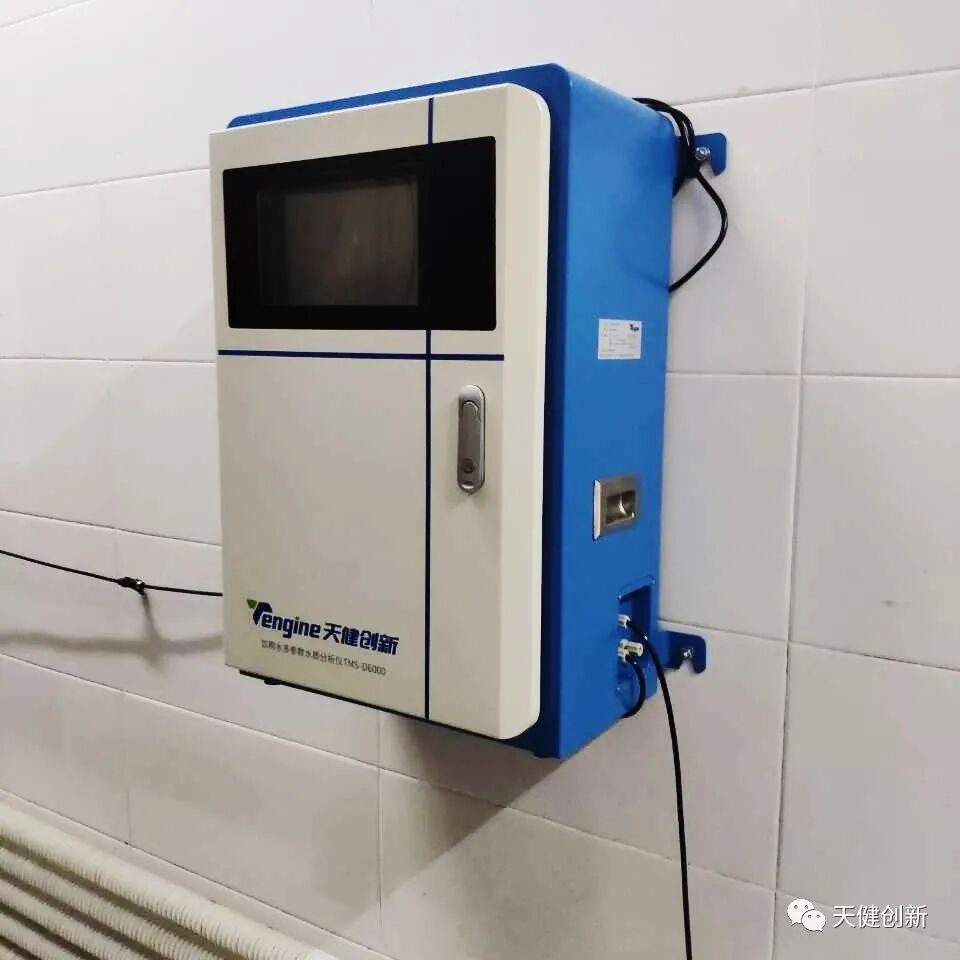
The waterworks wanted a compact, unified monitoring setup that would simplify installation, cabling and daily operation across multiple parameters.
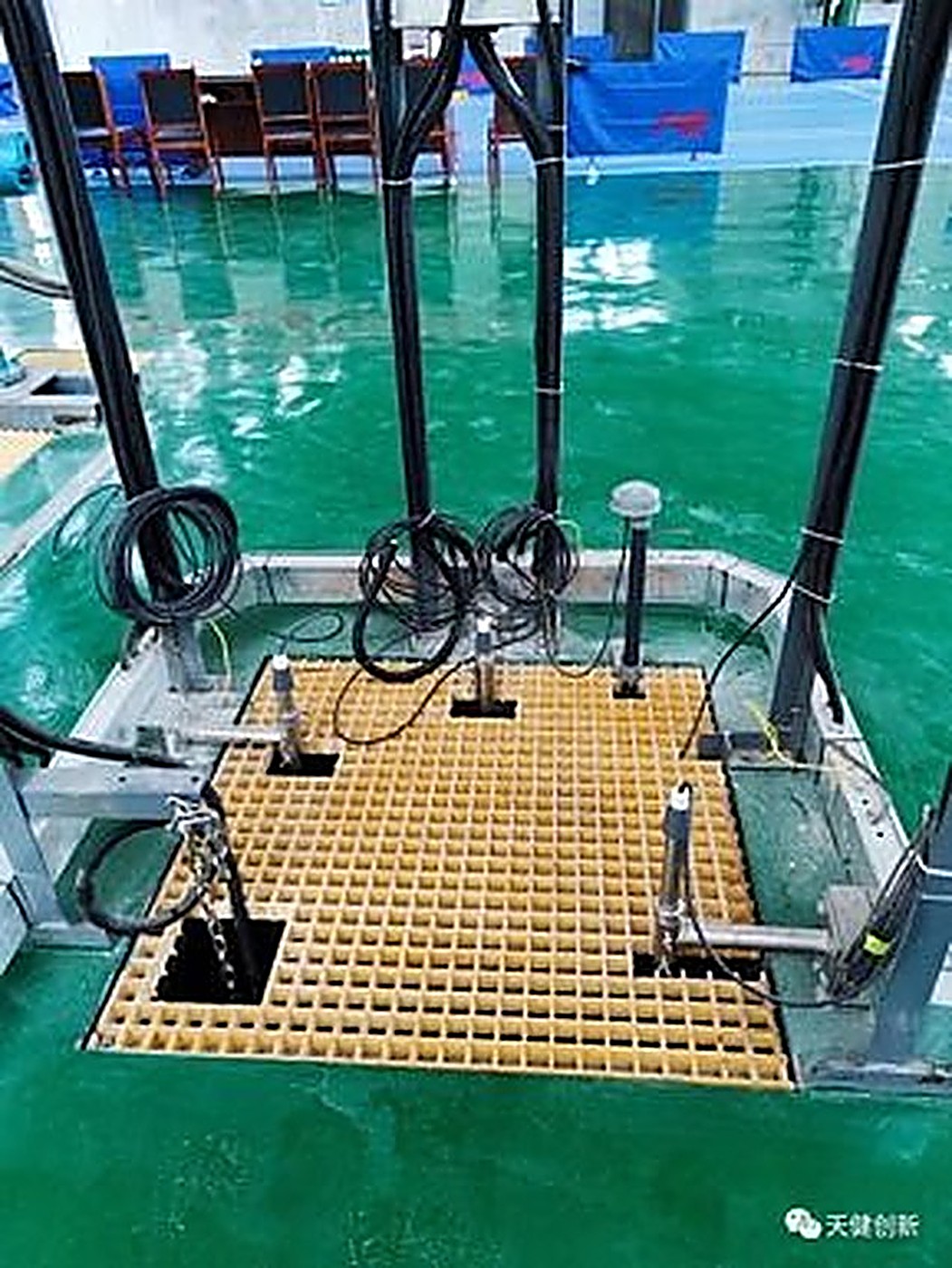
A surface-water treatment plant must control quality across the full process — from raw-water intake through sedimentation and filtration to finished water — where conditions vary stage by stage and single-point checks are insufficient.
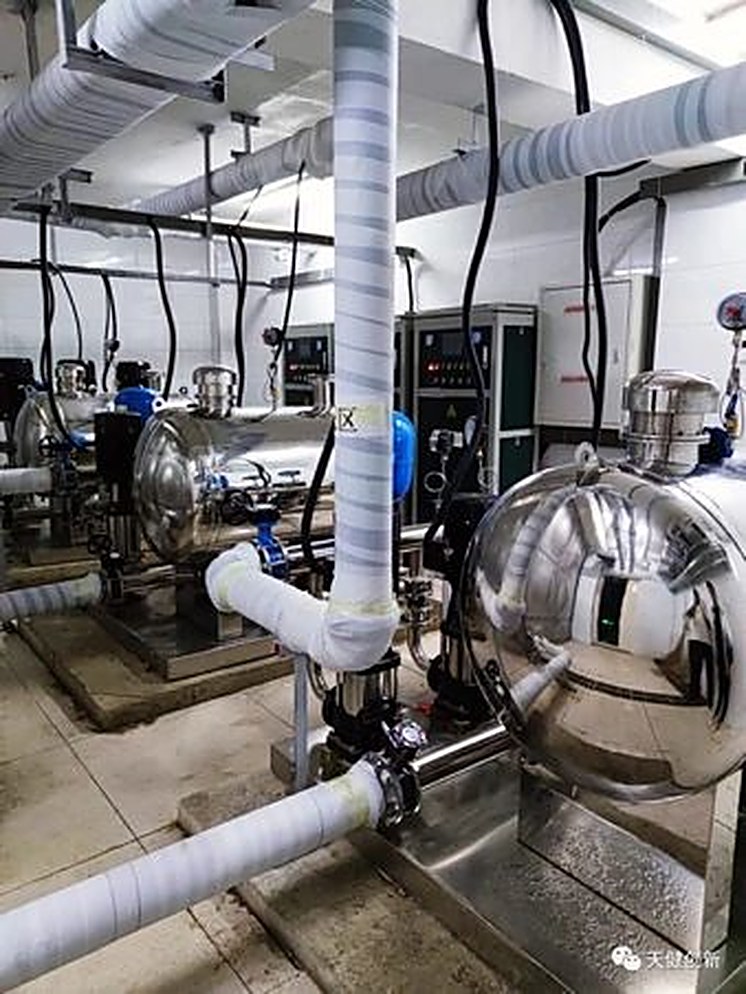
Residential booster (secondary) pump stations are the last mile before taps; water quality can degrade in storage and pumping, yet these points are rarely monitored, creating a safety blind spot.
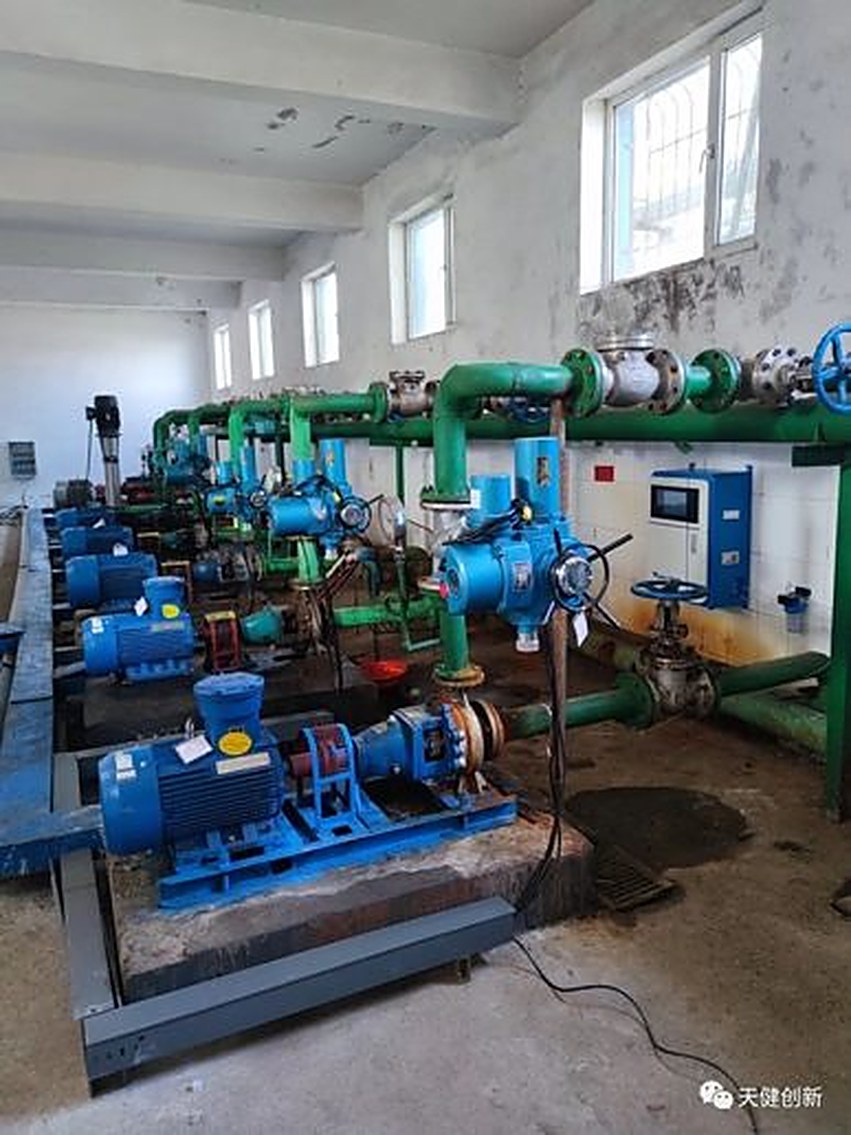
A coal-mining enterprise needed to guarantee safe drinking water for a large on-site workforce, where supply conditions are demanding and manual checks cannot provide continuous assurance.
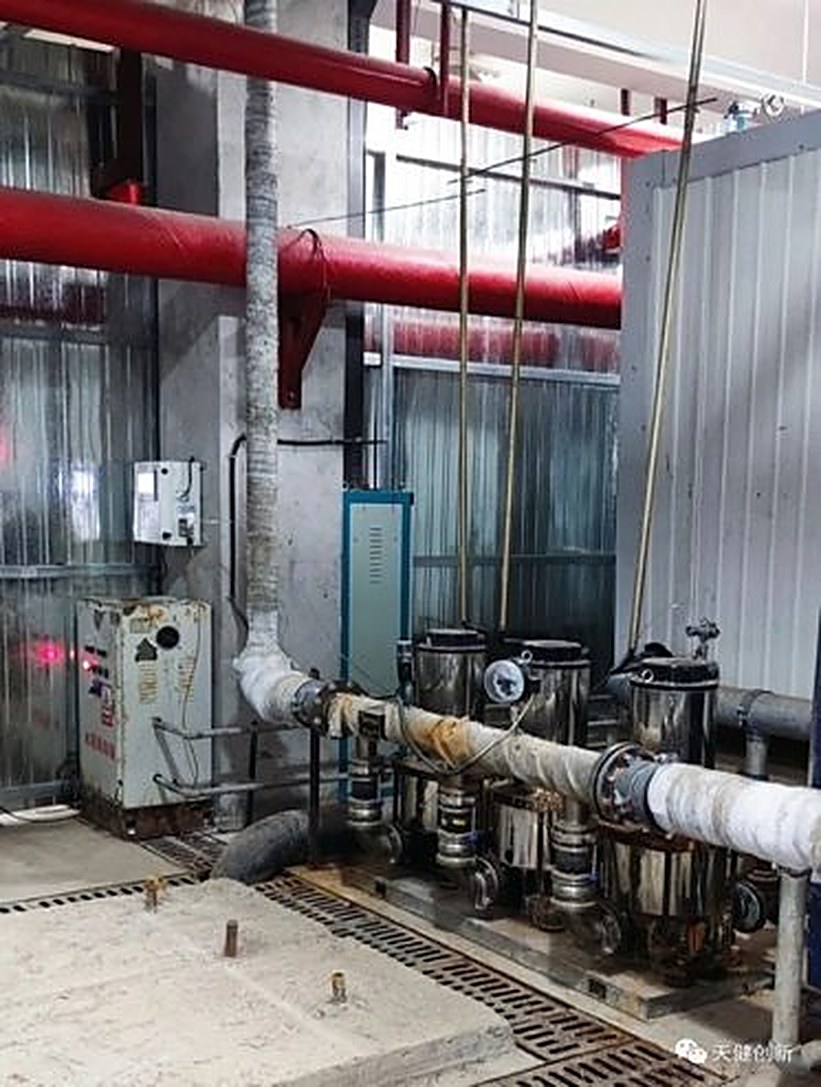
A printing industrial park's secondary water supply needed quality assurance across its storage and boosting system to protect tenant operations and staff.
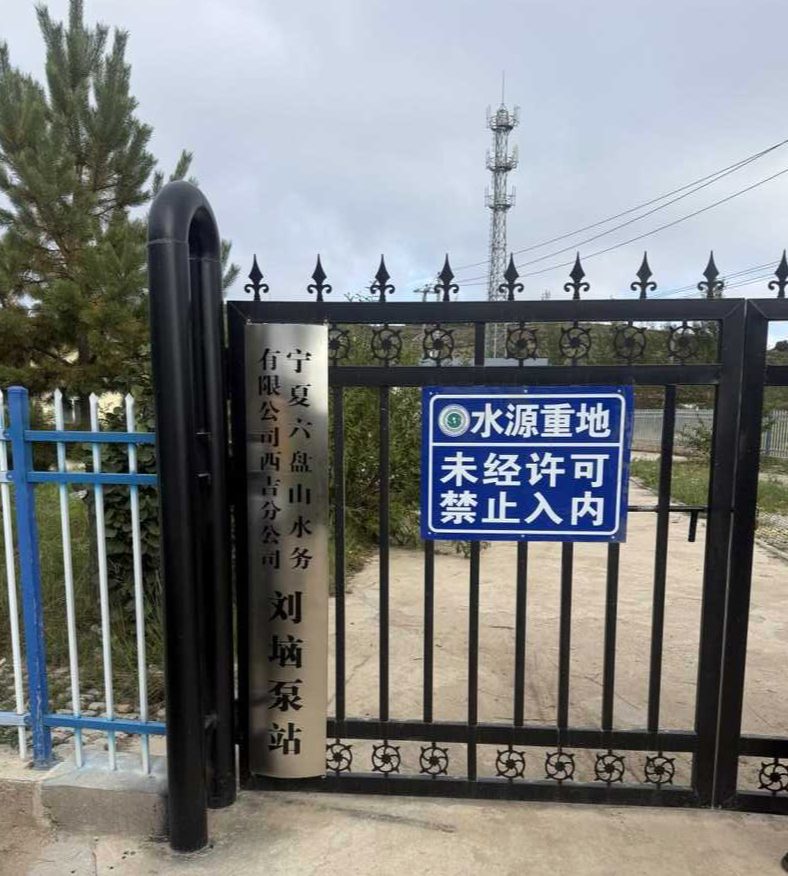
Guyuan's rural drinking-water points are dispersed across a wide area, making manual sampling infrequent and slow, with limited visibility into real-time water safety.
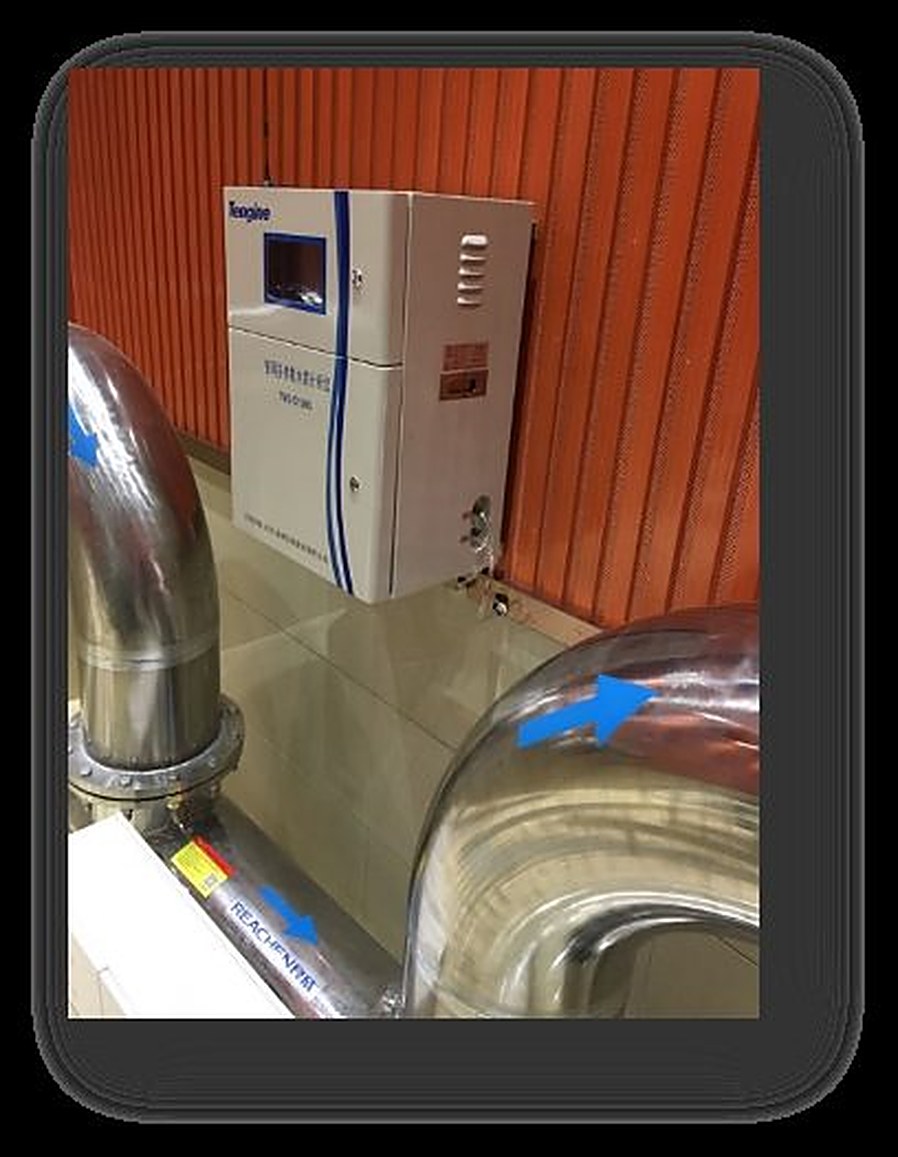
A residential community's secondary water supply needed smarter oversight: quality must be tracked continuously and any anomaly flagged immediately to protect residents.
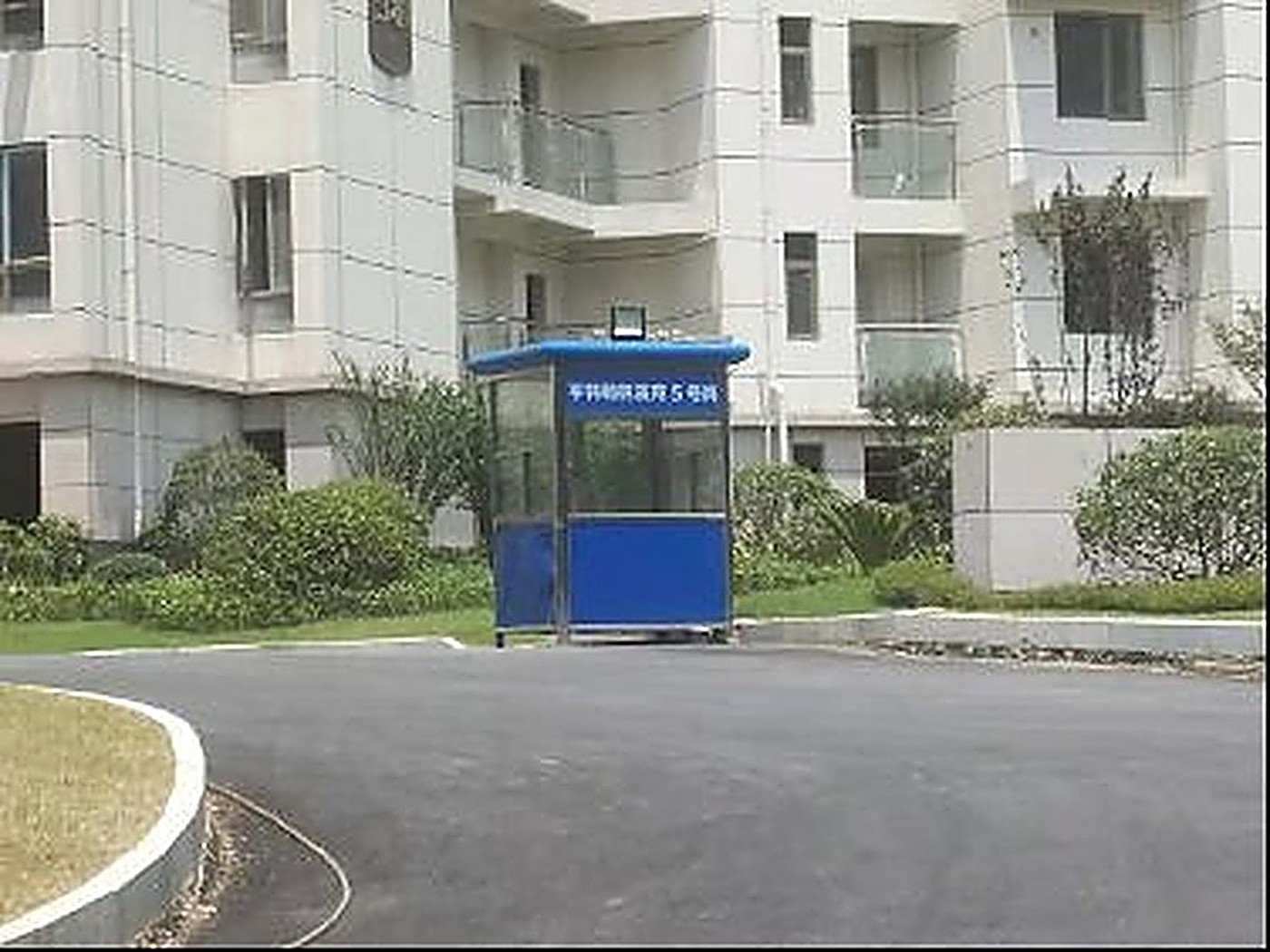
High-rise residences depend on secondary water supply, where tank and pump conditions directly affect tap-water quality; this benchmark project required dependable, continuous monitoring and a presentable, replicable setup.
A commercial building's secondary water supply serves many tenants and visitors, requiring assured water quality and minimal maintenance burden on property management.
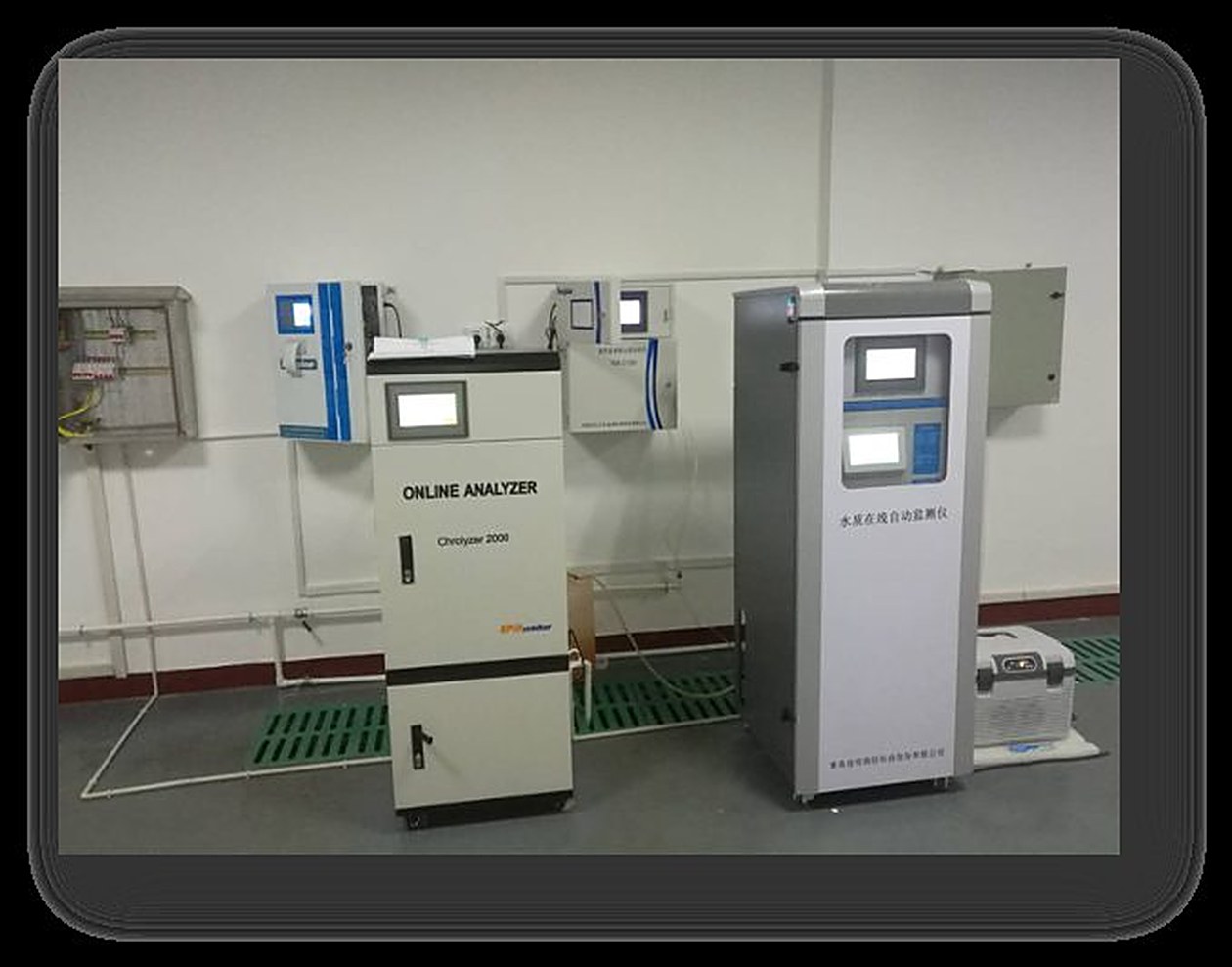
The water bureau needed reliable monitoring of finished-water quality at the Yunzhong plant outlet to guarantee compliant delivery into the distribution network.
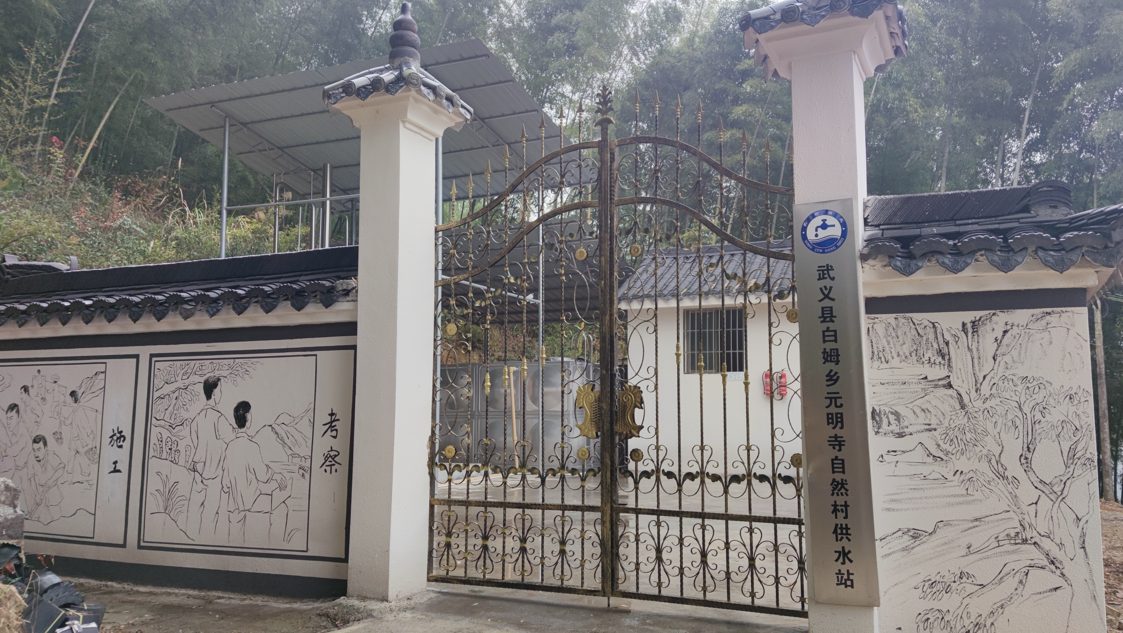
Wuyi County's rural supply stations are small and dispersed, making continuous water-quality supervision difficult with manual testing alone.
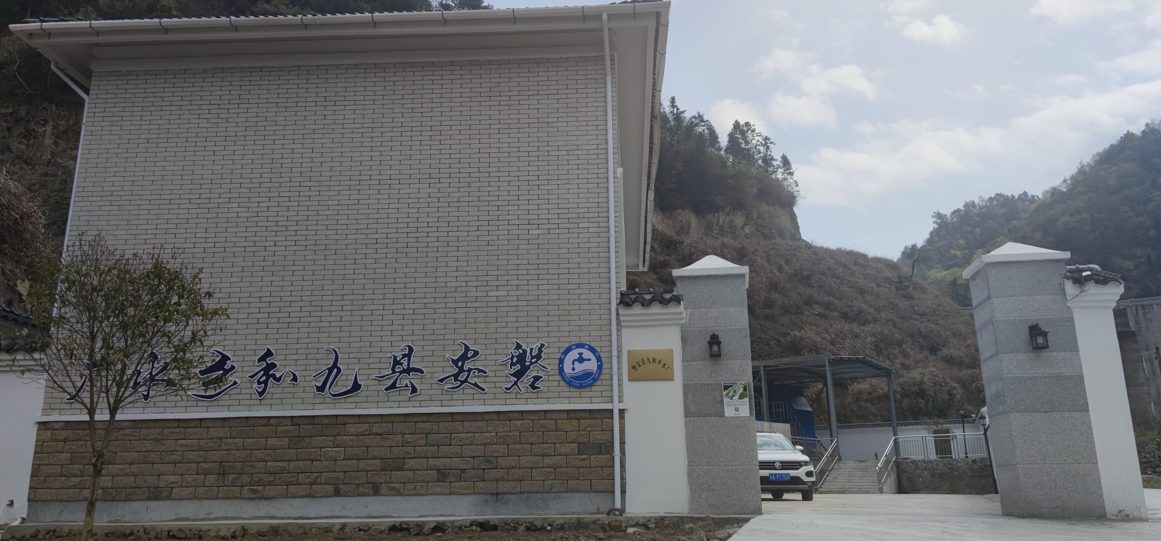
Pan'an County's rural supply stations needed continuous water-quality assurance despite limited on-site staffing and wide dispersion.
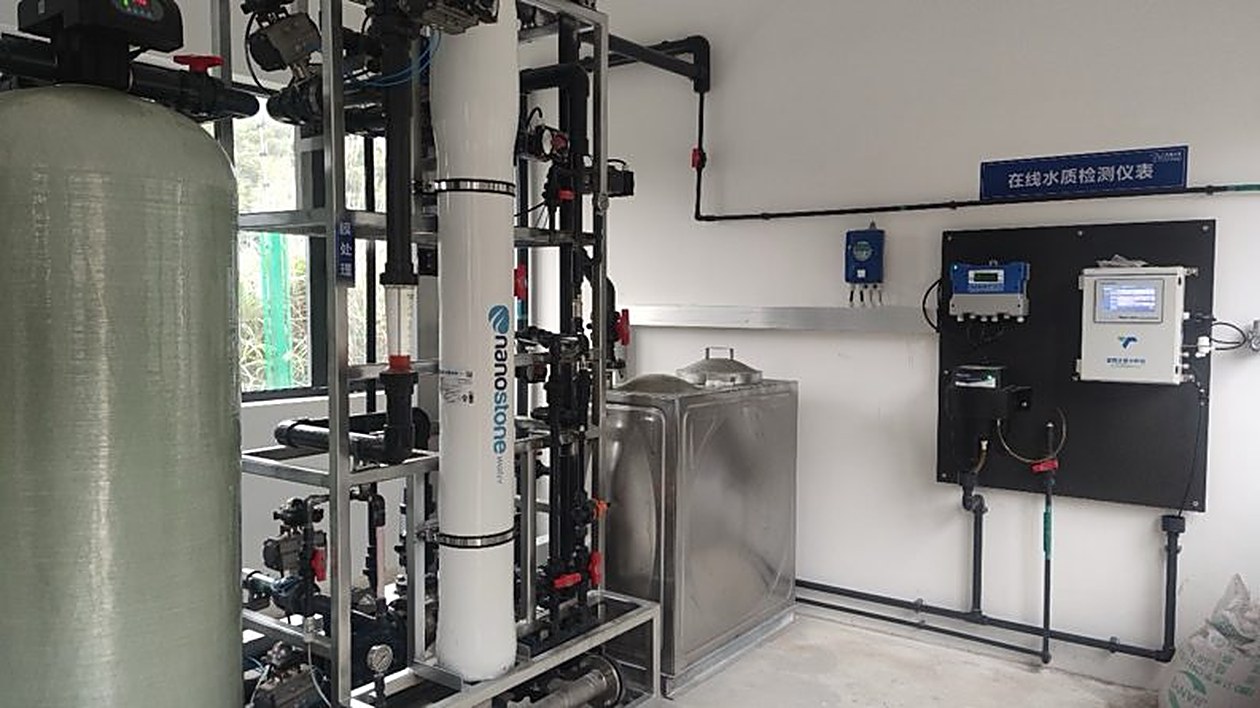
Taizhou's rural supply stations required sustained water-quality monitoring to safeguard delivered water across scattered communities.
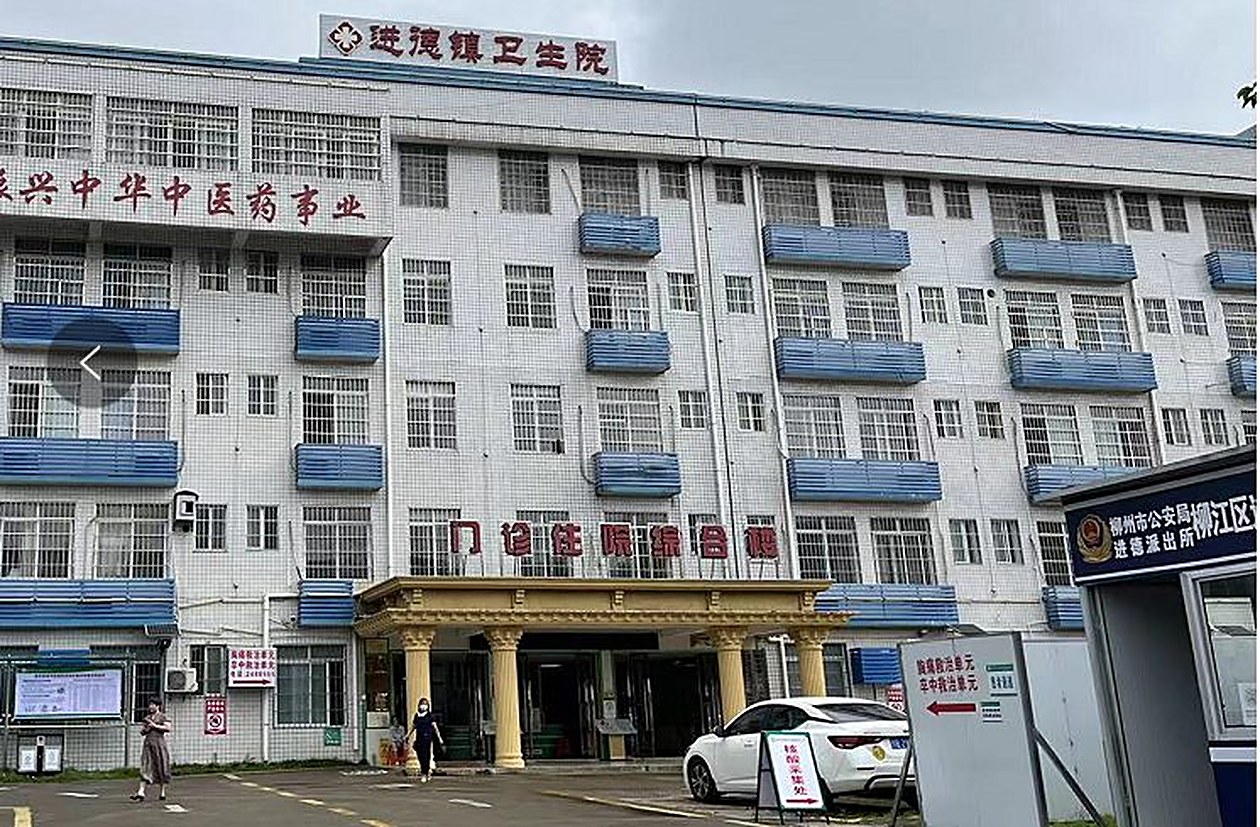
Liujiang District spans multiple supply scenarios — source, treatment and distribution — requiring coordinated monitoring to assure drinking-water quality end to end.
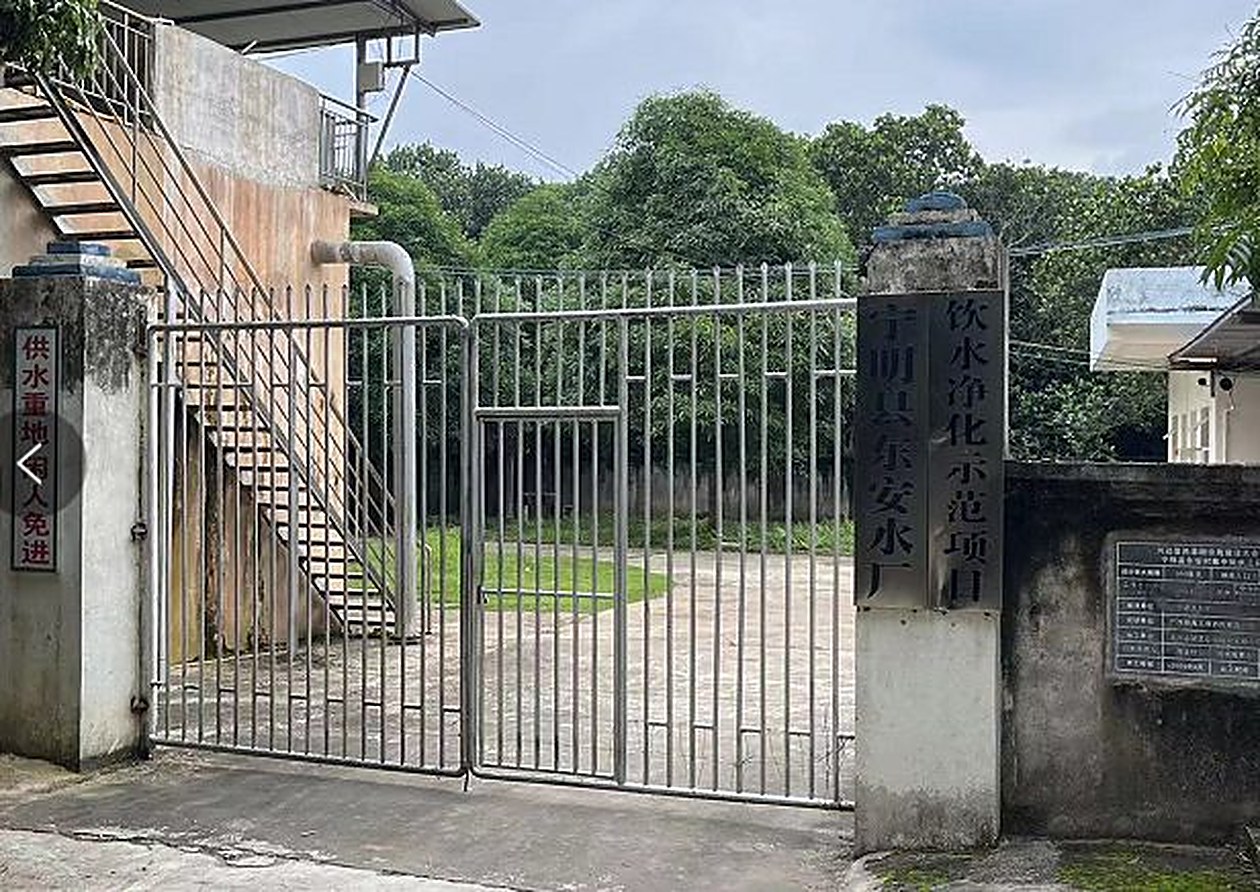
Ningming County needed water-quality monitoring across multiple dispersed points to guarantee safe drinking water county-wide.
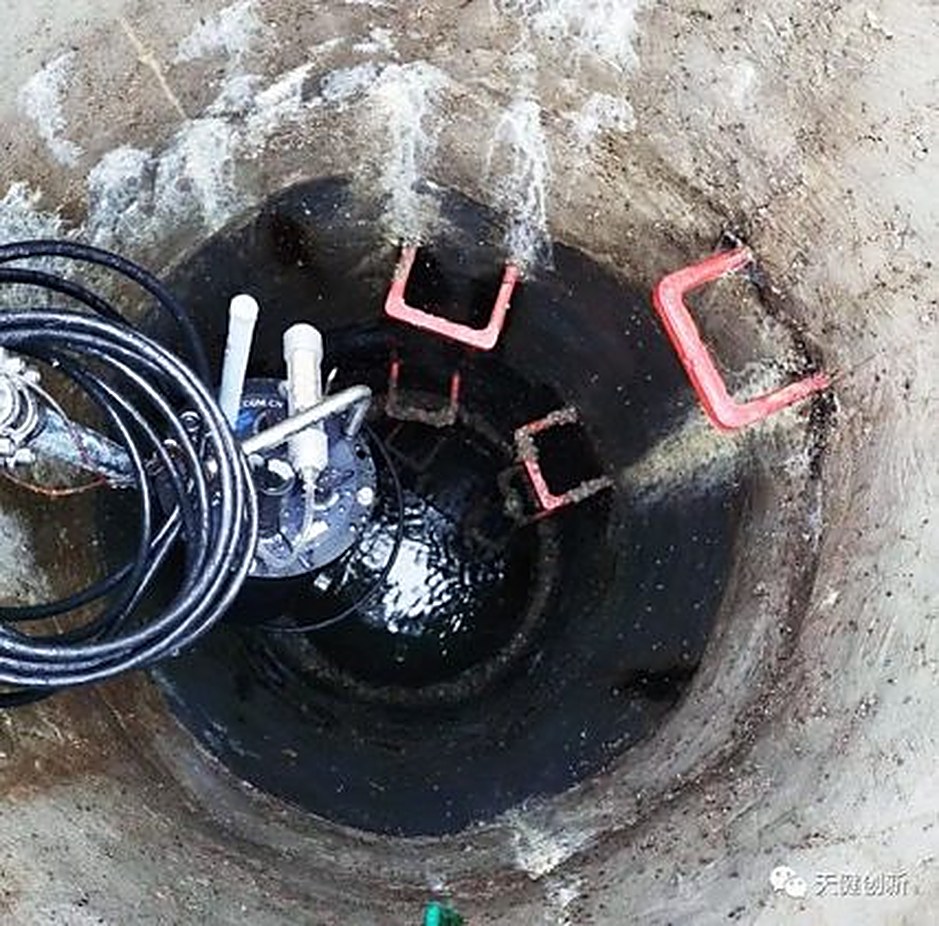
Urban drainage networks suffer from rain-sewage misconnection, sediment buildup and blockages, plus illegal industrial discharges — causing pollution, treatment-plant overload and urban flooding. Without smart monitoring, operators cannot see network status in real time or trace anomalies.
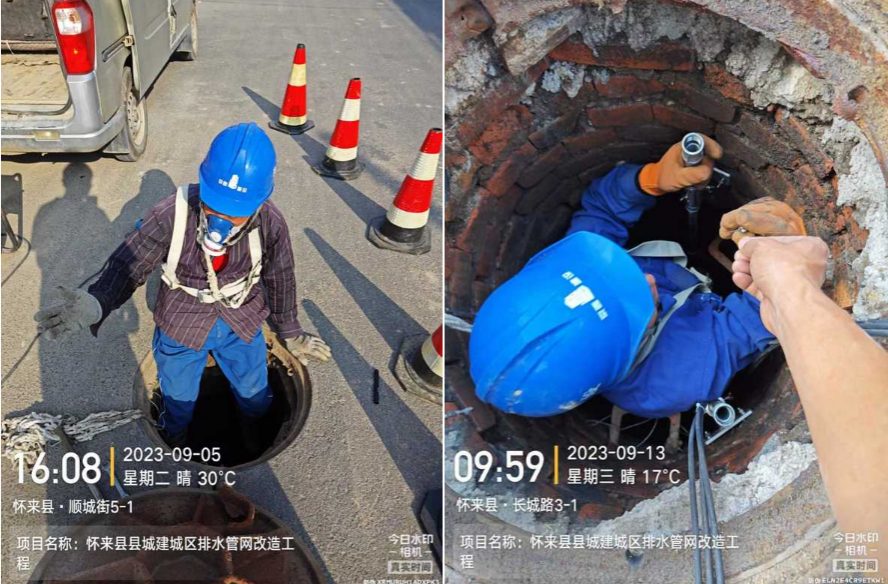
Huailai County's urban drainage network was being upgraded; water-quality monitoring was needed to track network performance and support the renovation's objectives.
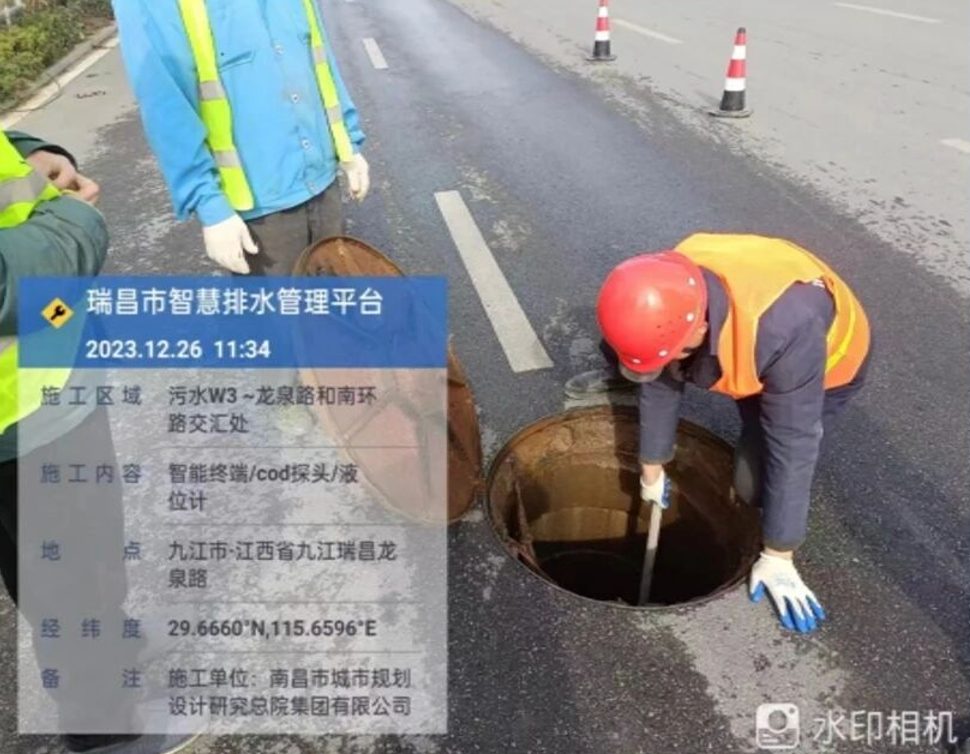
Ruichang needed continuous supervision of its urban drainage network to detect anomalies and protect the receiving water environment.
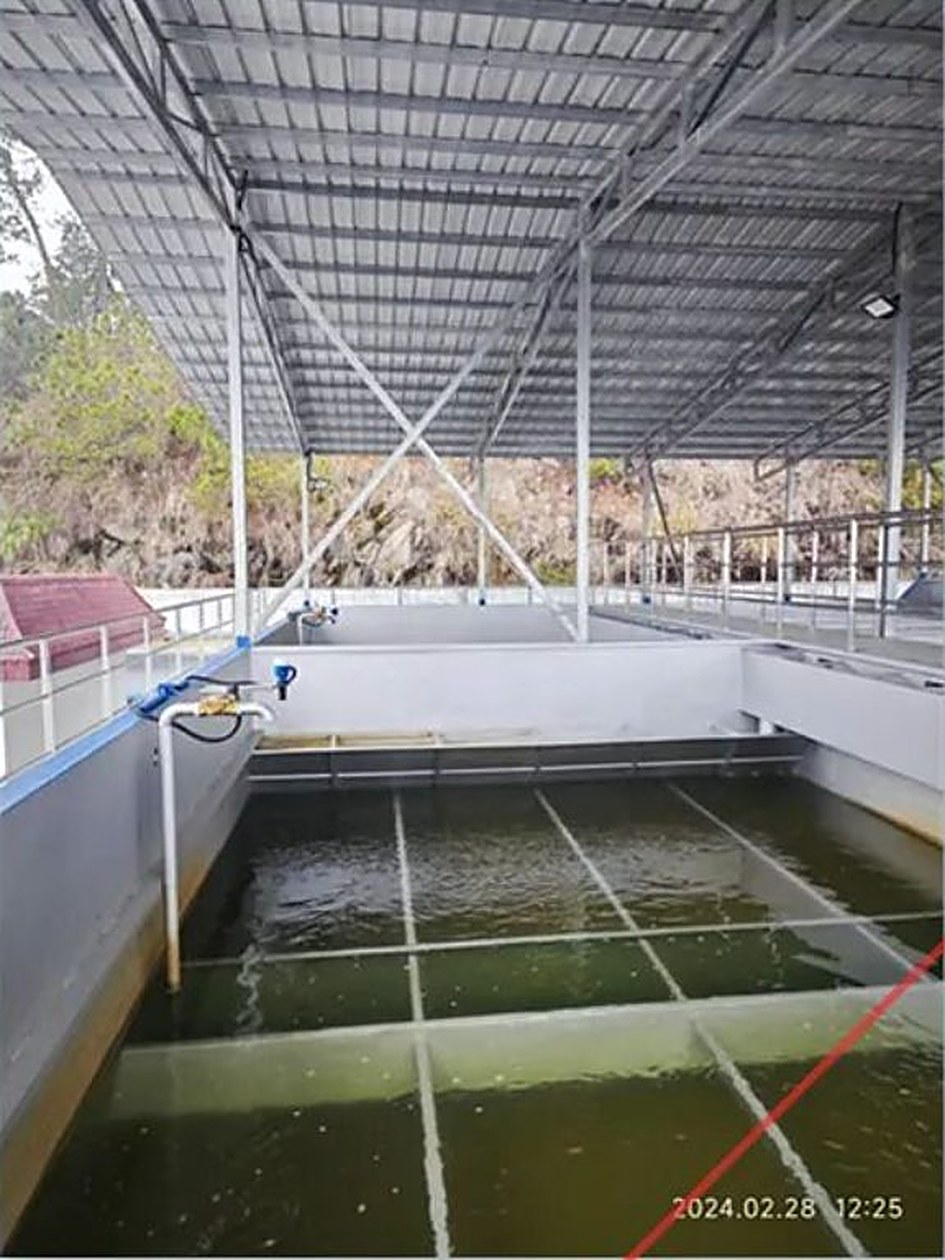
The central water plant at Fuhe Reservoir required drainage monitoring to protect its intake and surrounding water environment.
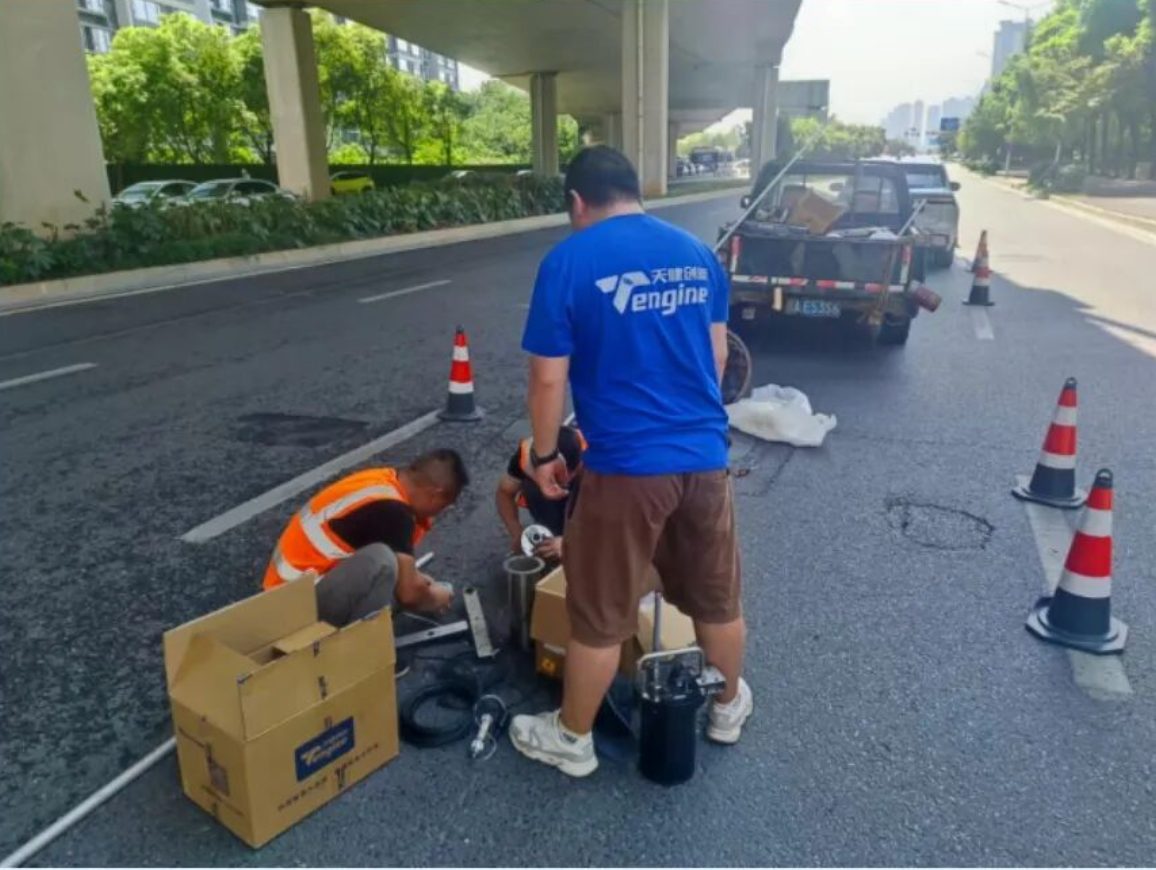
Municipal stormwater outfalls can carry pollutants into receiving waters, especially during first-flush events; without smart monitoring, authorities cannot detect or trace such pollution in real time.
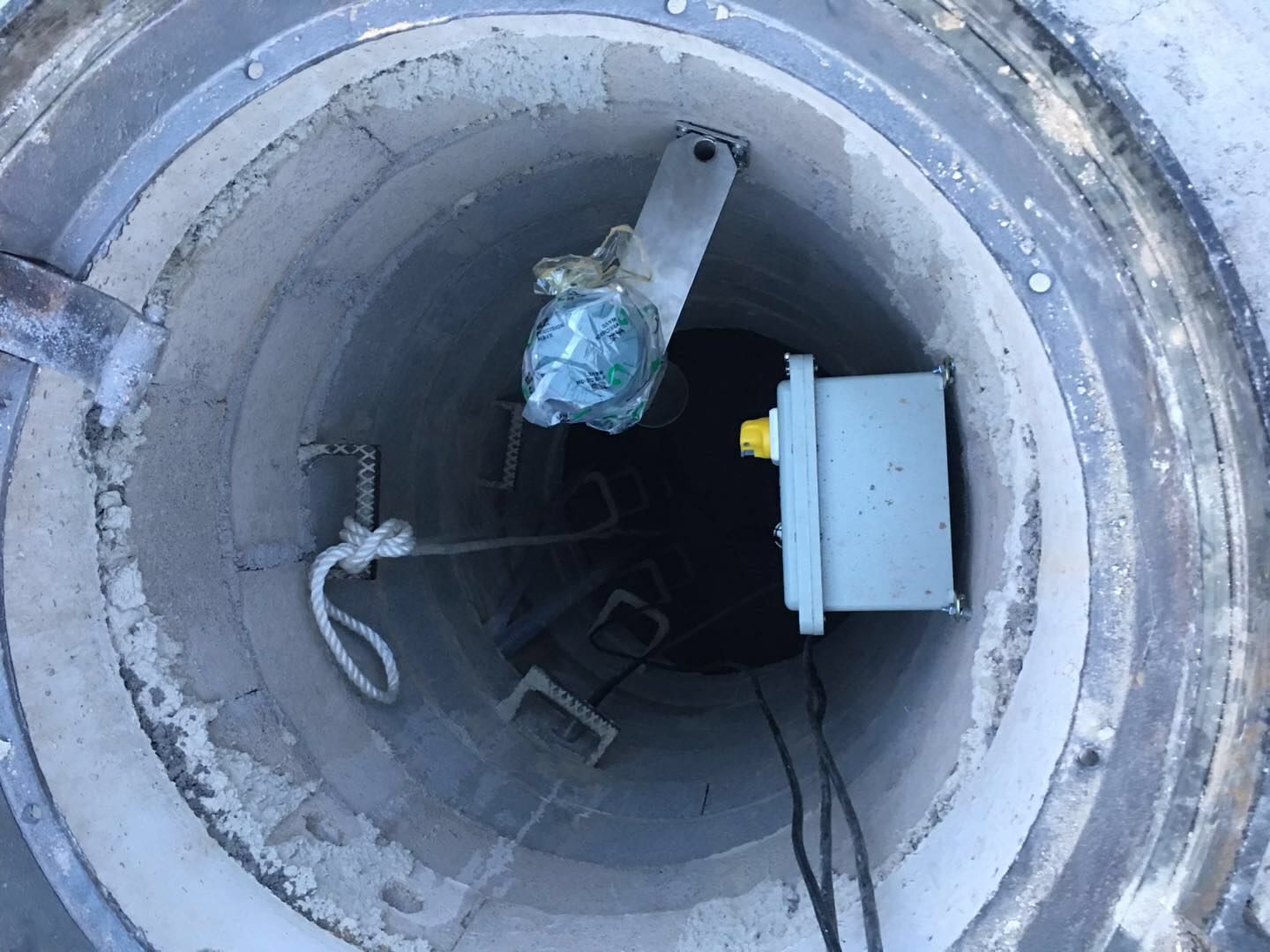
Xiong'an New Area's flood-intercept channels require sub-control monitoring to manage stormwater and protect the new city's water environment.
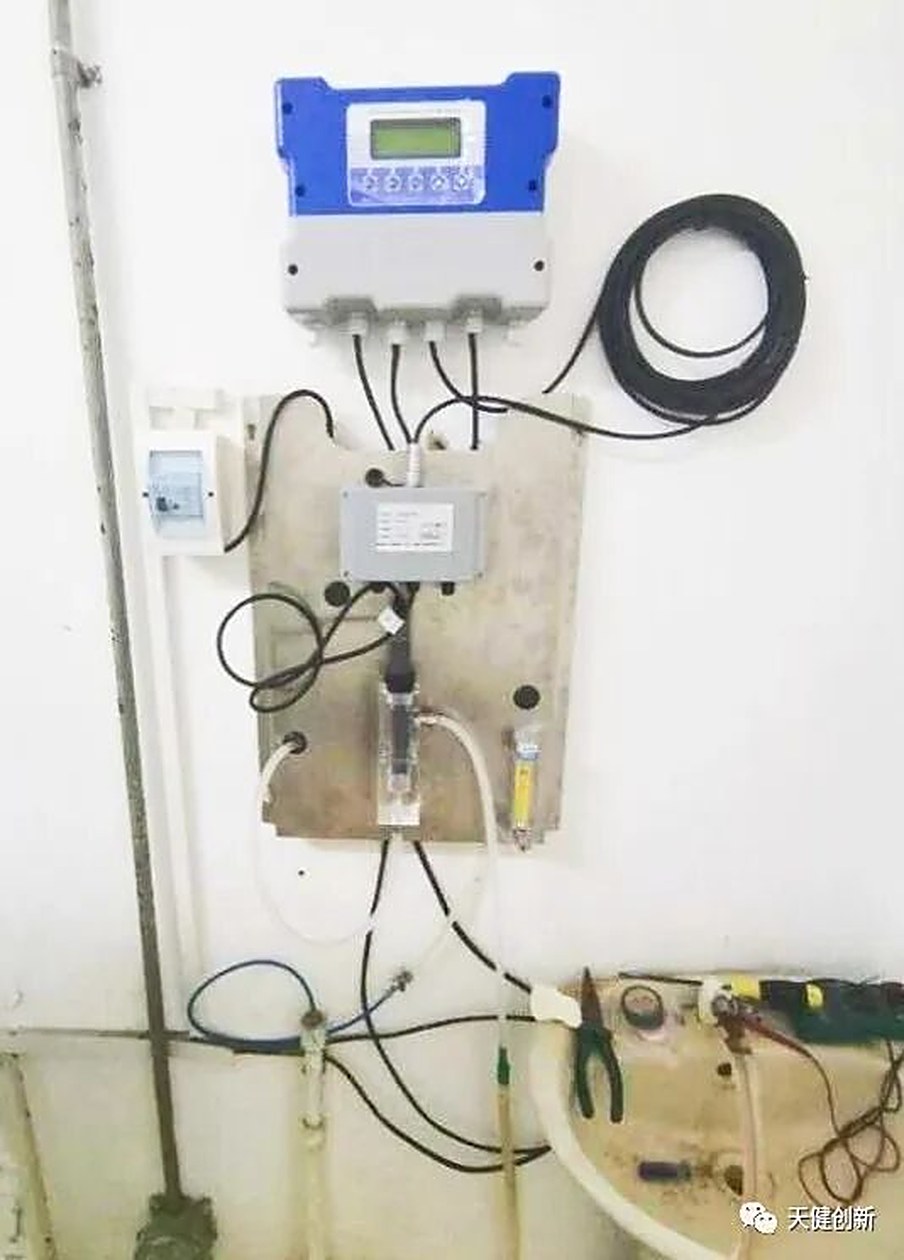
During the pandemic, hospital wastewater was complex — containing pathogens, viruses and chemical reagents with infection risk. Conventional methods could not monitor residual chlorine accurately and stably, risking incomplete disinfection and pollutant release.
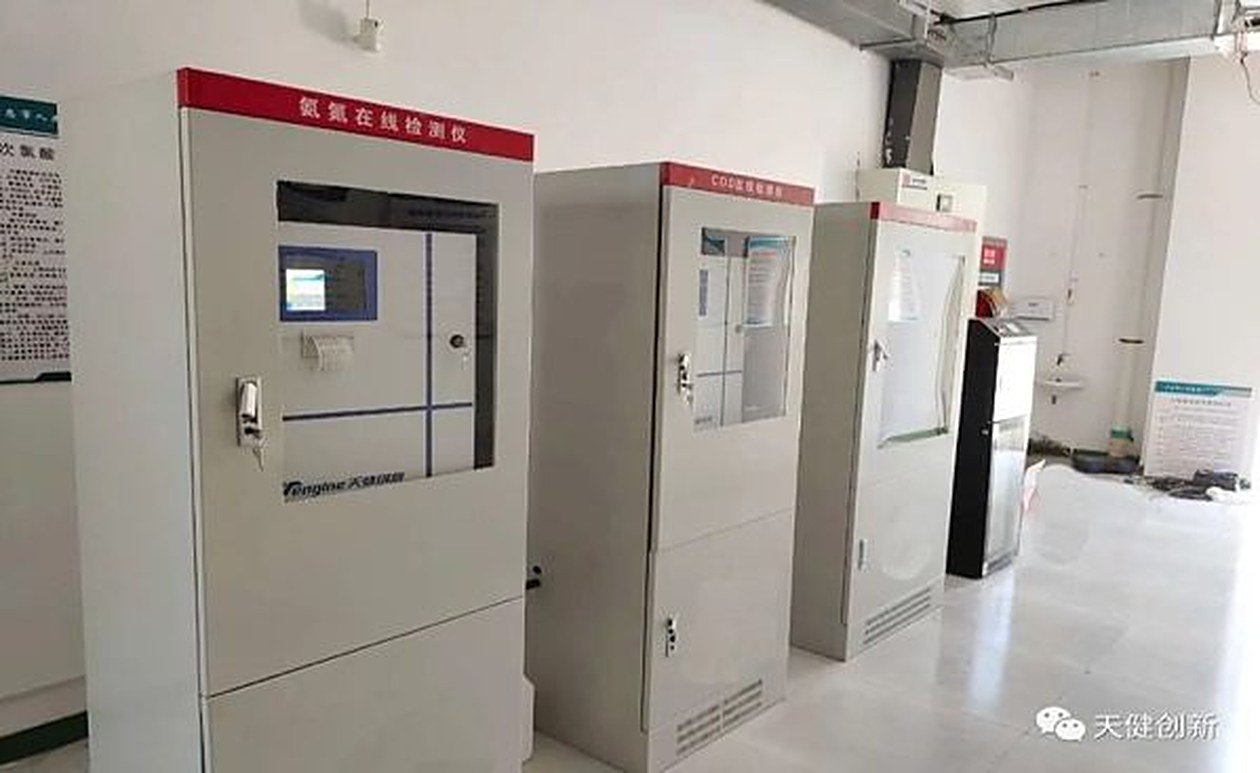
Hospitals require continuous assurance that medical wastewater is properly treated before discharge; intermittent manual checks cannot guarantee round-the-clock compliance and safety.
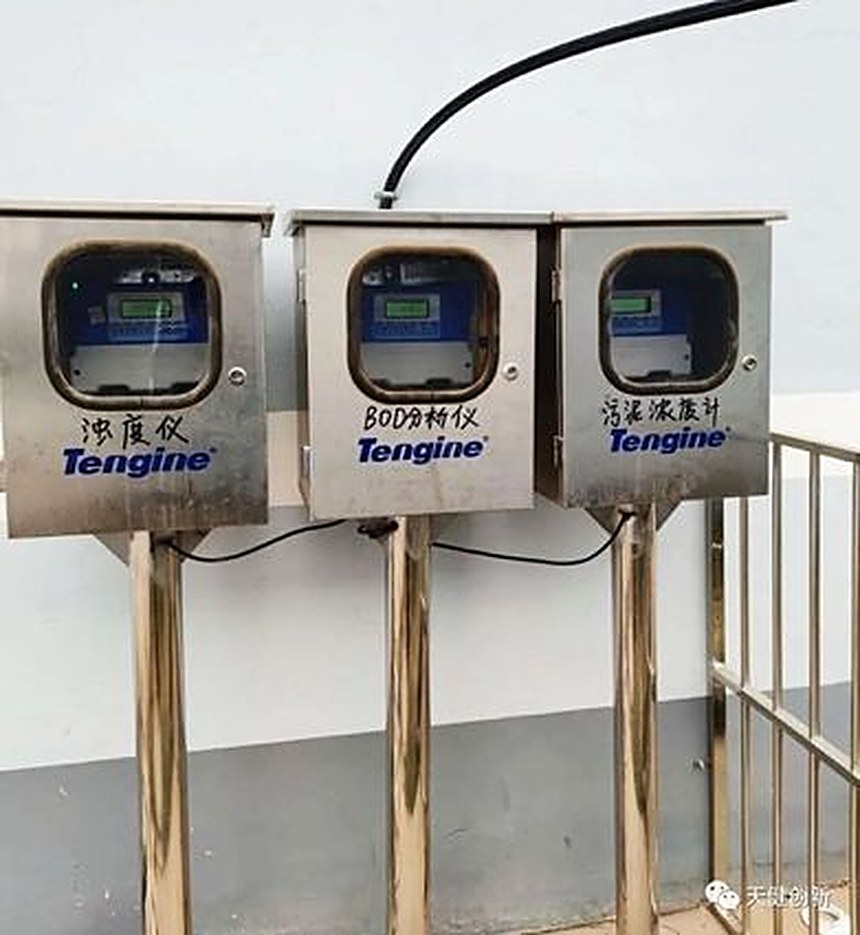
Waste stockpiling and rainwash generate highly polluted leachate with complex composition; without proper treatment monitoring it easily causes secondary soil and groundwater contamination. The site lacked full-process real-time monitoring, creating environmental risk.
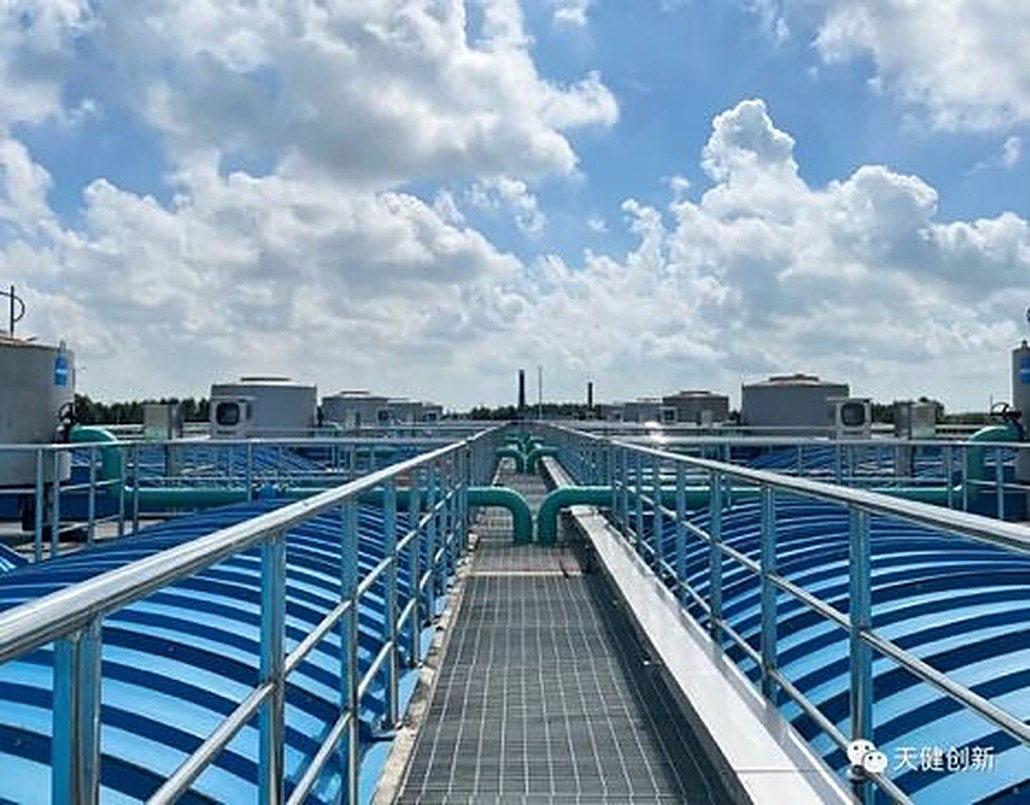
A food-industry-park WWTP needed full water-quality assurance across its treatment process to handle variable food-processing effluent and secure compliant discharge.
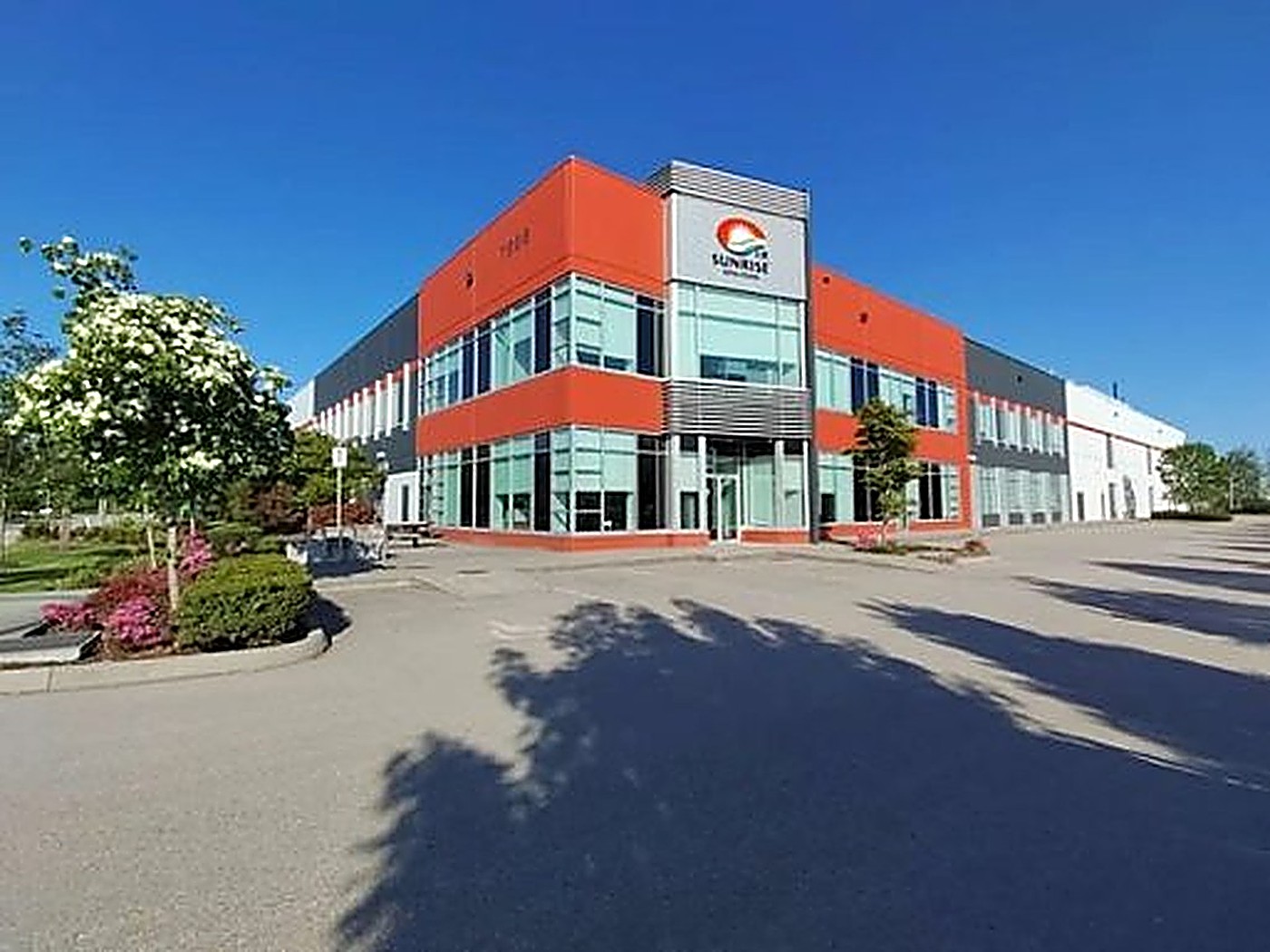
Sunrise Tofu in Canada needed reliable water-quality monitoring for its food-processing operation to maintain product quality and meet local requirements.
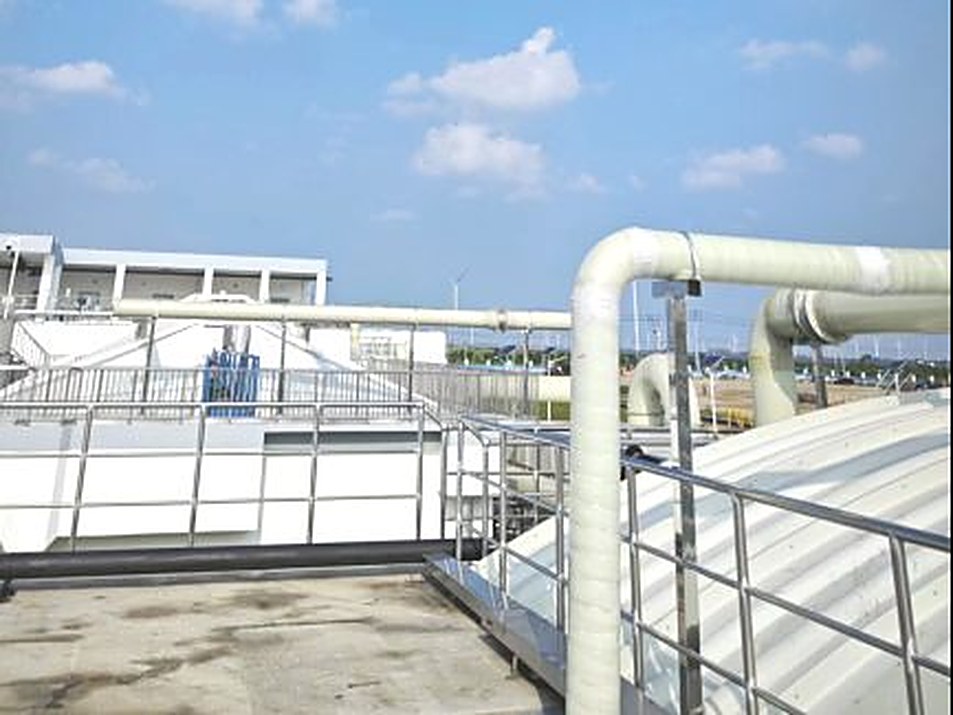
A Yantai industrial-park WWTP treats mixed industrial effluent with variable composition, requiring comprehensive monitoring to keep treatment stable and discharge compliant.
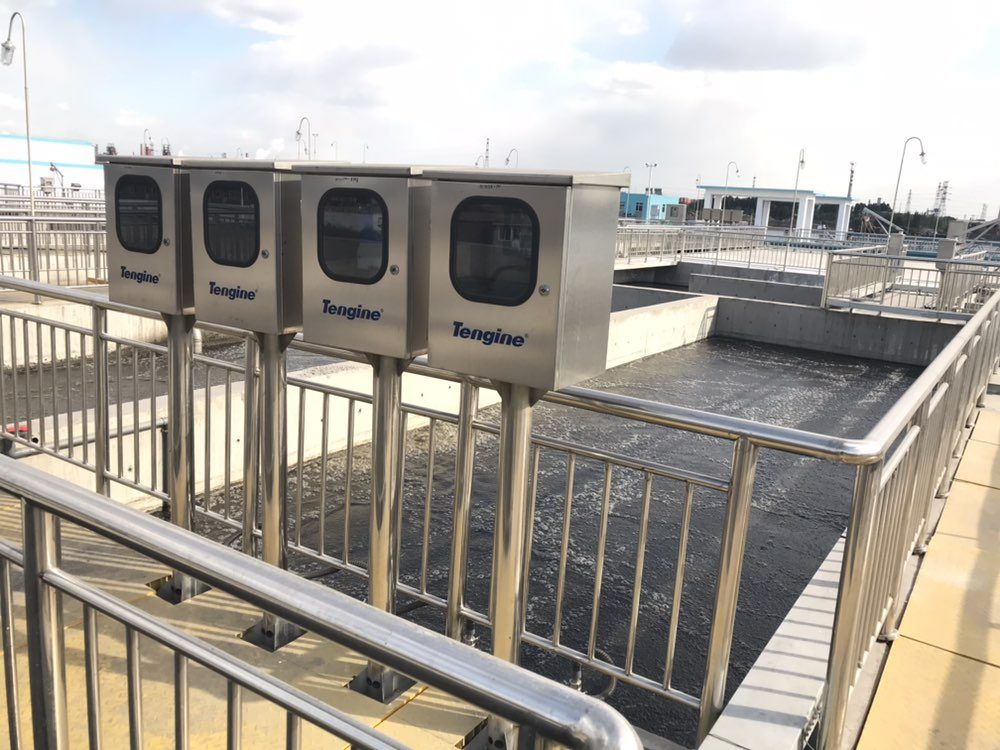
The Guye plant uses the AAO process and treats mixed industrial and domestic wastewater; full-process monitoring was needed to control each stage and guarantee compliant discharge.
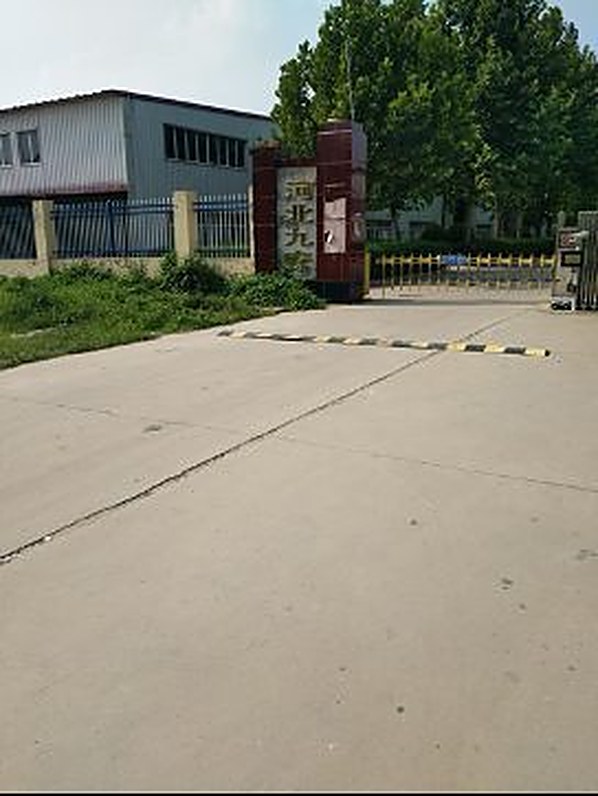
A door manufacturer needed to monitor its factory discharge outlet to ensure compliance and avoid environmental violations, but lacked continuous monitoring.
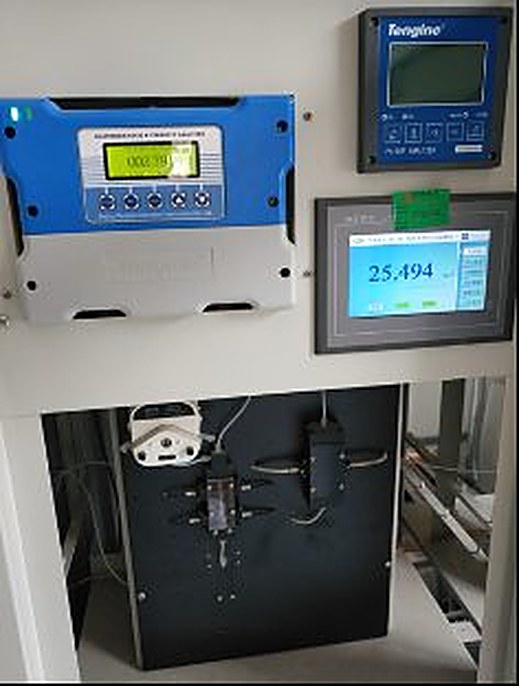
A centralized industrial-park WWTP under a PPP model treats concentrated effluent from the Xicheng industrial zone, requiring certified, reliable monitoring across a large, multi-stage process with platform connectivity.
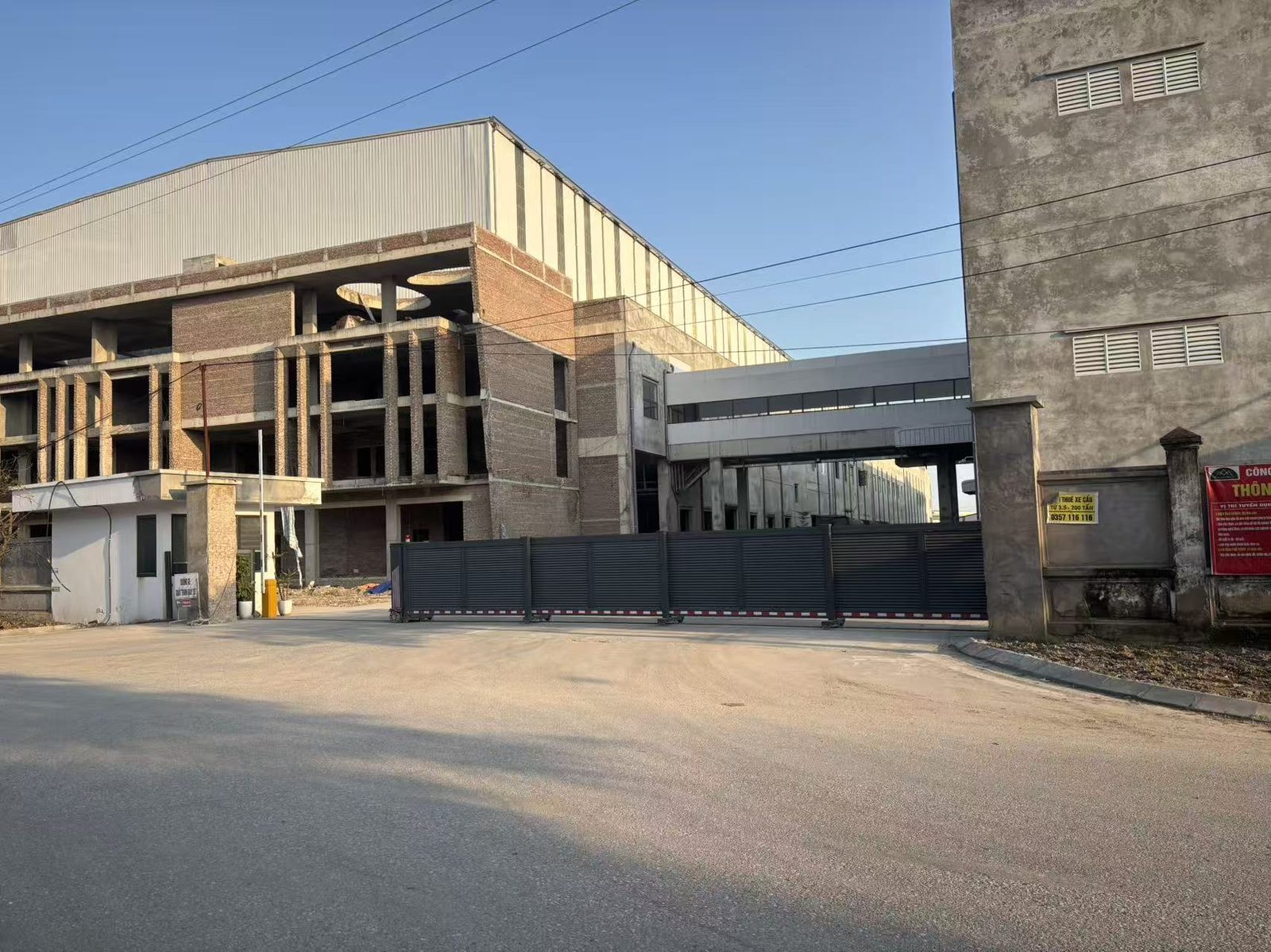
The mill had long relied on imported instrument brands, driving up procurement, deployment and O&M costs, while mixing multiple brands caused poor compatibility and fragmented after-sales support. High-strength paper-making wastewater requires continuous monitoring to keep treatment stable and discharge compliant.
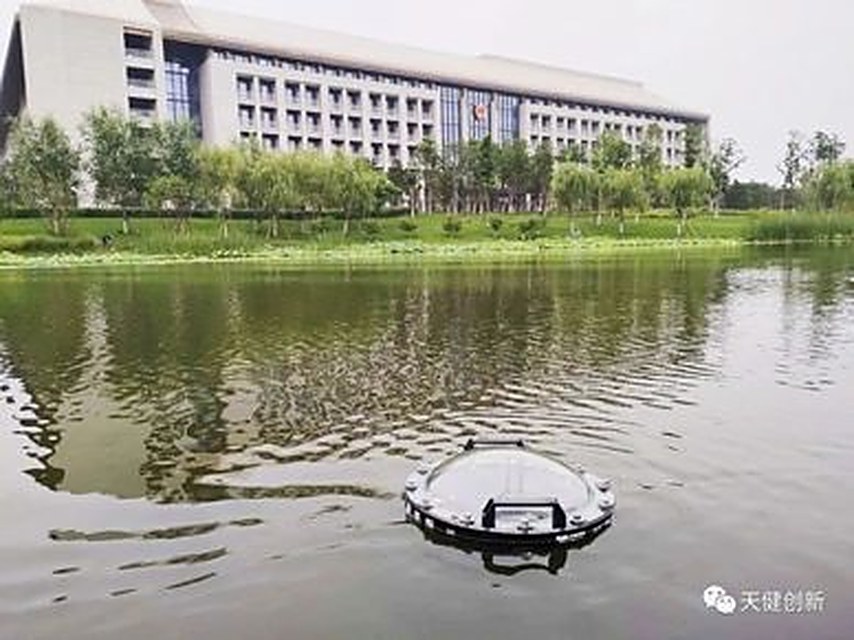
Urban rivers commonly suffer pollution and black-odor conditions that damage cityscape and ecology. Without real-time, stable water-quality monitoring, authorities cannot track pollutant discharge in time or support river remediation and ecological management.
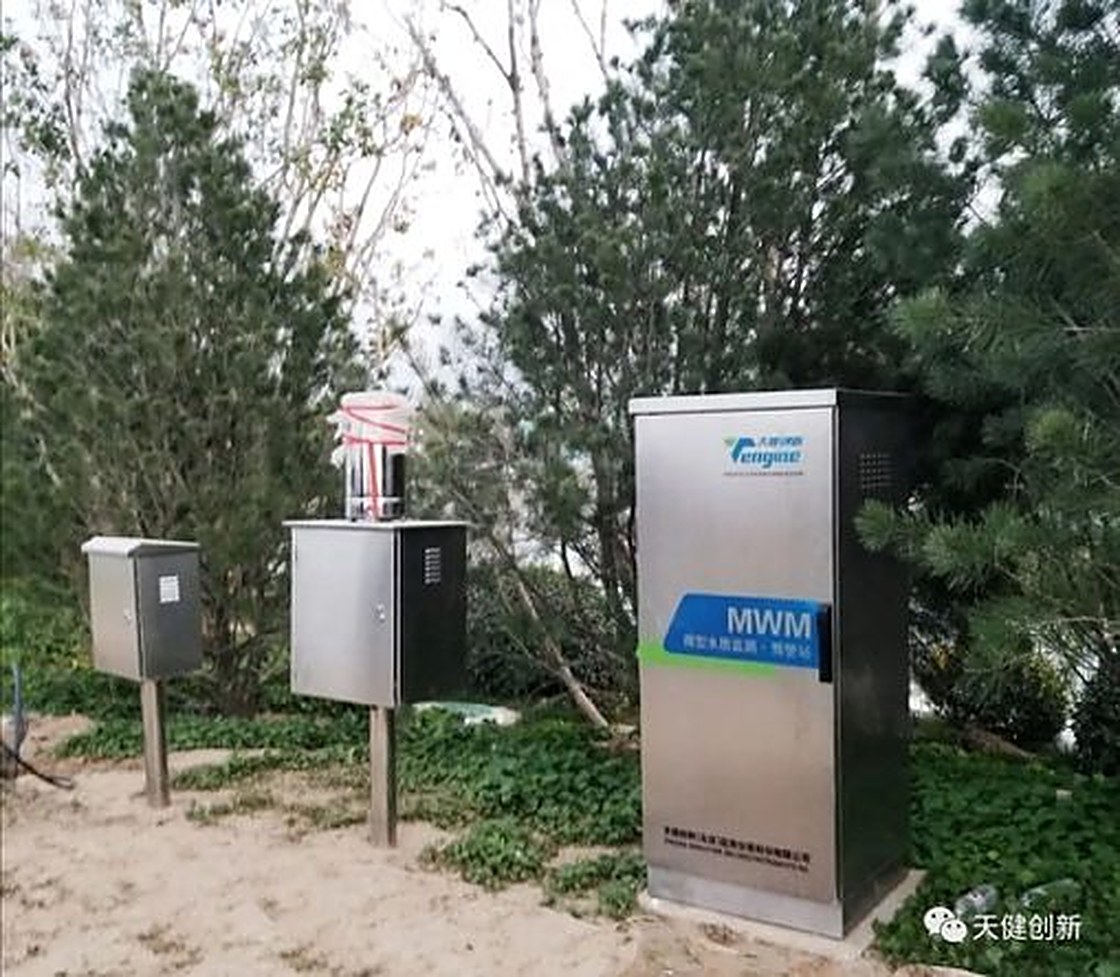
Universal Studios Beijing's landscape waterways must stay clean and attractive for visitors; water quality can degrade and affect both appearance and visitor experience, requiring continuous, unobtrusive monitoring.
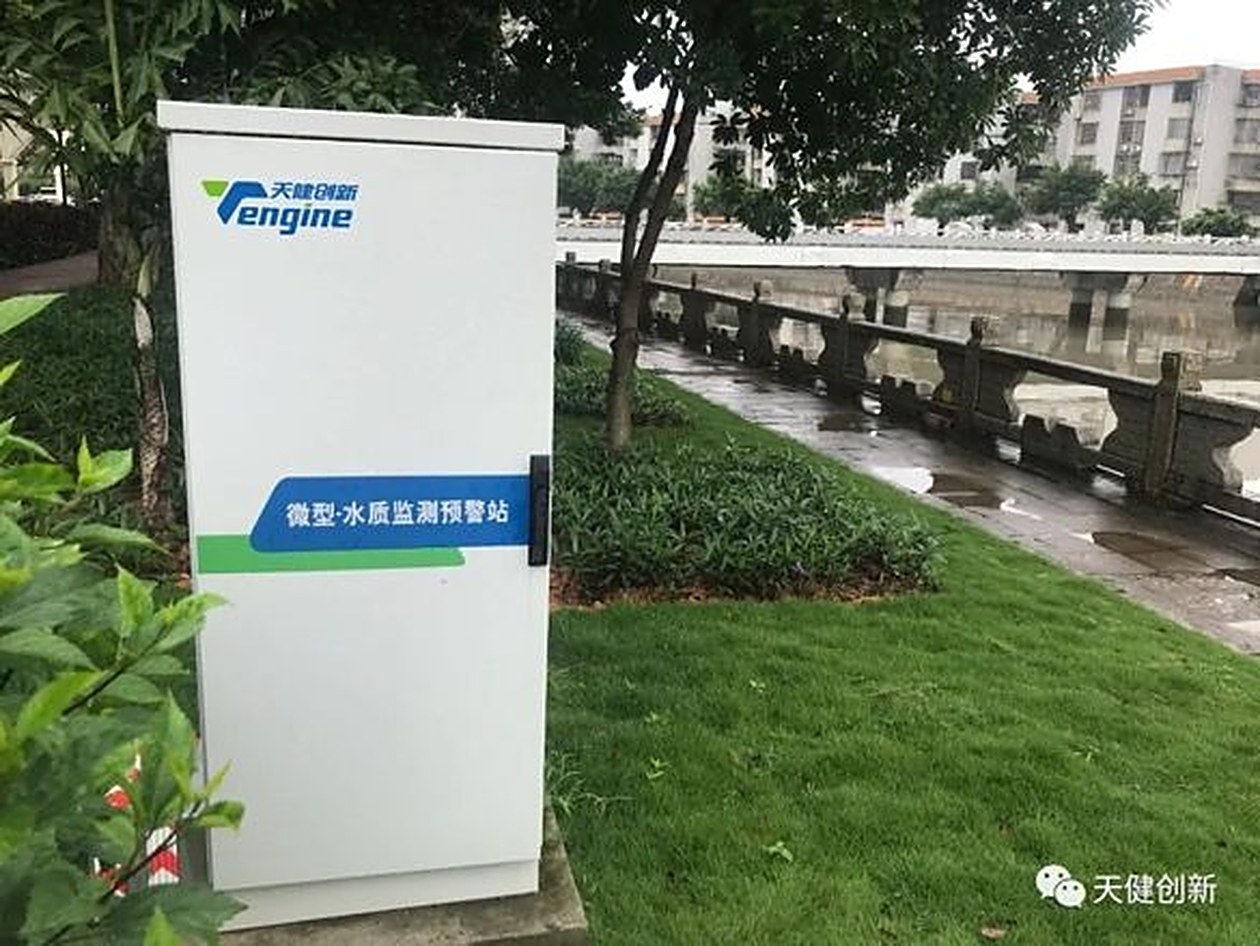
Surface-water bodies need early warning of quality deterioration, but fixed stations are costly and inflexible; a compact, rapidly deployable monitoring solution was required.
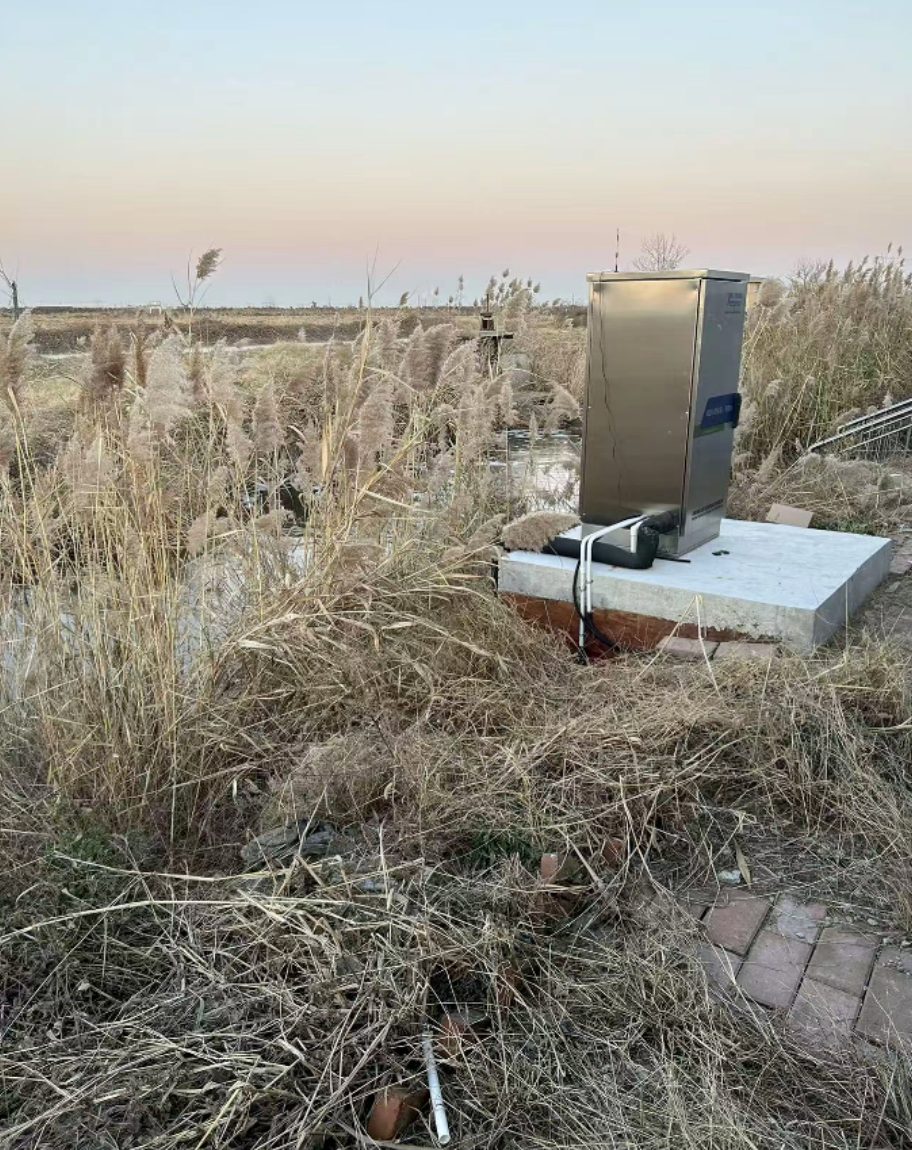
Weifang needed to monitor river sections for water-quality status and trends; a distributed, low-footprint monitoring approach was required across multiple sections.
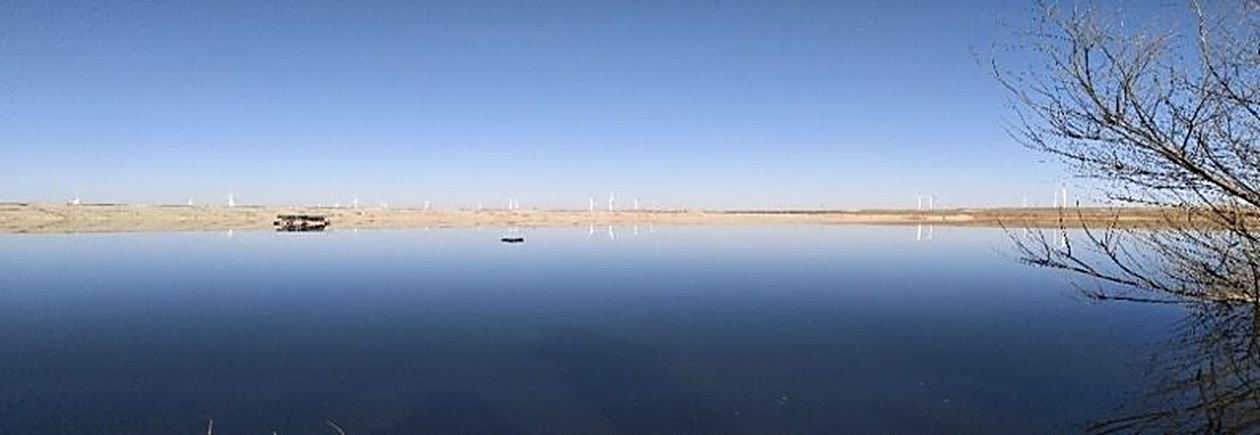
Liujiagou's surface water required in-situ monitoring to track quality, but shore-based fixed stations were impractical; a self-powered, in-situ solution was needed.
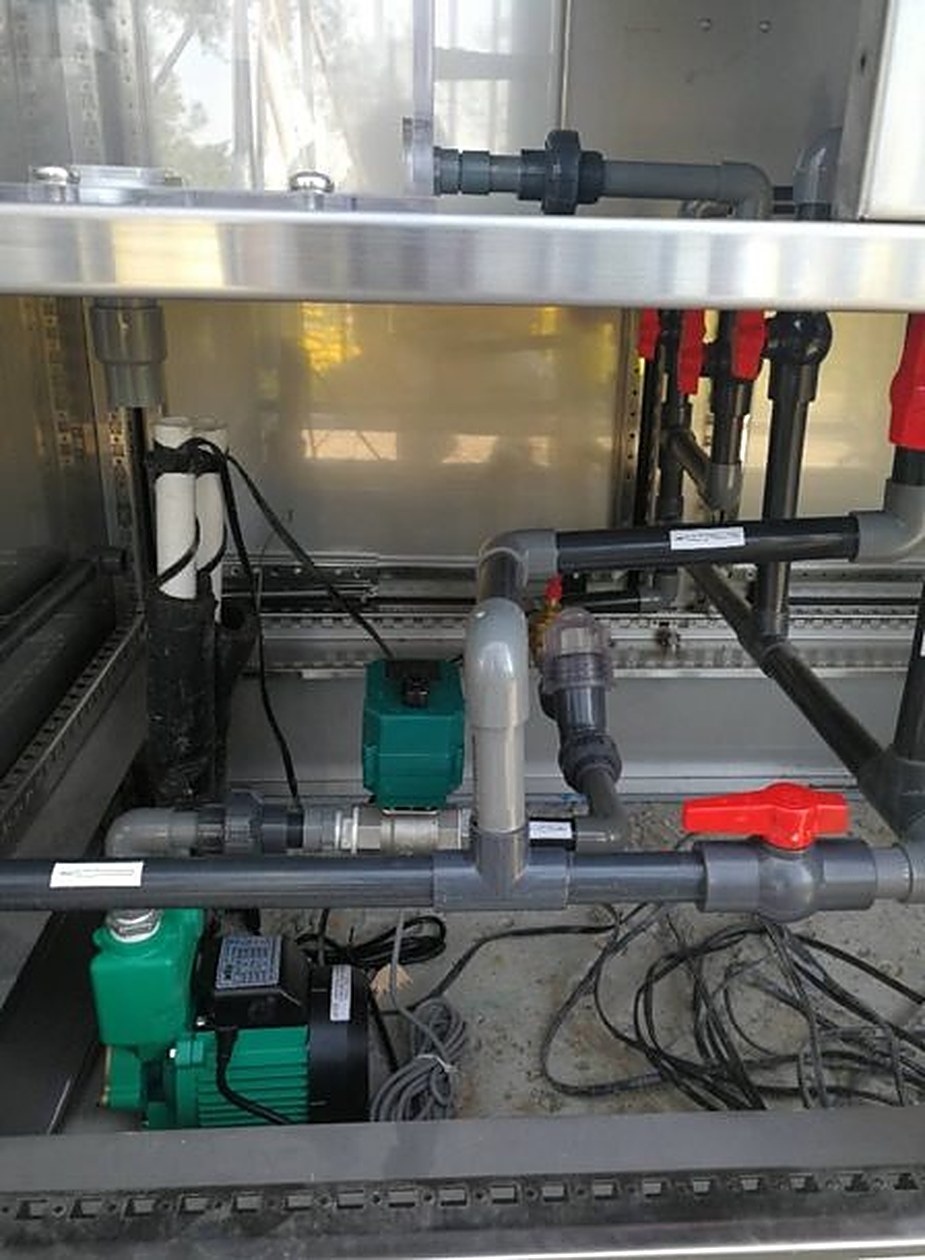
The Xiao Taihou River in Chaoyang needed compact water-quality early warning to support river management within a dense urban district.
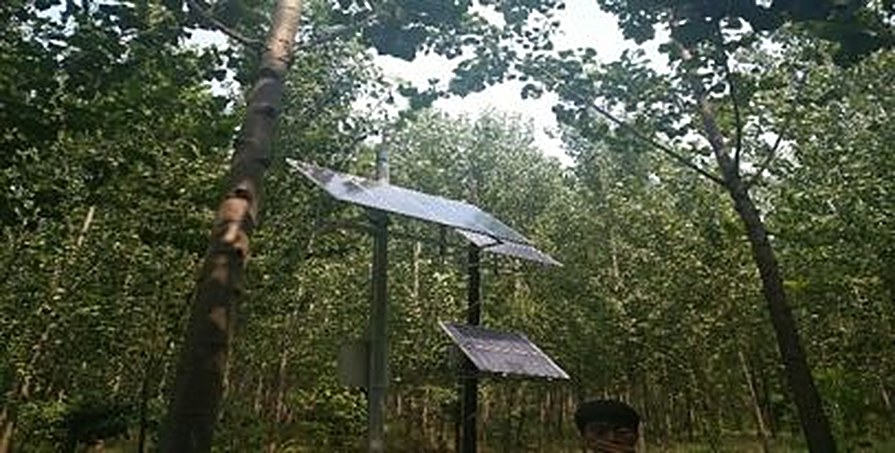
Pinggu District needed to monitor river-section water quality across its waterways to support environmental management and pollution control.
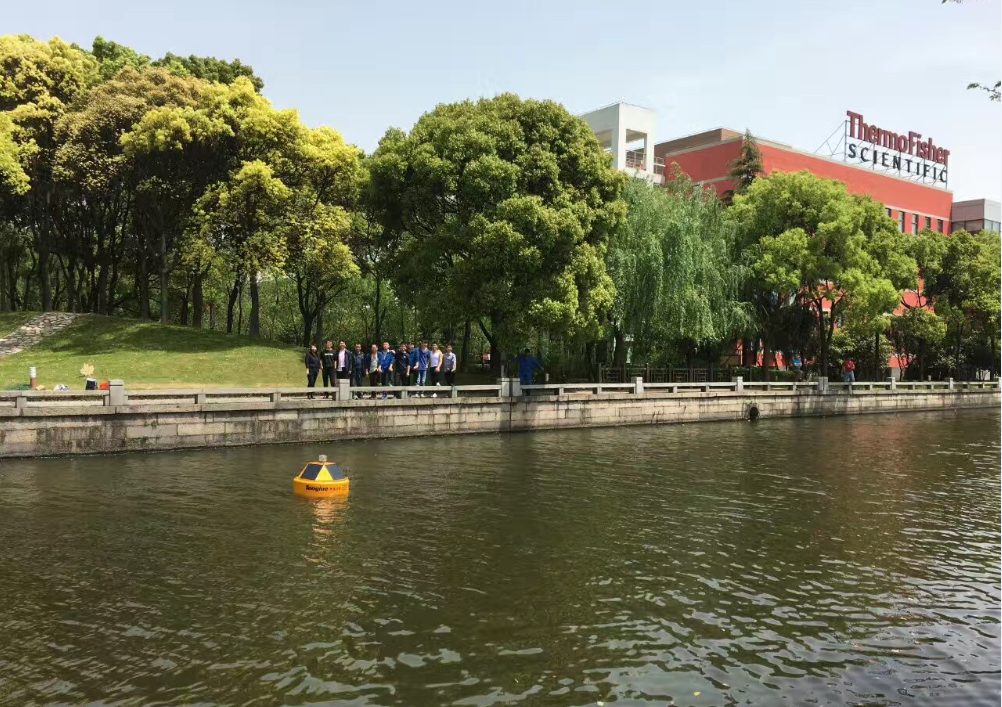
Songjiang District required in-situ surface-water monitoring with early warning to protect local water bodies and respond quickly to quality changes.
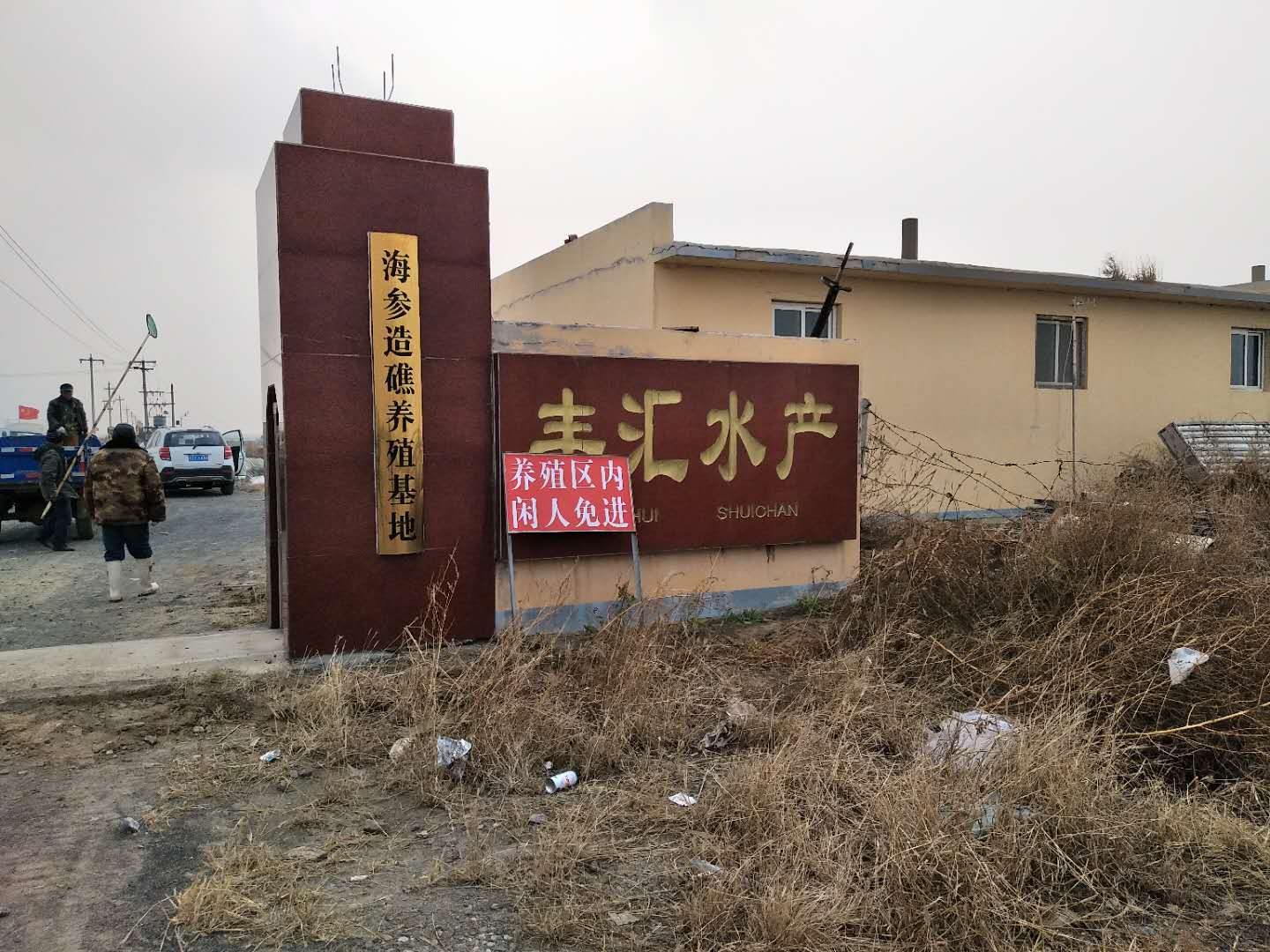
Offshore sea-cucumber farming is highly sensitive to dissolved oxygen, pH and conductivity; water-quality swings directly affect growth and survival. Open offshore waters make manual sampling difficult and data lag, while conventional equipment depends on external power and heavy maintenance, limiting deployment and remote control.
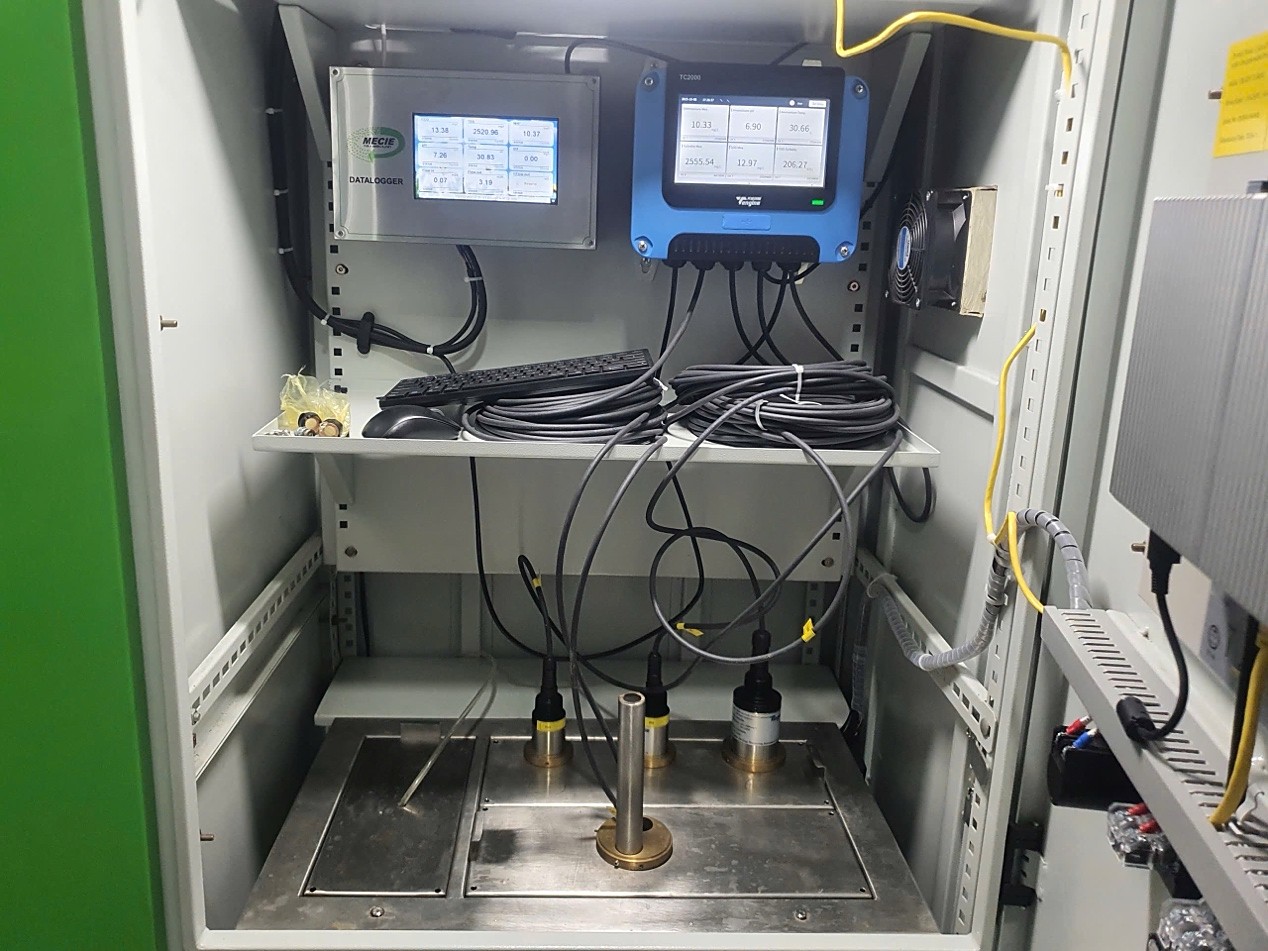
The site had no online water-quality monitoring at all — only manual grab sampling — so discharge indicators could not be tracked continuously. Vietnam's new environmental regulations mandate online monitoring installations at pollution sources, and the customer faced administrative penalty risk without compliant, always-on data.
Your Project Could Be Next
Share your monitoring requirements with our engineering team — we will reference similar projects and propose a configuration matched to your application.
Start the conversation
Need references for a similar application?
Tell us your industry and monitoring parameters — we will share relevant project experience and technical documentation.