Medical Wastewater
Online Monitoring of Hospital Wastewater at Wuzhong People's Hospital
 1 / 3
Project Background
Wuzhong People's Hospital discharges medical wastewater whose complex composition — pathogenic microorganisms and harmful contaminants — makes it a high-risk stream governed strictly by China's Discharge Standard of Water Pollutants for Medical Organizations (GB 18466-2005).
Customer Challenge
Hospital wastewater comes from consulting rooms, laboratories, wards, laundries and operating theatres, carrying pathogens, viruses and chemical reagents with acute and latent transmission risks. Compliance monitoring must be continuous and trustworthy — lapses risk secondary contamination of the receiving water body.
The TENGINE Solution
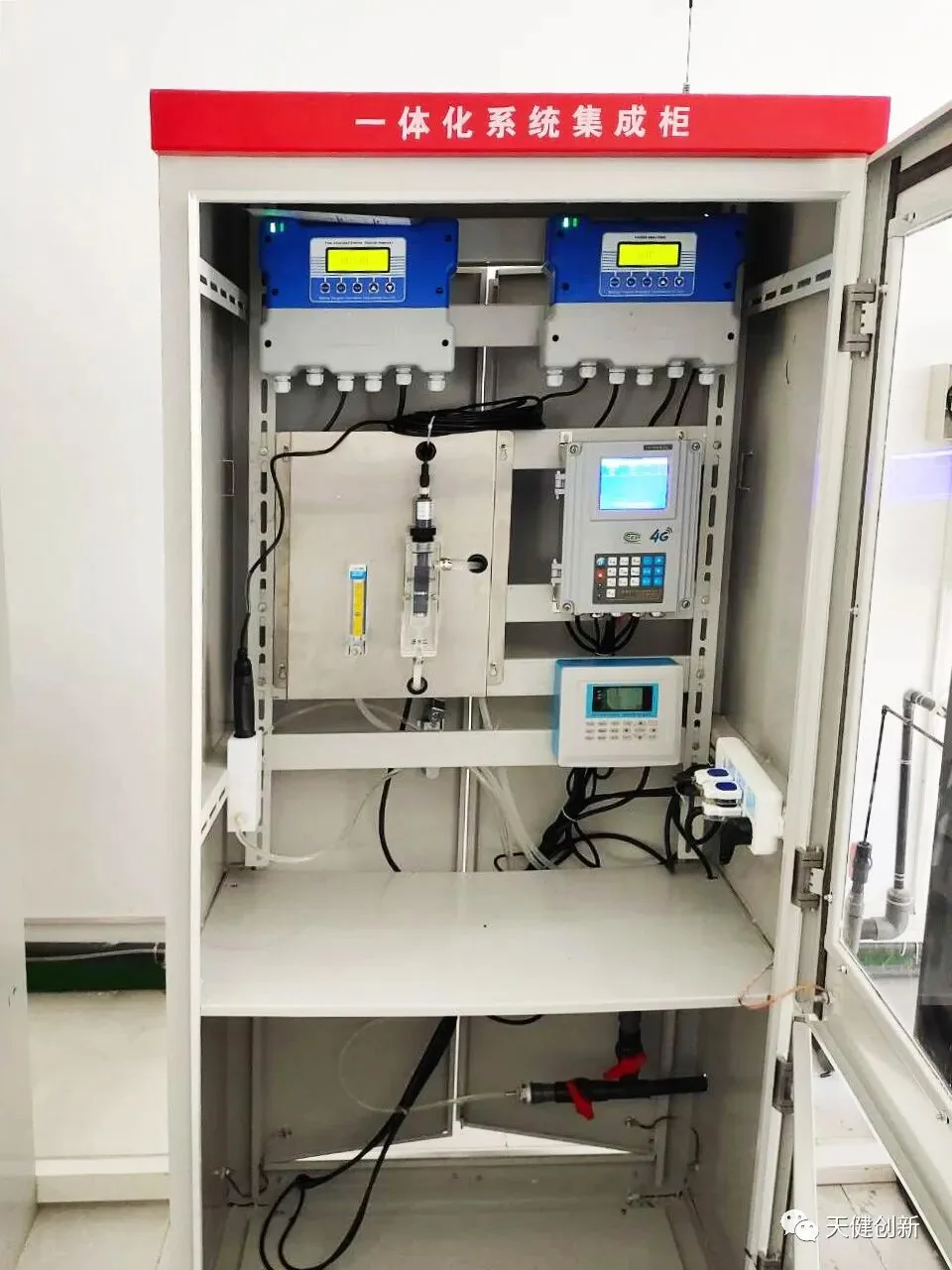
TENGINE's online monitoring instruments were installed at the hospital's wastewater discharge outlet, tracking the four core compliance parameters — COD, ammonia nitrogen, residual chlorine and pH — around the clock, with the whole treatment process kept under real-time supervision.
Implementation
The online analyzers were deployed at the hospital's discharge outlet, with representative sampling of the treated wastewater stream and continuous data upload.
Project Results
The hospital's wastewater discharge is now under real-time, standards-based supervision: treated water is verifiably compliant, secondary contamination risks to the receiving water are closed off, and public-health and environmental-safety duties are demonstrably met.
Related Case Studies
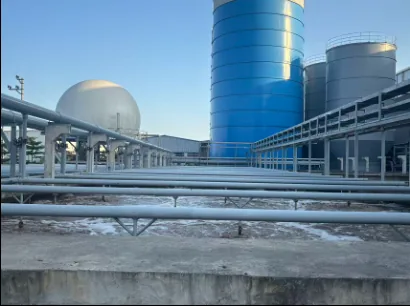
The mill had long relied on imported instrument brands: procurement, system deployment and O&M costs were all high, and a mixed-brand fleet brought poor compatibility, fragmented after-sales and inefficient maintenance. It needed a single accountable supplier without giving up measurement performance.
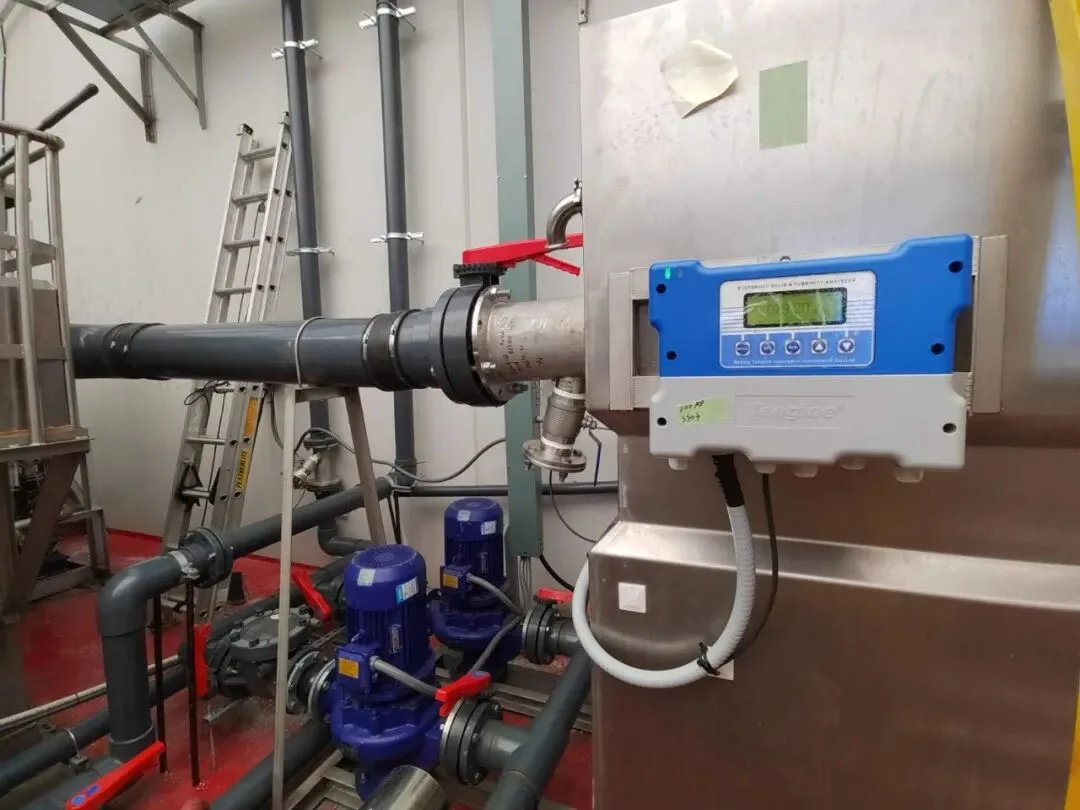
Tofu production is water-intensive, and process water can carry contaminants such as heavy metals and organic pollutants. Without continuous monitoring, quality risks to the product — and health risks to consumers — can go undetected. At the same time, improperly managed wastewater discharge harms the environment and exposes the company to regulatory violations and legal liability.
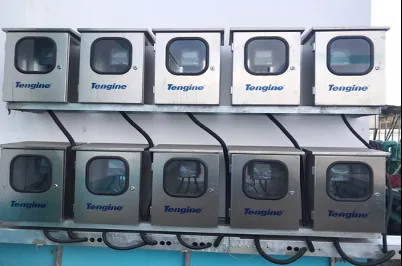
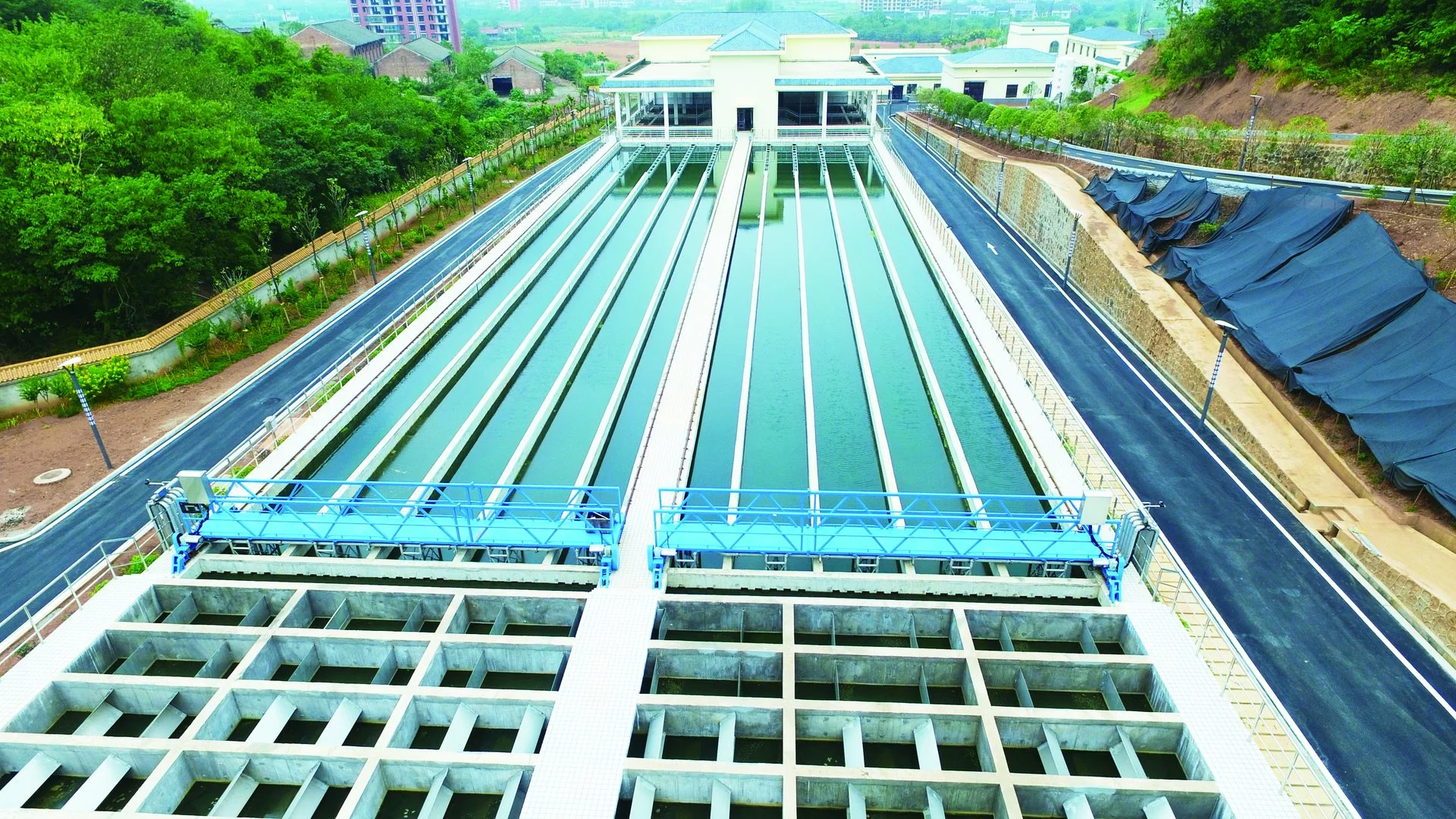
The mixed industrial influent is complex and swings hard; the AAO process demands close tracking of DO, sludge concentration and quality parameters; and with monitoring points spread across the whole plant, a single instrument type could never fit every location. Data lag or loss directly threatens process stability and effluent compliance.
Facing a similar monitoring challenge?
Tell us about your application — our engineers will reference this project experience and design a solution for your site.