
Drinking Water & Water Supply
Municipal & Tap Water Quality Monitoring Solutions
Safeguard drinking water from the treatment plant to the tap — high-precision turbidity, chlorine and pH monitoring that verifies treatment performance and protects public health.
01Definition
What Is Municipal & Tap Water Monitoring?
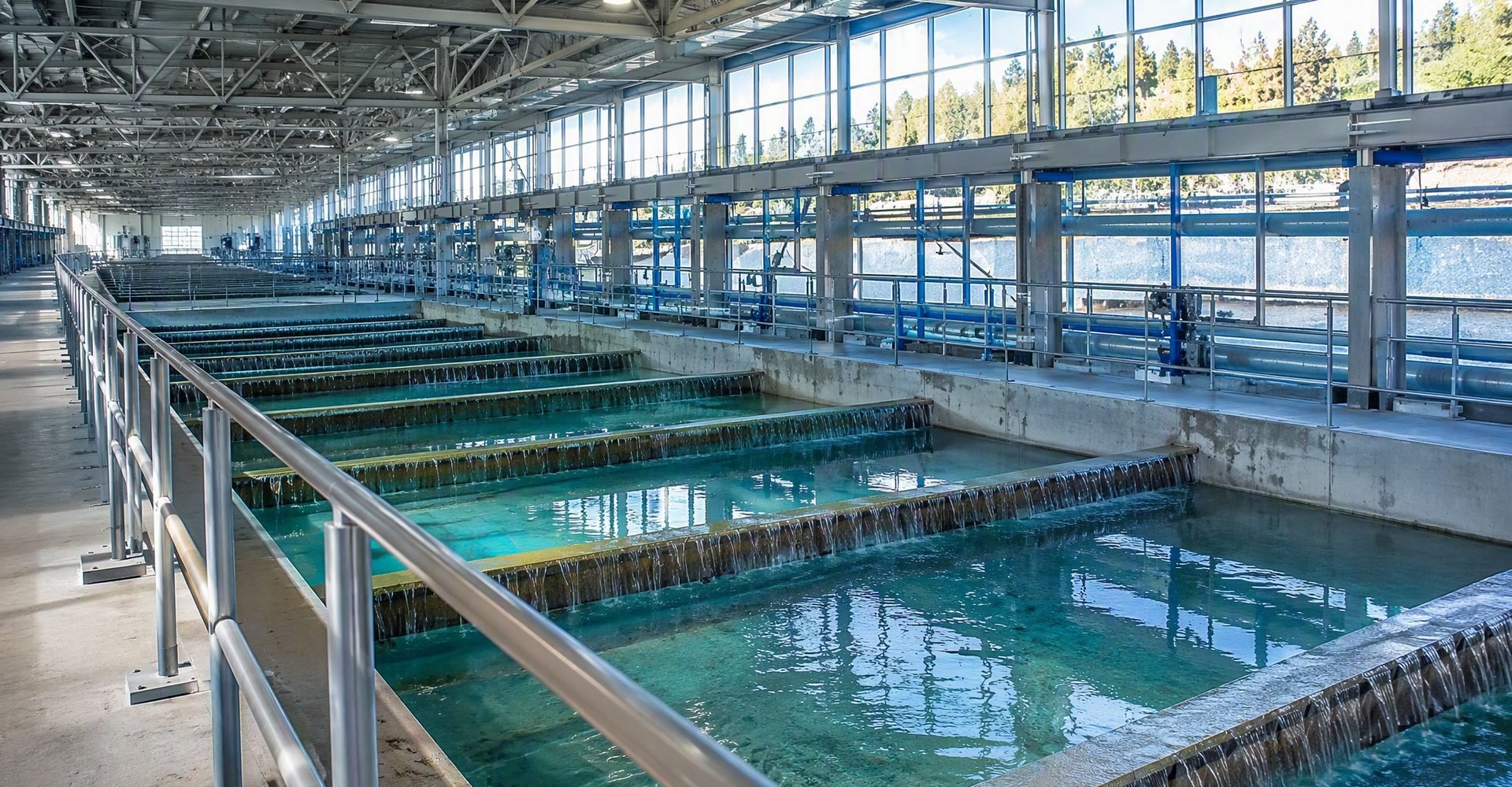
Municipal and tap water monitoring is the continuous online measurement of key safety parameters — turbidity, disinfectant residual and pH — across the drinking water treatment process and at delivery points, ensuring every liter meets drinking water standards before it reaches consumers.
02Your Challenges
Customer Challenges
A compromised filter can pass particles and pathogens. Low-range turbidity is the earliest, most sensitive indicator of filter integrity — but only if measurement stays accurate below 0.1 NTU.
Too little chlorine risks microbial regrowth in the network; too much creates taste complaints and disinfection byproducts. Continuous residual measurement keeps dosing in the safe band.
Storm events and algal seasons change turbidity and pH within hours. Treatment processes need real-time data to adjust coagulation and protect finished water quality.
Utilities must demonstrate continuous compliance to regulators — occasional grab samples leave gaps that continuous, time-stamped online records close.
03What to Measure
Monitoring Parameters & Their Significance
What to measure at each monitoring point — and why it matters for your process.
| Monitoring Point | Parameters | Significance |
|---|---|---|
| Raw water intake | Turbidity, pH | Source water quality assessment and early warning for treatment process protection |
| Coagulation & sedimentation | pH, turbidity | Coagulant dosing optimization and settling performance verification |
| Filtration | Low-range turbidity | Filter integrity verification and breakthrough early warning — the critical barrier control point |
| Clearwell & finished water | Turbidity, free chlorine, pH | Final quality verification before water leaves the plant |
| Pump house & delivery | Free chlorine, turbidity, pH | Delivery quality assurance into the distribution network |
04Engineered for This Scenario
Recommended Products
The instrument configuration our application engineers recommend for each monitoring point.
Treatment process monitoring
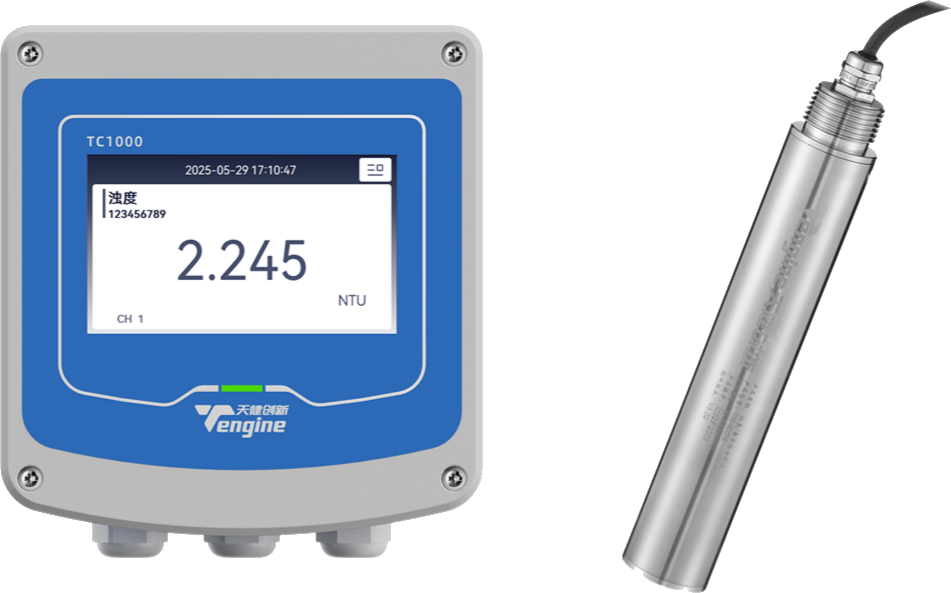
Turbidity / Suspended Solids
TSS Immersion Turbidity / Suspended Solids Analyzer
Dual-angle infrared scattering analyzer for continuous turbidity and suspended solids measurement in wastewater and drinking water processes.
View instrument
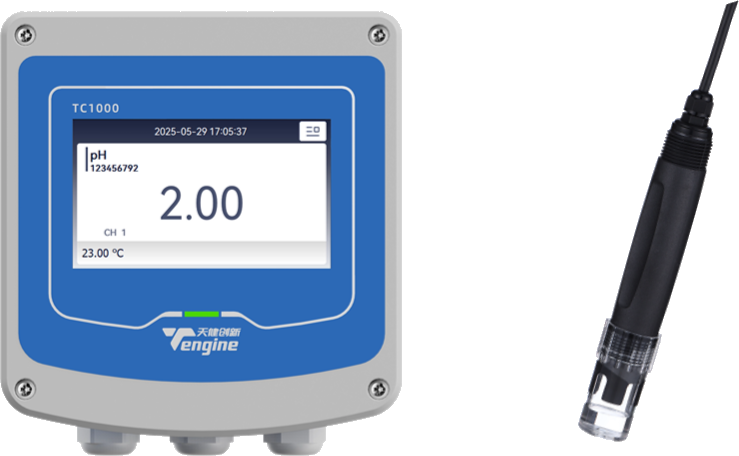
pH
TPH pH Analyzer
Online pH analyzer for continuous process control, neutralization and discharge compliance monitoring.
View instrument
Filtration & finished water
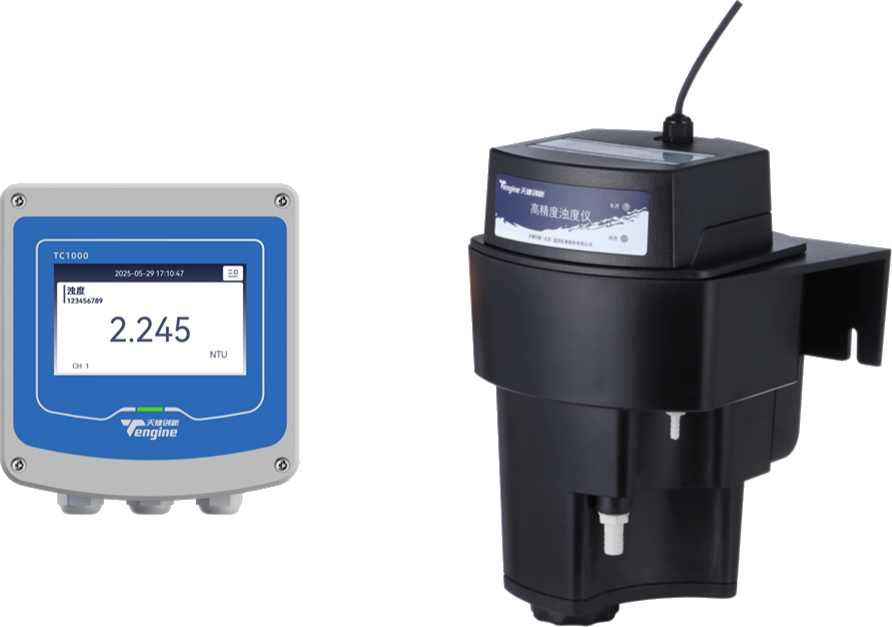
Low-Range Turbidity
MTU High-Precision Turbidity Analyzer
High-precision low-range turbidity analyzer for drinking water treatment and filtration monitoring.
View instrument
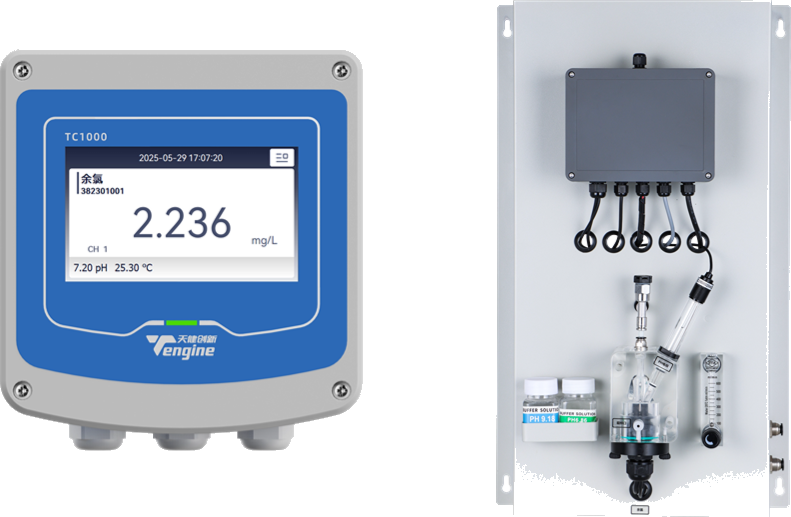
Free Chlorine / ClO₂
FCL Free Chlorine / Chlorine Dioxide Analyzer
Analyzer for free chlorine and chlorine dioxide measurement in disinfection processes.
View instrument
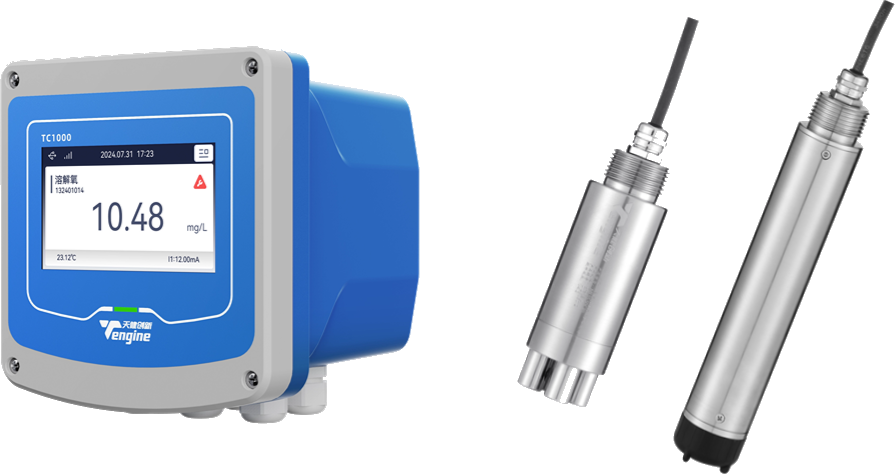
05What You Gain
Customer Benefits
Continuous turbidity and chlorine records provide defensible evidence of treatment performance for regulators and utility management.
Real-time pH and turbidity data guides coagulant and disinfectant dosing — improving quality stability while cutting chemical consumption.
Filter breakthrough and residual loss are detected in minutes, giving operators time to act before water quality is affected.
06Proven in the Field
Project References
All case studies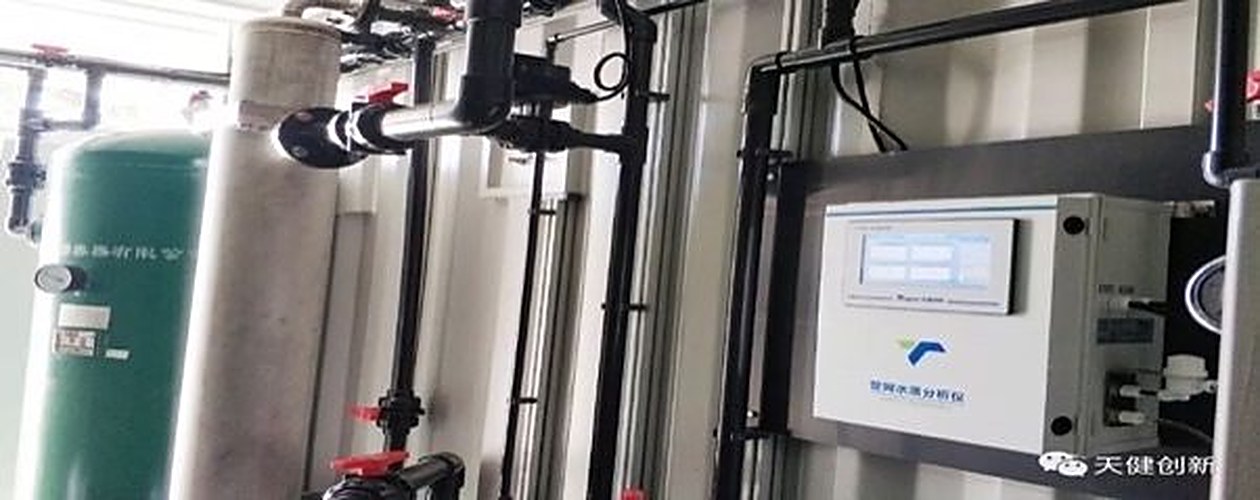
During the pandemic, surface-water chlorine could exceed limits and medical wastewater risked entering drinking-water sources. Conventional monitoring was single-parameter and imprecise, unable to track residual-chlorine risk at the source intake in real time or guarantee compliant, effective disinfection at the outlet — leaving rural residents' drinking-water safety exposed.
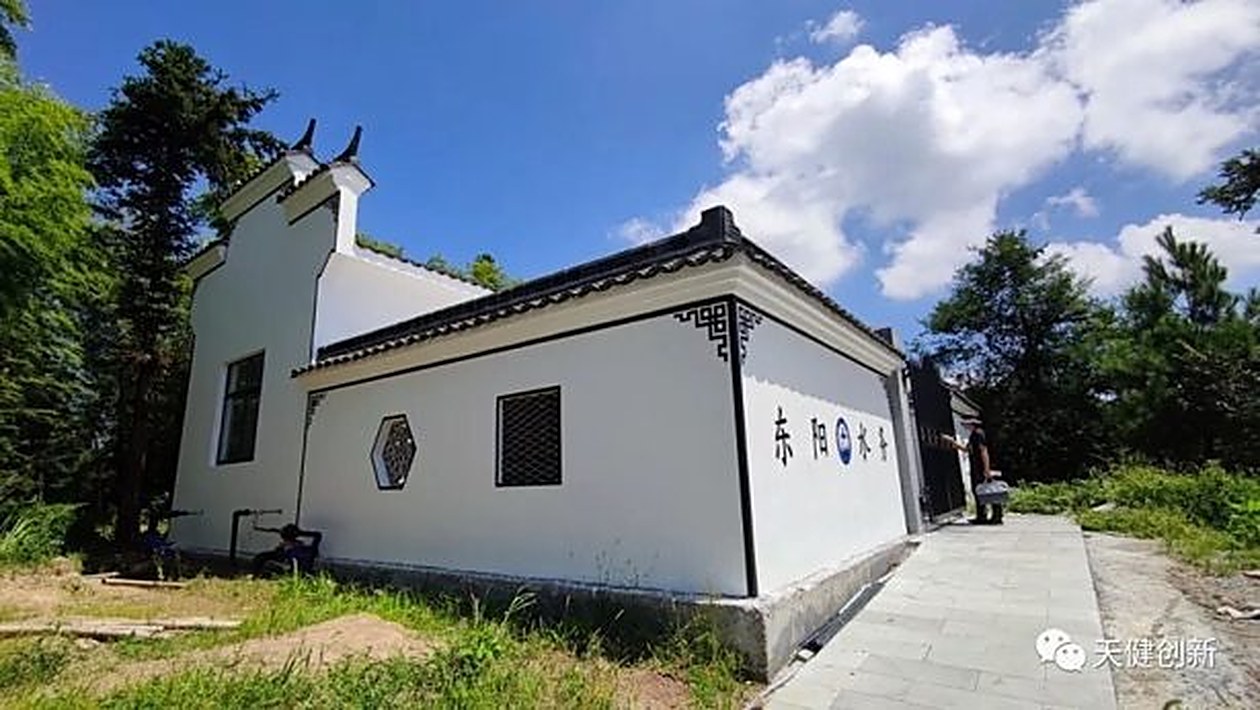
Rural drinking-water supplies are scattered and hard to supervise; conventional testing is intermittent and cannot continuously safeguard water safety at the point of delivery.
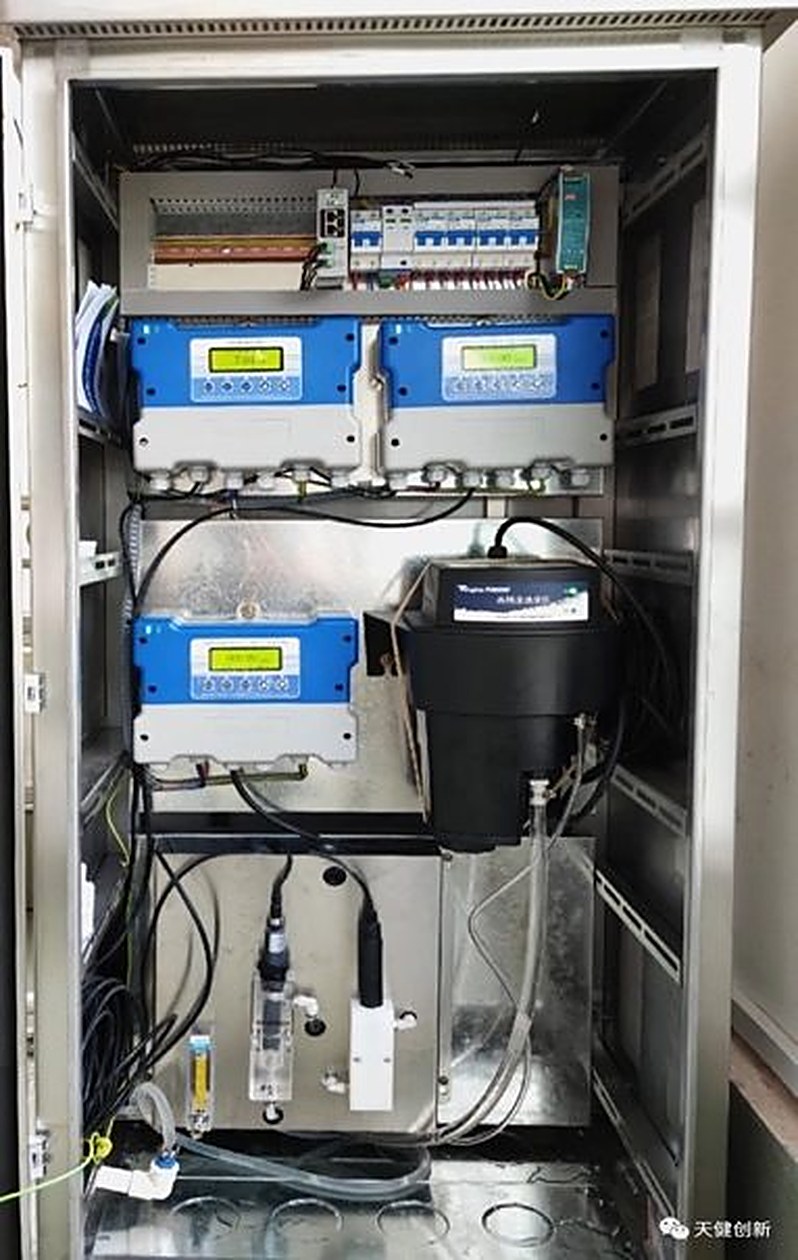
The waterworks needed reliable water-quality assurance across treatment and distribution, but wanted a flexible, modular approach that could be expanded point by point.
07Integration
Communication & System Integration
Frequently Asked Questions
Discuss your municipal & tap water monitoring project with us
Share your monitoring points and required parameters — our application engineers will design a complete configuration for your project.