
Surface Water & Urban Drainage
Urban Drainage Network Monitoring Solutions | Outfall, Level & Flow
See inside the network — manhole-level flow, level and water quality monitoring that catches illegal discharges, locates inflow and infiltration, and keeps stormwater outfalls compliant.
01Definition
What Is Drainage Network Monitoring?
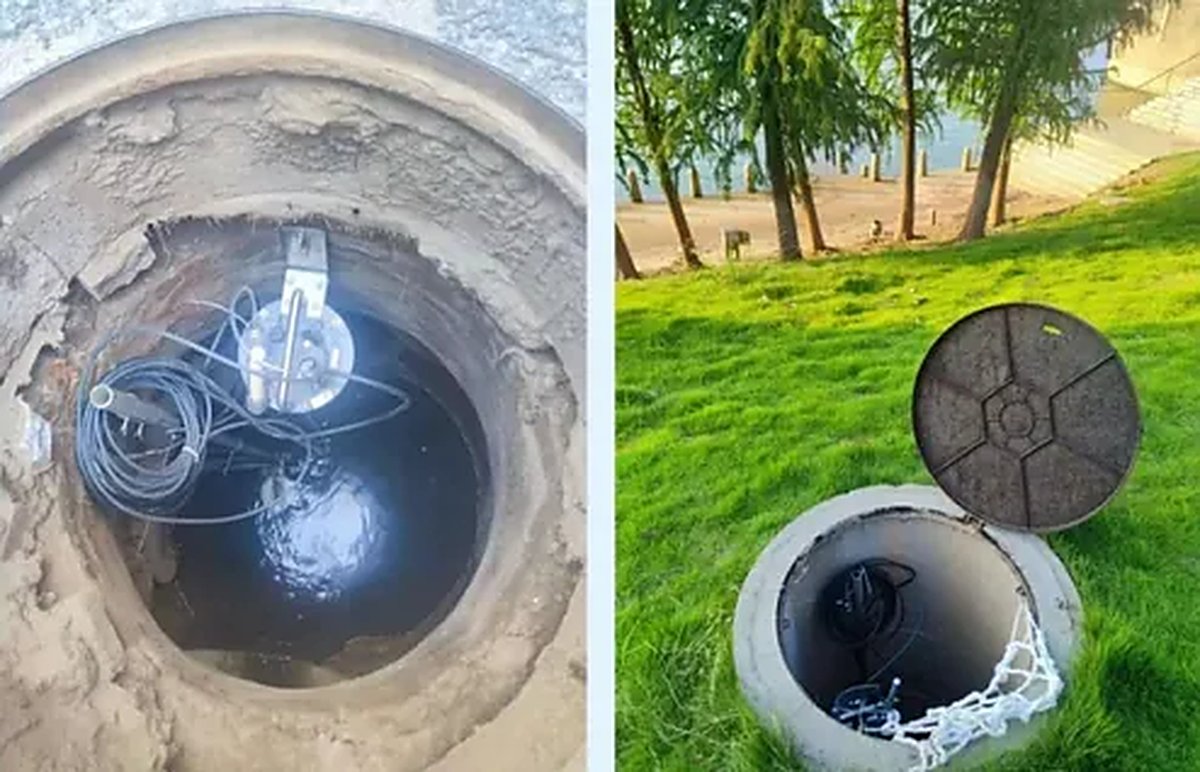
Drainage network monitoring is the continuous measurement of water level, flow and water quality — pH, conductivity and COD — inside urban drainage pipes, manholes, interceptors and outfalls. Battery-powered, IP68 instruments report wirelessly from underground, giving operators a live picture of a network that was previously invisible between inspections.
02Your Challenges
Customer Challenges
Abnormal pH or conductivity spikes at 2 a.m. are invisible to periodic patrols. Continuous monitoring at key manholes catches the event — and preserves timestamped evidence — as it happens.
Manholes flood, corrode and fill with gas. Instruments must survive submersion, run for months on batteries and keep reporting without site visits.
Rainwater entering sewers and sewage entering storm drains overload treatment plants and pollute rivers. Flow and level data pinpoints where clean water is getting in — and where sewage is getting out.
Once an abnormal outfall is found, monitoring must go in within days — not after a months-long installation project.
03What to Measure
Monitoring Parameters & Their Significance
What to measure at each monitoring point — and why it matters for your process.
| Monitoring Point | Parameters | Significance |
|---|---|---|
| Key manholes on trunk sewers | Level, flow | Network operation status, surcharge early warning and inflow / infiltration analysis |
| Stormwater outfalls | pH, conductivity, COD, level | Dry-weather flow and illegal discharge detection with alarm evidence |
| Interceptors & combined system overflows | Level, flow, COD | Overflow event recording and spill frequency assessment |
| Flood interception channels | Level, linked video | Real-time water level watch for urban flood control and drainage dispatch |
04Engineered for This Scenario
Recommended Products
The instrument configuration our application engineers recommend for each monitoring point.
Outfall water quality watch
pH
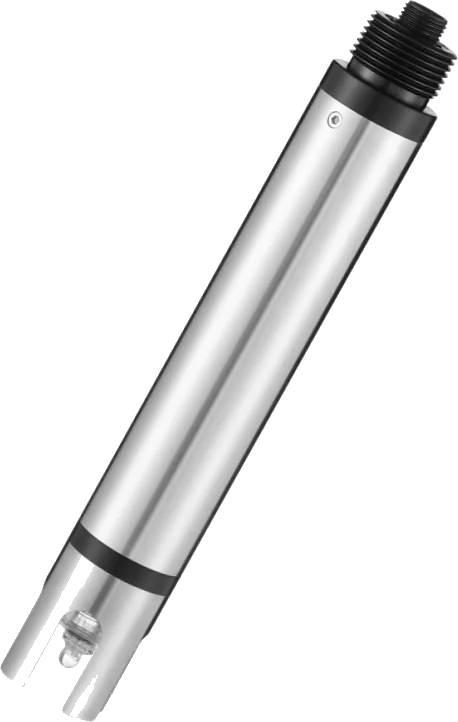
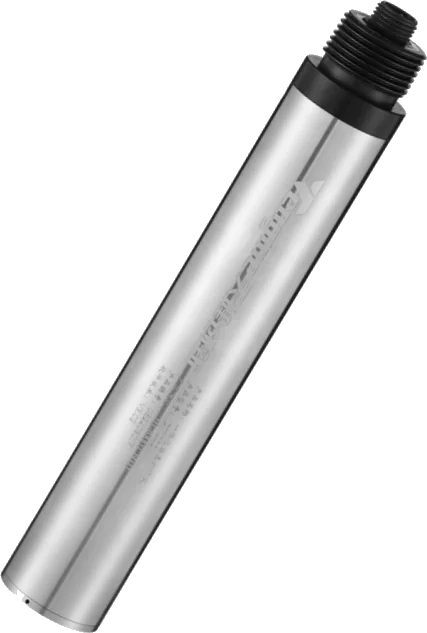
IDP Integrated Digital pH Sensor
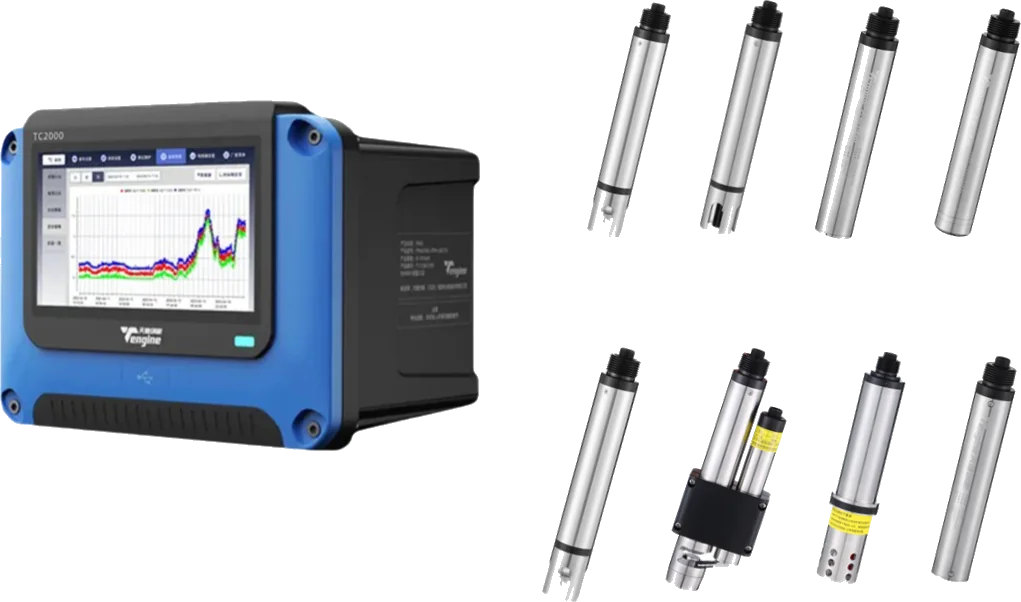
Integrated digital pH sensor with measurement, storage and processing built into the probe — plug-and-play RS485 Modbus networking with TENGINE controllers.
View instrument
Conductivity / TDS / Salinity
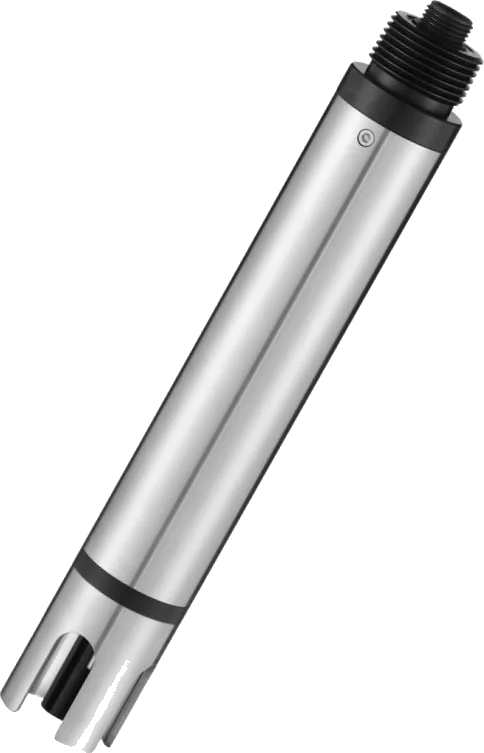
IDC Integrated Digital Conductivity Sensor
Integrated digital conductivity sensor with TDS and salinity conversion — digital Modbus output for process and water quality monitoring.
View instrument
COD / Organics (UV254)
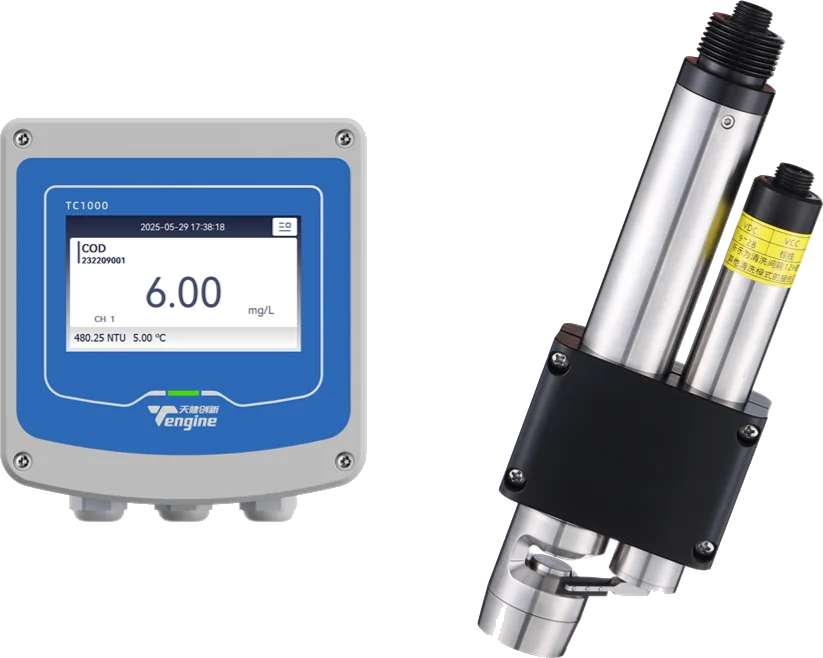
UVC Integrated Online COD Sensor
Reagent-free UV254 absorption COD sensor delivering results within 1 second, with dual-beam turbidity compensation.
View instrument
Flow & turbidity event tracking
05What You Gain
Customer Benefits
Timestamped pH, conductivity and COD anomalies identify when and where abnormal discharge entered the network — evidence that stands up in enforcement.
Battery-powered IP68 instruments install in manholes without excavation and report wirelessly for months — monitoring networks roll out at investigation speed.
Level, flow and quality data from key nodes turns a buried network into a live map with threshold alarms, supporting daily operation and flood-season dispatch.
06Proven in the Field
Project References
All case studies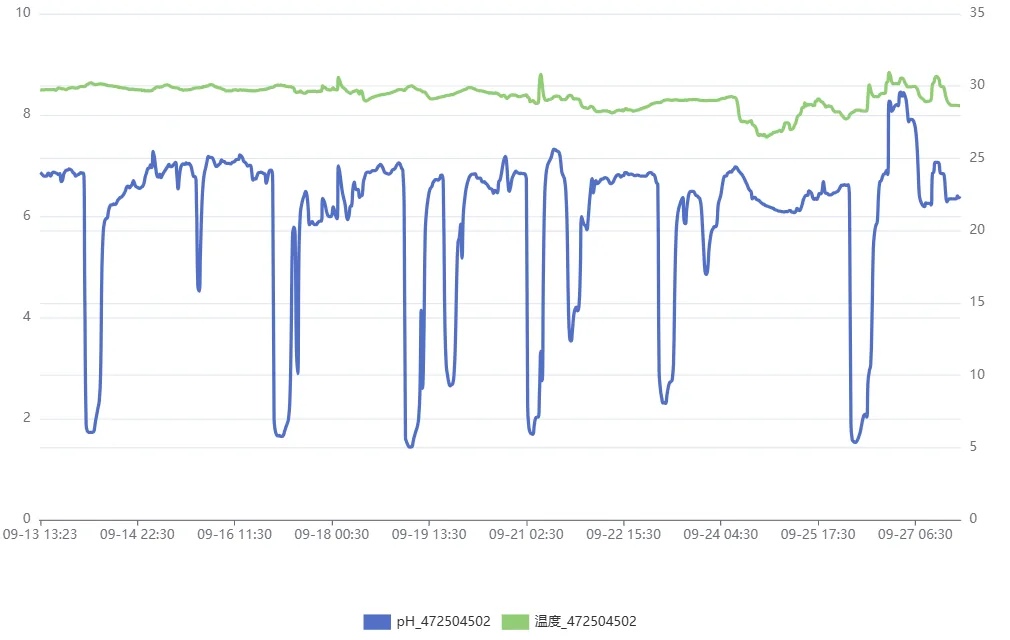
Illegal discharge is hard to catch: it typically happens in the small hours when manual patrols cannot cover; discharge points are scattered and some enterprises use hidden pipes; and without continuous data, regulators only discover pollution after the damage is done.
Downhole environments are cramped and complex, and the city had no real-time monitoring inside the network at all. Instruments had to fit tight wells, resist the conditions, and deliver data reliably from underground.
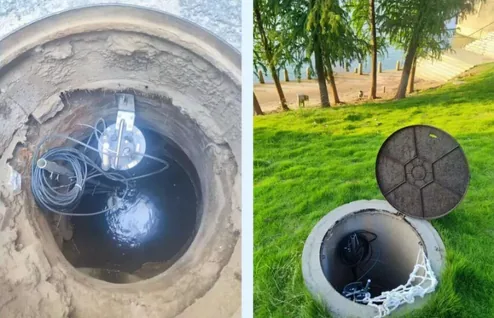
The monitoring points are numerous and sit inside stormwater wells: cramped, harsh underground spaces where installation is difficult. The system had to feed flow, level and conductivity data to the municipal smart supervision platform — with battery power and wireless transmission, since wells have neither.
07Integration
Communication & System Integration
Frequently Asked Questions
Discuss your project with us — Drainage Network Monitoring
Share your monitoring points and required parameters — our application engineers will design a complete configuration for your project.