
Surface Water & Urban Drainage
Surface Water Quality Monitoring Solutions | Rivers, Lakes & Reservoirs
Continuous eyes on rivers, lakes and reservoirs — compact multi-parameter stations and buoys that catch pollution events in minutes and give watershed managers defensible, real-time data.
01Definition
What Is Surface Water Monitoring?
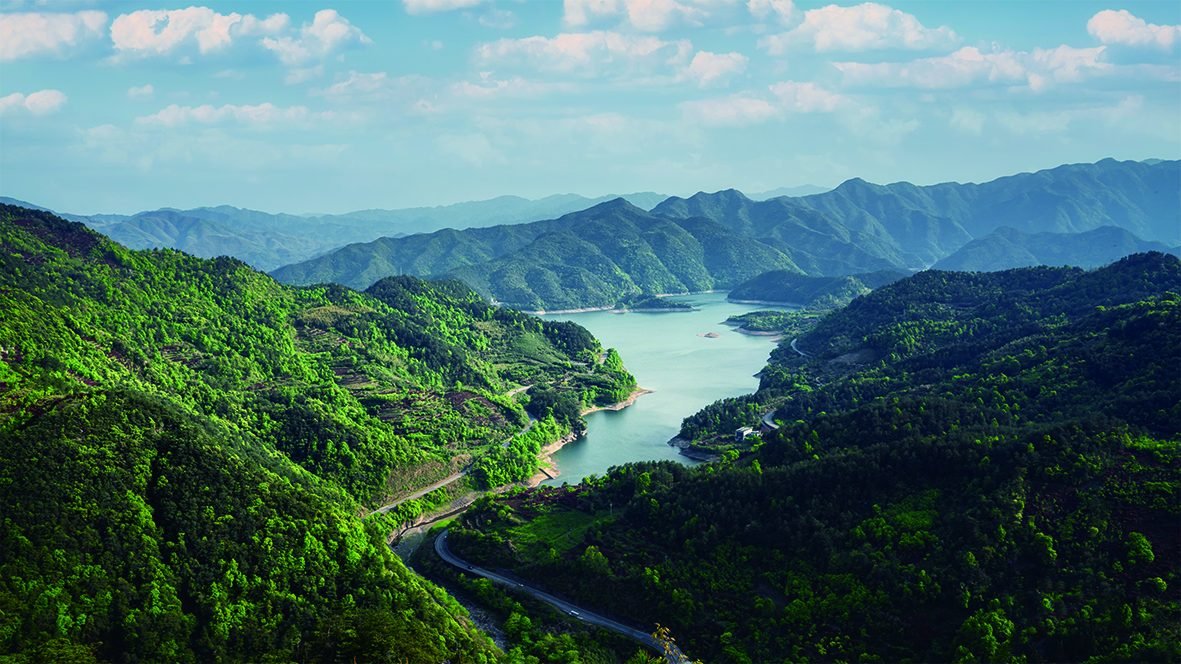
Surface water monitoring is the continuous, in-situ measurement of key water quality parameters — pH, dissolved oxygen, conductivity, turbidity, ammonia nitrogen, organic matter (COD), chlorophyll and blue-green algae — in rivers, lakes, reservoirs and urban waterways. Compact monitoring stations and buoys report wirelessly to a central platform, turning sporadic manual sampling into a real-time early-warning network.
02Your Challenges
Customer Challenges
An illegal discharge or algal bloom can transform a river section overnight. Weekly or monthly grab sampling misses the event entirely; only continuous online monitoring sees it as it happens and preserves the evidence.
River sections and reservoirs rarely offer mains power, shelter or staff. Stations must run on solar power, report wirelessly and hold accuracy for weeks between site visits.
Cross-section water quality assessment and regulatory reporting require continuous, timestamped records — not isolated laboratory results that can be challenged.
Floods, biofouling, sediment and wide seasonal temperature swings destroy delicate analyzers. Field instruments must be rugged, self-cleaning and stable across the seasons.
03What to Measure
Monitoring Parameters & Their Significance
What to measure at each monitoring point — and why it matters for your process.
| Monitoring Point | Parameters | Significance |
|---|---|---|
| River sections & assessment boundaries | pH, dissolved oxygen, conductivity, turbidity, ammonia nitrogen, COD | Continuous cross-section data for water quality assessment, trend analysis and early warning |
| Urban rivers & landscape waterways | Dissolved oxygen, turbidity, COD, ammonia nitrogen | Early warning of black-odor events and pollution incidents in dense urban areas |
| Lakes & reservoirs | Chlorophyll, blue-green algae, dissolved oxygen, pH | Algal bloom early warning and drinking-water source protection |
| Outfalls along the riverbank | pH, COD, turbidity | Detect abnormal discharges into the river and keep timestamped evidence |
| Buoy-based in-situ points | Multi-parameter profiles | Rapid deployment where a shore station is impractical — no civil works required |
04Engineered for This Scenario
Recommended Products
The instrument configuration our application engineers recommend for each monitoring point.
Multi-parameter river-section station
pH
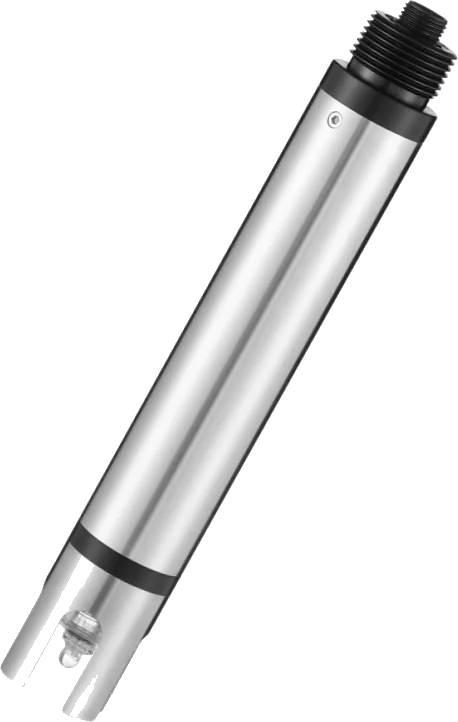
IDP Integrated Digital pH Sensor
Integrated digital pH sensor with measurement, storage and processing built into the probe — plug-and-play RS485 Modbus networking with TENGINE controllers.
View instrument
Dissolved Oxygen
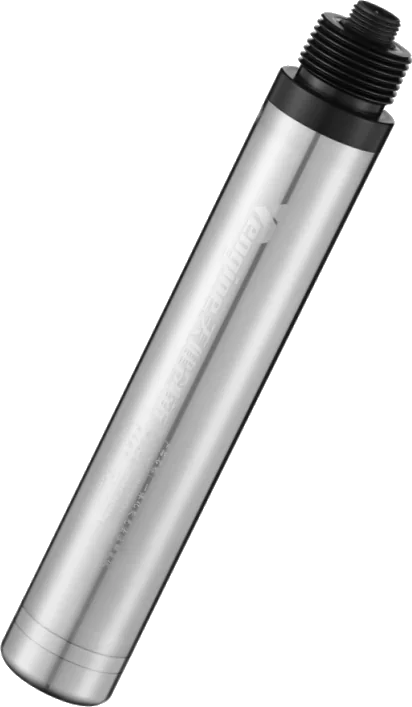
IDO Integrated Digital Dissolved Oxygen Sensor
Integrated digital luminescent dissolved oxygen sensor — no membranes or electrolyte, virtually maintenance-free, with digital Modbus networking.
View instrument
Conductivity / TDS / Salinity
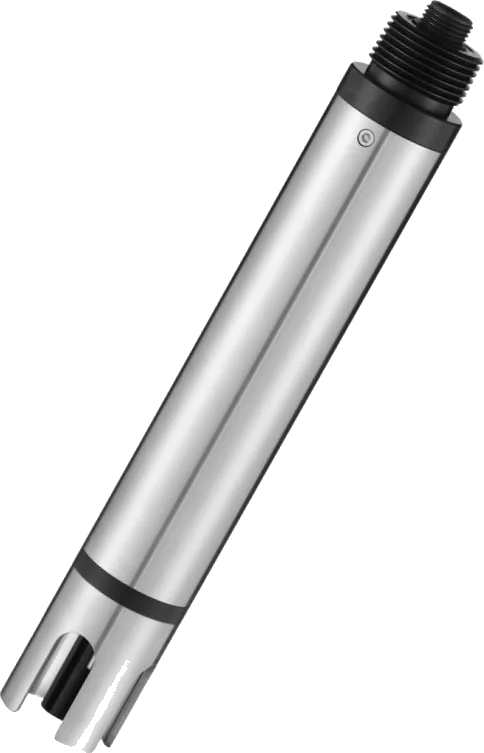
IDC Integrated Digital Conductivity Sensor
Integrated digital conductivity sensor with TDS and salinity conversion — digital Modbus output for process and water quality monitoring.
View instrument
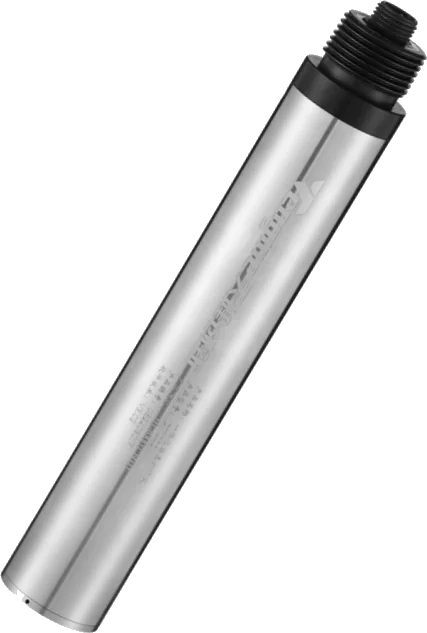
Turbidity
IDT Integrated Digital Turbidity Sensor
Integrated digital turbidity sensor using infrared scattering — self-cleaning option and digital Modbus networking for unattended monitoring points.
View instrument
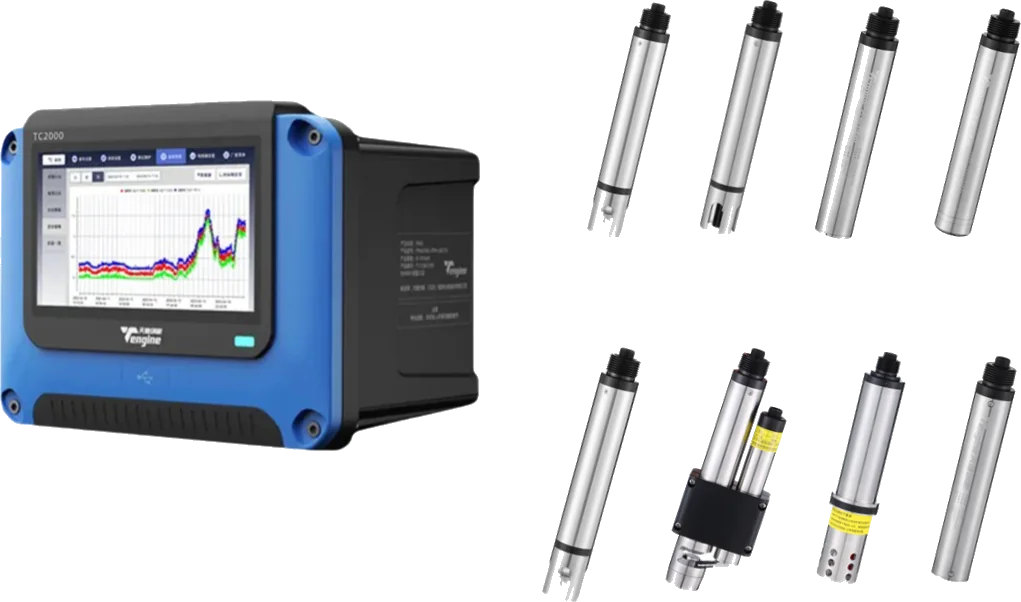
Multi-Parameter Controller
TC2000 Multi-Parameter Controller
Advanced multi-parameter controller for TENGINE digital sensors — multi-channel display, data logging, control outputs and remote transmission for process and compliance monitoring.
View instrument
Pollution early warning
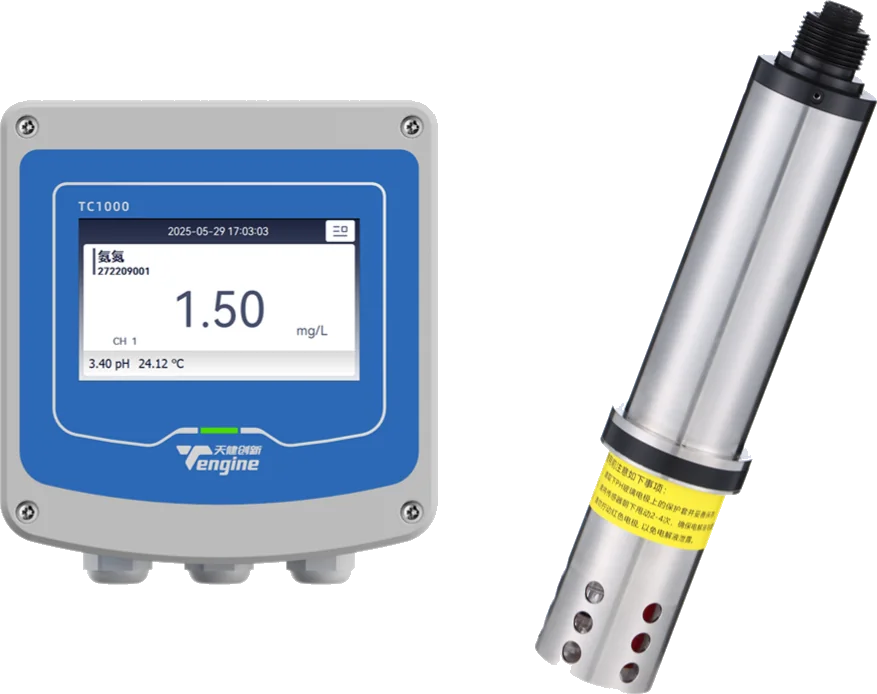
Ammonia Nitrogen
DNH Ammonia Nitrogen Sensor (ISE Method)
Ion-selective electrode ammonia nitrogen sensor for nutrient monitoring in wastewater treatment and surface water.
View instrument
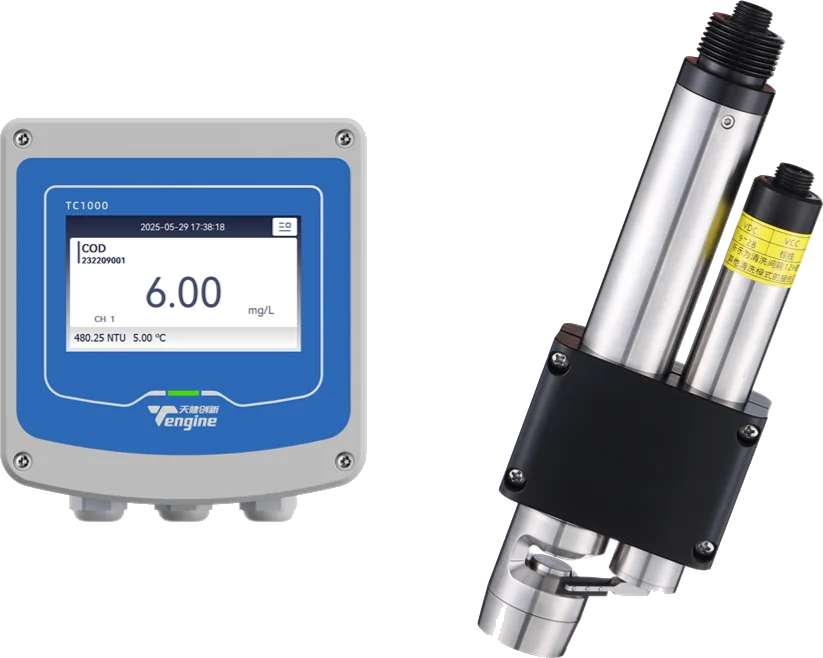
COD / Organics (UV254)
UVC Integrated Online COD Sensor
Reagent-free UV254 absorption COD sensor delivering results within 1 second, with dual-beam turbidity compensation.
View instrument
Algal bloom watch
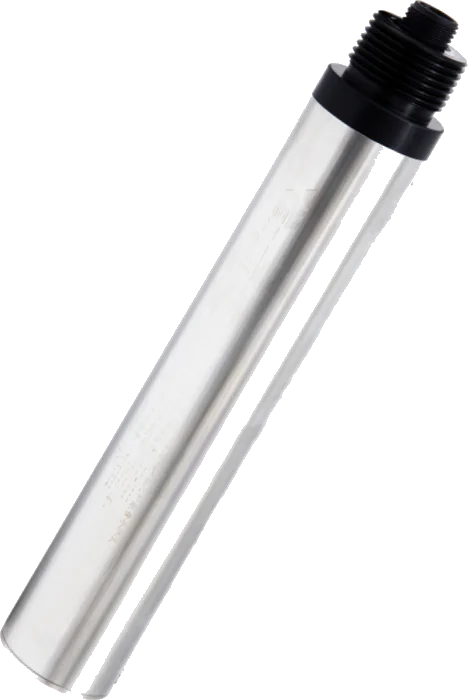
Chlorophyll-a
IDCH Integrated Digital Chlorophyll Sensor
In-situ fluorescence chlorophyll-a sensor for real-time algae growth tracking and eutrophication early warning — no reagents, no lab waiting.
View instrument
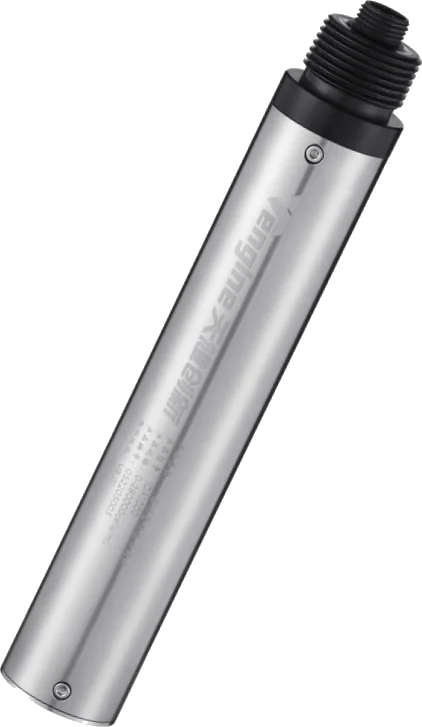
Blue-Green Algae (Cyanobacteria)
IDA Integrated Digital Blue-Green Algae Sensor
Phycocyanin fluorescence sensor for blue-green algae density — early warning of cyanobacteria blooms at drinking water intakes and recreational waters.
View instrument
05What You Gain
Customer Benefits
Ammonia, COD or pH anomalies trigger threshold alarms within minutes — watershed teams respond to events, not to monthly reports.
Compact stations and buoys run on solar power with wireless uplink, holding accuracy for weeks between visits — ideal for remote river sections and reservoirs.
Dozens of stations report to a single platform with threshold alarms and trend views, scaling from one pilot section to a full monitoring network.
06Proven in the Field
Project References
All case studies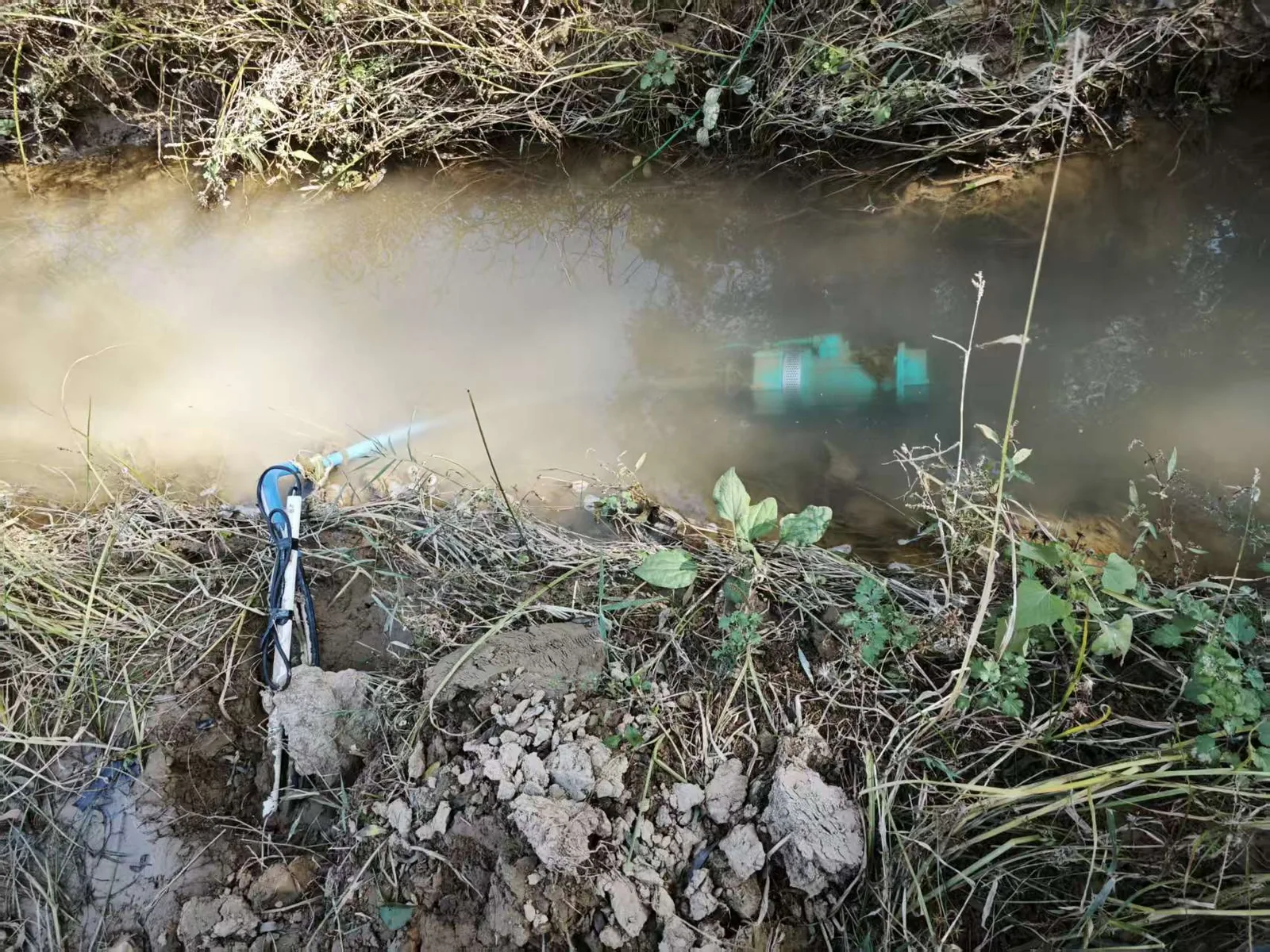
The river basin needed continuous, automated water-quality supervision across multiple points — with the ability to warn of risks before incidents happen, not just record them afterwards. Dispersed sites demanded compact, low-maintenance stations with dependable digital sensing.
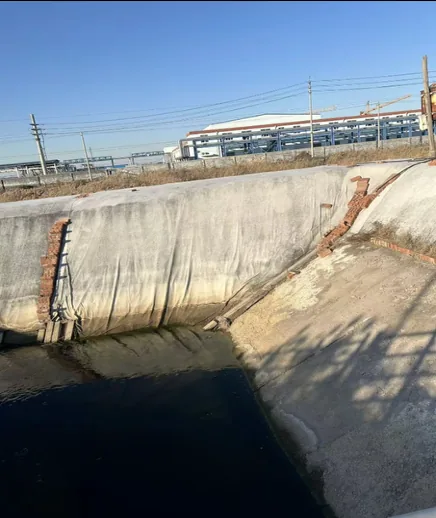
River sites demand equipment that survives outdoor conditions with minimal attention: fast water-sample exchange for truthful readings, long maintenance intervals, and simple installation without buildings or extensive infrastructure.
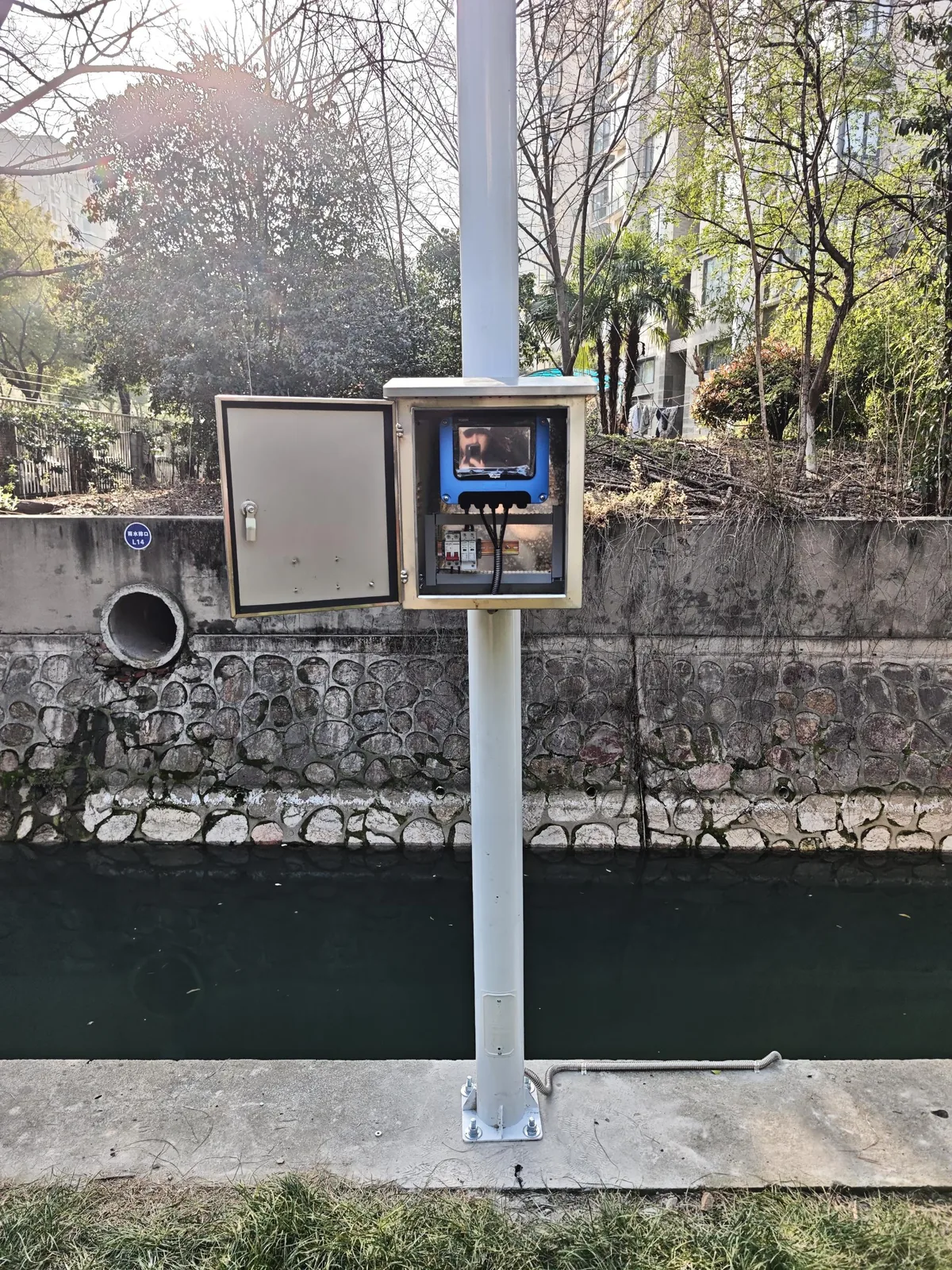
Outfall regulation requires trustworthy, continuous data at the river points downstream of discharge outlets — monitoring COD and ammonia nitrogen where pollution would actually show up, and feeding the district's smart platform for governance decision-making.
07Integration
Communication & System Integration
Frequently Asked Questions
Discuss your project with us — Surface Water Monitoring
Share your monitoring points and required parameters — our application engineers will design a complete configuration for your project.