
River & Urban Water Monitoring
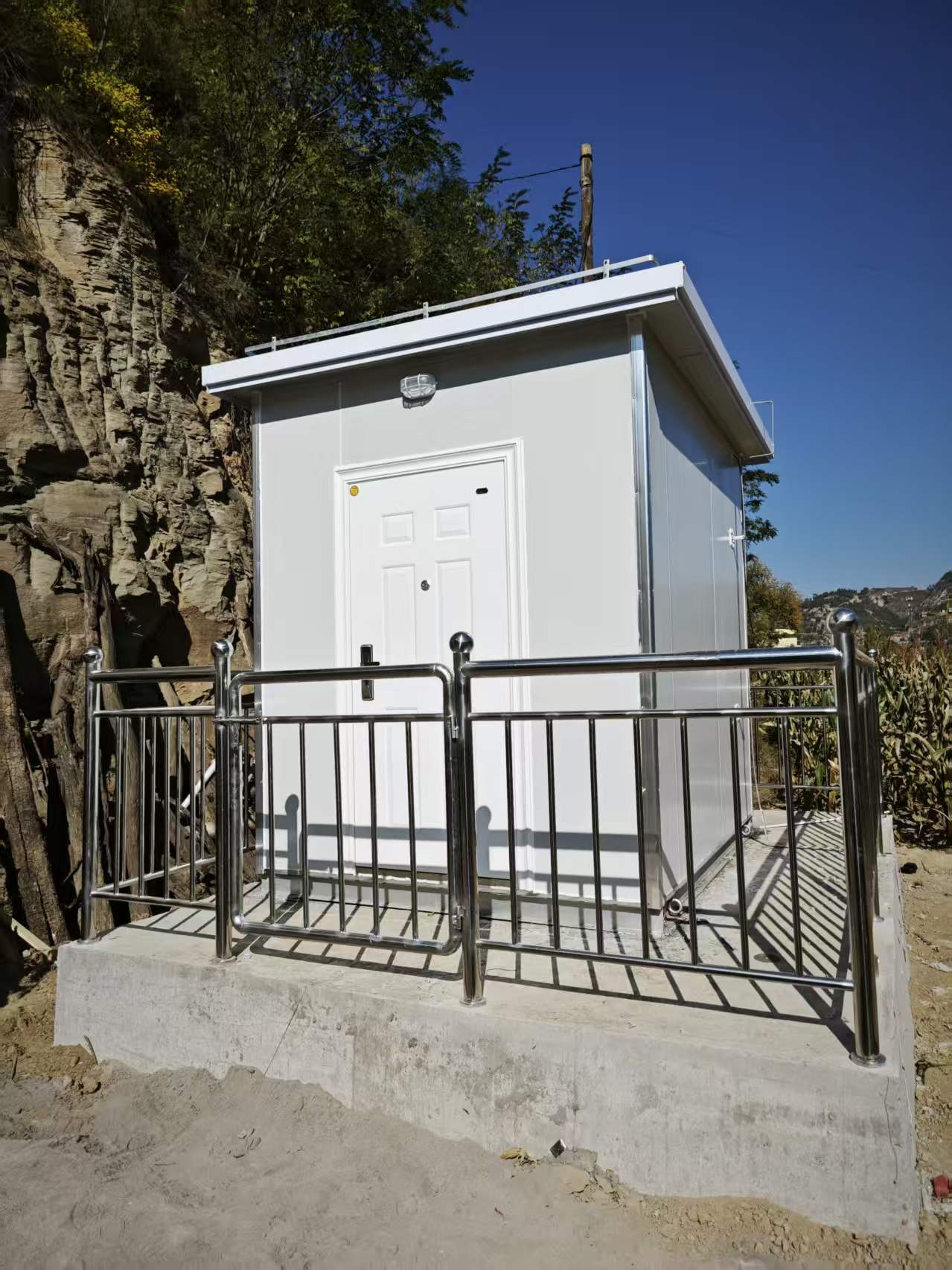
Quchan River Water-Environment Monitoring Network, Shilou County
 1 / 7
1 / 7Project Background
A five-station automated monitoring and early-warning network covering the Quchan River basin.
Customer Challenge
The Quchan River flows through rural, mountainous terrain in Shilou County, where manual sampling could not provide continuous visibility of river water quality. The county needed automated monitoring and early warning across key river sections — including tributary confluences and village boundaries — to detect pollution events before they spread downstream.
The TENGINE Solution
Five water-quality monitoring and early-warning stations along the Quchan River — Longjiaokou, Lanjiagou, Ganhe Tributary, Quchan River Hujiayu and Jiaochakou Village. Each station runs a full set of integrated digital sensors (pH, Dissolved Oxygen, Conductivity, Turbidity, Ammonia Nitrogen and UV254 Organic Matter/COD) built around MWM micro water-quality monitoring & early-warning stations, with automatic data transmission for basin-wide analysis.
Implementation
Five MWM micro-stations were installed at the selected river sections, each integrating IDP, IDO, IDC, IDT, IDNH and IUVC digital sensors in a compact, low-maintenance cabinet with automatic sampling and real-time data upload to the county's monitoring platform.
Project Results
The Quchan River now has continuous, automated monitoring and early warning across its key sections. The county gained multi-point automatic water-quality monitoring and intelligent basin analysis — shifting from after-the-fact sampling to advance warning and risk prediction.
Related Case Studies
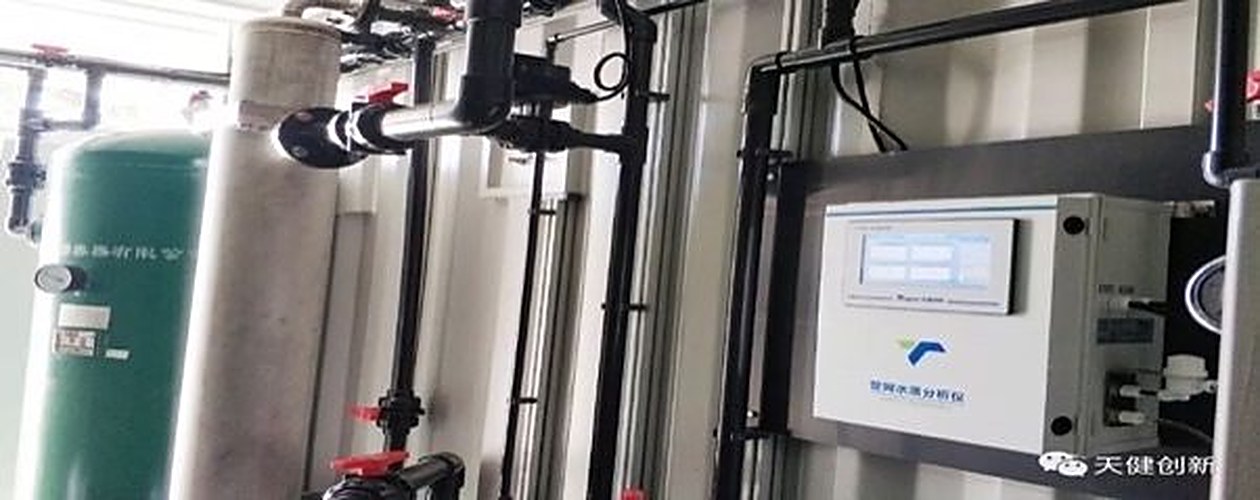
During the pandemic, surface-water chlorine could exceed limits and medical wastewater risked entering drinking-water sources. Conventional monitoring was single-parameter and imprecise, unable to track residual-chlorine risk at the source intake in real time or guarantee compliant, effective disinfection at the outlet — leaving rural residents' drinking-water safety exposed.
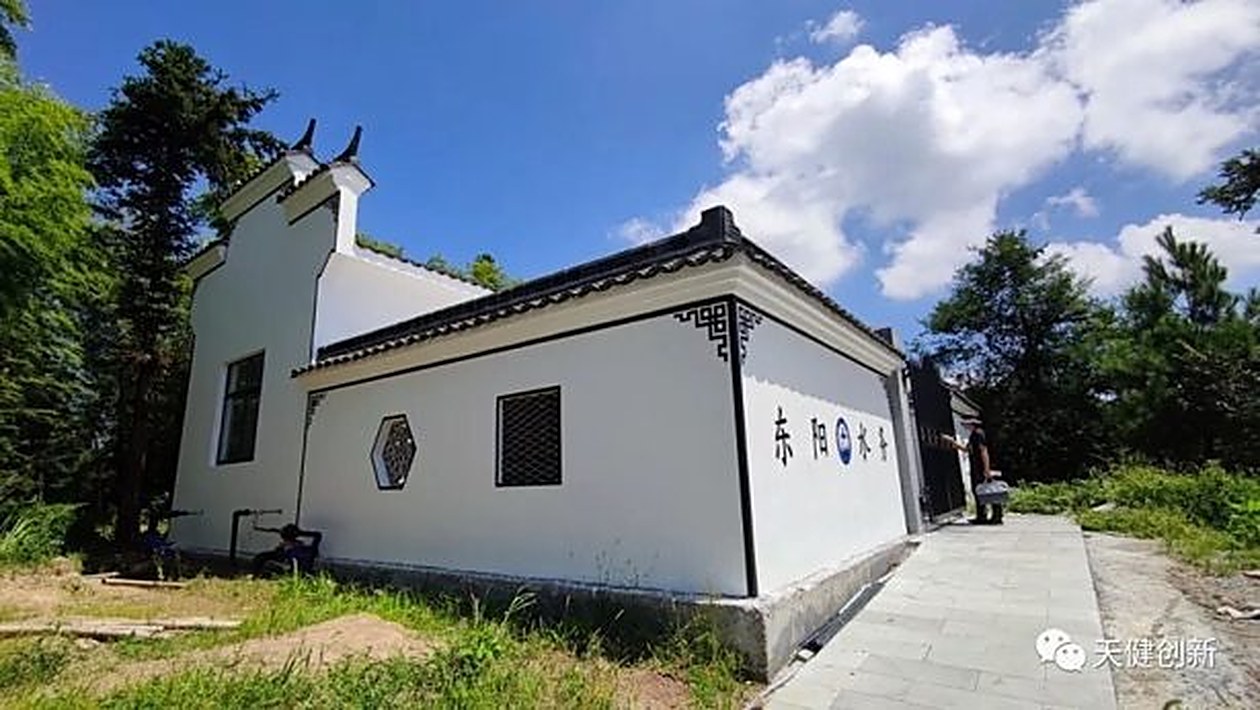
Rural drinking-water supplies are scattered and hard to supervise; conventional testing is intermittent and cannot continuously safeguard water safety at the point of delivery.
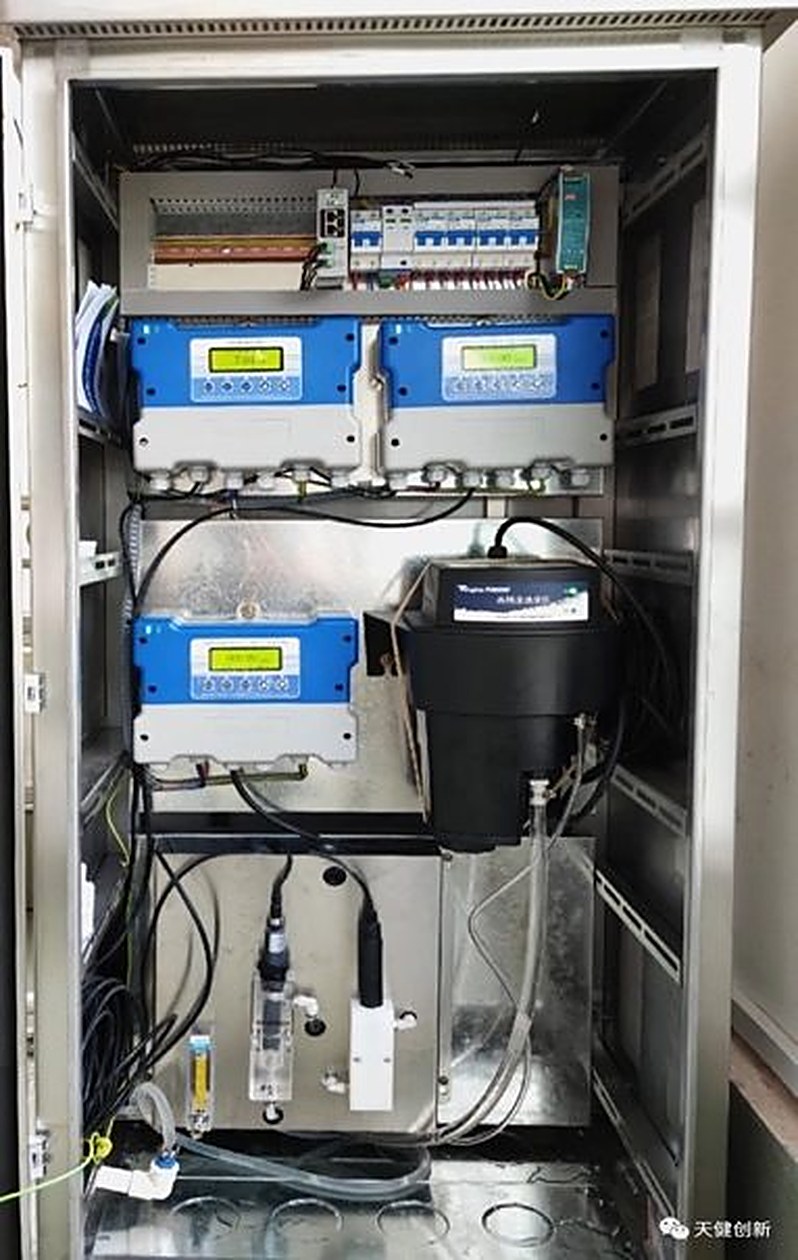
The waterworks needed reliable water-quality assurance across treatment and distribution, but wanted a flexible, modular approach that could be expanded point by point.
Facing a similar monitoring challenge?
Tell us about your application — our engineers will reference this project experience and design a solution for your site.