
Rural Drinking Water Safety
Emergency Residual-Chlorine Monitoring for Rural Drinking Water
 1 / 2
1 / 2Project Background
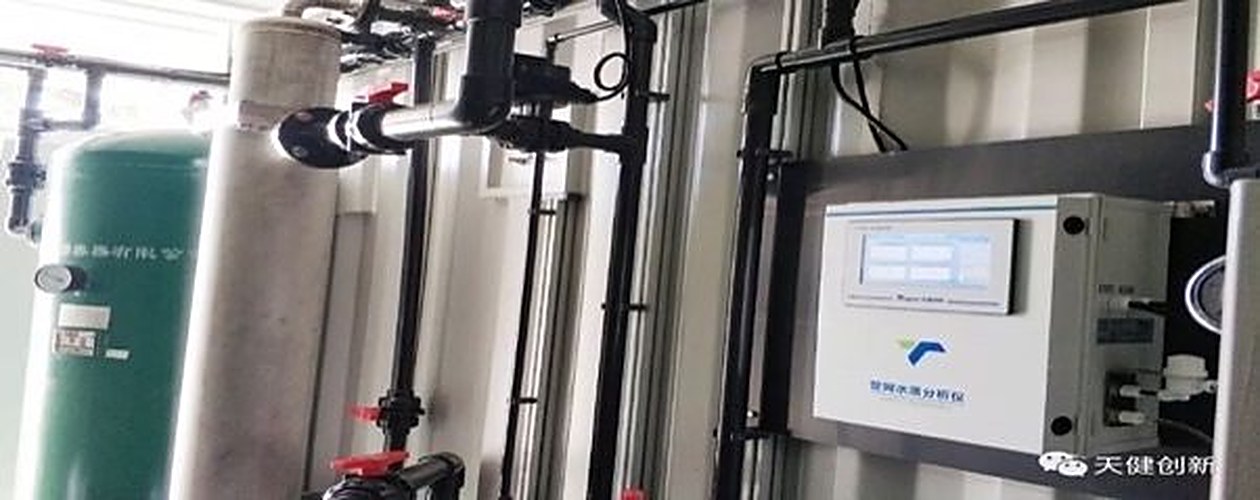
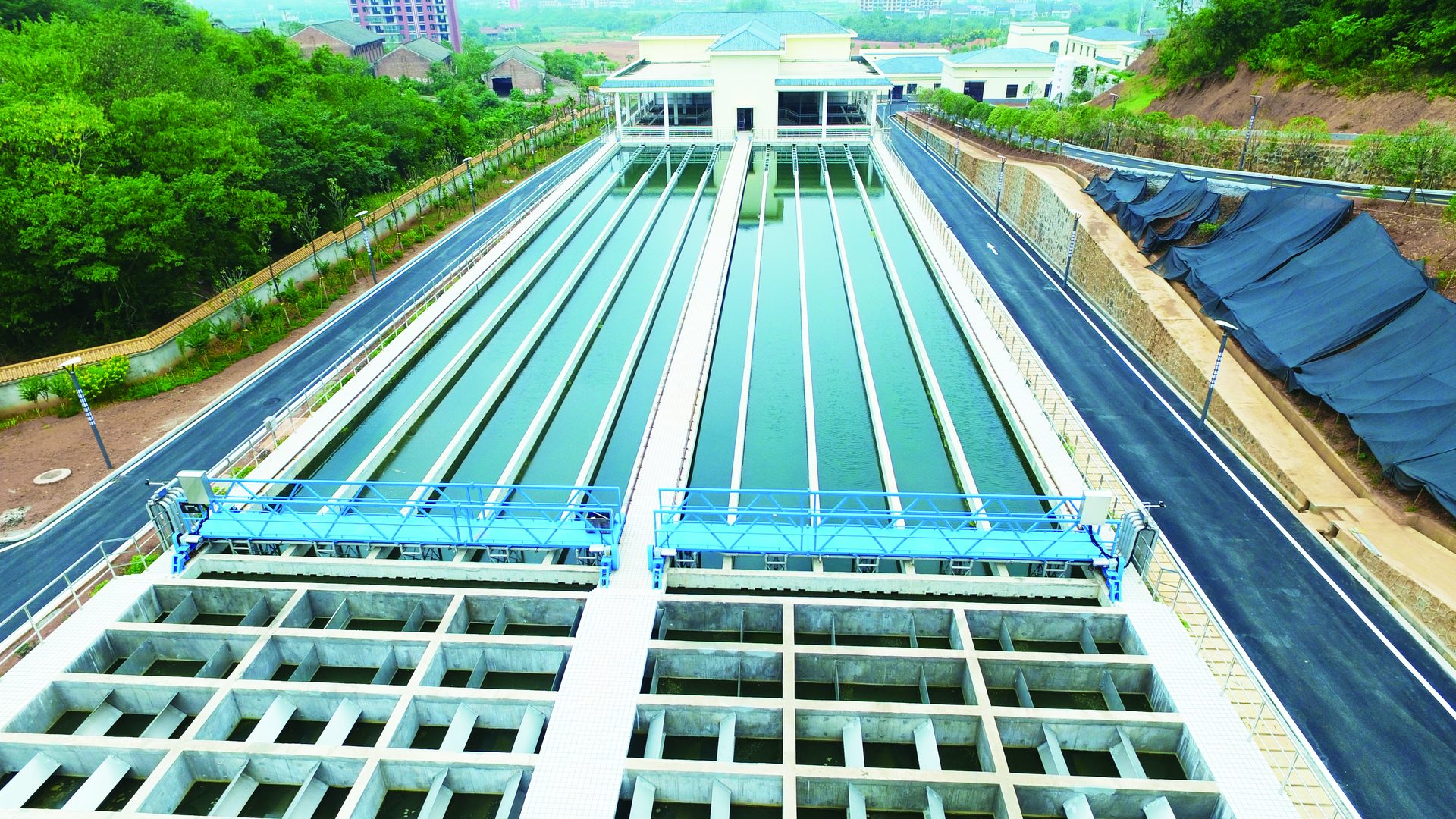
Rural drinking-water source intake and supply outlet monitoring.
Customer Challenge
During the pandemic, surface-water chlorine could exceed limits and medical wastewater risked entering drinking-water sources. Conventional monitoring was single-parameter and imprecise, unable to track residual-chlorine risk at the source intake in real time or guarantee compliant, effective disinfection at the outlet — leaving rural residents' drinking-water safety exposed.
The TENGINE Solution
Monitoring parameters: Free Chlorine, Turbidity, pH, Temperature.
Implementation
FCL Free Chlorine / Chlorine Dioxide Analyzer, MTU High-Precision Turbidity Analyzer, TPH pH Analyzer, TC2000 Multi-Parameter Intelligent Controller.
Project Results
Real-time multi-parameter monitoring secured source-intake risk control and compliant outlet disinfection, meeting emergency drinking-water safety standards during the pandemic and protecting rural residents' drinking water.
Related Case Studies
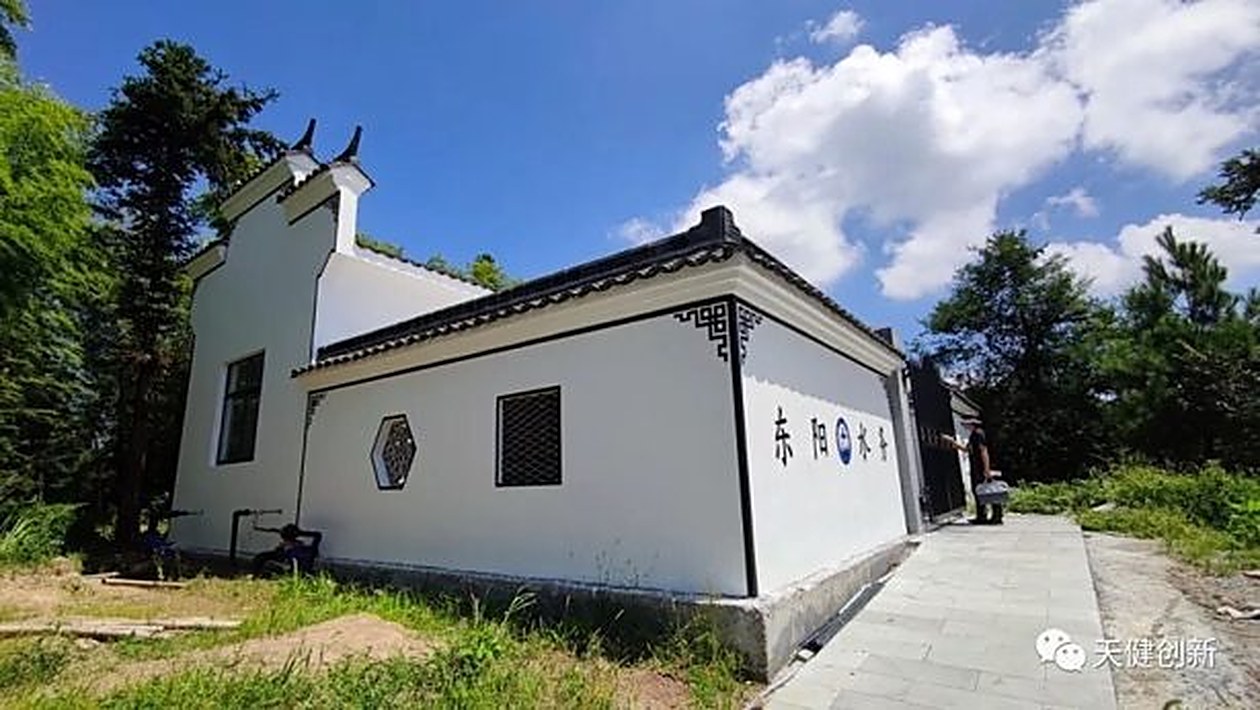
Rural drinking-water supplies are scattered and hard to supervise; conventional testing is intermittent and cannot continuously safeguard water safety at the point of delivery.
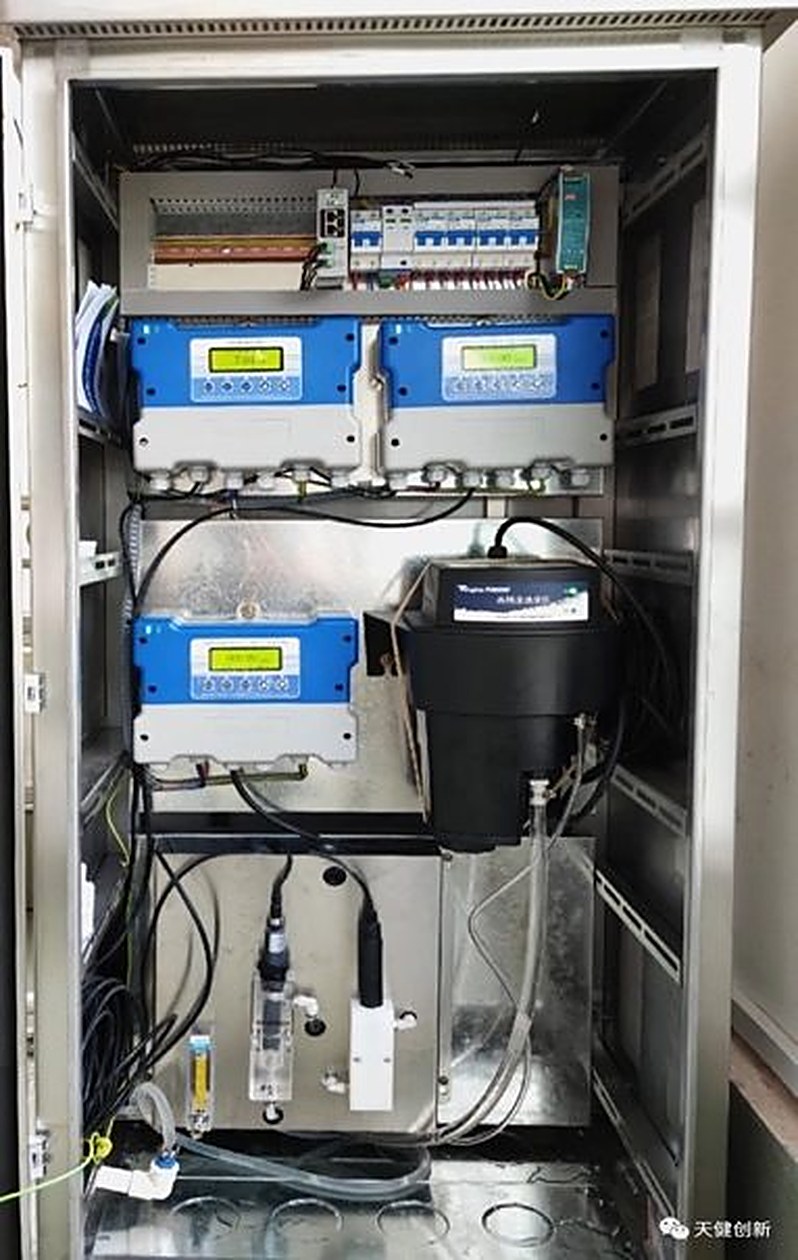
The waterworks needed reliable water-quality assurance across treatment and distribution, but wanted a flexible, modular approach that could be expanded point by point.
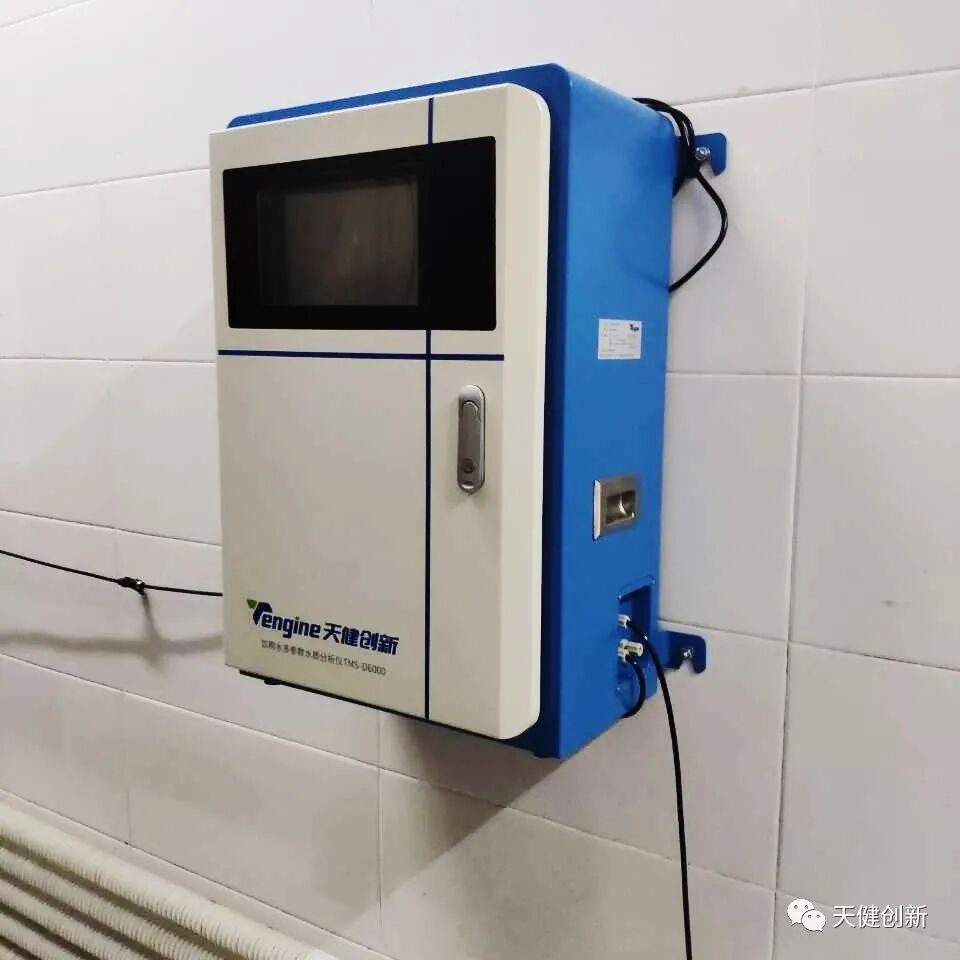
The waterworks wanted a compact, unified monitoring setup that would simplify installation, cabling and daily operation across multiple parameters.
Facing a similar monitoring challenge?
Tell us about your application — our engineers will reference this project experience and design a solution for your site.