
Water Treatment Plant Monitoring
Source-Water Early Warning for a Water Plant in Xi'an Aerospace City
 1 / 2
1 / 2Project Background
From passive response to proactive sensing — upstream source-water monitoring moves the safety line forward for a drinking-water plant.
Customer Challenge
The plant's raw water comes from an upstream reservoir whose quality swings constantly: sediment wash-in from rainstorms, summer algae blooms and organic-matter spikes, drought-period changes. Worse, by the time abnormal water reached the plant intake and was detected, several hours had already passed — the best window for response was gone.
The TENGINE Solution
An online water-quality monitoring station was deployed at the management site 2–3 km upstream of the plant, working in tandem with a carbon-source dosing unit. COD, Ammonia Nitrogen, Turbidity and Dissolved Oxygen are monitored continuously and uploaded to TENGINE's cloud platform in real time. Threshold exceedances trigger automatic SMS alarms; rising COD triggers automatic carbon dosing for pretreatment; in extreme events the plant is notified immediately to switch water sources.
Implementation
IUVC COD, IDNH ammonia-nitrogen, IDT turbidity and IDO dissolved-oxygen sensors installed at the upstream station, connected to the cloud platform with threshold alarms and interlocked with the carbon-source dosing system for closed-loop early warning and response.
Project Results
During the late-August flood season this year, the system issued multiple successful early warnings through heavy rainstorms — the plant completed treatment adjustments at the earliest stage of water-quality deterioration, keeping downstream production stable. The safety line moved upstream: from passive response to proactive sensing.
Related Case Studies
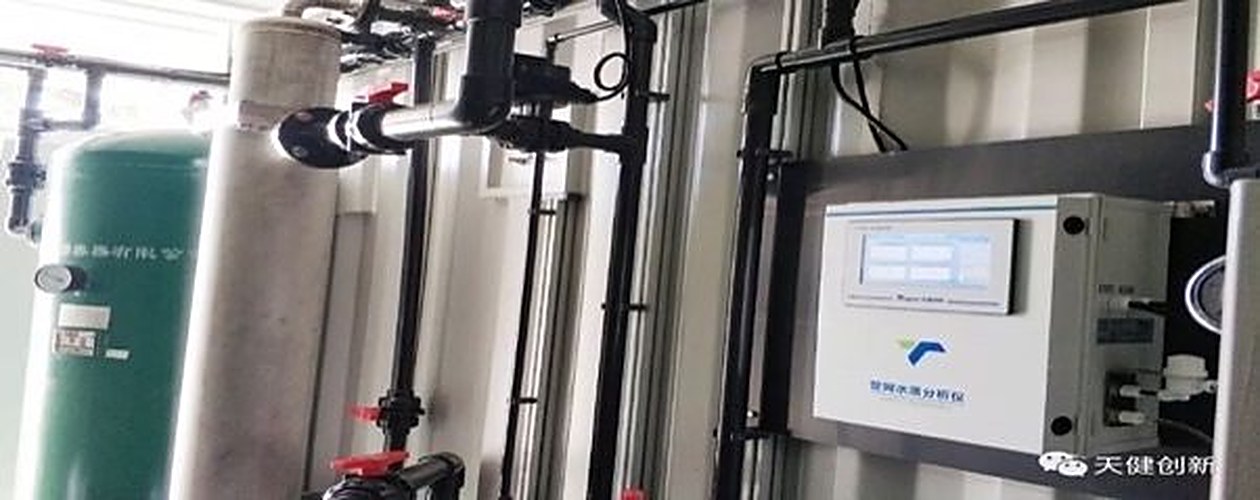
During the pandemic, surface-water chlorine could exceed limits and medical wastewater risked entering drinking-water sources. Conventional monitoring was single-parameter and imprecise, unable to track residual-chlorine risk at the source intake in real time or guarantee compliant, effective disinfection at the outlet — leaving rural residents' drinking-water safety exposed.
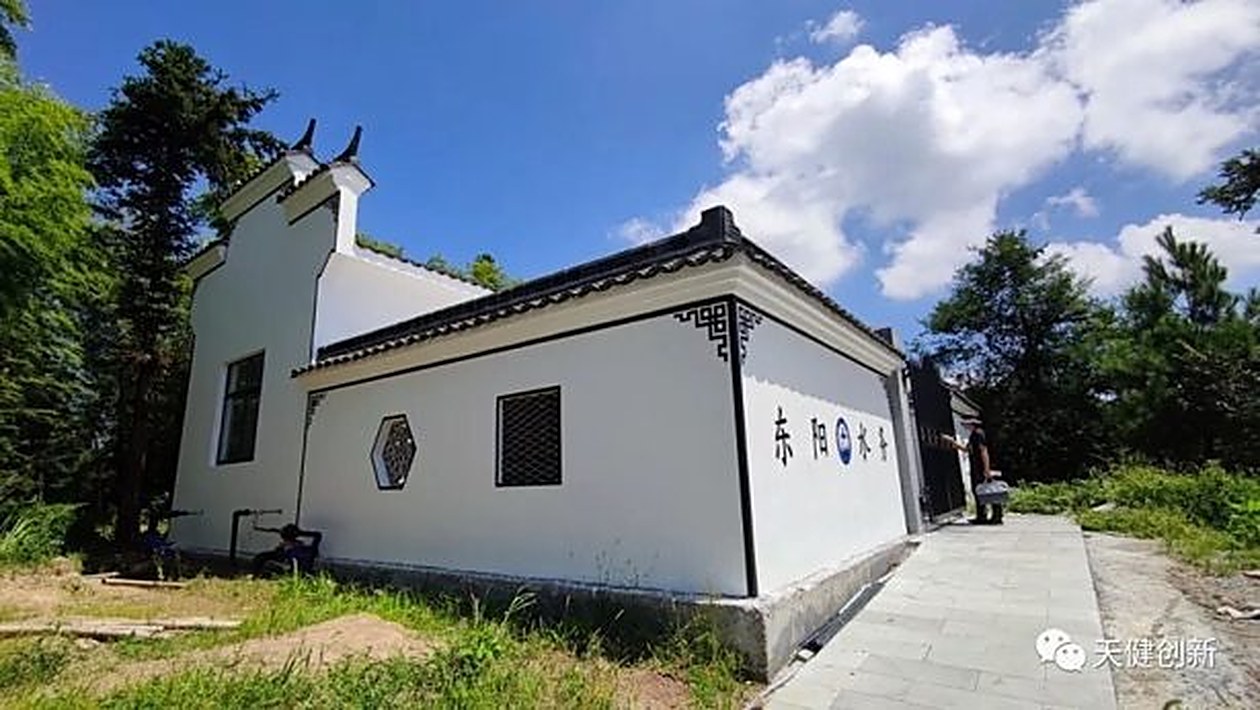
Rural drinking-water supplies are scattered and hard to supervise; conventional testing is intermittent and cannot continuously safeguard water safety at the point of delivery.
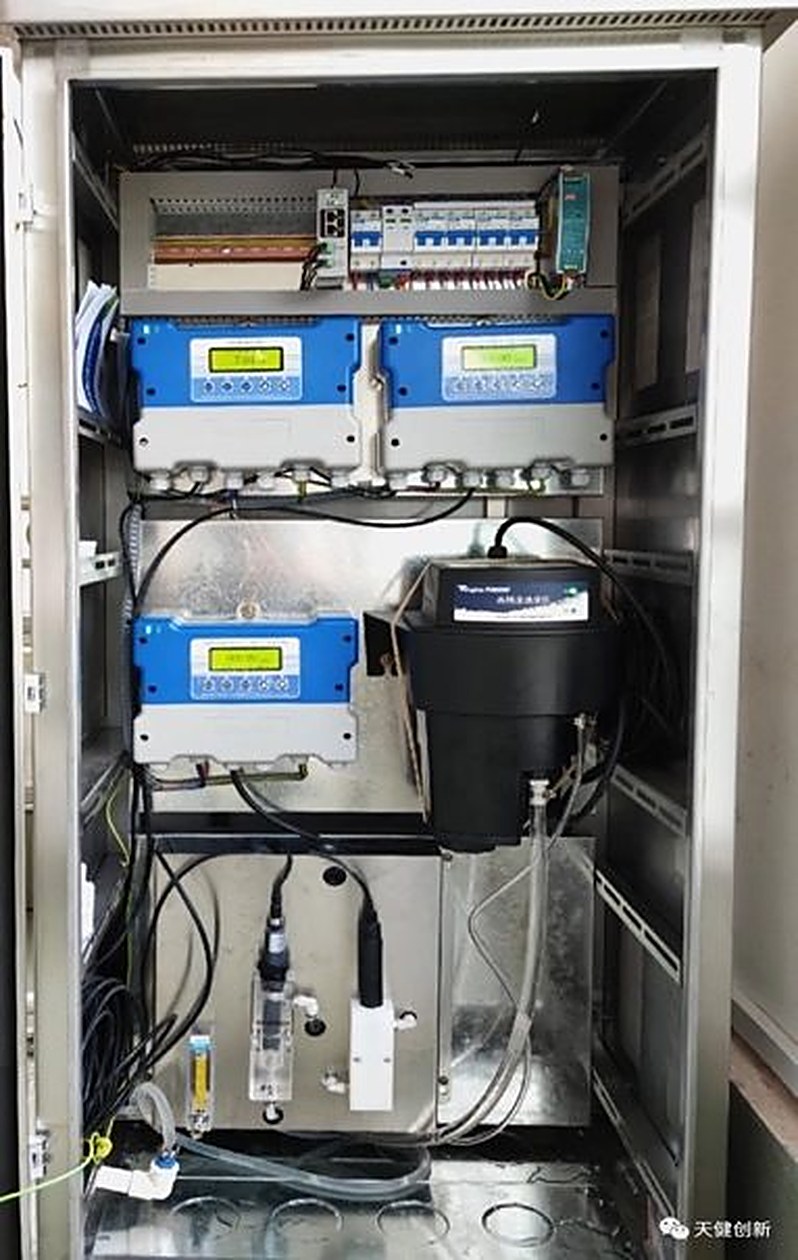
The waterworks needed reliable water-quality assurance across treatment and distribution, but wanted a flexible, modular approach that could be expanded point by point.
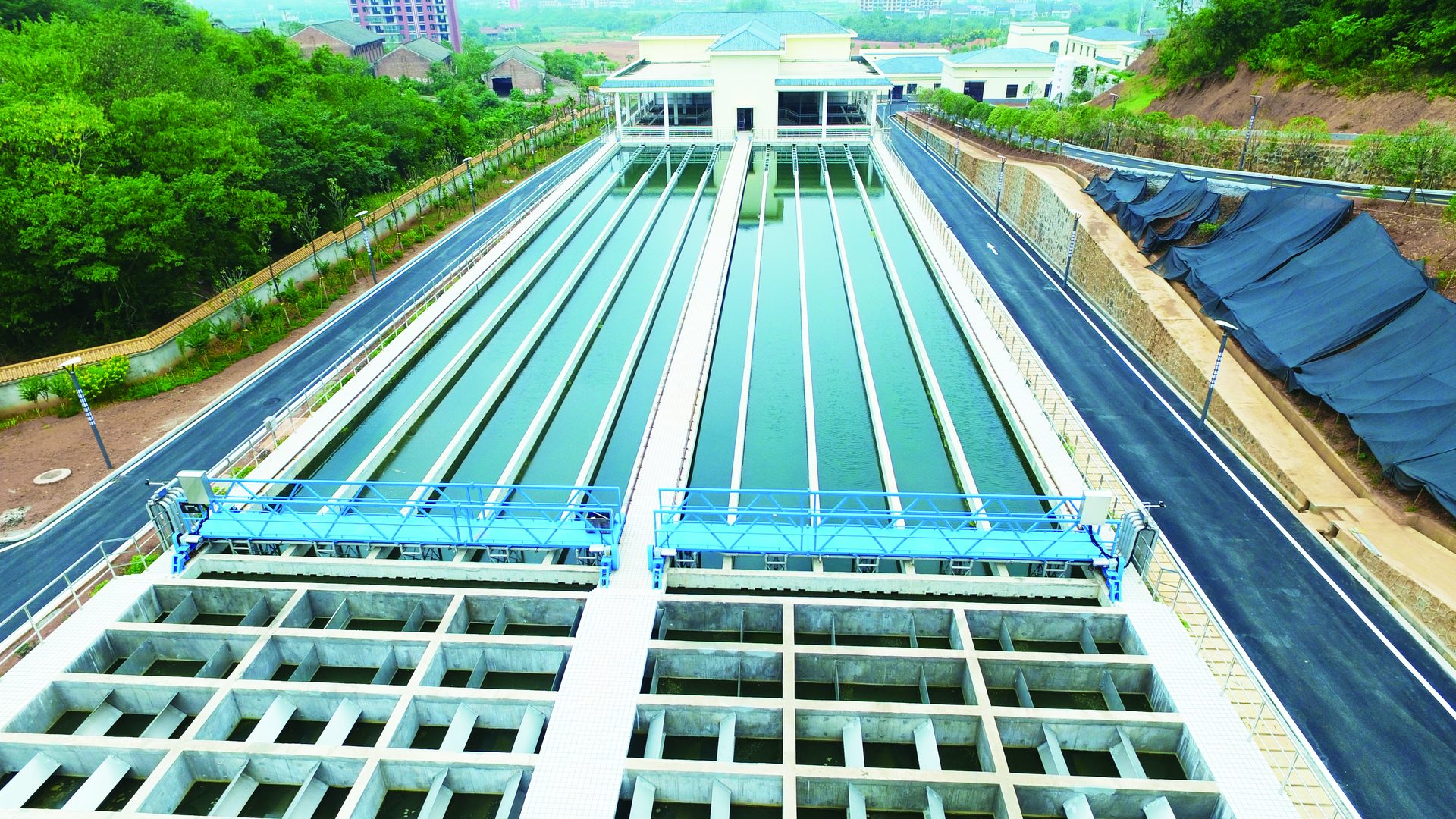
Facing a similar monitoring challenge?
Tell us about your application — our engineers will reference this project experience and design a solution for your site.