
Drinking Water & Water Supply
Secondary Water Supply Quality Monitoring Solutions
Close the last-mile gap in drinking water safety — compact multi-parameter monitoring at pump rooms and building supply points, exactly where water quality is most easily compromised.
01Definition
What Is Secondary Water Supply Monitoring?
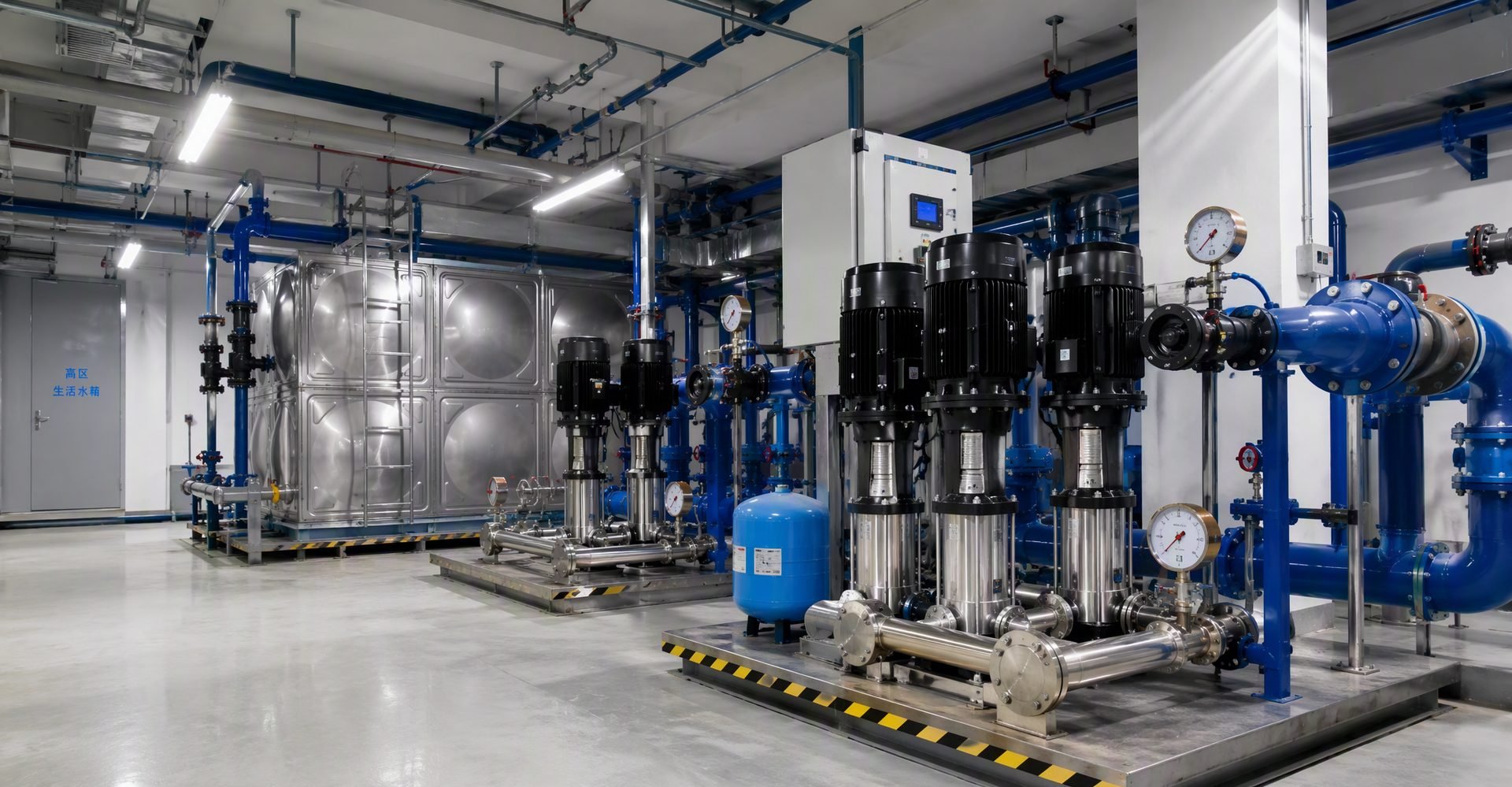
Secondary water supply monitoring is the continuous measurement of drinking water quality at storage tanks, booster pump rooms and building supply points — the last stage before water reaches end users in high-rise buildings, hotels, campuses and rural supply stations.
02Your Challenges
Customer Challenges
Disinfectant residual decays in storage tanks and turbidity can rise in poorly maintained facilities. The municipal network test result says nothing about the water at the user’s tap.
Secondary supply facilities are numerous, dispersed and lightly staffed — monitoring must run unattended and report centrally, with alarms instead of patrols.
Property managers and supply authorities are responsible for delivered water quality and need continuous evidence, not periodic manual checks.
Reagent-based analyzers and multi-instrument installations are impractical at hundreds of dispersed points — monitoring must be compact and low-maintenance.
03What to Measure
Monitoring Parameters & Their Significance
What to measure at each monitoring point — and why it matters for your process.
| Monitoring Point | Parameters | Significance |
|---|---|---|
| Pump room outlet (supply point) | Free chlorine / ClO₂, turbidity, pH, conductivity, temperature | Verify that water delivered to users continuously meets safety requirements — residual protection, clarity and stability in one measurement point |
| Storage tank / inlet | Free chlorine, turbidity | Track disinfectant decay across storage and detect contamination events entering the facility |
| Central supervision platform | All parameters, alarms and device status | Centralized oversight of hundreds of dispersed stations with exceedance alarms to responsible managers |
04Engineered for This Scenario
Recommended Products
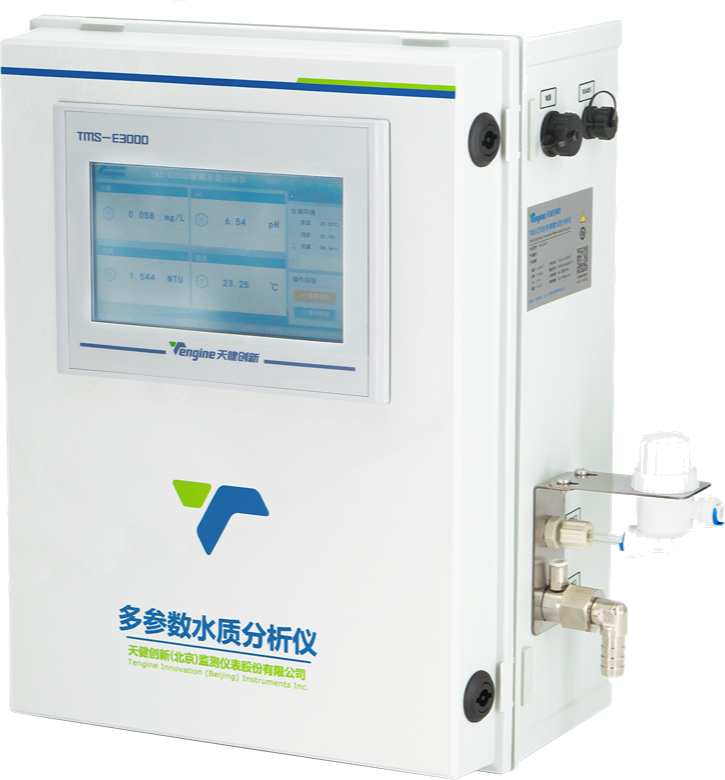
The instrument configuration our application engineers recommend for each monitoring point.
05What You Gain
Customer Benefits
Free chlorine / ClO₂, turbidity, pH, conductivity and temperature in a single wall-mounted analyzer — one installation covers the complete safety picture.
Electrode-method measurement removes consumables and routine reagent service — essential for unmanned and rural sites.
Wireless data upload brings every pump room onto one platform with threshold alarms, turning patrol-based management into exception-based management.
06Proven in the Field
Project References
All case studies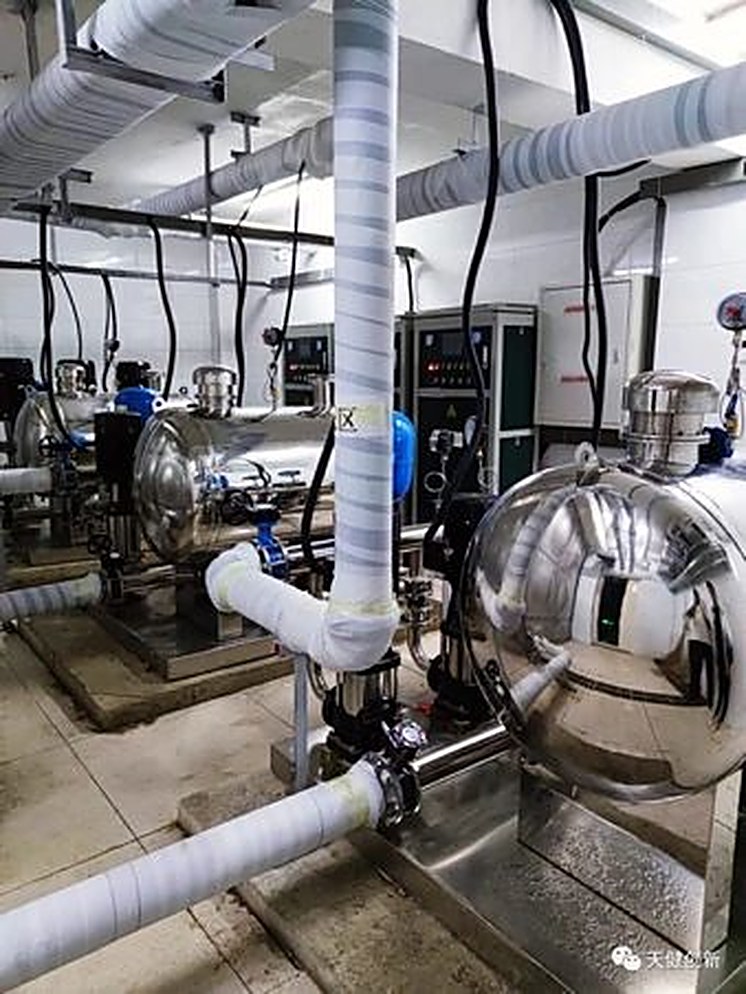
Residential booster (secondary) pump stations are the last mile before taps; water quality can degrade in storage and pumping, yet these points are rarely monitored, creating a safety blind spot.
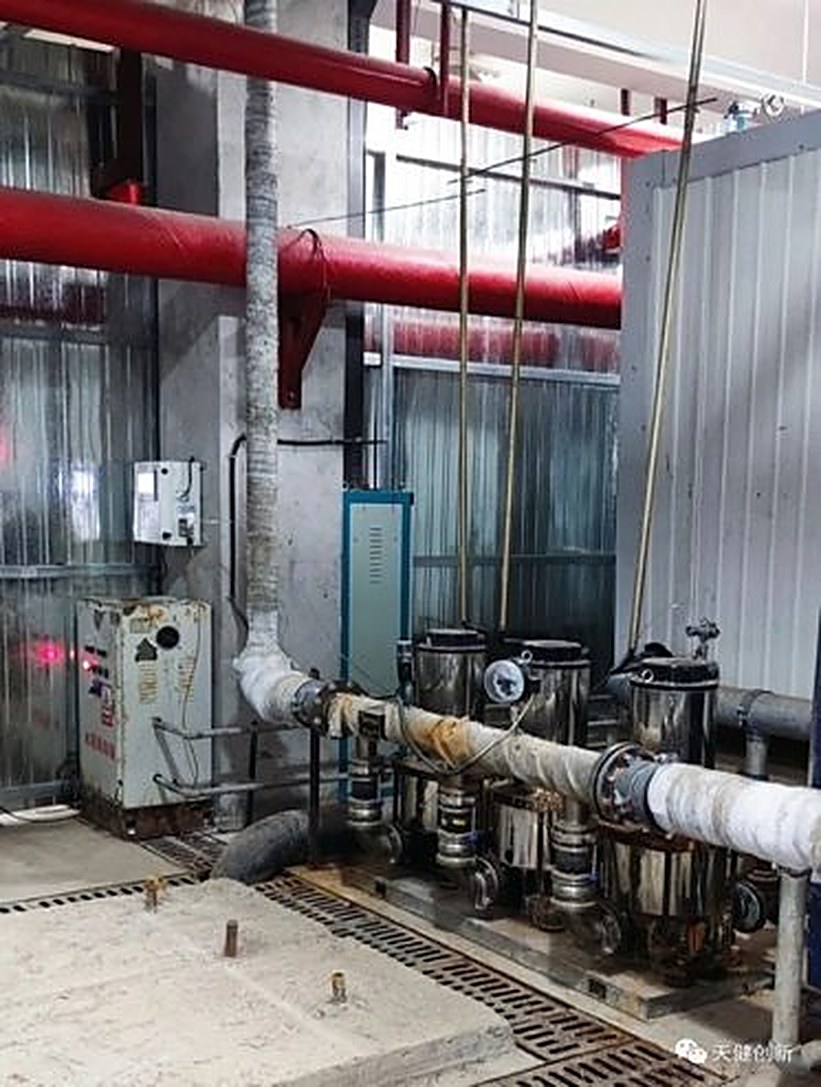
A printing industrial park's secondary water supply needed quality assurance across its storage and boosting system to protect tenant operations and staff.
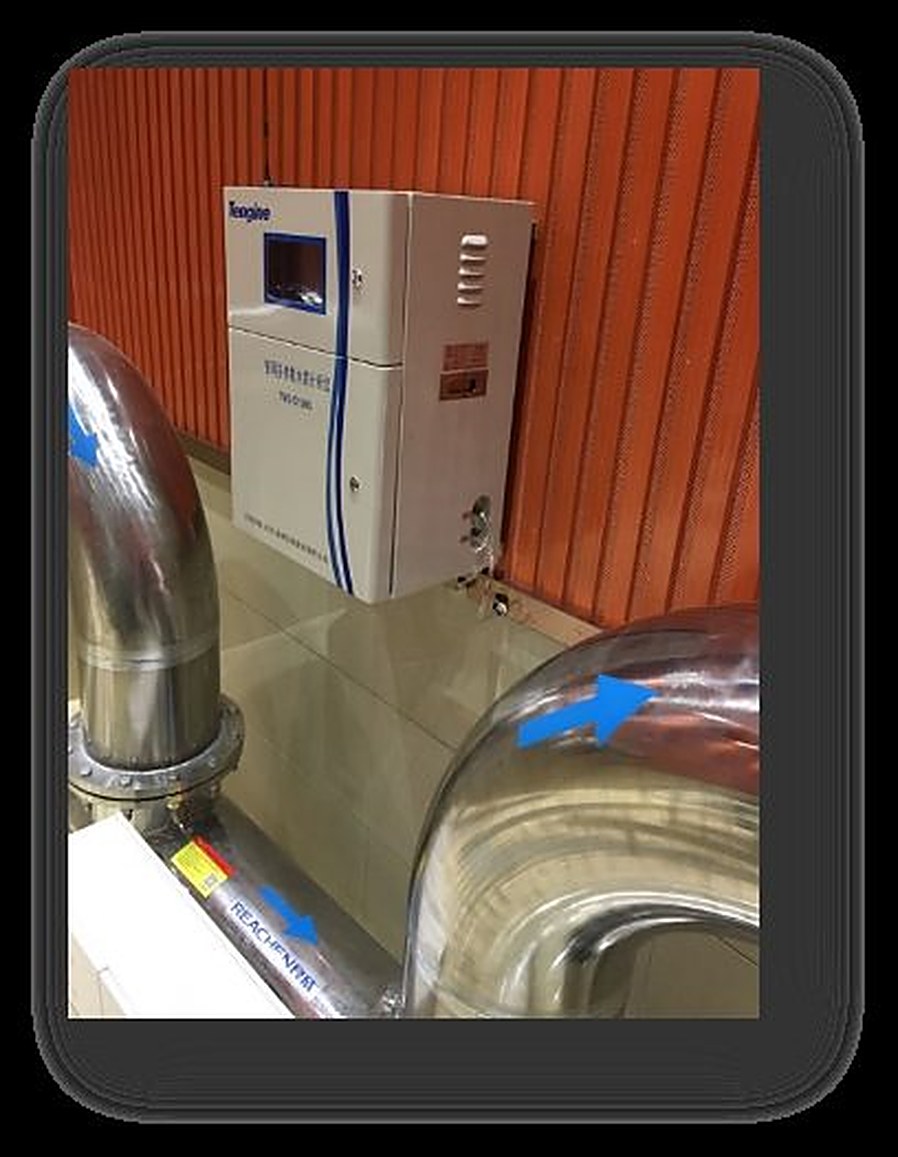
A residential community's secondary water supply needed smarter oversight: quality must be tracked continuously and any anomaly flagged immediately to protect residents.
07Integration
Communication & System Integration
Frequently Asked Questions
Discuss your secondary water supply monitoring project with us
Share your monitoring points and required parameters — our application engineers will design a complete configuration for your project.