
NEEQ Listed (430641) · ISO-Certified · Est. 2002
Every Drop,
Measured. Trusted.
TENGINE designs and manufactures online water quality sensors, analyzers and IoT monitoring systems — serving water utilities, EPC contractors, system integrators and industrial plants worldwide.
0+
Years of Water Sensing Expertise
0+
Countries — Global Network
0+
Projects Completed
Over 0
instruments delivered
0%
China WWTP Coverage
Products by Parameter
What Do You Need to Measure?
Select a parameter to see the matching instruments — turbidity, dissolved oxygen, pH, ORP, conductivity, nitrogen, COD, chlorine, chlorophyll, blue-green algae and more. The controllers at the center read them all.
Industry Solutions
What Problems Can We Solve?
Drinking Water & Water SupplyFrom treatment to tap
Wastewater & EffluentFrom process to discharge
Industrial WaterPure & process water
Surface Water & Urban DrainageFrom rivers to outfalls
Technology
Why Trust TENGINE?
Optical Measurement
Infrared scattering, luminescence and UV absorption — no membranes, no reagents, minimal maintenance.
Digital Sensor Architecture
Measurement, storage and processing inside the sensor — plug-and-play Modbus networking.
In-house R&D Since 2002
A NEEQ-listed national high-tech enterprise (stock code 430641) — core measurement technologies developed and owned by TENGINE.
Industrial Reliability
316L stainless steel, IP68 protection and self-cleaning options for demanding field conditions.
Case Studies
Real Projects, Real Evidence
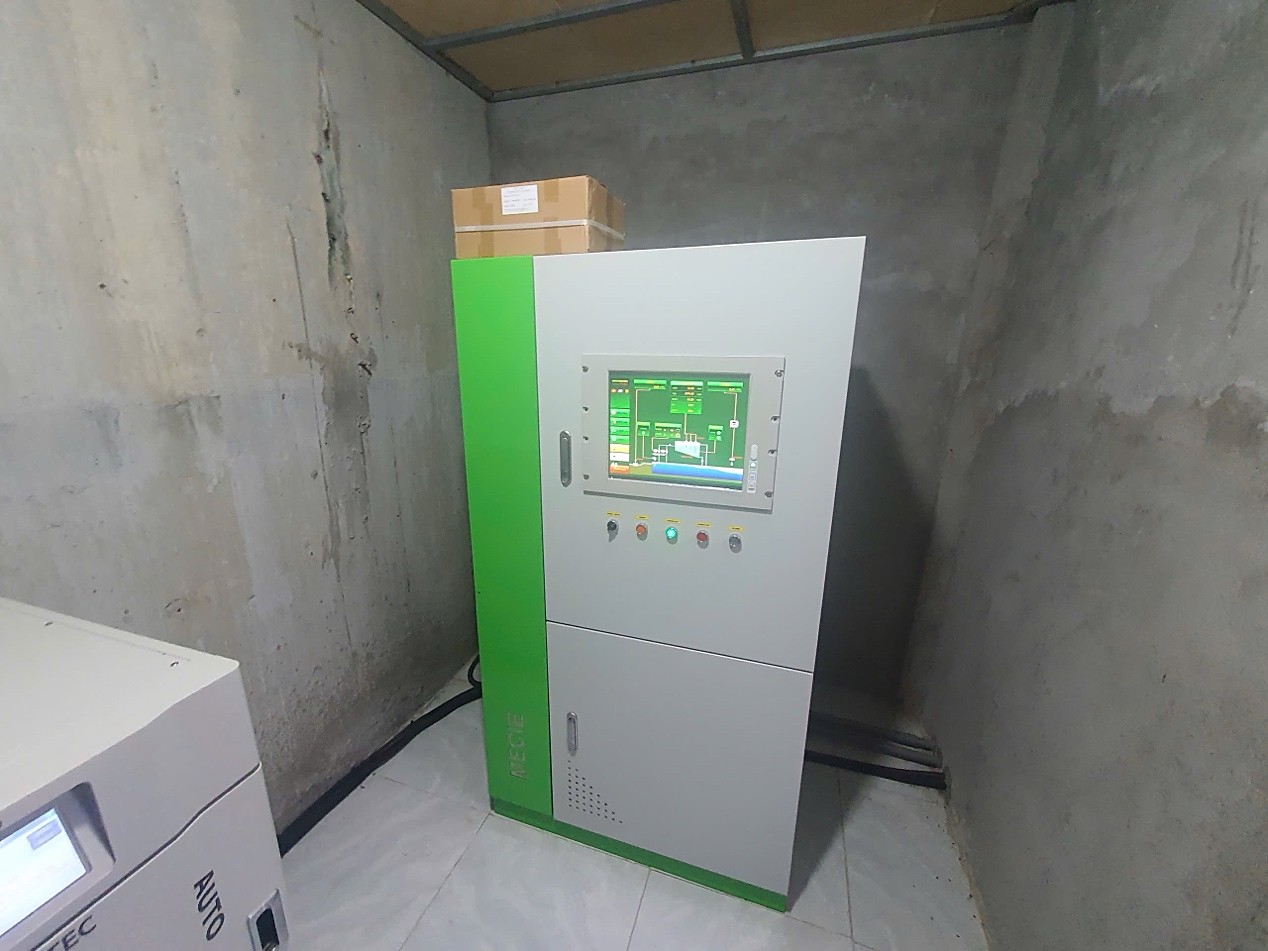
The monitoring station needed to bring COD, ammonia nitrogen, pH and suspended solids into one continuous operating picture. Manual spot samples alone could not provide ongoing visibility between sampling events. The engineering task was therefore not simply to install four instruments, but to integrate measurement, control, sampling, data logging and communications into a station that operators could supervise and maintain as one system.
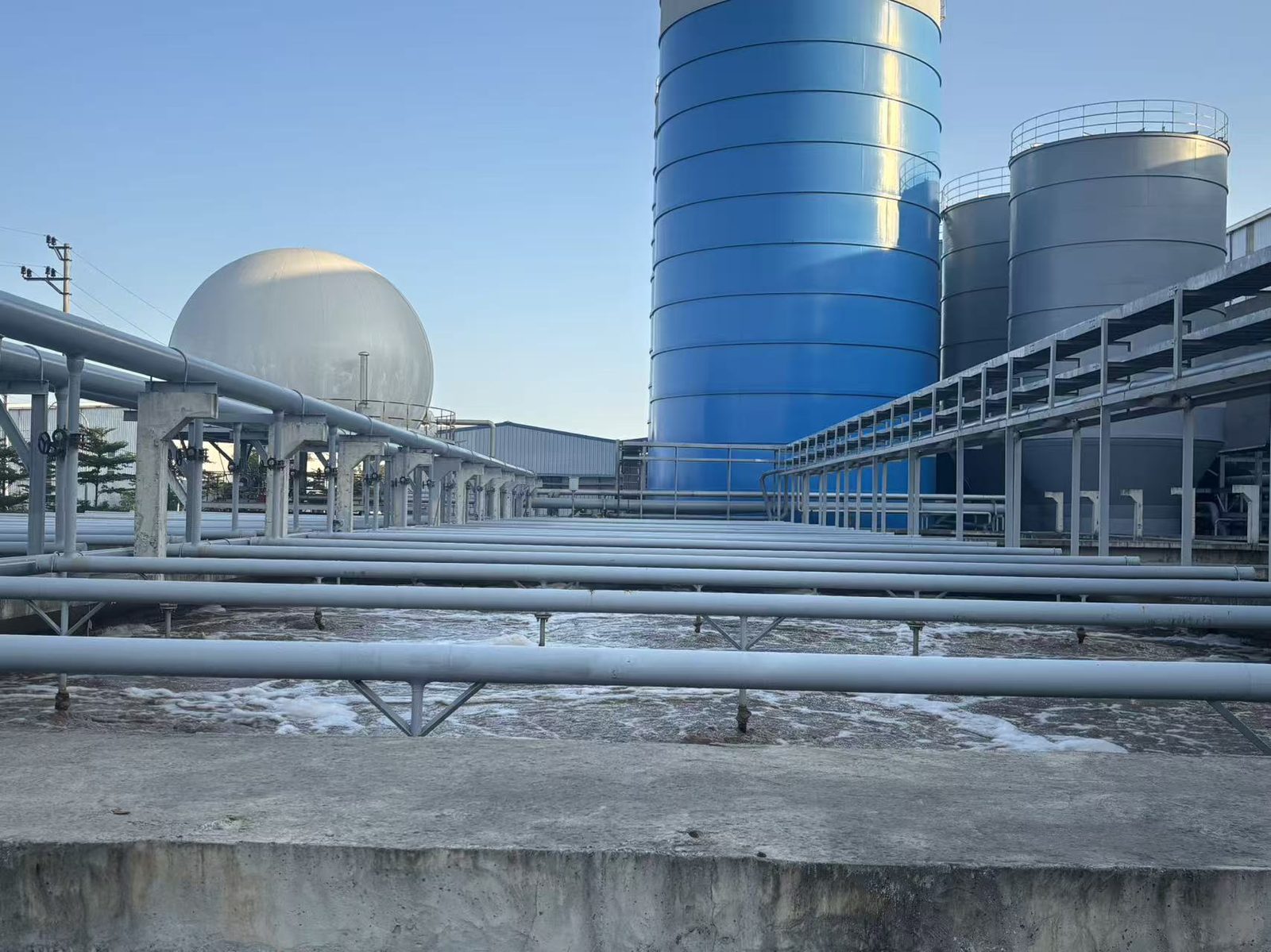
The mill had long relied on imported instrument brands: procurement, system deployment and O&M costs were all high, and a mixed-brand fleet brought poor compatibility, fragmented after-sales and inefficient maintenance. It needed a single accountable supplier without giving up measurement performance.
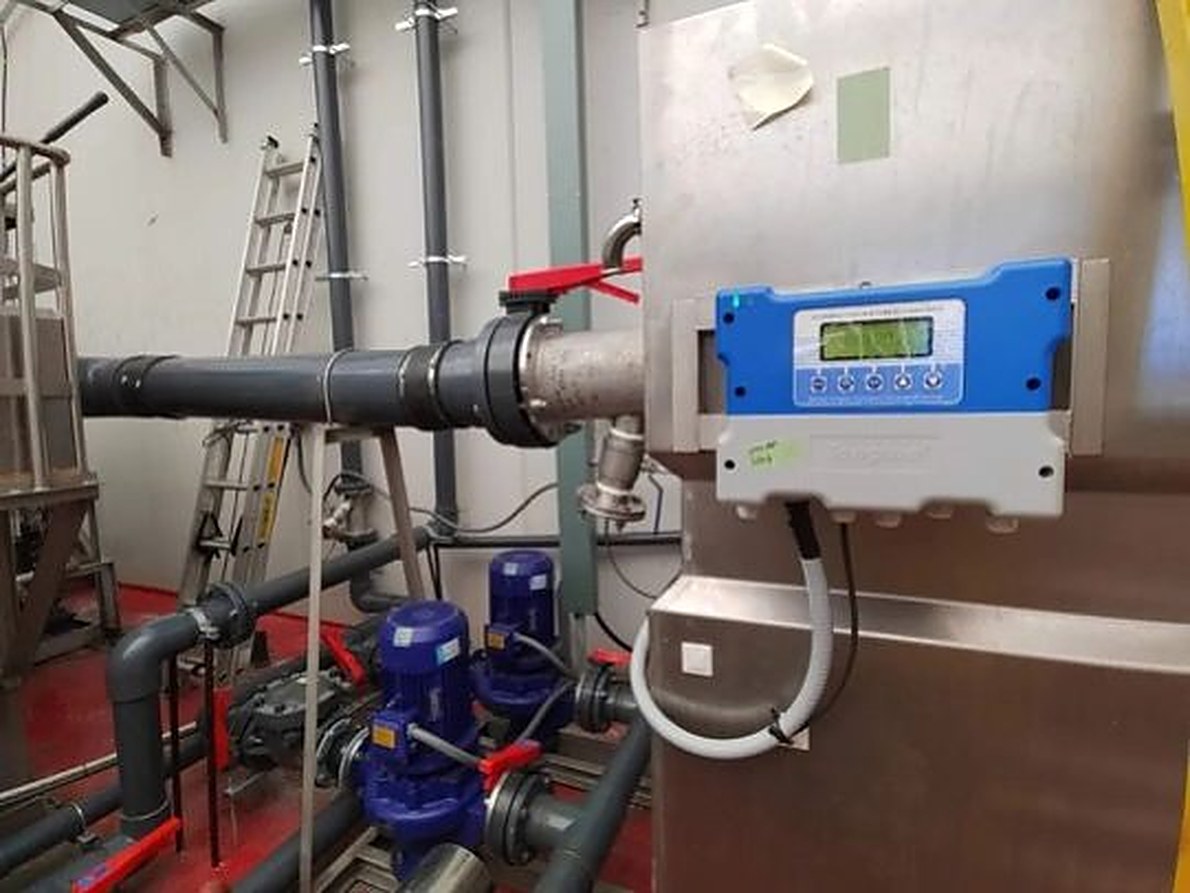
Tofu production is water-intensive, and process water can carry contaminants such as heavy metals and organic pollutants. Without continuous monitoring, quality risks to the product — and health risks to consumers — can go undetected. At the same time, improperly managed wastewater discharge harms the environment and exposes the company to regulatory violations and legal liability.
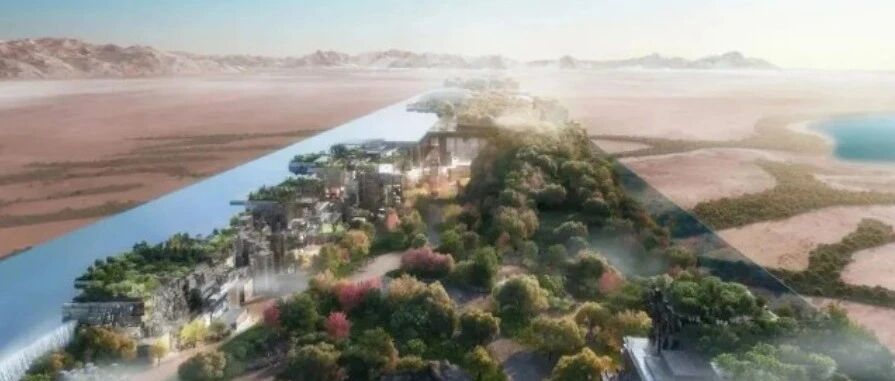
A mega-project of this scale places extreme demands on water quality data — accuracy and stability must hold over decades of operation. The wastewater treatment works required continuous online monitoring of oil content in water: a demanding measurement that has to run unattended in a harsh coastal desert environment, resist fouling, and integrate cleanly into plant process control.
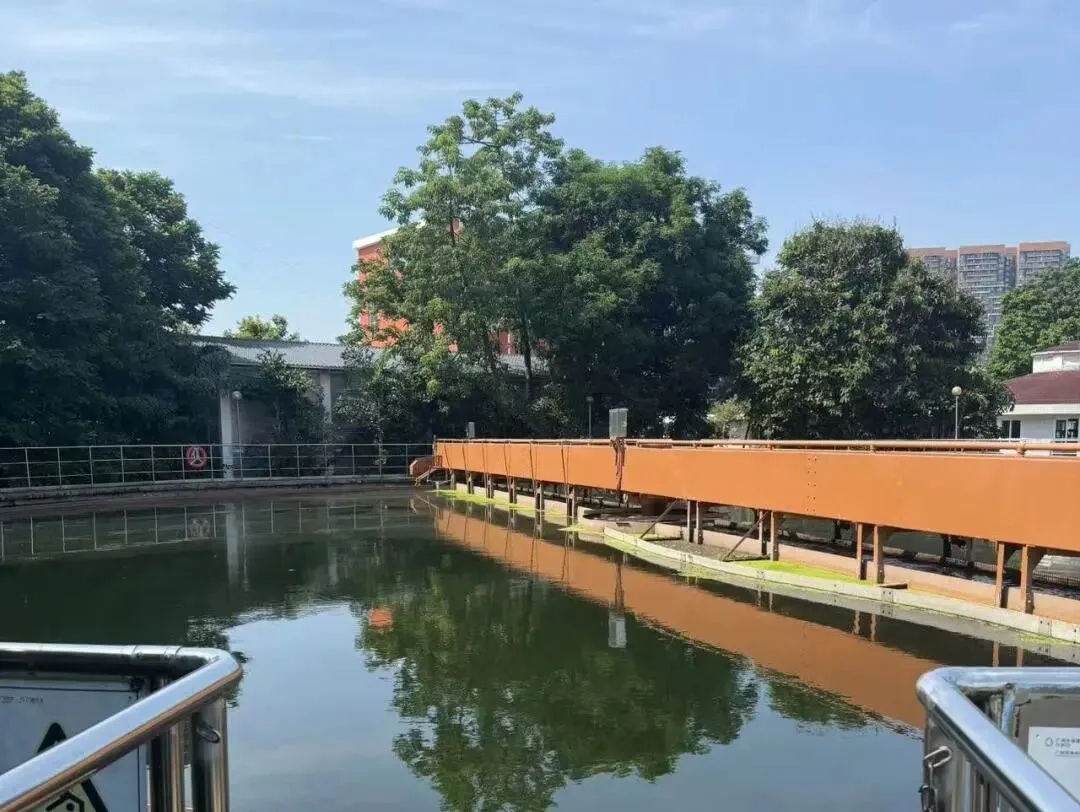
Accurate sludge-blanket level measurement in the secondary clarifiers is the key to controlling scraper start/stop, saving energy and keeping effluent compliant — but the plant faced the industry's common pain points: strong water disturbance, sludge fouling on probes and a blurry mud-water boundary made the actual blanket thickness hard to determine, while conventional ultrasonic meters were severely disturbed by scum and bubbles, producing drifting data that could not be used as a basis for automatic control.
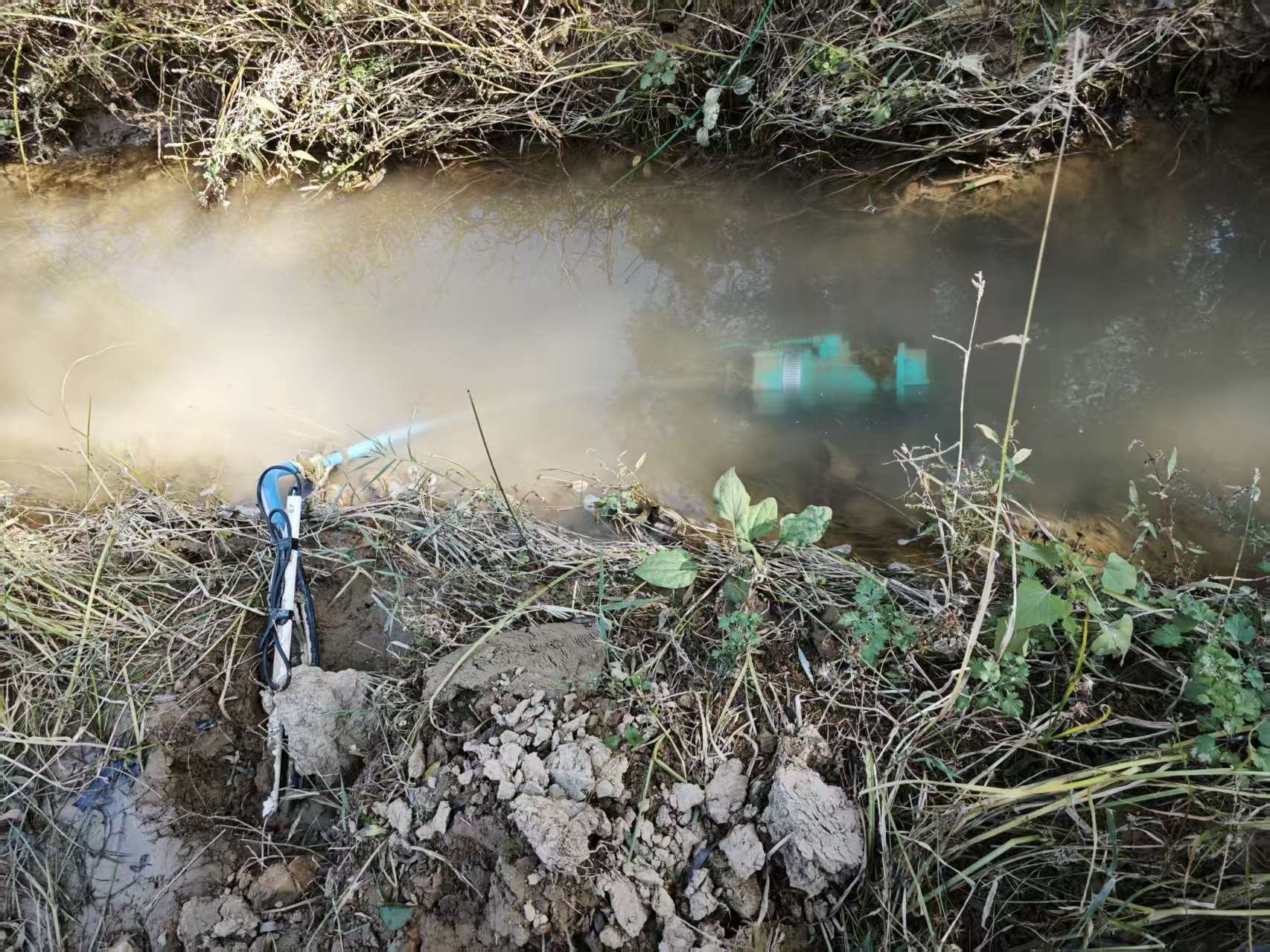
The river basin needed continuous, automated water-quality supervision across multiple points — with the ability to warn of risks before incidents happen, not just record them afterwards. Dispersed sites demanded compact, low-maintenance stations with dependable digital sensing.