
Pulp & Paper Wastewater
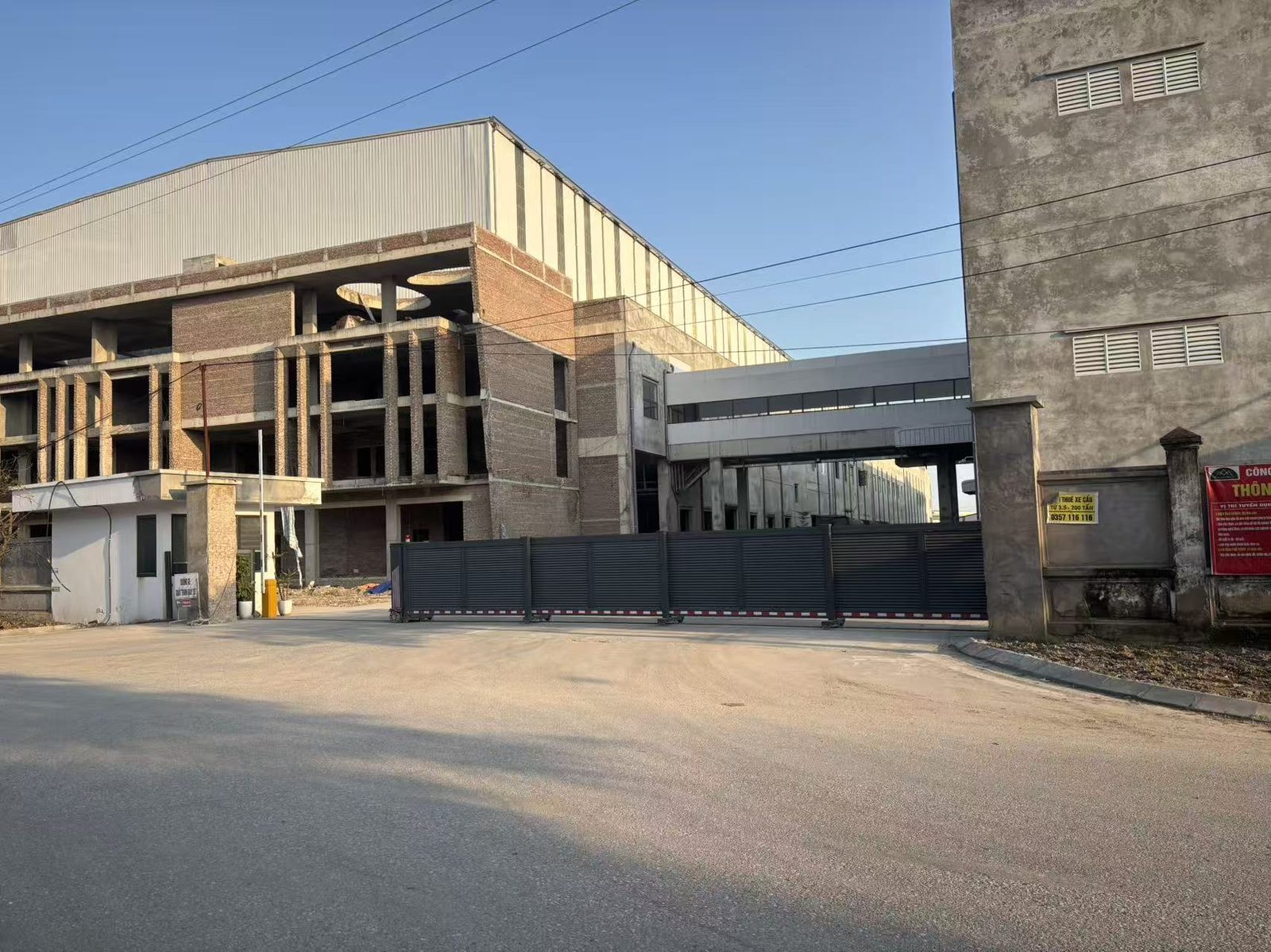
Paper-Mill Wastewater Online Monitoring for Xinjingang, Vietnam
 1 / 3
1 / 3Project Background
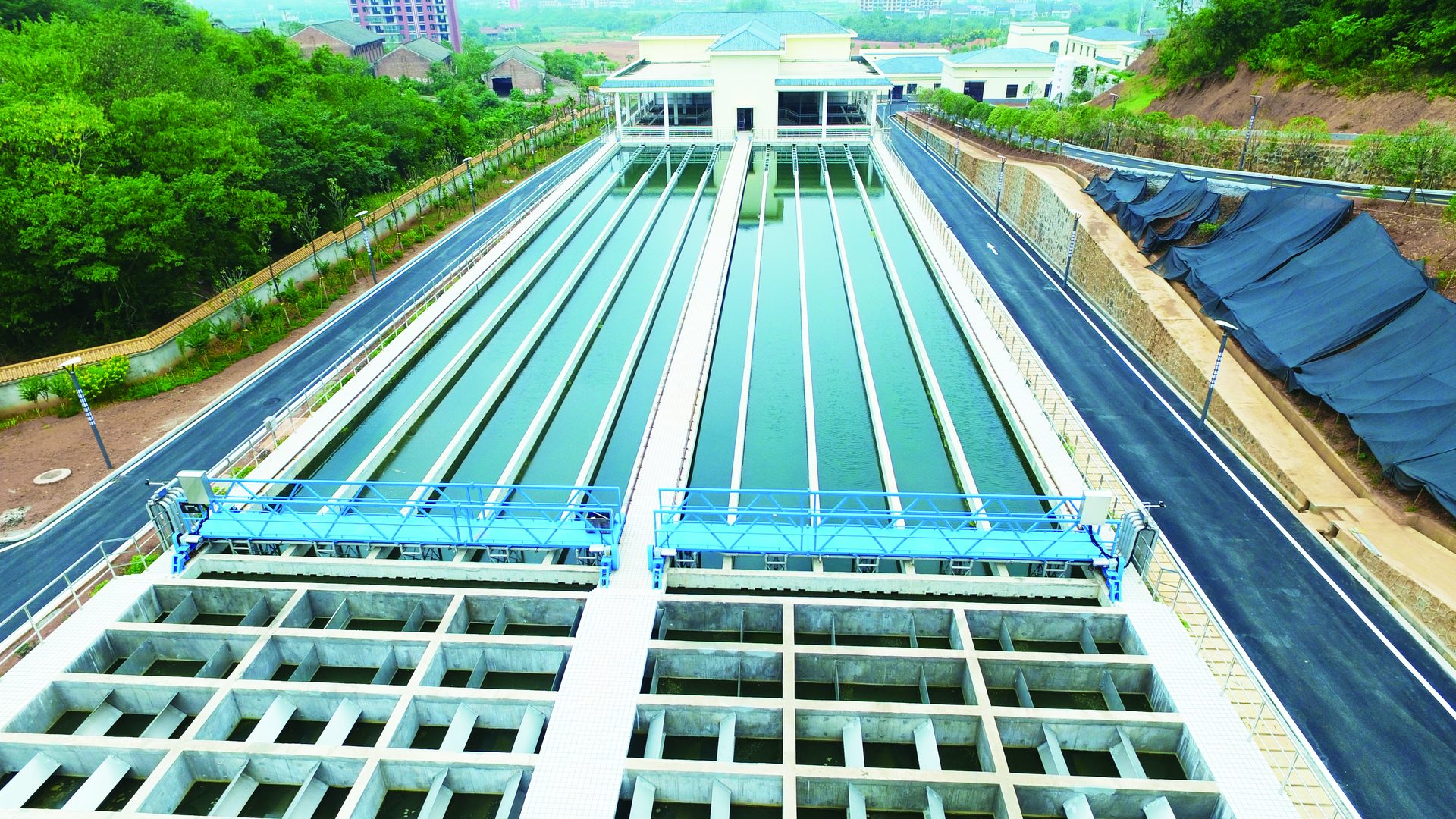
Full-process online monitoring of paper-mill wastewater for Xinjingang (New Kingkong) in Vietnam — 53 monitoring points covering the plant's entire wastewater treatment train.
Customer Challenge
The mill had long relied on imported instrument brands, driving up procurement, deployment and O&M costs, while mixing multiple brands caused poor compatibility and fragmented after-sales support. High-strength paper-making wastewater requires continuous monitoring to keep treatment stable and discharge compliant.
The TENGINE Solution
Monitoring parameters: level, flow, pH, dissolved oxygen and pressure across 53 points — 24/7 real-time data with high accuracy and fast response. A one-stop, single-brand instrument package replaced the multi-brand mix, delivering import-grade performance with strong stability and anti-interference capability.
Implementation
TUL Ultrasonic Level Transmitter, TLD Electromagnetic Flowmeter, TPH pH Analyzer, LDO Luminescent Dissolved Oxygen Analyzer — supplied as one integrated single-brand package across all 53 monitoring points.
Project Results
A high-quality import-brand substitution: monitoring performance matches the imported equipment while overall project cost and long-term O&M expense dropped significantly. Procurement and after-sales were simplified to one accountable supplier, keeping treatment conditions stable and discharge compliant.
Related Case Studies
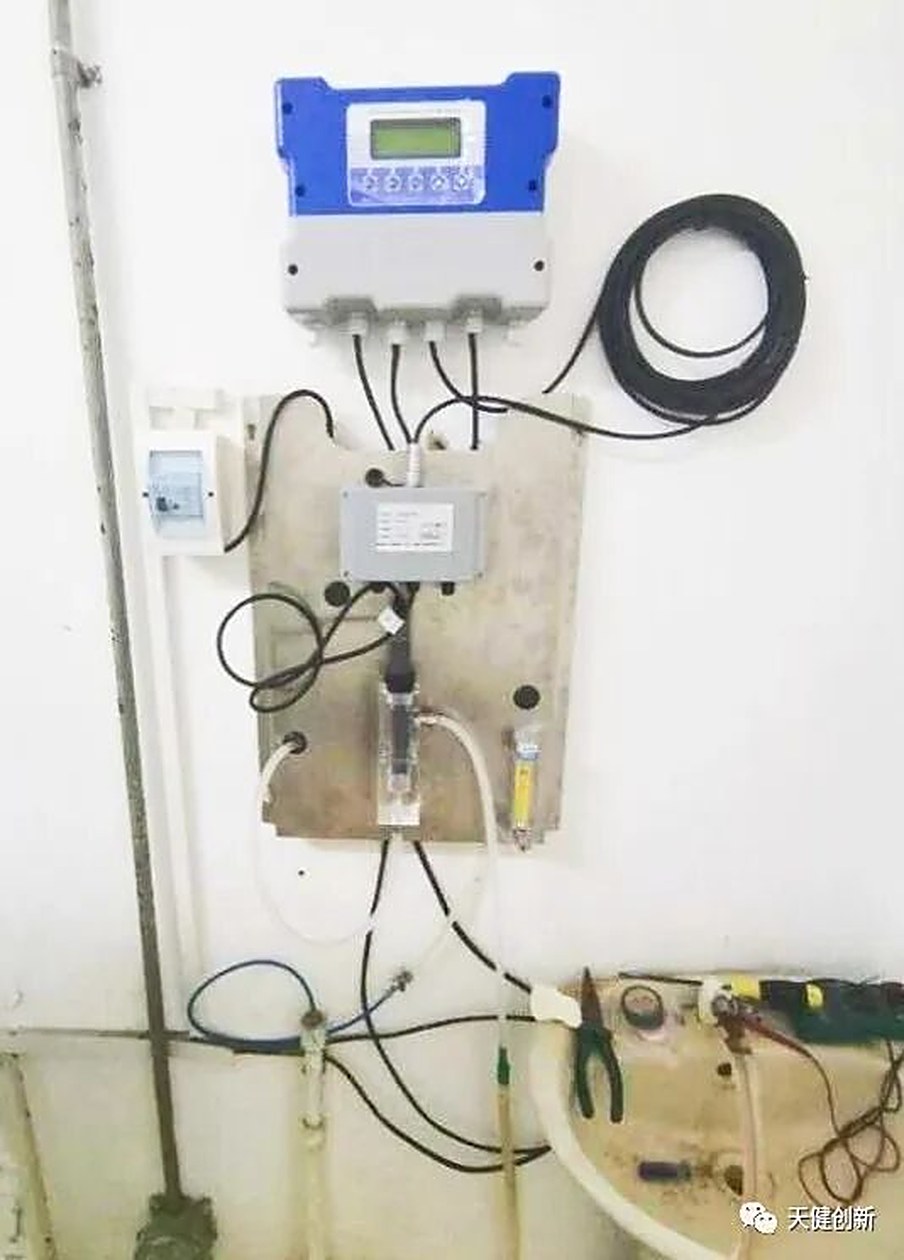
During the pandemic, hospital wastewater was complex — containing pathogens, viruses and chemical reagents with infection risk. Conventional methods could not monitor residual chlorine accurately and stably, risking incomplete disinfection and pollutant release.
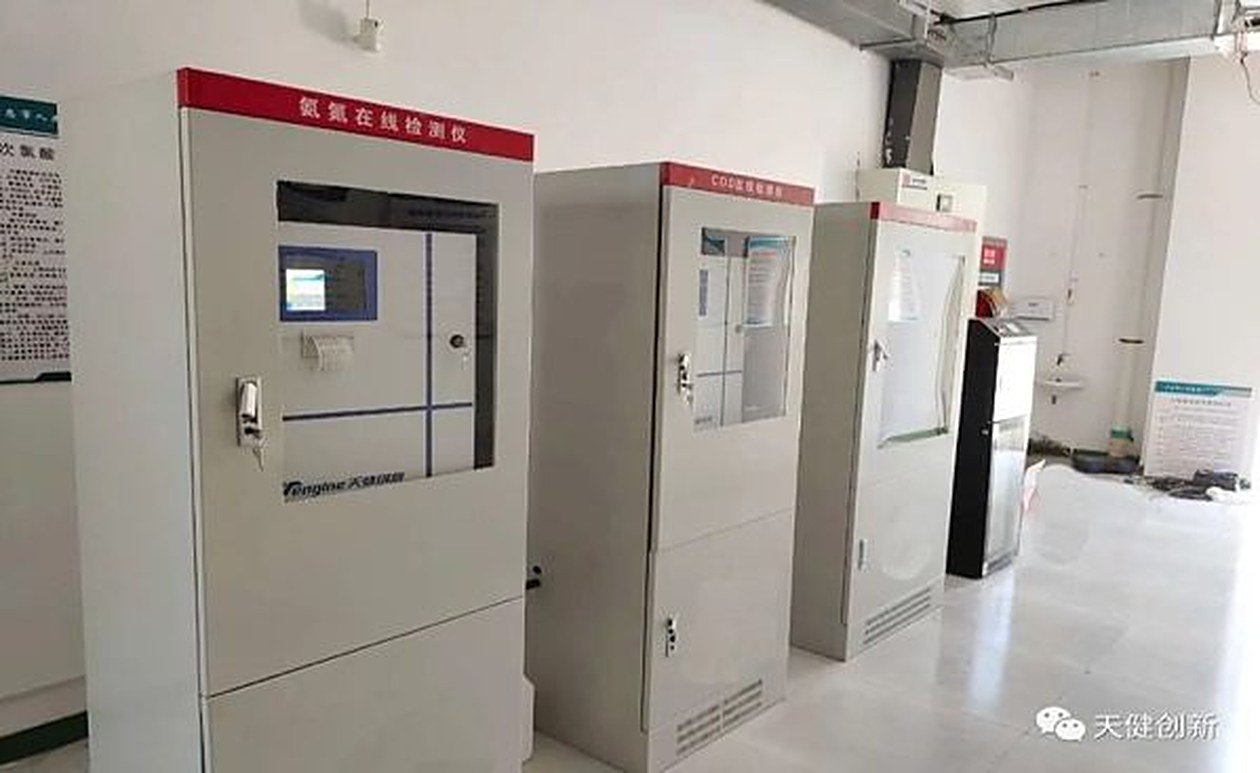
Hospitals require continuous assurance that medical wastewater is properly treated before discharge; intermittent manual checks cannot guarantee round-the-clock compliance and safety.
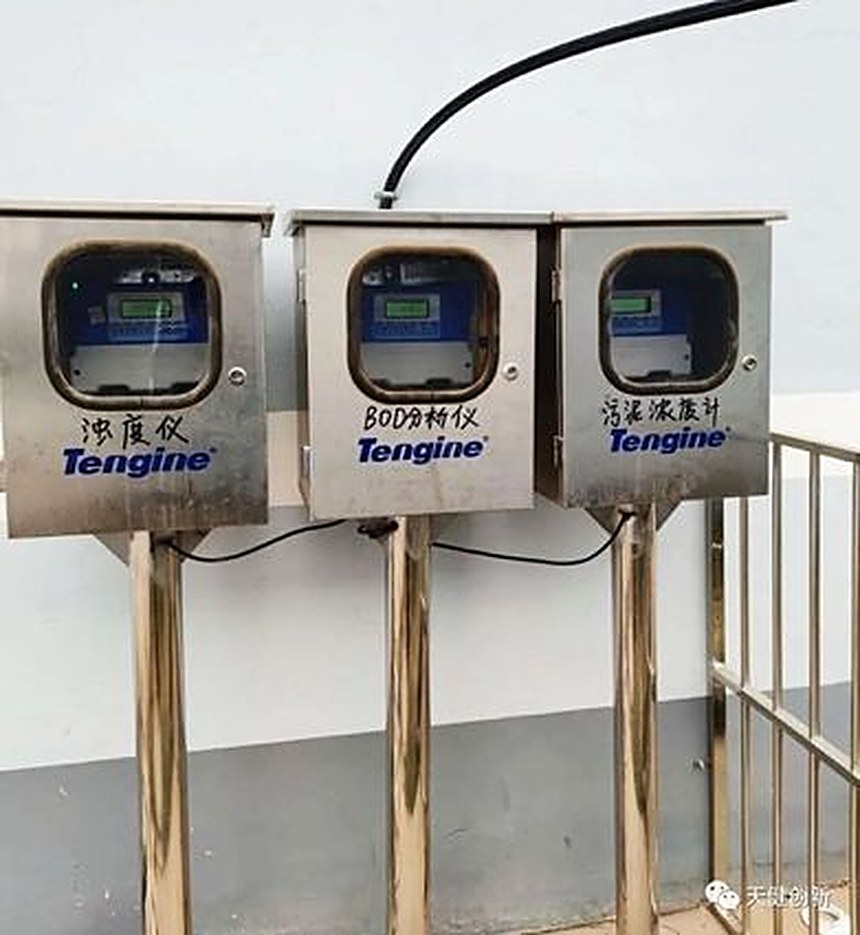
Waste stockpiling and rainwash generate highly polluted leachate with complex composition; without proper treatment monitoring it easily causes secondary soil and groundwater contamination. The site lacked full-process real-time monitoring, creating environmental risk.
Facing a similar monitoring challenge?
Tell us about your application — our engineers will reference this project experience and design a solution for your site.