Industrial Park Wastewater
Centralized Industrial-Park WWTP Monitoring — Ningjin PPP Project
 1 / 4
Project Background
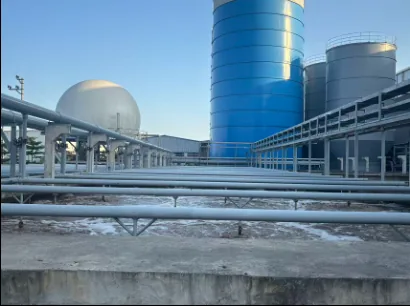
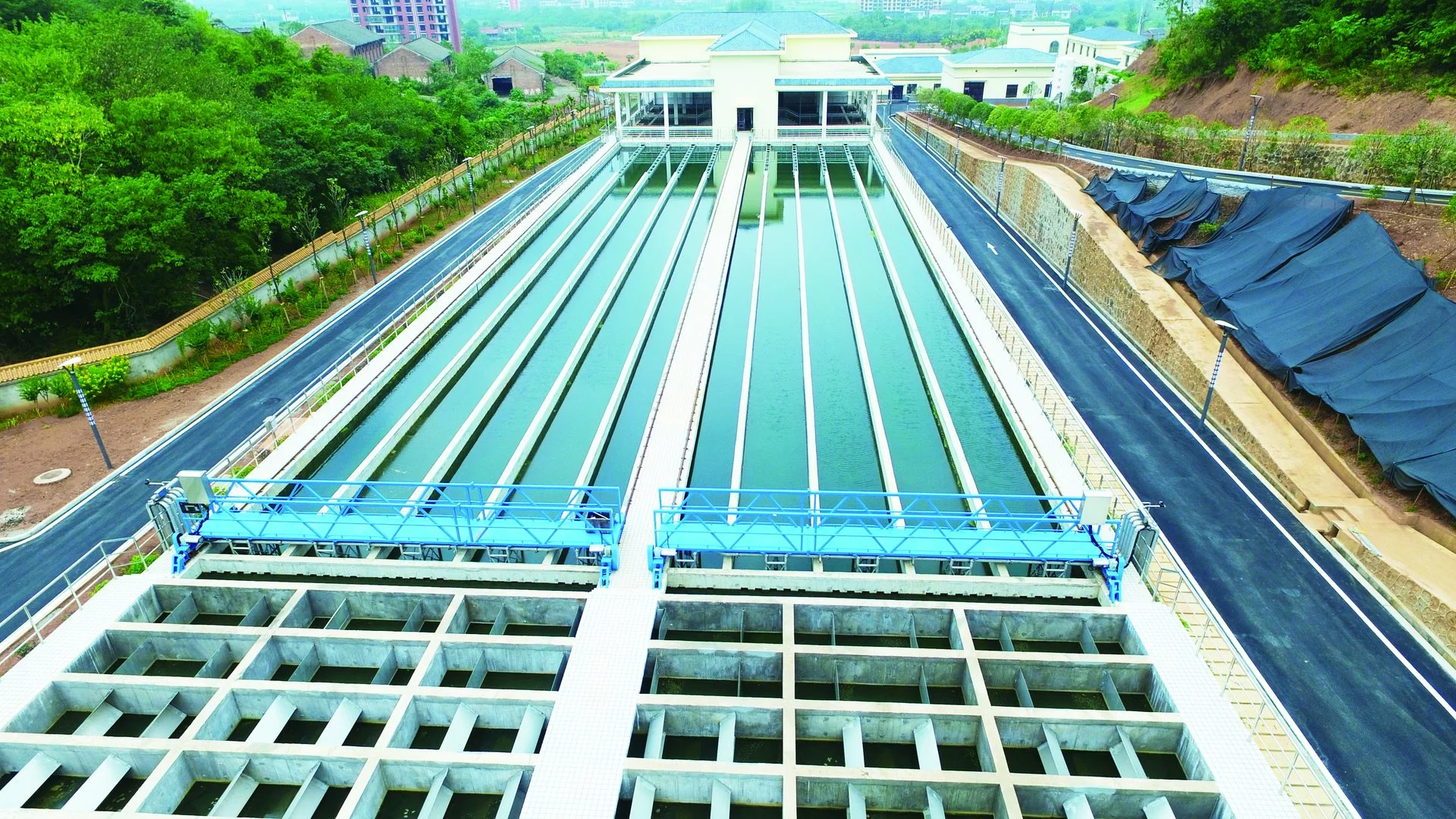
The centralized wastewater plant of Ningjin Economic Development Zone (West City Industrial Park) treats 40,000 m³/day of mixed industrial and domestic wastewater under a PPP model — where precise effluent flow measurement directly determines settlement between the partners.
Customer Challenge
Industrial and domestic inflows mix with wide quality swings, while the PPP contract demands accurate effluent quantity for operational settlement and discharge control. Instruments had to resist interference and run stably for years.
The TENGINE Solution
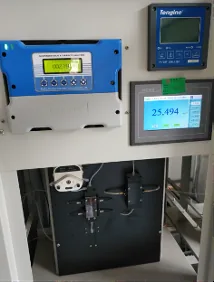
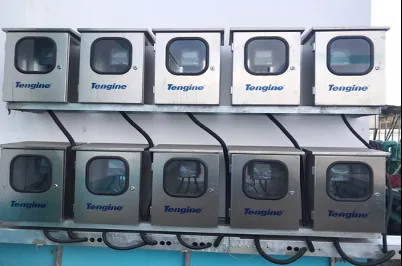
TENGINE instruments were deployed across the biological tanks, secondary clarifiers and effluent metering channel: TSS suspended-solids analyzers, LDO luminescent dissolved oxygen, USL ultrasonic sludge blanket meters, pH analyzers, and the WL-1A1 ultrasonic open-channel flowmeter for precise effluent measurement — supporting aeration control, sludge discharge and settlement metering.
Implementation
The instruments were installed at the biological tanks, clarifiers and metering channel, feeding real-time data to the plant's process control and settlement systems.
Project Results
Full-process monitoring keeps the plant's treatment stable, while precise effluent metering satisfies both PPP settlement and environmental supervision needs — a solid foundation for long-term partnership operation.
Related Case Studies
The mill had long relied on imported instrument brands: procurement, system deployment and O&M costs were all high, and a mixed-brand fleet brought poor compatibility, fragmented after-sales and inefficient maintenance. It needed a single accountable supplier without giving up measurement performance.
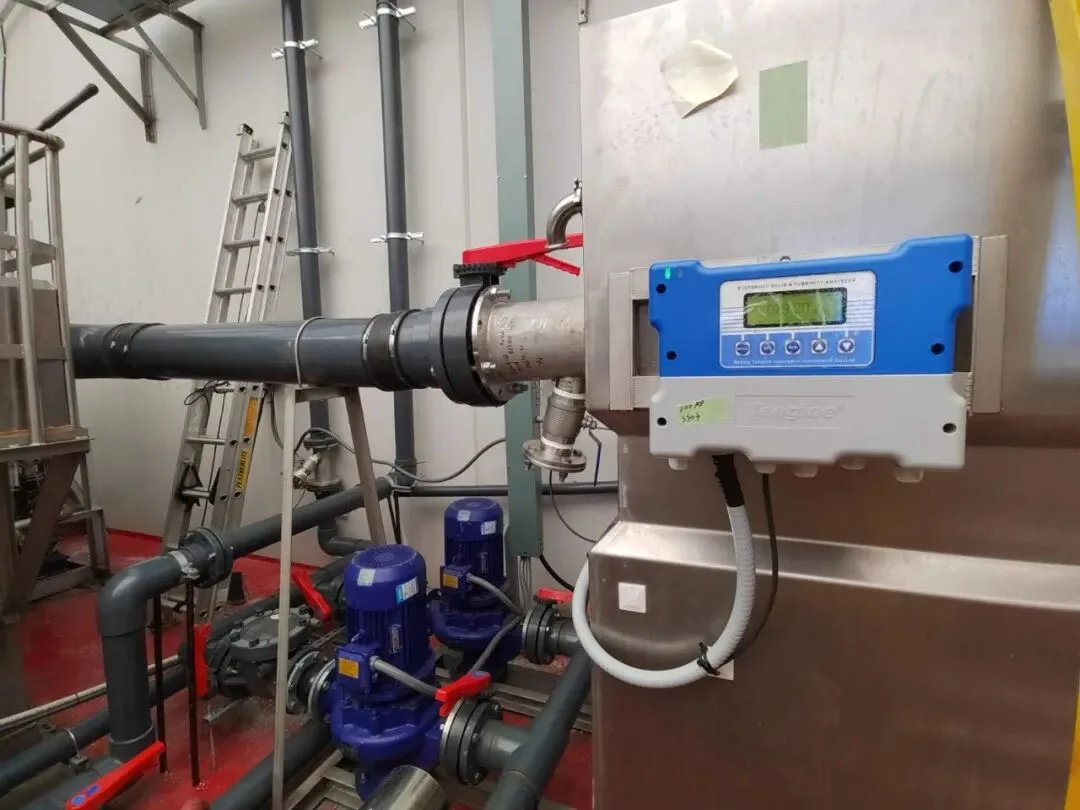
Tofu production is water-intensive, and process water can carry contaminants such as heavy metals and organic pollutants. Without continuous monitoring, quality risks to the product — and health risks to consumers — can go undetected. At the same time, improperly managed wastewater discharge harms the environment and exposes the company to regulatory violations and legal liability.
The mixed industrial influent is complex and swings hard; the AAO process demands close tracking of DO, sludge concentration and quality parameters; and with monitoring points spread across the whole plant, a single instrument type could never fit every location. Data lag or loss directly threatens process stability and effluent compliance.
Facing a similar monitoring challenge?
Tell us about your application — our engineers will reference this project experience and design a solution for your site.