
Wastewater & Effluent
Wastewater Treatment Process Monitoring Solutions
Turn the treatment train into a measurable, controllable process — online dissolved oxygen, suspended solids, pH, ORP and nutrient monitoring from influent to effluent that stabilizes performance and cuts energy cost.
01Definition
What Is Wastewater Treatment Process Monitoring?
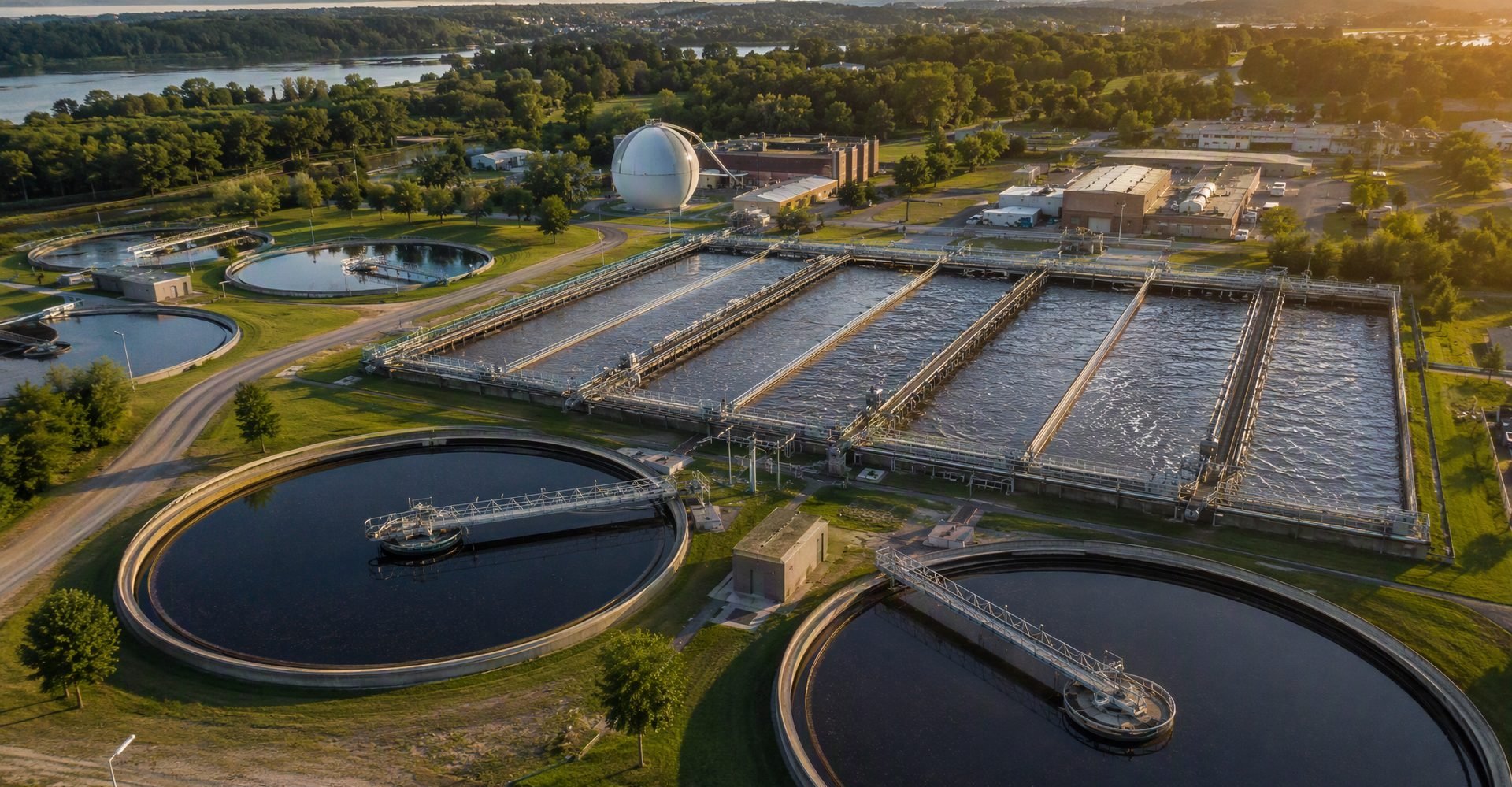
Wastewater treatment process monitoring is the continuous online measurement of key parameters — dissolved oxygen, suspended solids, pH, ORP, ammonia and nitrate nitrogen, and organic load — at each stage of the treatment train, enabling operators to control aeration, manage sludge and secure stable effluent quality in real time.
02Your Challenges
Customer Challenges
Flow and organic load swing with weather, holidays and industrial discharge patterns. Without continuous influent data, the biological process drifts out of its optimal window before anyone notices.
Over-aeration wastes energy and can harm nutrient removal; under-aeration risks effluent quality. Only accurate, stable dissolved oxygen data closes this loop.
Nitrification and denitrification respond to ammonia, nitrate and ORP dynamics that grab sampling cannot capture — carbon dosing without nitrate feedback is dosing blind.
Fouled or drifting sensors produce data operators learn to ignore. Self-cleaning, low-drift instruments are the prerequisite for automatic control.
03What to Measure
Monitoring Parameters & Their Significance
What to measure at each monitoring point — and why it matters for your process.
| Monitoring Point | Parameters | Significance |
|---|---|---|
| Influent | COD (UV254), ammonia nitrogen, pH, suspended solids | Load assessment and shock-load early warning to protect the biological process |
| Anoxic zone | ORP, nitrate nitrogen | Denitrification condition verification and carbon dosing feedback |
| Aerobic zone | Dissolved oxygen, ammonia nitrogen, pH, suspended solids | Aeration optimization, nitrification control and sludge inventory management |
| Denitrification filter | Nitrate nitrogen | Precise carbon source dosing interlock — second-level response for closed-loop control |
| Secondary clarifier & effluent | Turbidity / suspended solids, dissolved oxygen, pH, COD | Sludge carryover prevention and final effluent quality verification |
04Engineered for This Scenario
Recommended Products
The instrument configuration our application engineers recommend for each monitoring point.
Influent & effluent monitoring
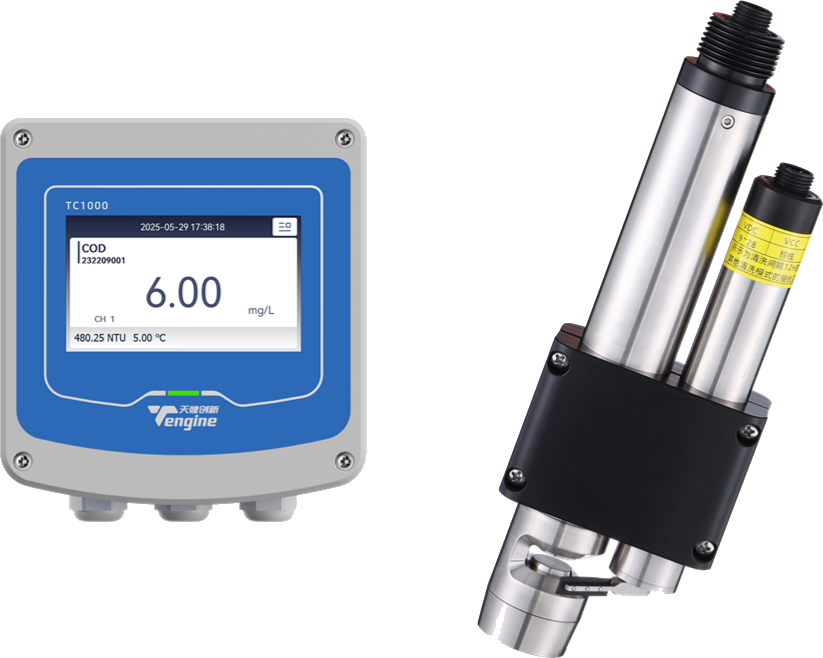
COD / Organics (UV254)
UVC Integrated Online COD Sensor
Reagent-free UV254 absorption COD sensor delivering results within 1 second, with dual-beam turbidity compensation.
View instrument
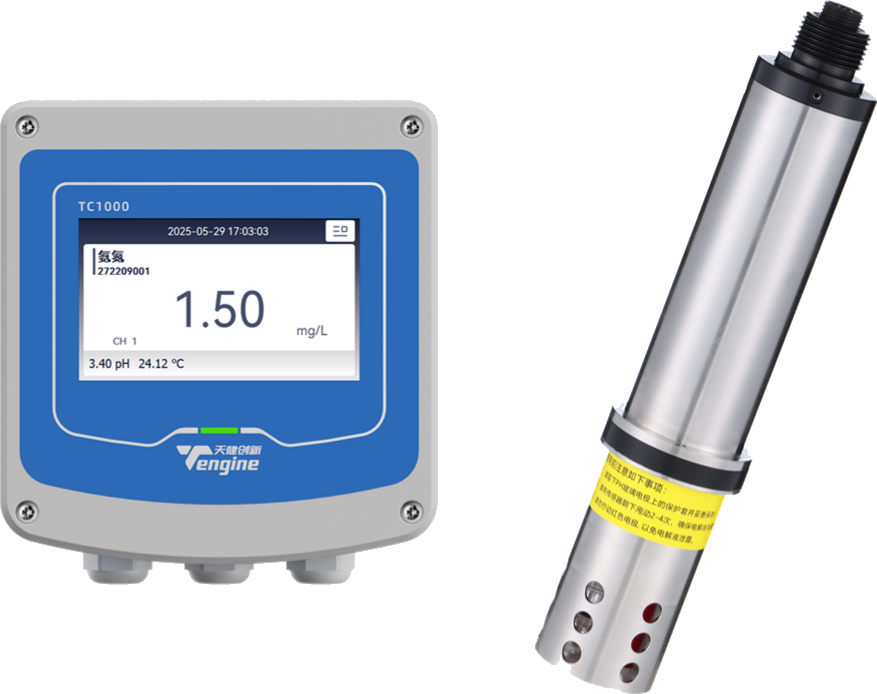
Ammonia Nitrogen
DNH Ammonia Nitrogen Sensor (ISE Method)
Ion-selective electrode ammonia nitrogen sensor for nutrient monitoring in wastewater treatment and surface water.
View instrument
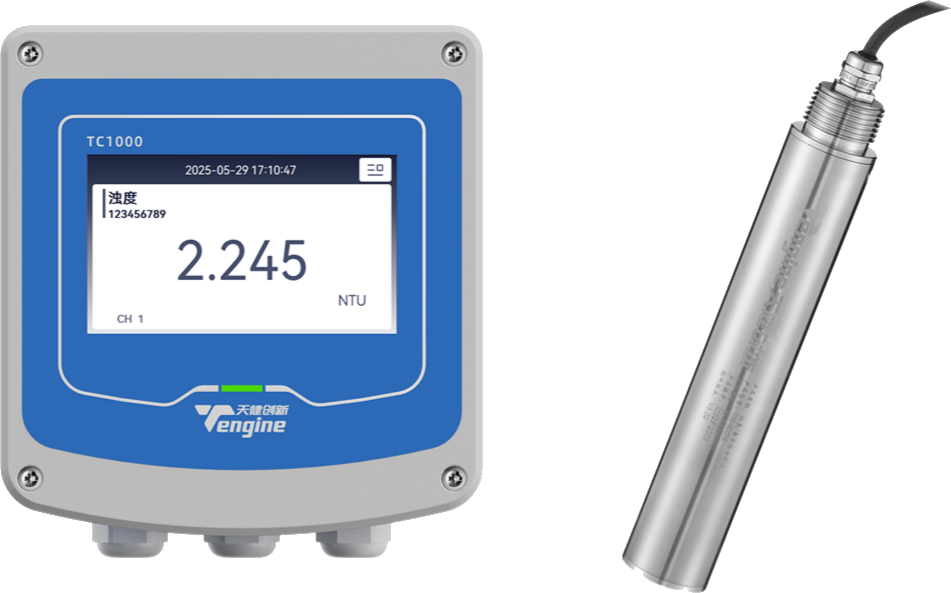
Turbidity / Suspended Solids
TSS Immersion Turbidity / Suspended Solids Analyzer
Dual-angle infrared scattering analyzer for continuous turbidity and suspended solids measurement in wastewater and drinking water processes.
View instrument
Biological process control
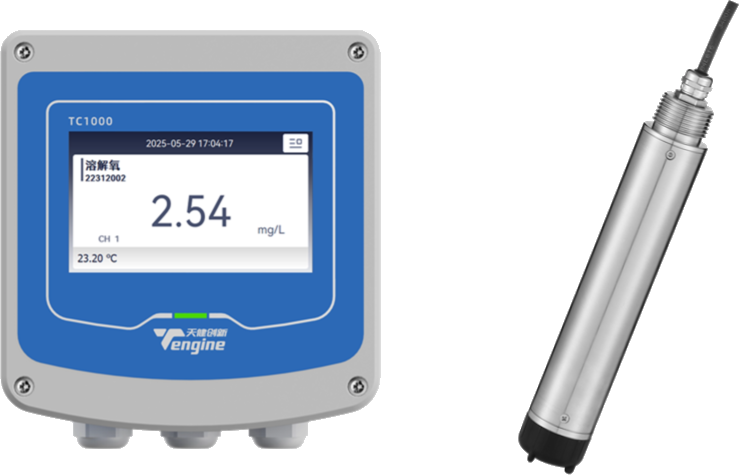
Dissolved Oxygen
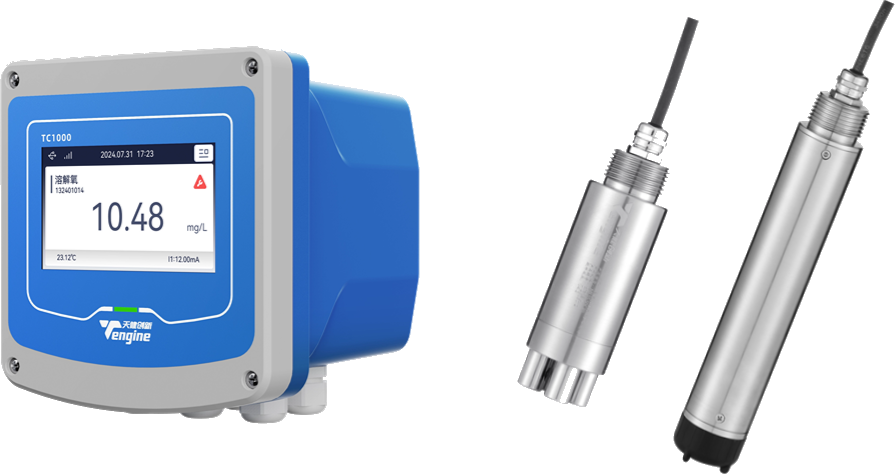
LDO Luminescent Dissolved Oxygen Analyzer
Luminescent dissolved oxygen analyzer with no membranes or electrolyte to replace — virtually maintenance-free for harsh wastewater conditions.
View instrument
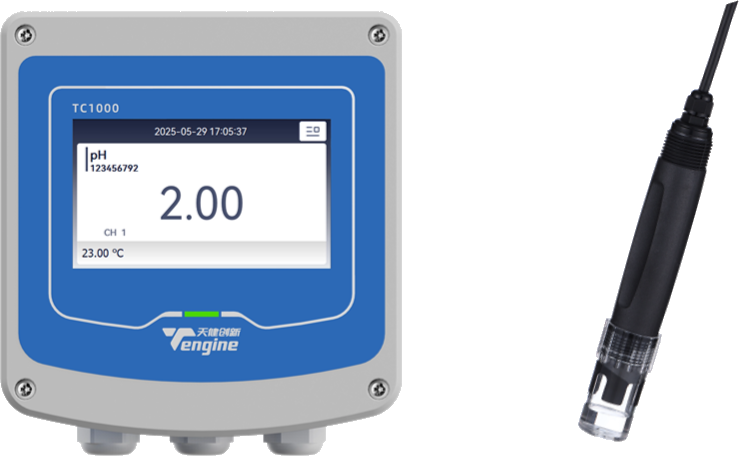
ORP
TORP ORP Analyzer
Online ORP analyzer for oxidation-reduction potential monitoring in biological and disinfection processes.
View instrument
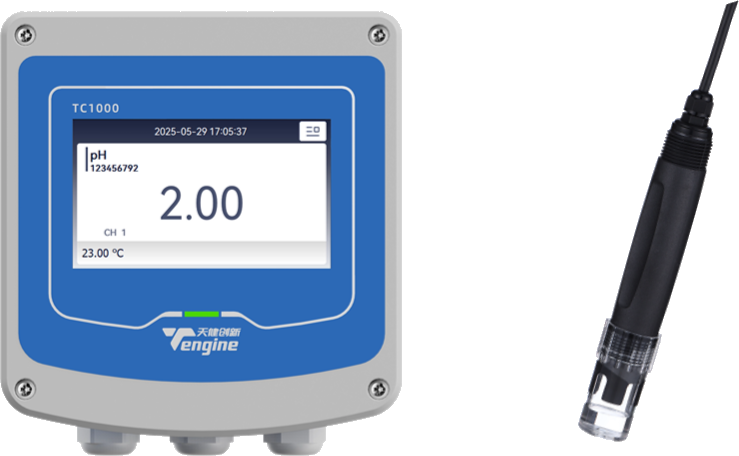
pH
TPH pH Analyzer
Online pH analyzer for continuous process control, neutralization and discharge compliance monitoring.
View instrument
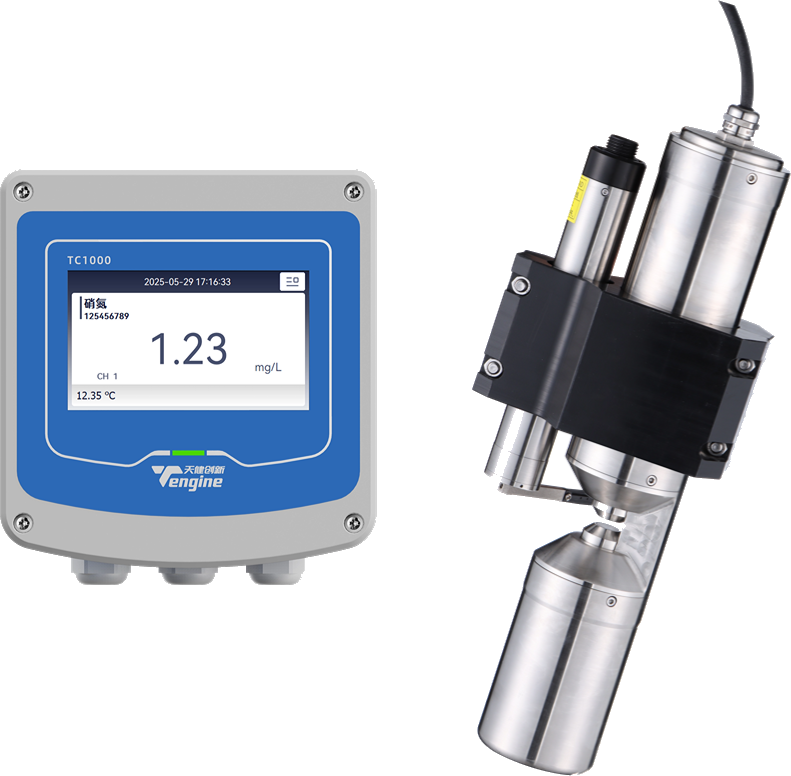
Nitrate Nitrogen
UVN Nitrate Nitrogen Analyzer
Reagent-free UV absorption nitrate analyzer with second-level response — in-situ immersion measurement that gives denitrification and carbon dosing systems the real-time feedback they need.
View instrument
05What You Gain
Customer Benefits
DO-based aeration control — optionally refined with ammonia feedback — typically delivers double-digit aeration energy savings while protecting effluent quality.
Continuous visibility of load, oxygen and nutrients keeps the biological process inside its optimal window despite influent fluctuations.
Self-cleaning optical sensors with long calibration intervals cut routine sampling and maintenance, freeing the team for process optimization.
06Proven in the Field
Project References
All case studies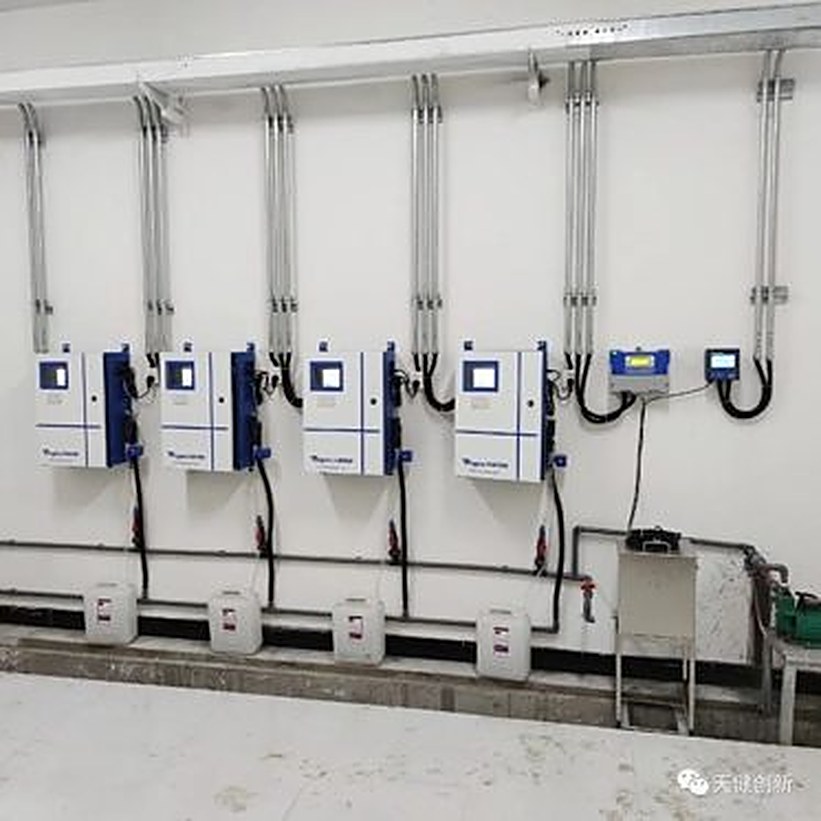
The plant handles a large daily flow through a complex multi-stage process, requiring precise control of influent/effluent quality and process status. Water quality data must also feed the environmental regulator's system, but legacy single-parameter instruments with lagging data could not support full-process control or compliant reporting.
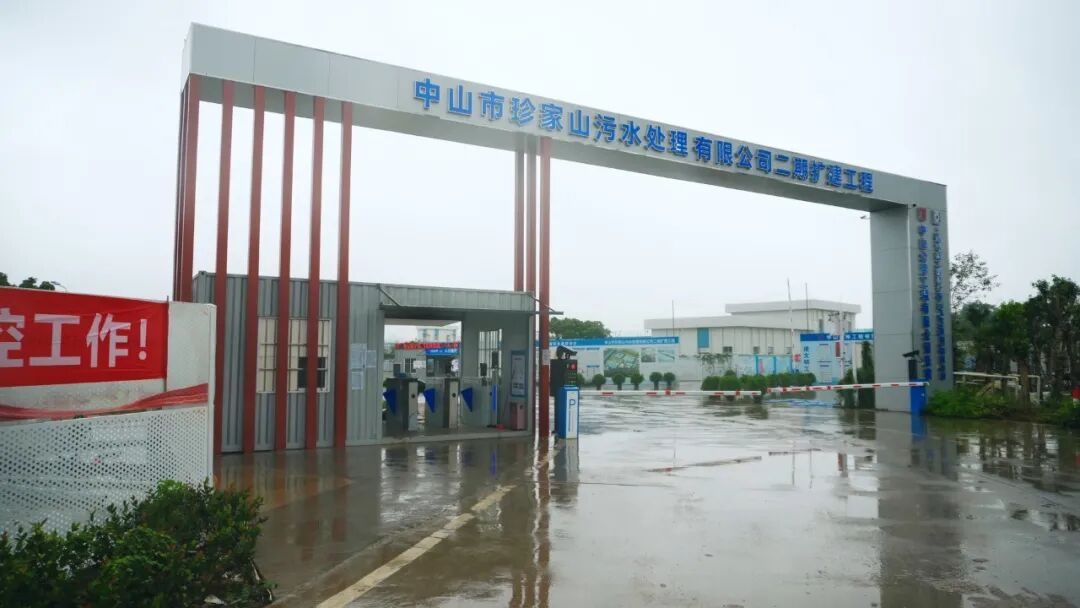
Municipal wastewater plants present complex conditions and fluctuating water quality. Instruments run continuously while submerged, so conventional meters age, drift and fail — driving up replacement and maintenance costs and conflicting with the need for long-term, low-maintenance operation.
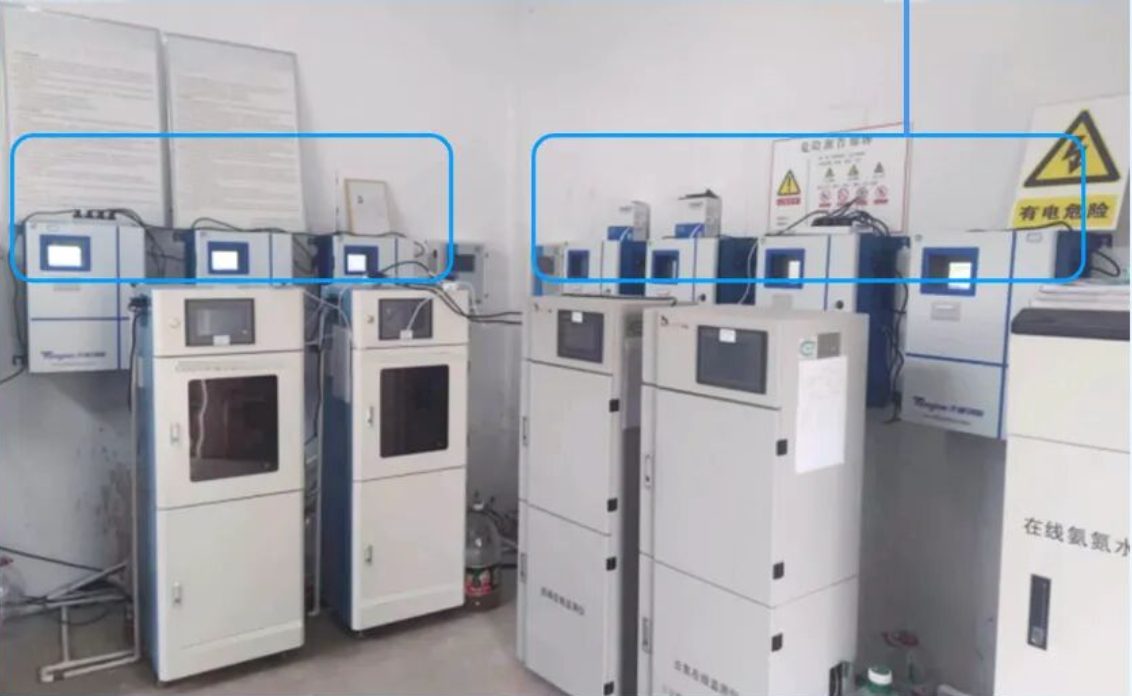
Aging online instruments no longer met current pollution-source monitoring specifications. The project had a tight schedule and complex construction, requiring on-time delivery of a large instrument batch; multiple dispersed sites demanded certified, stable devices connected to a smart-water platform, plus complete installation and commissioning services.
07Integration
Communication & System Integration
Frequently Asked Questions
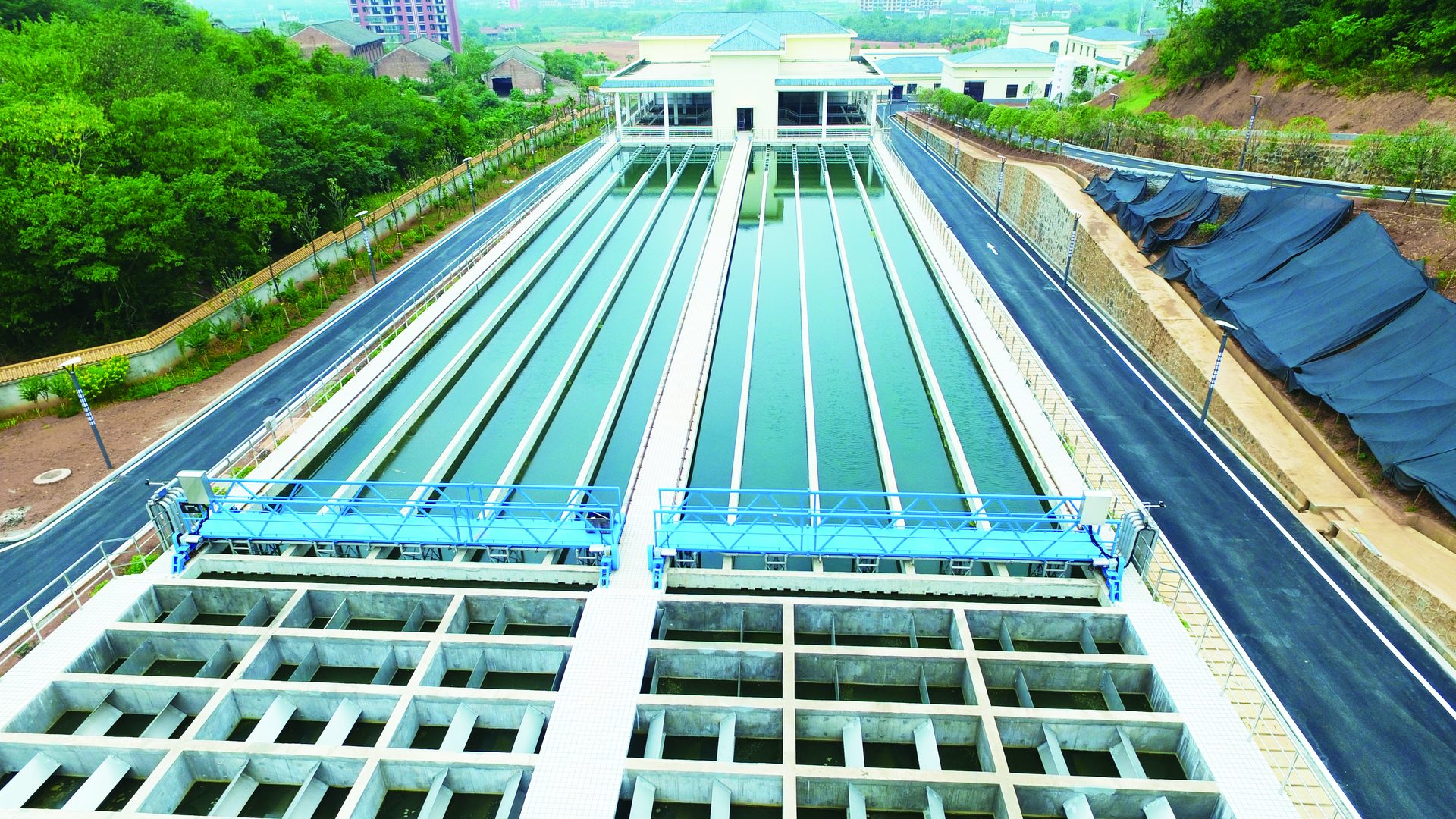
Discuss your wastewater treatment process monitoring project with us
Share your monitoring points and required parameters — our application engineers will design a complete configuration for your project.