Pilot & R&D Monitoring
Precision Monitoring for Membrane Pilot Testing at Nanjing Beihekou Plant
 1 / 4
Project Background
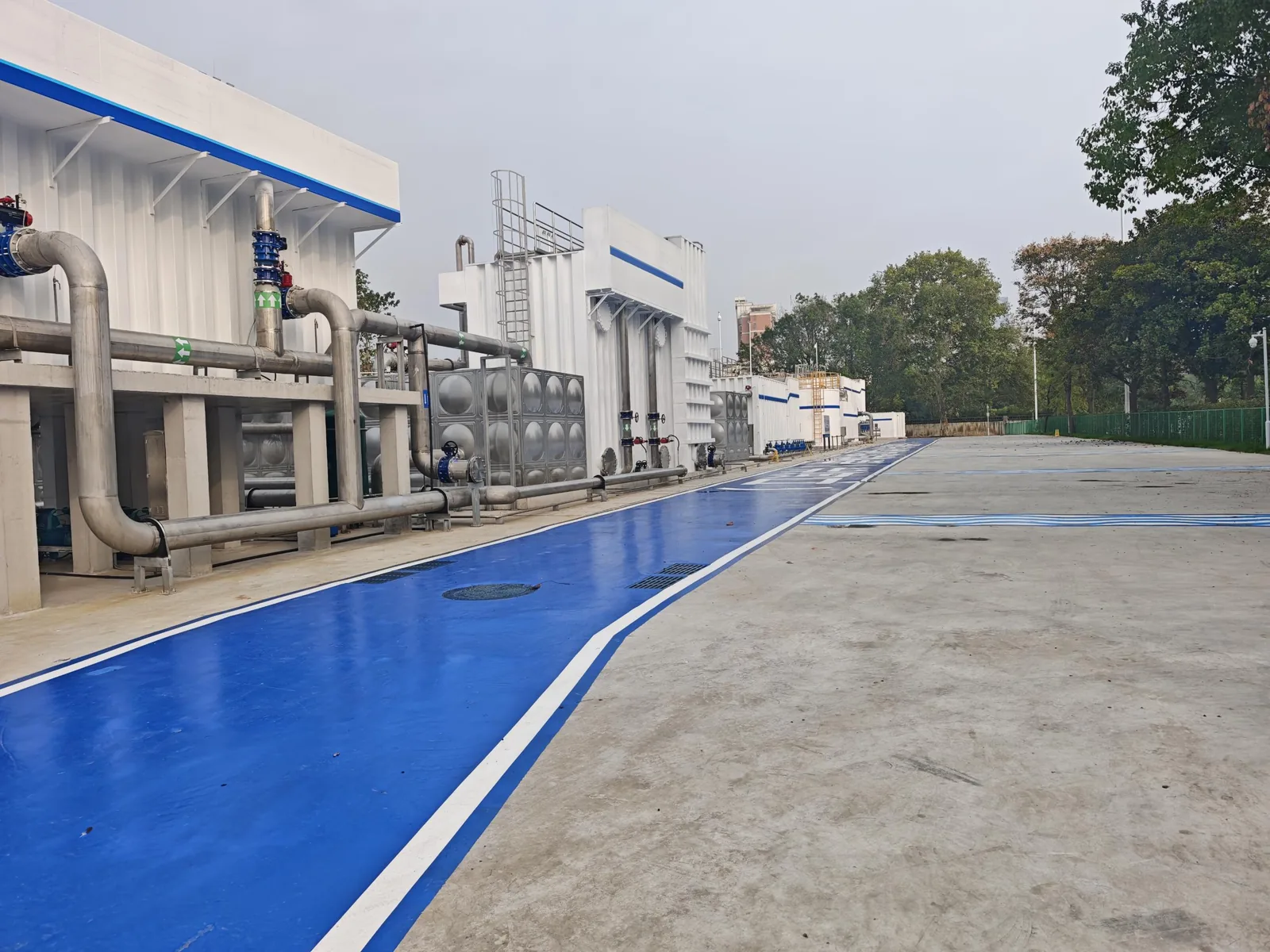
At the Beihekou experimental water plant in Nanjing's Gulou District, the National High-Performance Membrane Materials Innovation Center runs pilot-scale validation of inorganic membranes and an intelligent spiral-winding line — using real Yangtze River raw water as the test scenario.
Customer Challenge
Membrane performance calibration demands precise, time-aligned and traceable water-quality data to verify retention, anti-fouling and cleaning-recovery behavior. The pain points were acute: micro-leakage is hard to detect, and instrument drift under variable operating conditions contaminates the baseline data that the whole evaluation depends on.
The TENGINE Solution
TENGINE supplied a monitoring package engineered for chemical-cleaning shock loads and high-precision low-turbidity measurement: the TC1000 classic controller with TSS immersion turbidity/suspended-solids analyzer, MTU high-precision turbidity analyzer, USL ultrasonic sludge level analyzer, TPH pH analyzer, FCL free chlorine/chlorine dioxide analyzer, TMF thermal gas mass flowmeter and TUL ultrasonic level/differential-level meter — delivering time-aligned, traceable data across the pilot line.
Implementation
The instrument suite was integrated into the inorganic-membrane and spiral-winding pilot lines, resisting chemical-cleaning shocks and holding low-drift baselines under variable conditions, with unified time-stamping for cross-point comparison.
Project Results
The pilot line now runs on precise, time-aligned, traceable water-quality data — solving baseline inconsistency across points and platform-integration complexity, and cutting the O&M cost previously tied to imported instruments. The data supports membrane performance calibration, process optimization and project acceptance.
Related Case Studies

A mega-project of this scale places extreme demands on water quality data  accuracy and stability must hold over decades of operation. The wastewater treatment works required continuous online monitoring of oil content in water: a demanding measurement that has to run unattended in a harsh coastal desert environment, resist fouling, and integrate cleanly into plant process control.
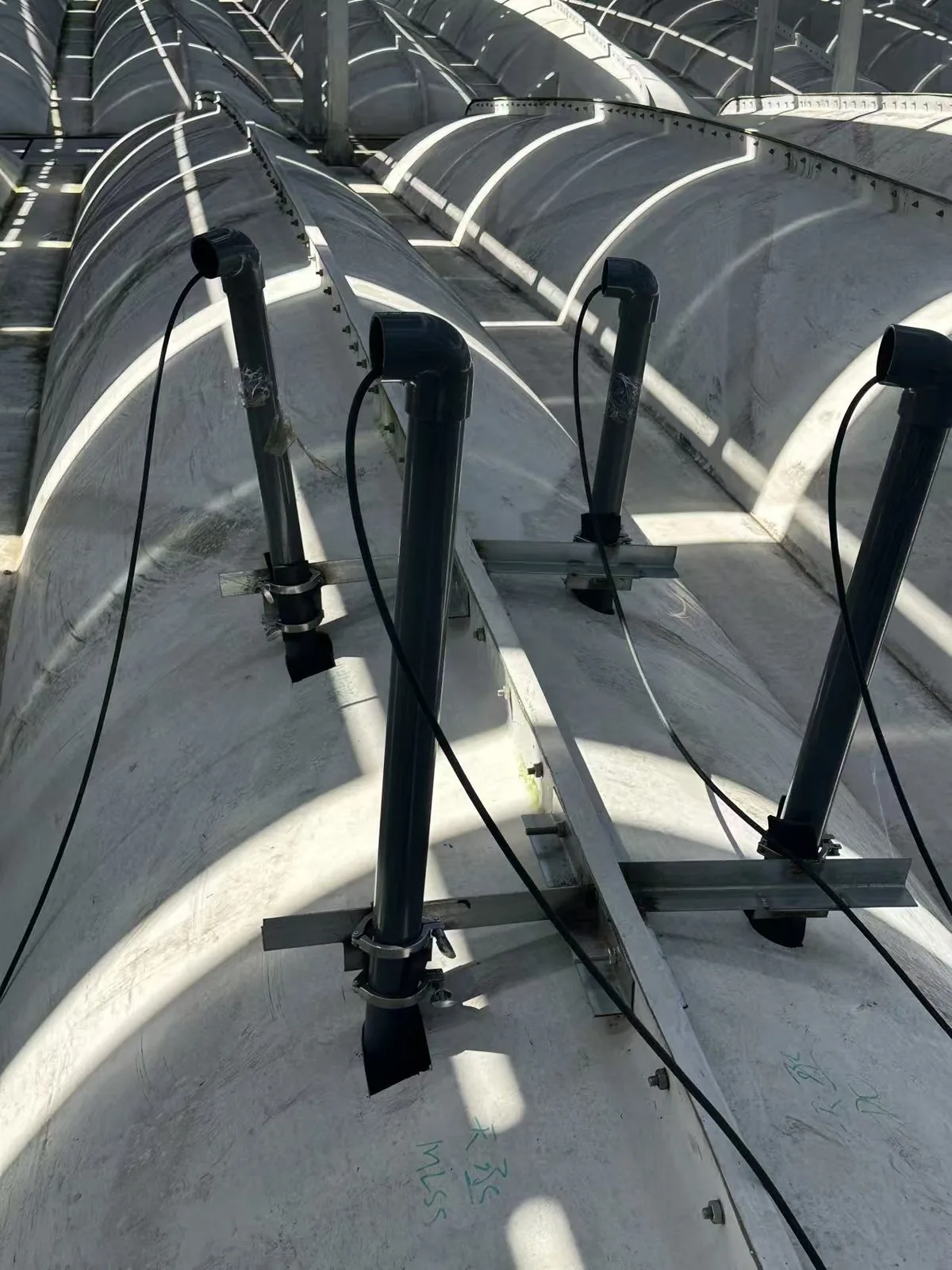
Sludge concentration and blanket-level measurement were unreliable, so discharge relied on operator experience. Timing and volume were hard to control precisely — under-discharge, over-discharge and sludge loss all occurred, destabilizing effluent quality and pushing up running costs.
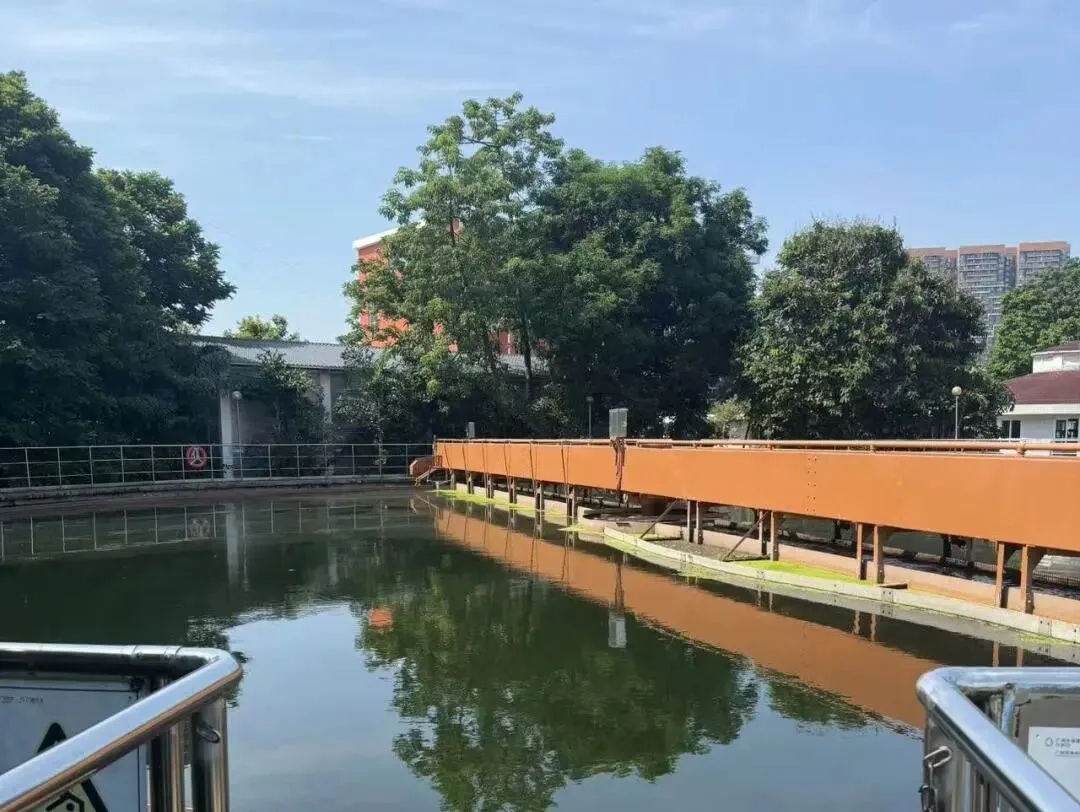
Accurate sludge-blanket level measurement in the secondary clarifiers is the key to controlling scraper start/stop, saving energy and keeping effluent compliant — but the plant faced the industry's common pain points: strong water disturbance, sludge fouling on probes and a blurry mud-water boundary made the actual blanket thickness hard to determine, while conventional ultrasonic meters were severely disturbed by scum and bubbles, producing drifting data that could not be used as a basis for automatic control.
Facing a similar monitoring challenge?
Tell us about your application — our engineers will reference this project experience and design a solution for your site.