WWTP Process Control
Sludge Blanket Level Monitoring at Guangzhou Datansha WWTP
 1 / 4
Project Background
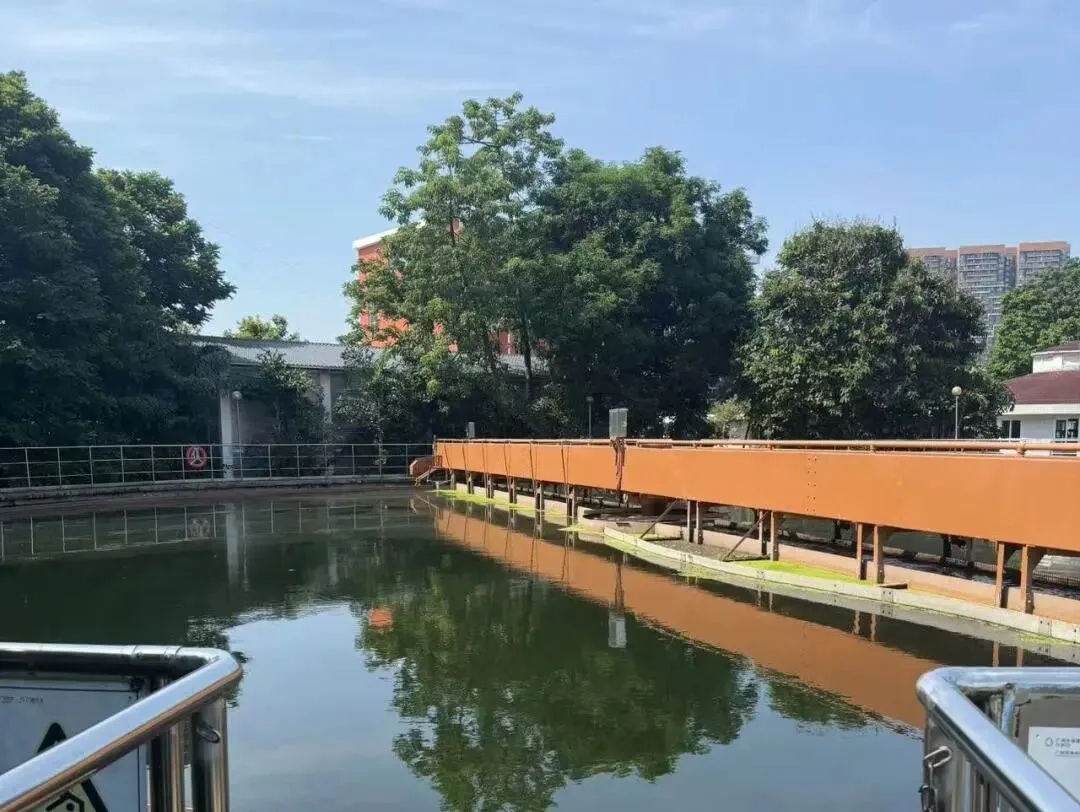
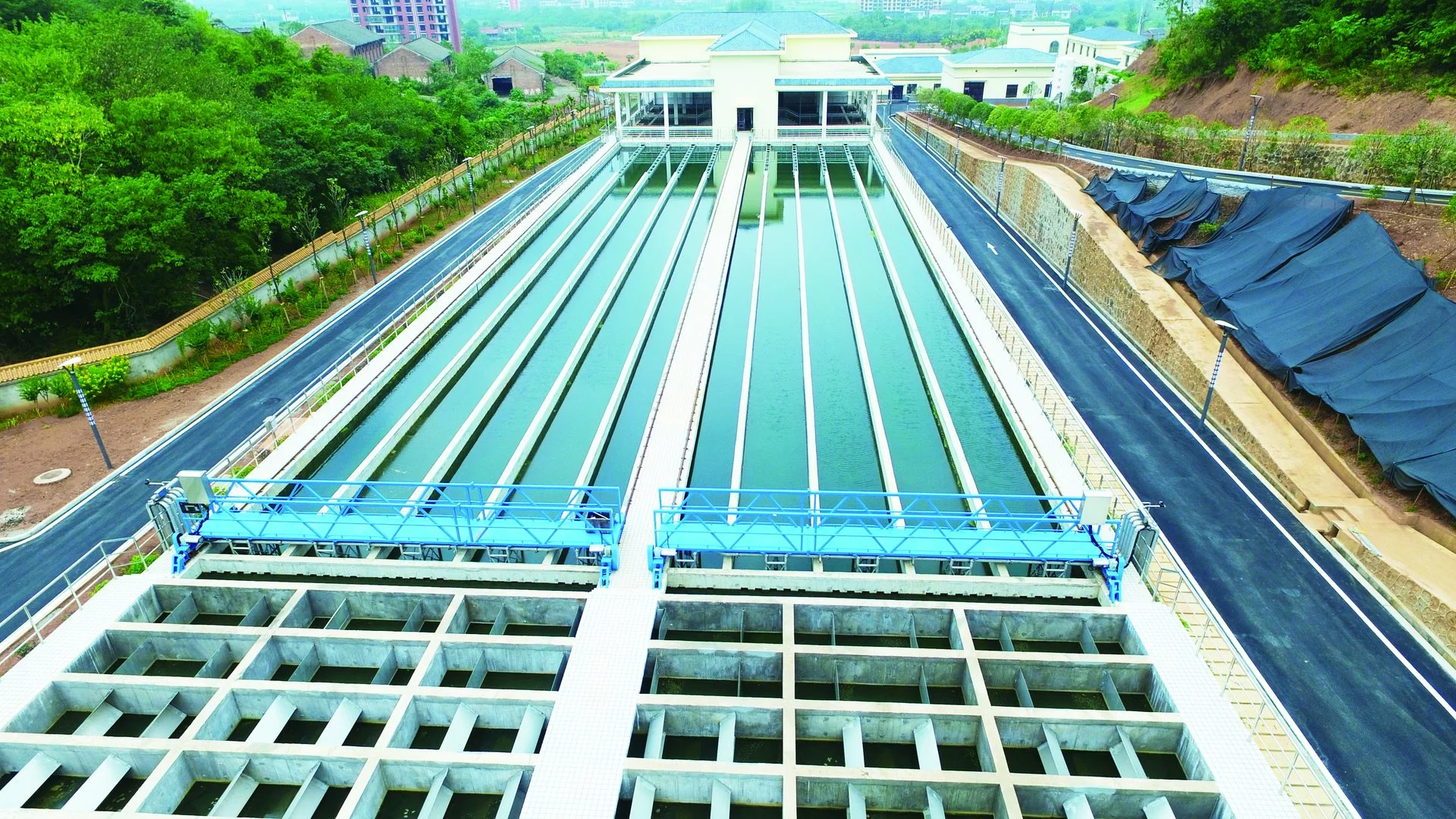
Built in 1989, Datansha is Guangzhou's first large-scale municipal wastewater treatment plant. After multiple expansions it now treats 550,000 m³/day for about 1.5 million residents in the Yuexiu and Liwan districts, and is recognized as a benchmark for refined plant operation in South China.
Customer Challenge
Accurate sludge-blanket level measurement in the secondary clarifiers is the key to controlling scraper start/stop, saving energy and keeping effluent compliant — but the plant faced the industry's common pain points: strong water disturbance, sludge fouling on probes and a blurry mud-water boundary made the actual blanket thickness hard to determine, while conventional ultrasonic meters were severely disturbed by scum and bubbles, producing drifting data that could not be used as a basis for automatic control.
The TENGINE Solution
After rigorous pilot testing, TENGINE's latest intelligent USL sludge blanket level meter was deployed on four secondary clarifiers. An advanced AI learning algorithm accurately identifies complex sludge-layer changes, and a brush self-cleaning device eliminates sludge adhesion for long-term maintenance-free operation. The core technology — granted a national invention patent — overcomes the unstable-signal weakness of traditional ultrasonic measurement and suits a wide range of clarifier designs.
Implementation
Pilot installation first: readings were cross-checked against manual core-sampling tubes and matched closely, meeting production-control accuracy requirements. The meters were then rolled out to four secondary clarifiers, feeding real-time blanket-level data to the plant control system.
Project Results
With accurate real-time blanket data, the plant now starts and stops its scrapers on demand, eliminating ineffective idle running at the source. The customer reports precise data and stable operation — a solid step toward refined, energy-efficient production management, and a snapshot of how domestic monitoring technology is upgrading China's veteran treatment plants.
Related Case Studies

A mega-project of this scale places extreme demands on water quality data — accuracy and stability must hold over decades of operation. The wastewater treatment works required continuous online monitoring of oil content in water: a demanding measurement that has to run unattended in a harsh coastal desert environment, resist fouling, and integrate cleanly into plant process control.
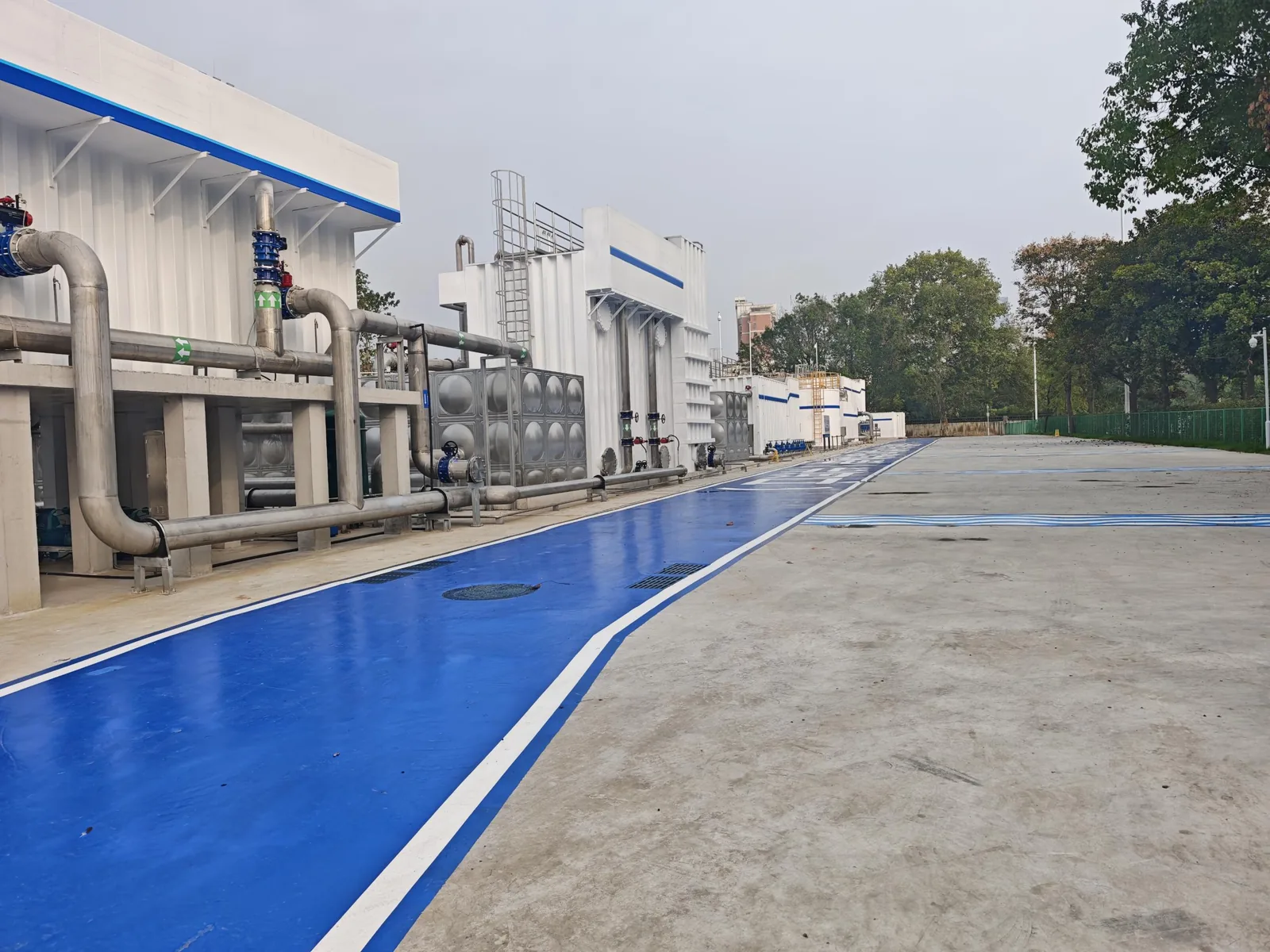
Membrane performance calibration demands precise, time-aligned and traceable water-quality data to verify retention, anti-fouling and cleaning-recovery behavior. The pain points were acute: micro-leakage is hard to detect, and instrument drift under variable operating conditions contaminates the baseline data that the whole evaluation depends on.
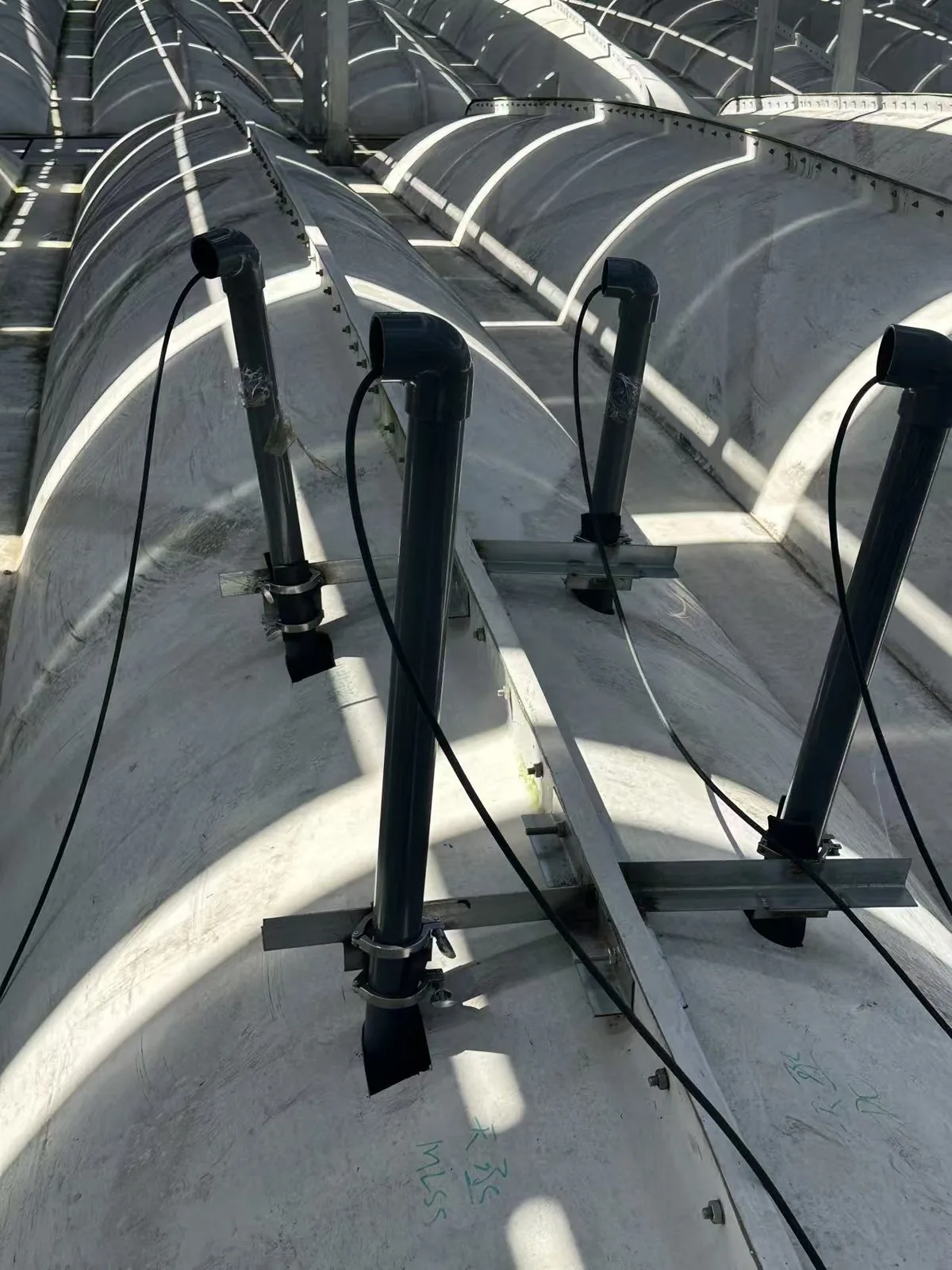
Sludge concentration and blanket-level measurement were unreliable, so discharge relied on operator experience. Timing and volume were hard to control precisely — under-discharge, over-discharge and sludge loss all occurred, destabilizing effluent quality and pushing up running costs.
Facing a similar monitoring challenge?
Tell us about your application — our engineers will reference this project experience and design a solution for your site.