
Secondary Water Supply
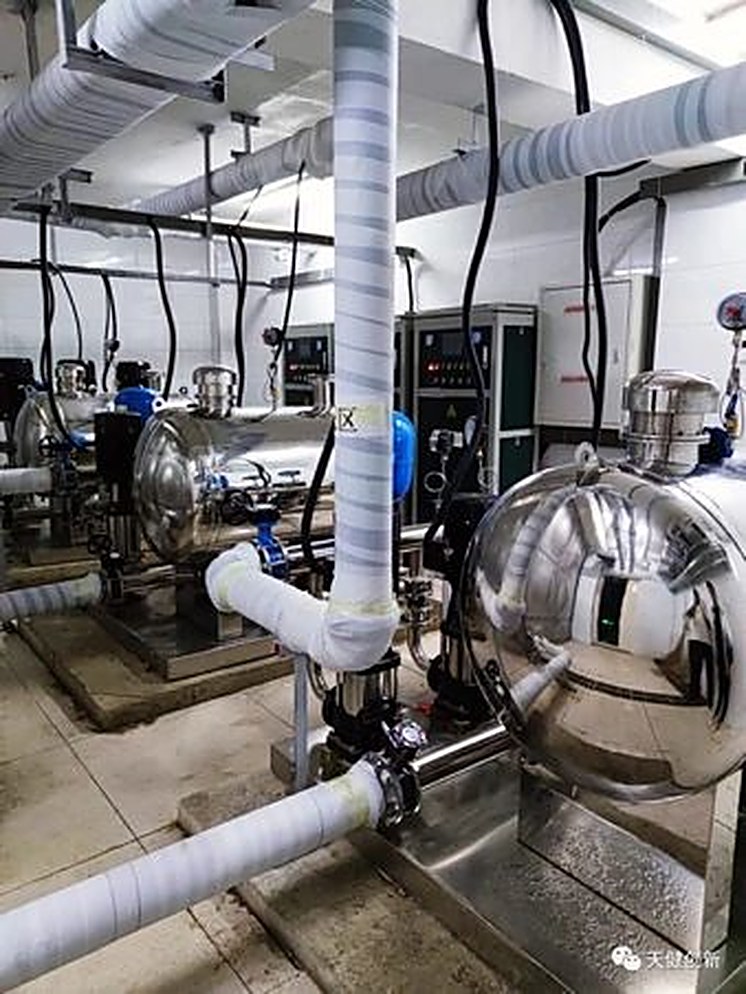
Safety Monitoring at a Residential Booster Pump Station
 1 / 4
1 / 4Project Background
Water-quality safety monitoring at a residential booster pump station.
Customer Challenge
Residential booster (secondary) pump stations are the last mile before taps; water quality can degrade in storage and pumping, yet these points are rarely monitored, creating a safety blind spot.
The TENGINE Solution
Water-quality safety monitoring at the residential booster pump station (Free Chlorine, Turbidity, pH).
Implementation
FCL Free Chlorine / Chlorine Dioxide Analyzer, MTU High-Precision Turbidity Analyzer, TPH pH Analyzer, TC2000 Multi-Parameter Intelligent Controller.
Project Results
Continuous monitoring at the booster station closed the last-mile safety gap, giving residents and property managers real-time assurance of delivered water quality.
Related Case Studies
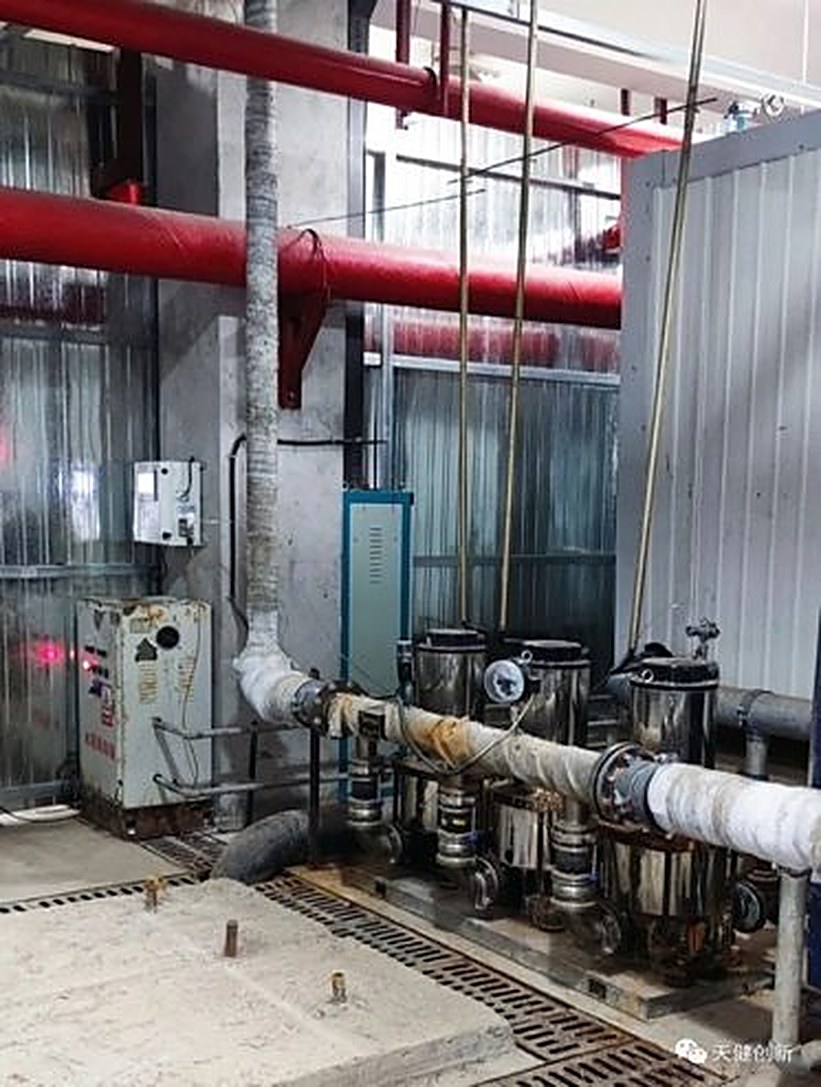
A printing industrial park's secondary water supply needed quality assurance across its storage and boosting system to protect tenant operations and staff.
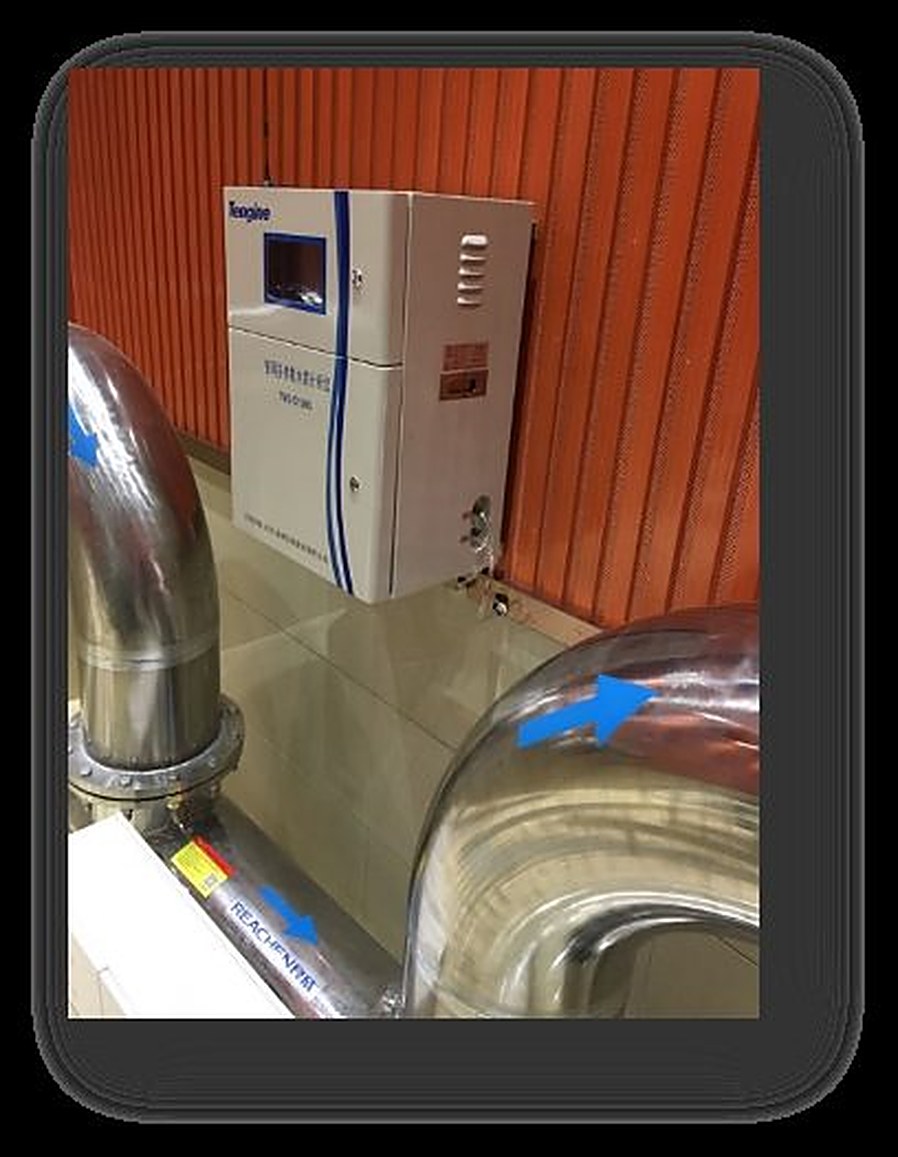
A residential community's secondary water supply needed smarter oversight: quality must be tracked continuously and any anomaly flagged immediately to protect residents.
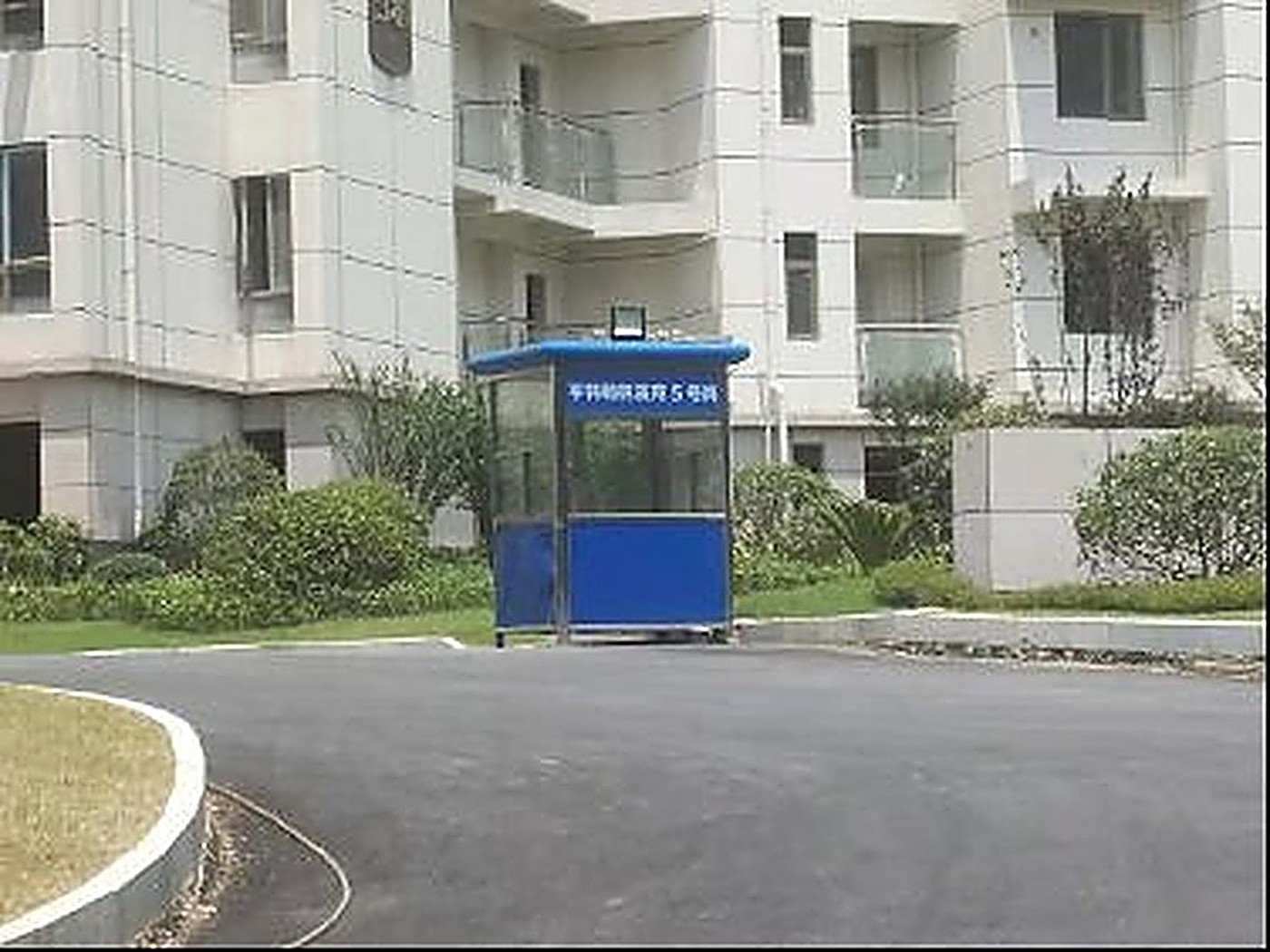
High-rise residences depend on secondary water supply, where tank and pump conditions directly affect tap-water quality; this benchmark project required dependable, continuous monitoring and a presentable, replicable setup.
Facing a similar monitoring challenge?
Tell us about your application — our engineers will reference this project experience and design a solution for your site.