
Water Treatment Plant Monitoring
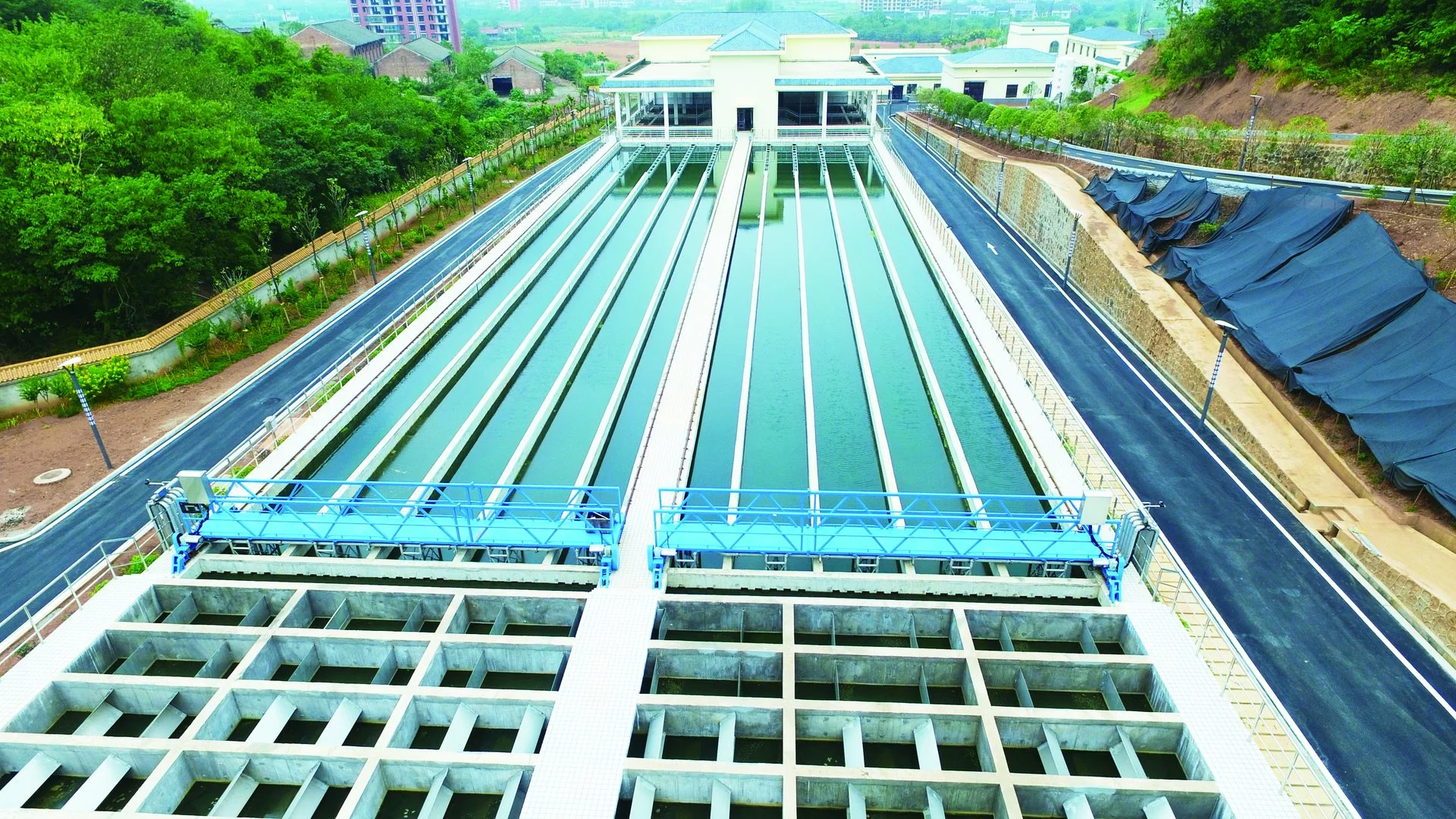
Full-Process Water Quality Monitoring at Zhengding Surface Water Plant
 1 / 4
Project Background
Zhengding's surface water plant supplies the county's urban residents. Full-process monitoring — from the filters and sedimentation basins to finished water — was needed to replace experience-based operation with data-driven control.
Customer Challenge
A surface water plant has many treatment stages, and running them on operator experience alone leaves blind spots: filter backwash timing, sedimentation-basin sludge discharge and disinfectant dosing could not be adjusted dynamically against actual water conditions, risking off-spec finished water.
The TENGINE Solution
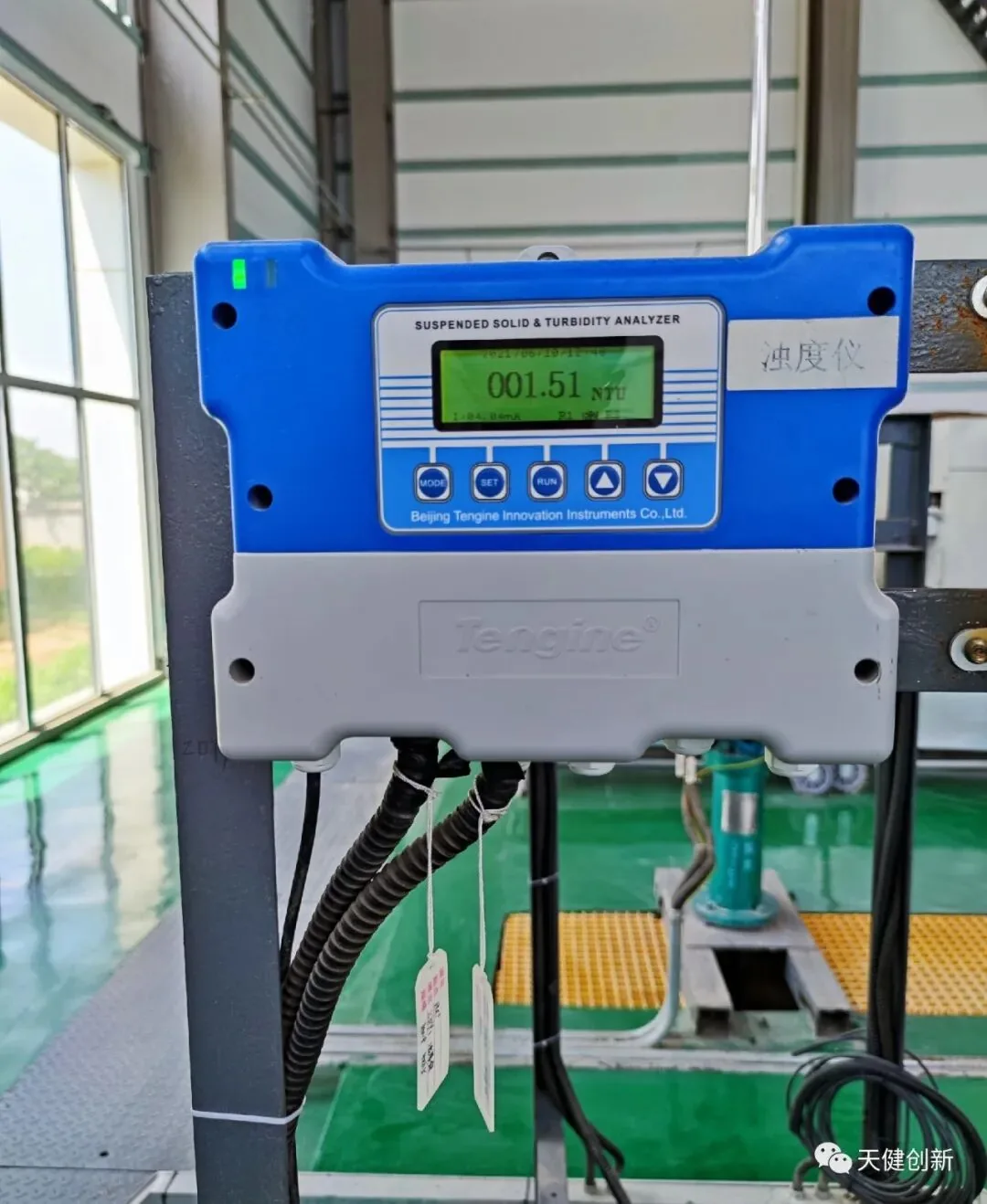
TENGINE deployed monitoring across the core treatment stages: turbidity analyzers track filter inlet and outlet water to time backwashing; the USL sludge blanket level meter watches sludge thickness in the sedimentation basins to guide precise sludge discharge; and FCL chlorine analyzers with pH instruments monitor finished-water indicators in real time to help adjust disinfectant dosing dynamically.
Implementation
Turbidity, sludge blanket level, chlorine and pH instruments were installed at the filters, sedimentation basins and finished-water points, integrated into the plant's monitoring system for full-process intelligent control.
Project Results
The plant's treatment process is now precisely monitored and intelligently controlled end to end — backwash, sludge discharge and dosing all follow real data, operator error is engineered out, finished-water quality stays compliant, and urban residents' drinking water is safeguarded.
Related Case Studies

The plant's raw water comes from an upstream reservoir whose quality swings constantly: sediment wash-in from rainstorms, summer algae blooms and organic-matter spikes, drought-period changes. Worse, by the time abnormal water reached the plant intake and was detected, several hours had already passed — the best window for response was gone.
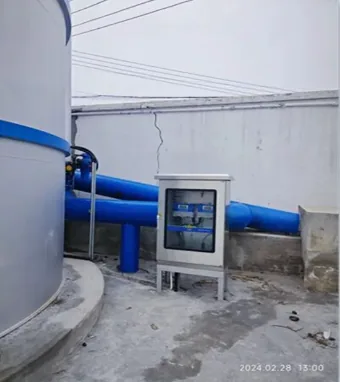
The upgraded plant demanded high accuracy on difficult measurements — low-turbidity drinking water and residual chlorine among them — with instruments that integrate stably into the plant's automation system. Site conditions threw up real problems too, such as abnormal inlet flow conditions, and the schedule required fast technical response and on-site problem solving.
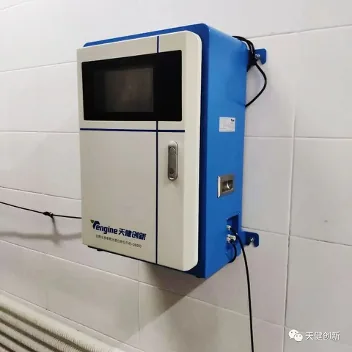
Monitoring points at the plant were tight on space and demanded highly integrated, easy-to-install equipment. A traditional multi-instrument stack means complex wiring and heavy maintenance, and data from scattered devices is prone to inconsistency — exactly what a compliant finished-water monitoring point cannot tolerate.
Facing a similar monitoring challenge?
Tell us about your application — our engineers will reference this project experience and design a solution for your site.