
Rural & Township Wastewater
965 Instruments for 22 Village & Township Wastewater Plants in Fuyang
Project Background
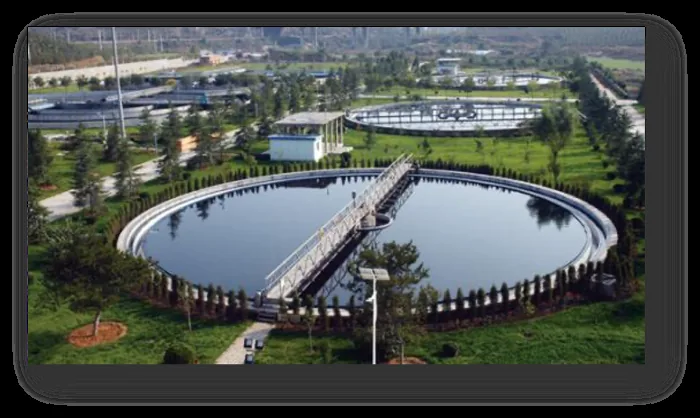
Twenty-two village and township wastewater plants across Fuyang — each running A²O+MBR at around 2,000 m³/day — bring treatment to dispersed rural communities under one operating umbrella.
Customer Challenge
Twenty-two sites are numerous and scattered. The A²O+MBR process needs sludge concentration, dissolved oxygen, pH, flow and gas-flow data to run well; but the operator cannot station experts at every village plant, so instruments must be stable, long-lived and centrally supervised.
The TENGINE Solution
TENGINE deployed 965 instruments of 10 types across the 22 plants: MLSS suspended-solids meters, LDO luminescent dissolved oxygen, pH meters, ultrasonic open-channel flowmeters, electromagnetic flowmeters and thermal gas mass flowmeters — a unified equipment platform for every site.
Implementation
The unified instrument platform was rolled out across all 22 plants' biochemical tanks and effluent metering points, with data converging for centralized supervision.
Project Results
All 22 plants now run on dependable real-time data: A²O+MBR process control has solid footing, aeration energy is managed, sludge conditions are controlled, and every village plant's effluent stays compliant — supporting rural water-environment governance at county scale.
Related Case Studies

A mega-project of this scale places extreme demands on water quality data  accuracy and stability must hold over decades of operation. The wastewater treatment works required continuous online monitoring of oil content in water: a demanding measurement that has to run unattended in a harsh coastal desert environment, resist fouling, and integrate cleanly into plant process control.
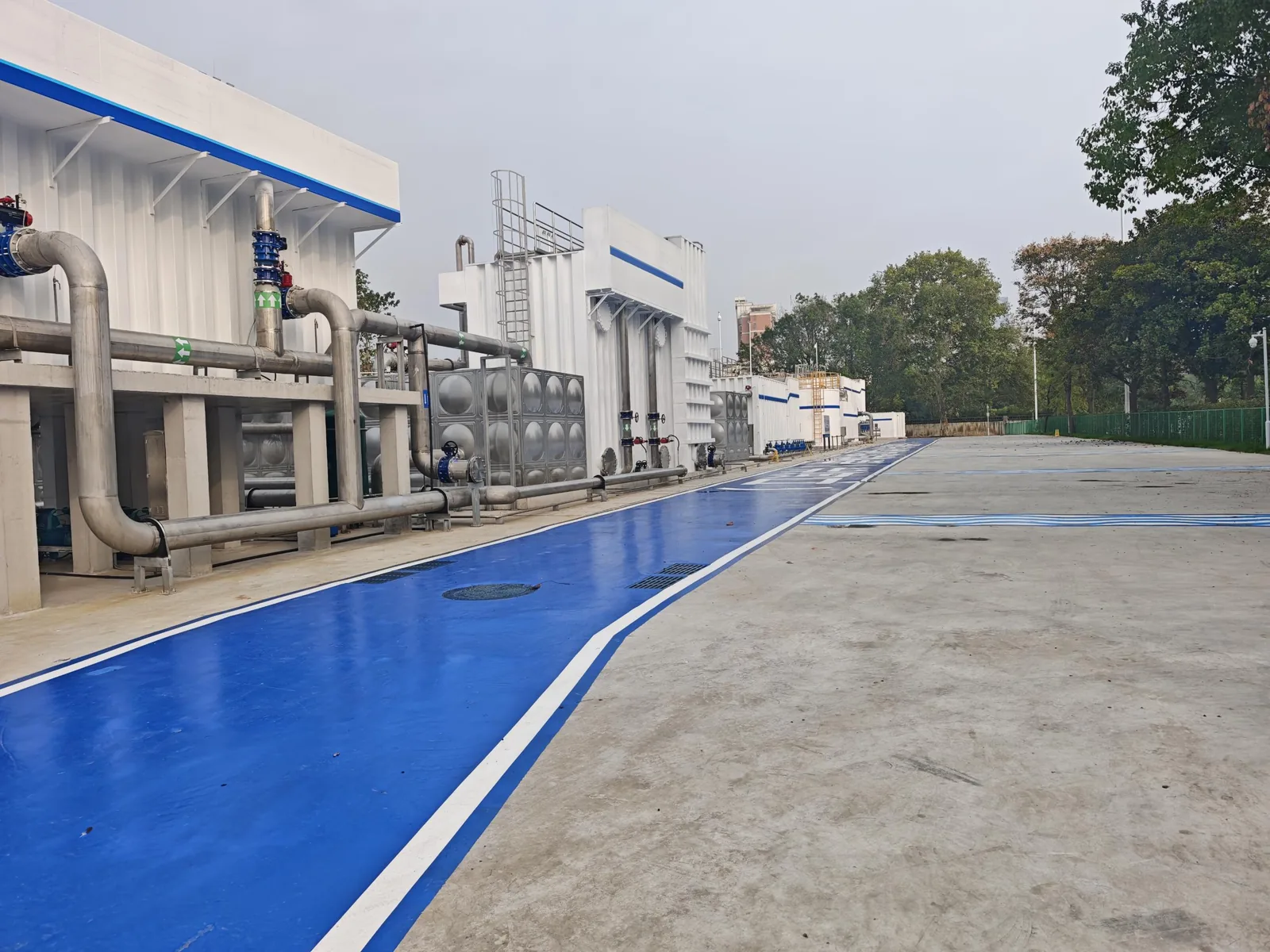
Membrane performance calibration demands precise, time-aligned and traceable water-quality data to verify retention, anti-fouling and cleaning-recovery behavior. The pain points were acute: micro-leakage is hard to detect, and instrument drift under variable operating conditions contaminates the baseline data that the whole evaluation depends on.
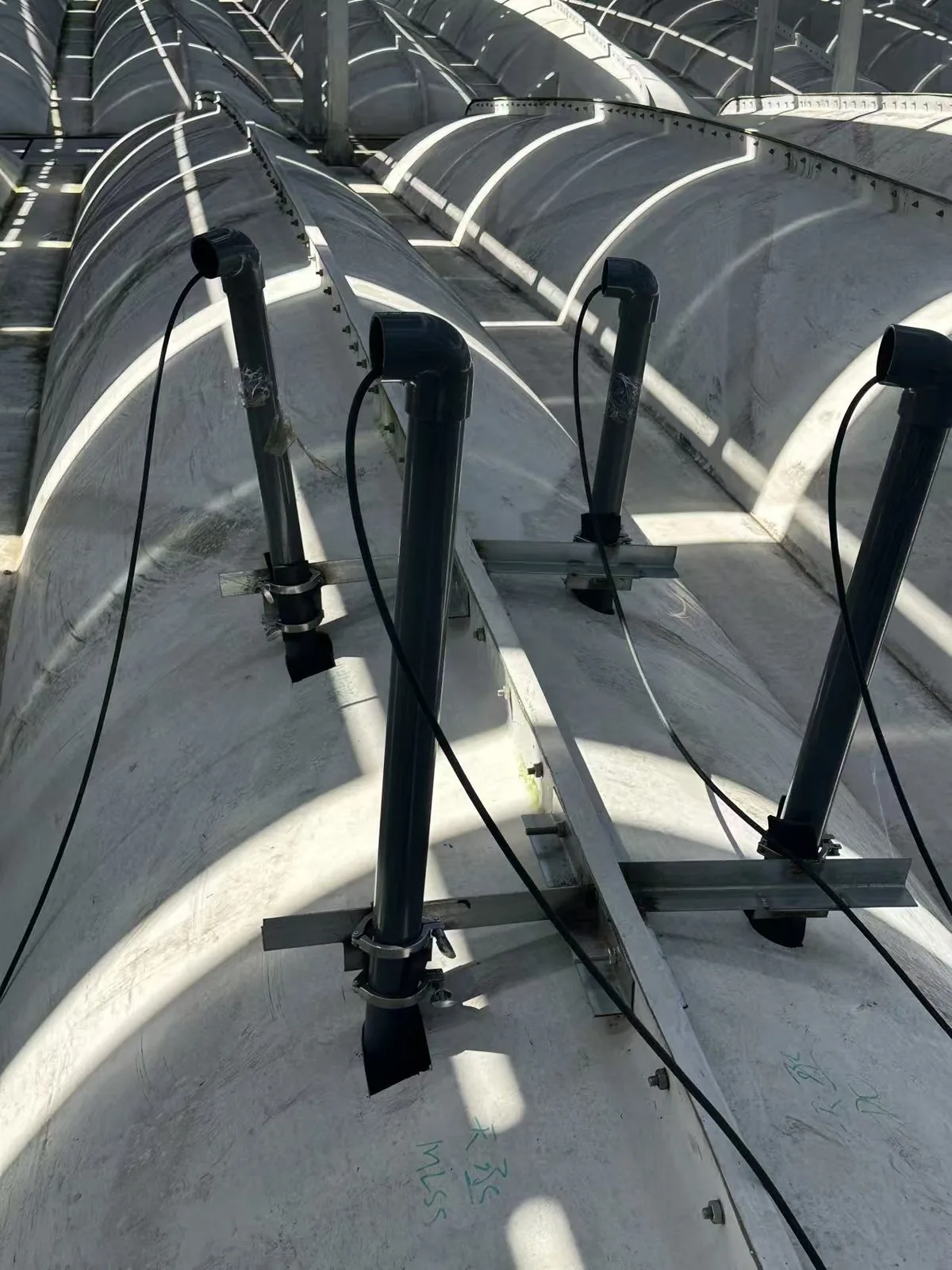
Sludge concentration and blanket-level measurement were unreliable, so discharge relied on operator experience. Timing and volume were hard to control precisely — under-discharge, over-discharge and sludge loss all occurred, destabilizing effluent quality and pushing up running costs.
Facing a similar monitoring challenge?
Tell us about your application — our engineers will reference this project experience and design a solution for your site.