Medical Wastewater
Residual-Chlorine Monitoring of Medical Wastewater at a Guangxi Hospital
 1 / 2
Project Background
During the pandemic, medical wastewater — carrying high loads of bacteria, viruses and chemical reagents — became an acute transmission risk. A hospital in Guangxi needed precise, stable residual-chlorine monitoring to prove its wastewater disinfection was actually working; its existing monitoring could not deliver that certainty.
Customer Challenge
Pandemic conditions demanded rapid deployment and rock-solid chlorine measurement in a difficult matrix: medical wastewater varies in pH and carries surfactants and organics that disturb ordinary chlorine electrodes — exactly when failure was not an option.
The TENGINE Solution
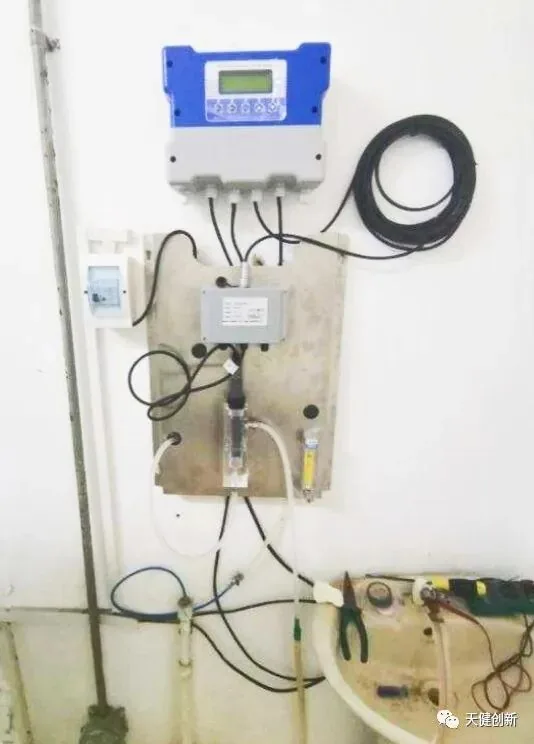
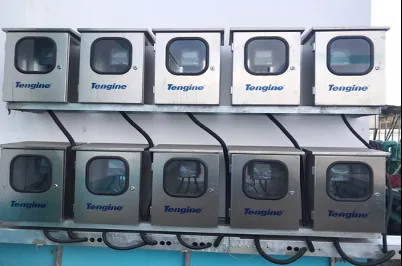
TENGINE responded at speed during the most urgent phase, installing TRC residual chlorine analyzers at the hospital's wastewater monitoring points. The imported electrode offers a long electrolyte and membrane-cap replacement cycle; the electrode, flow cell and flowmeter are panel-mounted together for precise flow control; and the measurement tolerates low pH dependence and small amounts of surfactants — staying accurate in the medical wastewater matrix.
Implementation
The analyzers were installed rapidly at the hospital's wastewater points, commissioned and handed over under pandemic constraints.
Project Results
The hospital achieved precise, round-the-clock stable chlorine monitoring of its medical wastewater — disinfection compliance is verifiably maintained, and the risk of virus and bacteria spreading through the wastewater stream is closed off.
Related Case Studies
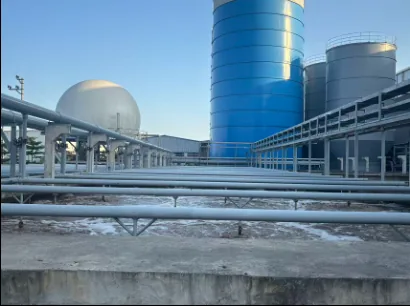
The mill had long relied on imported instrument brands: procurement, system deployment and O&M costs were all high, and a mixed-brand fleet brought poor compatibility, fragmented after-sales and inefficient maintenance. It needed a single accountable supplier without giving up measurement performance.
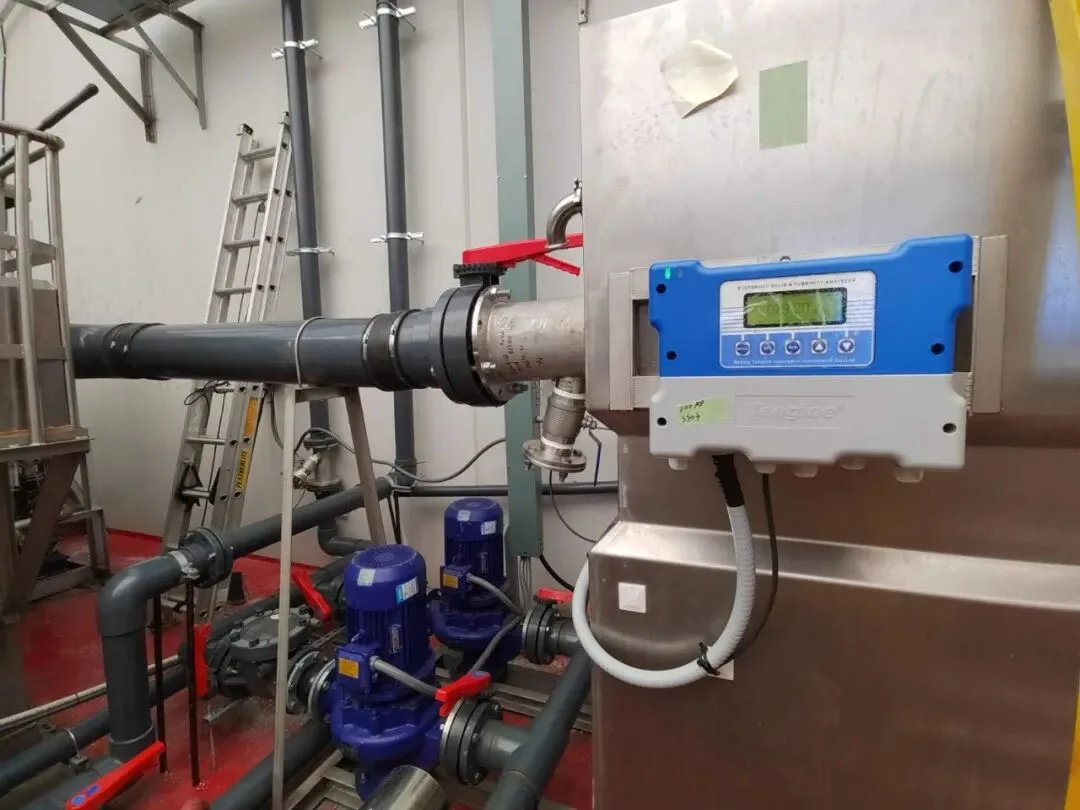
Tofu production is water-intensive, and process water can carry contaminants such as heavy metals and organic pollutants. Without continuous monitoring, quality risks to the product — and health risks to consumers — can go undetected. At the same time, improperly managed wastewater discharge harms the environment and exposes the company to regulatory violations and legal liability.
The mixed industrial influent is complex and swings hard; the AAO process demands close tracking of DO, sludge concentration and quality parameters; and with monitoring points spread across the whole plant, a single instrument type could never fit every location. Data lag or loss directly threatens process stability and effluent compliance.
Facing a similar monitoring challenge?
Tell us about your application — our engineers will reference this project experience and design a solution for your site.