
River Basin Monitoring
Buoy-Based Monitoring of the Jinghe River Basin in Tongzhou, Beijing
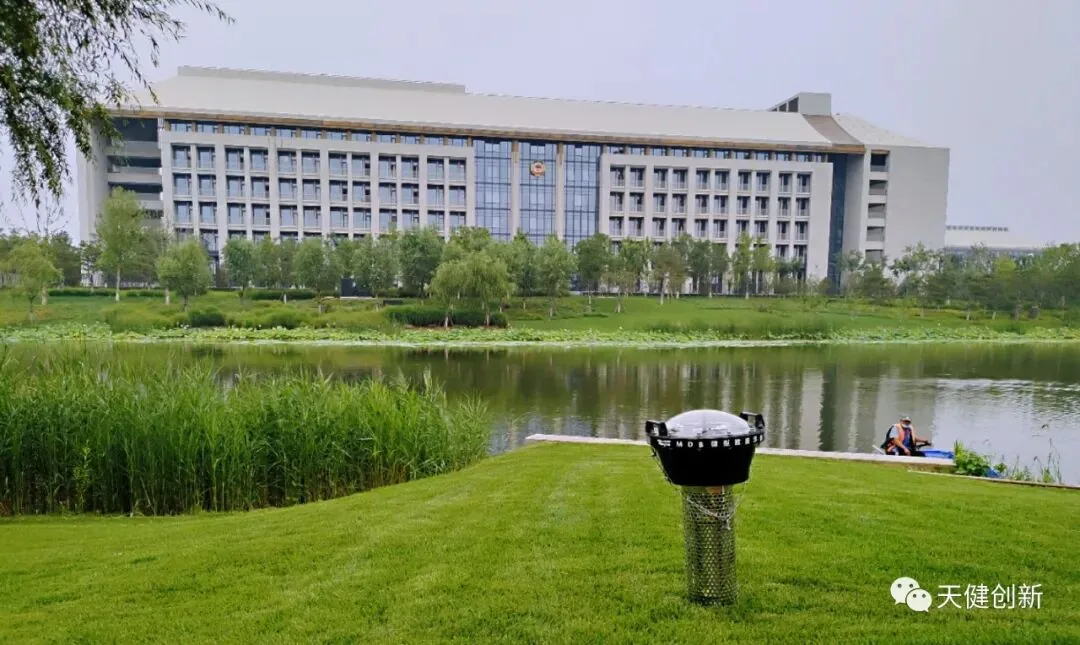 1 / 2
Project Background
Urban rivers like the Jinghe in Beijing's Tongzhou District are vital to the city's ecology and landscape, yet black-odor pollution remains a common threat. Evaluating and protecting the river requires continuous water-quality data from within the river itself.
Customer Challenge
The basin needed in-situ monitoring at key river sections to catch pollutant discharges and keep water quality stable — equipment that floats on the water, powers itself, and keeps working far from any utility infrastructure.
The TENGINE Solution
TENGINE's MDB buoy-type micro monitoring & warning stations were anchored at key sections of the Jinghe basin, fitted with TENGINE digital sensors measuring COD, ammonia nitrogen, chlorophyll and dissolved oxygen. The solar-powered buoy with high-capacity lithium battery keeps working for 30 days of overcast weather; warning lights plus GPS/BeiDou dual positioning keep it safe; and the IoT platform delivers remote monitoring, analytics and alarms.
Implementation
Buoy stations were deployed at the basin's key monitoring sections. The highly interference-resistant digital sensors run unattended, transmitting real-time data to the IoT water-quality platform.
Project Results
The Jinghe basin now has real-time in-situ monitoring and early warning — helping prevent pollutant discharge and keeping the river stable, safe and clear.
Related Case Studies
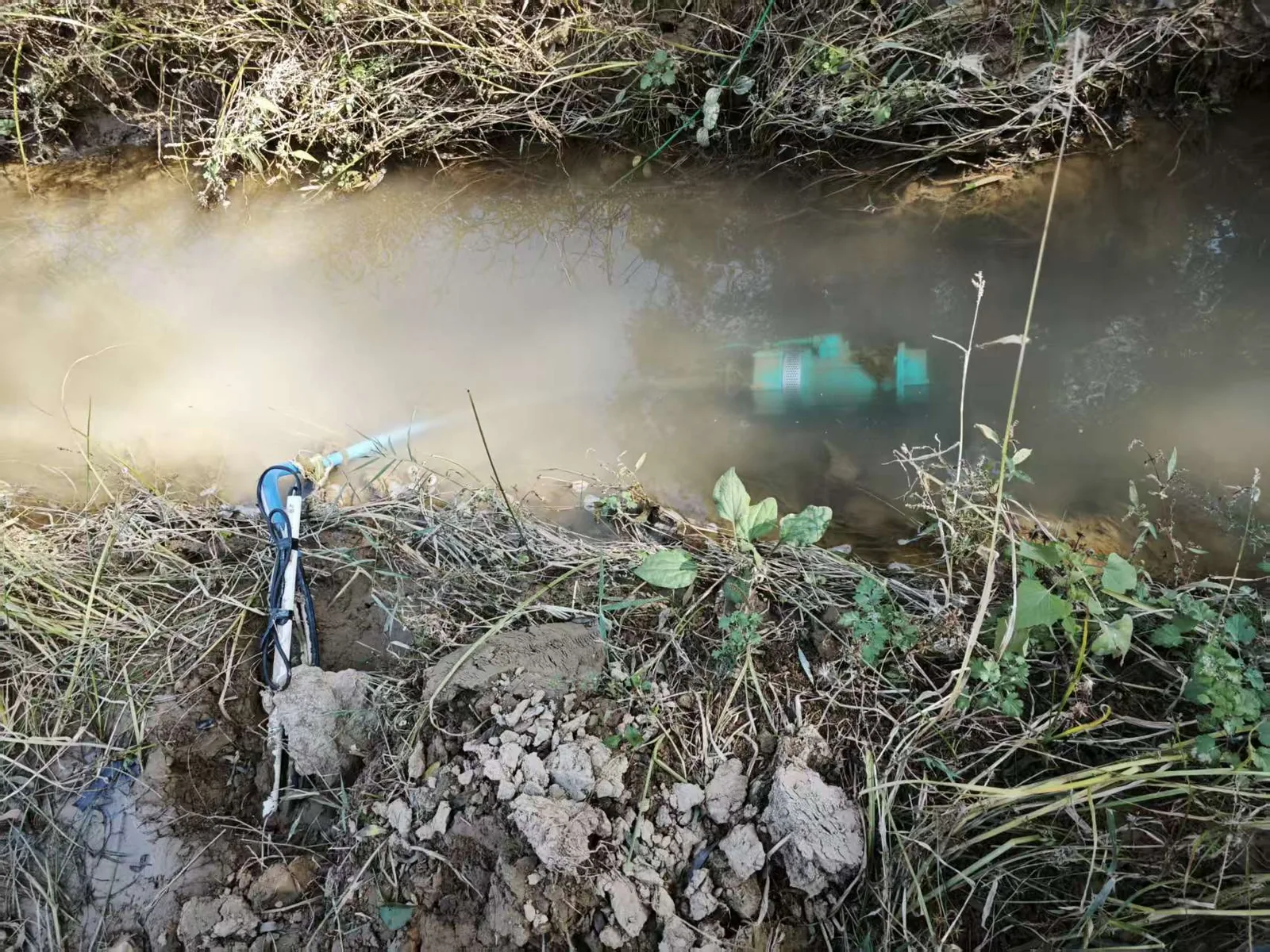
The river basin needed continuous, automated water-quality supervision across multiple points — with the ability to warn of risks before incidents happen, not just record them afterwards. Dispersed sites demanded compact, low-maintenance stations with dependable digital sensing.
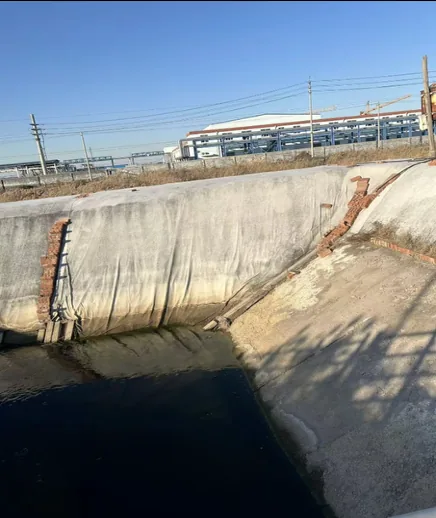
River sites demand equipment that survives outdoor conditions with minimal attention: fast water-sample exchange for truthful readings, long maintenance intervals, and simple installation without buildings or extensive infrastructure.
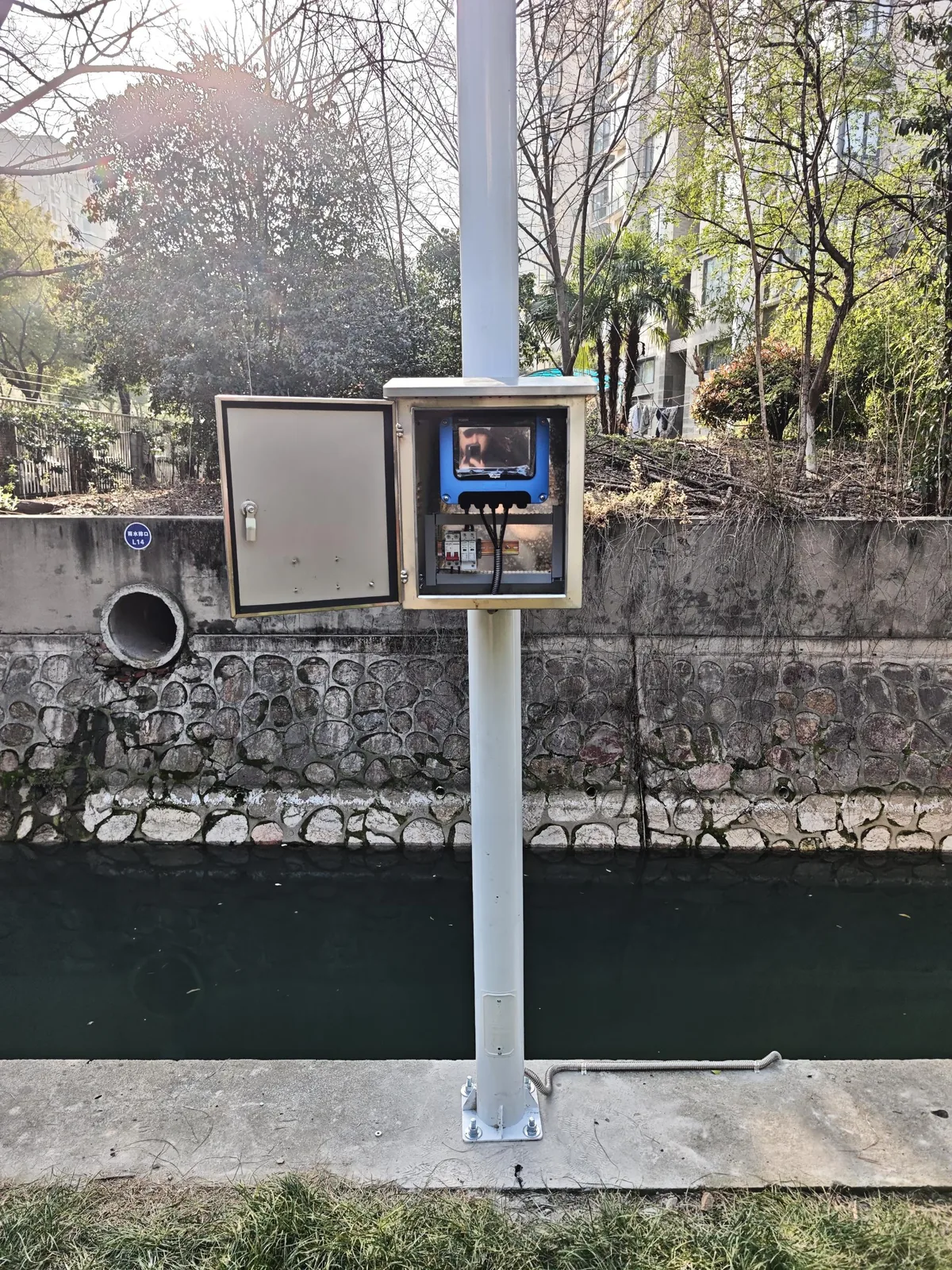
Outfall regulation requires trustworthy, continuous data at the river points downstream of discharge outlets — monitoring COD and ammonia nitrogen where pollution would actually show up, and feeding the district's smart platform for governance decision-making.
Facing a similar monitoring challenge?
Tell us about your application — our engineers will reference this project experience and design a solution for your site.