
Membrane & Reuse Processes
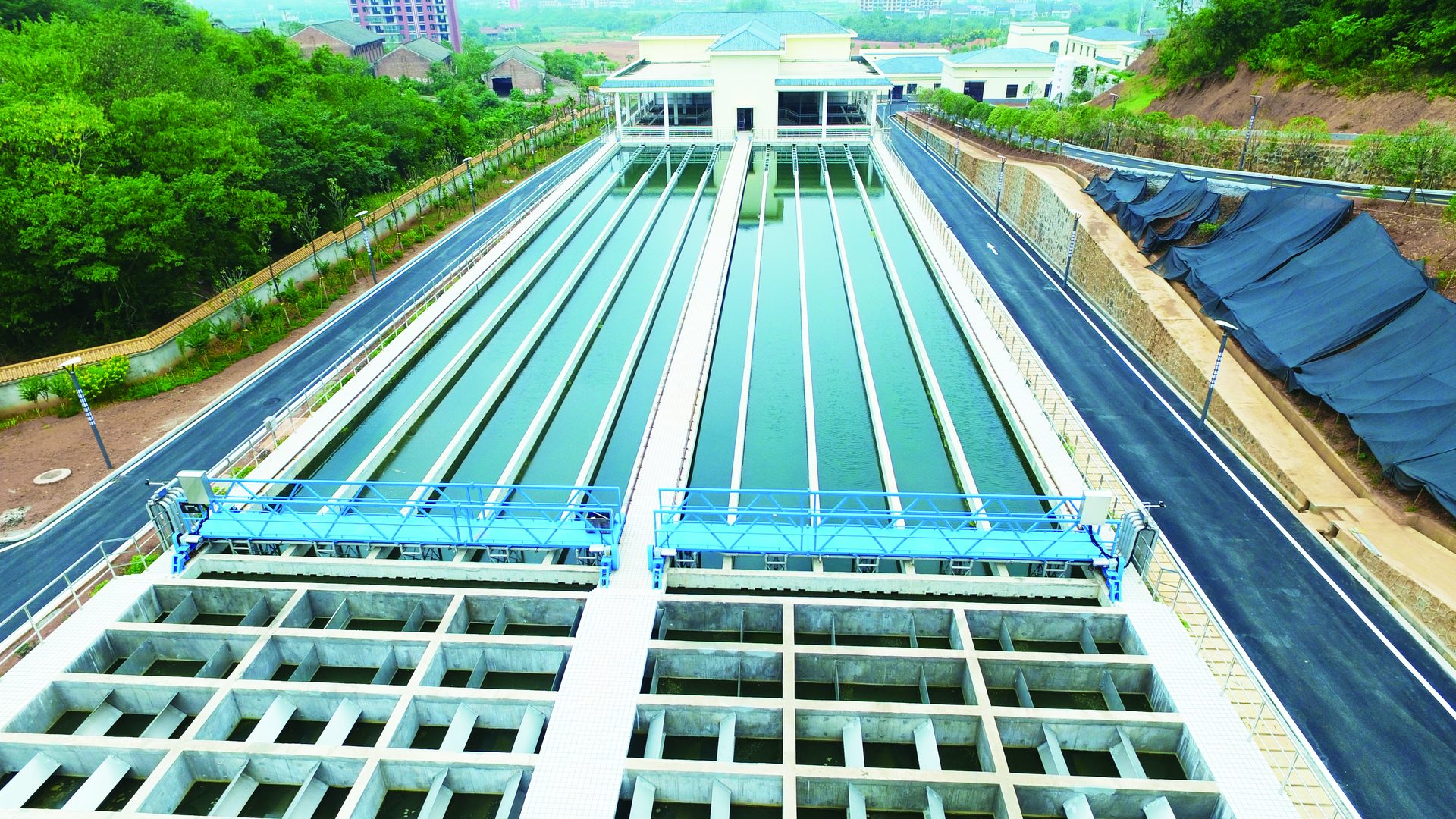
High-Standard Reclaimed Water via MBR+DF Nanofiltration
 1 / 2
1 / 2Project Background
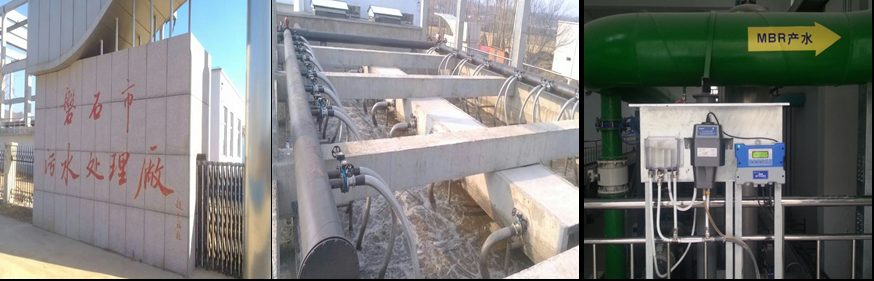
MBR+DF dual-membrane high-standard reclaimed-water production.
Customer Challenge
The MBR+DF dual-membrane process produces near-potable reclaimed water, demanding precise whole-process quality, level and flow monitoring. Membrane operation depends on real-time in-tank sludge, DO and turbidity feedback to prevent fouling. Spanning nearly 20 plant projects, unified selection required highly reliable instruments suited to complex membrane conditions.
The TENGINE Solution
MLSS suspended-solids meter, LDO optical dissolved oxygen meter, SS turbidimeter, pH meter, ORP meter, ultrasonic level & level-difference meters, electromagnetic flowmeter, pressure transmitter.
Implementation
MLSS Suspended Solids (Sludge) Concentration Analyzer, LDO Luminescent Dissolved Oxygen Analyzer, TSS Immersion Turbidity / Suspended Solids Analyzer, TPH pH Analyzer, TORP ORP Analyzer, TUL Ultrasonic Level Transmitter, TLD Electromagnetic Flowmeter.
Project Results
Serving a benchmark MBR+DF reclaimed-water demonstration project open for external visits. Instruments suit high-standard membrane treatment, securing near-potable output, and were replicated across multiple projects — building mature package-application experience for membrane reuse plants.
Related Case Studies
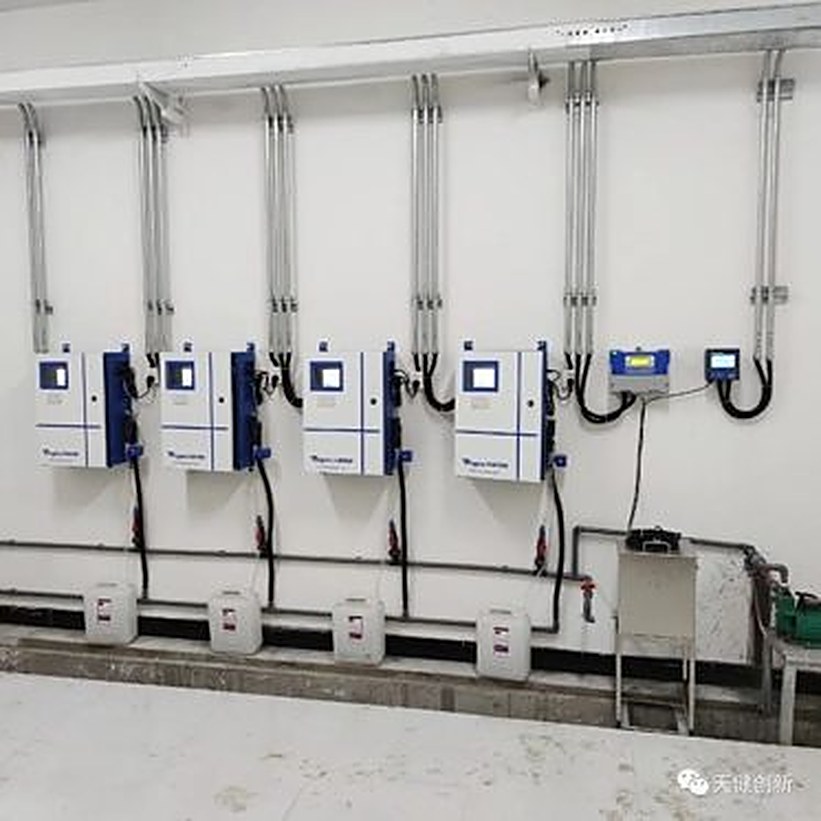
The plant handles a large daily flow through a complex multi-stage process, requiring precise control of influent/effluent quality and process status. Water quality data must also feed the environmental regulator's system, but legacy single-parameter instruments with lagging data could not support full-process control or compliant reporting.
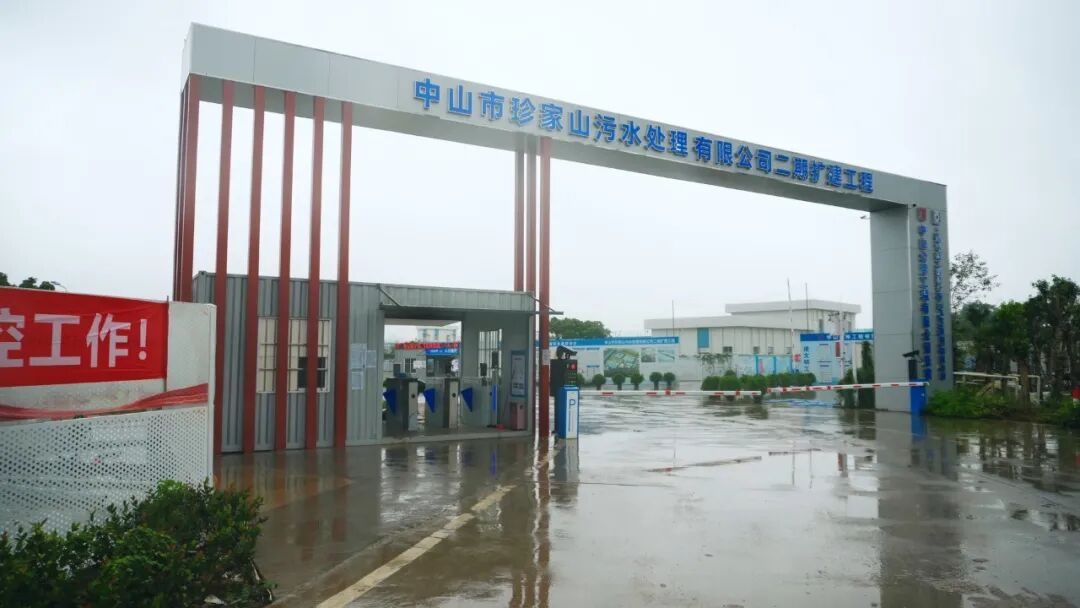
Municipal wastewater plants present complex conditions and fluctuating water quality. Instruments run continuously while submerged, so conventional meters age, drift and fail — driving up replacement and maintenance costs and conflicting with the need for long-term, low-maintenance operation.
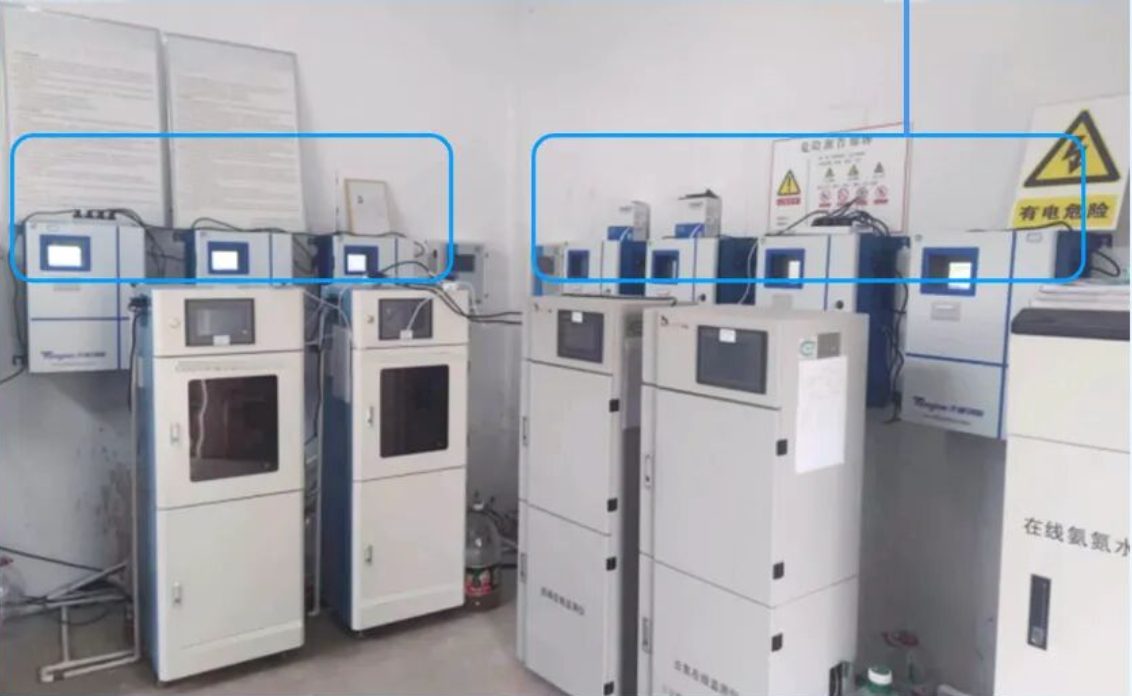
Aging online instruments no longer met current pollution-source monitoring specifications. The project had a tight schedule and complex construction, requiring on-time delivery of a large instrument batch; multiple dispersed sites demanded certified, stable devices connected to a smart-water platform, plus complete installation and commissioning services.
Facing a similar monitoring challenge?
Tell us about your application — our engineers will reference this project experience and design a solution for your site.