WWTP Process Control
13 Years of Stable Operation at Zhenjiashan Wastewater Treatment Plant
 1 / 4
Project Background
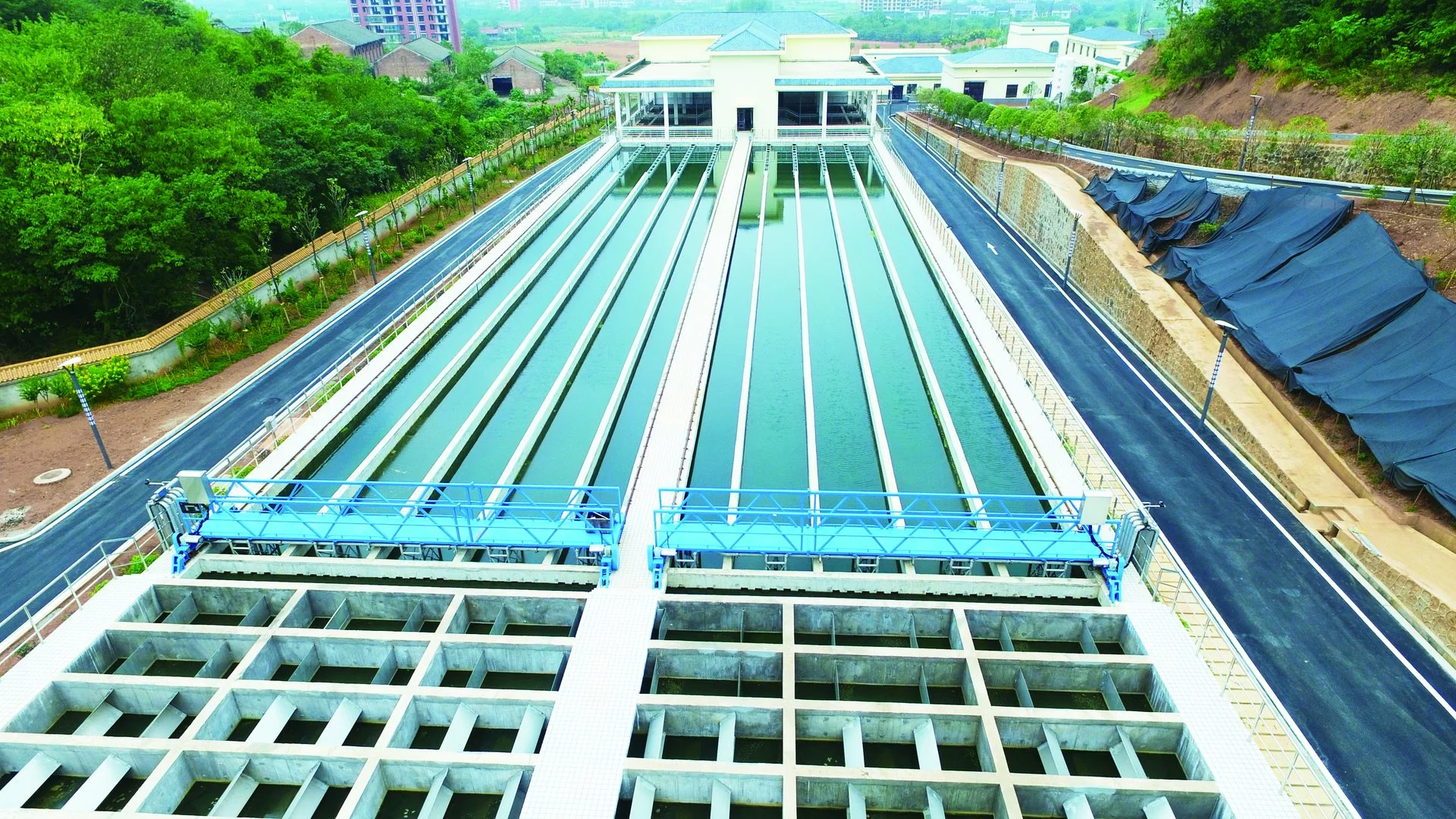
Zhenjiashan WWTP in Zhongshan's Torch Development Zone serves six districts across 34.1 km². Its 100,000 m³/d Phase I, built around a micro-aeration oxidation ditch, has been in service since March 2009, discharging to the Qijiang River; a 2018–2020 upgrade added denitrification deep-bed filters to meet the strictest Class 1A discharge standards.
Customer Challenge
Municipal wastewater plants are harsh workplaces for instrumentation: complex water conditions, constant quality fluctuation, and probes submerged around the clock. Conventional meters age, drift and fail — driving up replacement and maintenance costs and conflicting with the plant's need for long-term, low-maintenance operation.
The TENGINE Solution
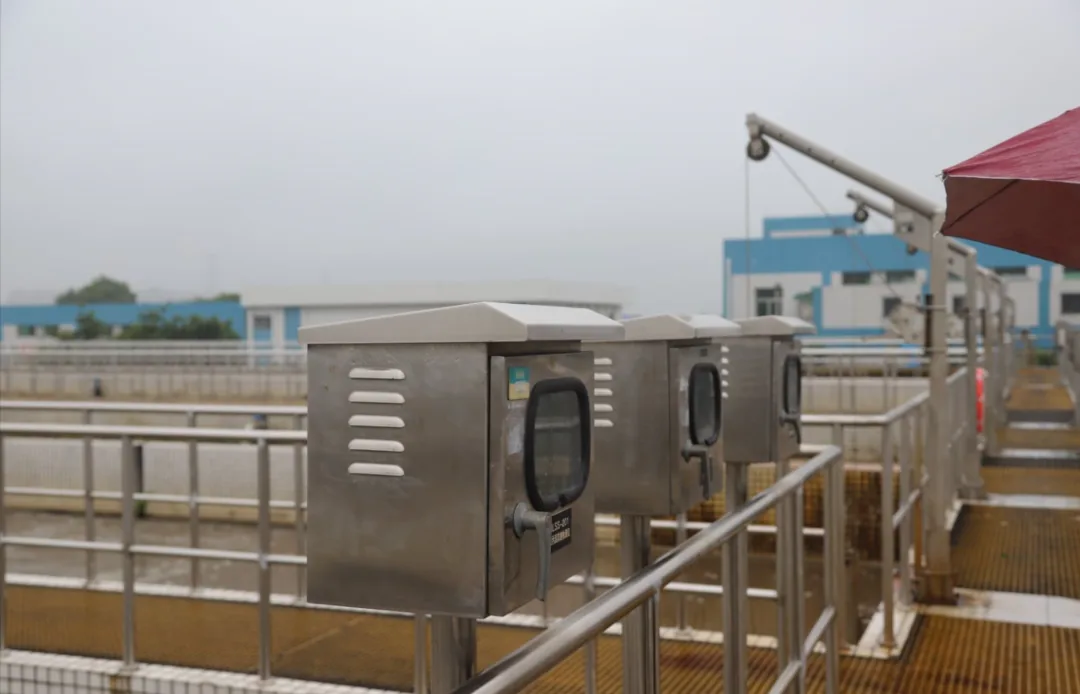
TENGINE process instruments engineered for durability — including HSS sludge concentration analyzers and TUL ultrasonic level transmitters — were installed across the plant's process line and have simply kept working.
Implementation
Rows of TENGINE instruments — sludge concentration meters, ultrasonic level meters and more — were deployed at the plant's process monitoring points, running continuously alongside the oxidation ditch and later the upgraded deep-bed filters.
Project Results
During a 2022 customer visit, plant staff confirmed that one sludge concentration analyzer had already run stably for 13 years — still measuring accurately, earning a spontaneous thumbs-up from the customer. Thirteen years of dependable data has sharply cut replacement and labor costs, fully validating the durability of TENGINE wastewater monitoring equipment.
Related Case Studies

A mega-project of this scale places extreme demands on water quality data — accuracy and stability must hold over decades of operation. The wastewater treatment works required continuous online monitoring of oil content in water: a demanding measurement that has to run unattended in a harsh coastal desert environment, resist fouling, and integrate cleanly into plant process control.
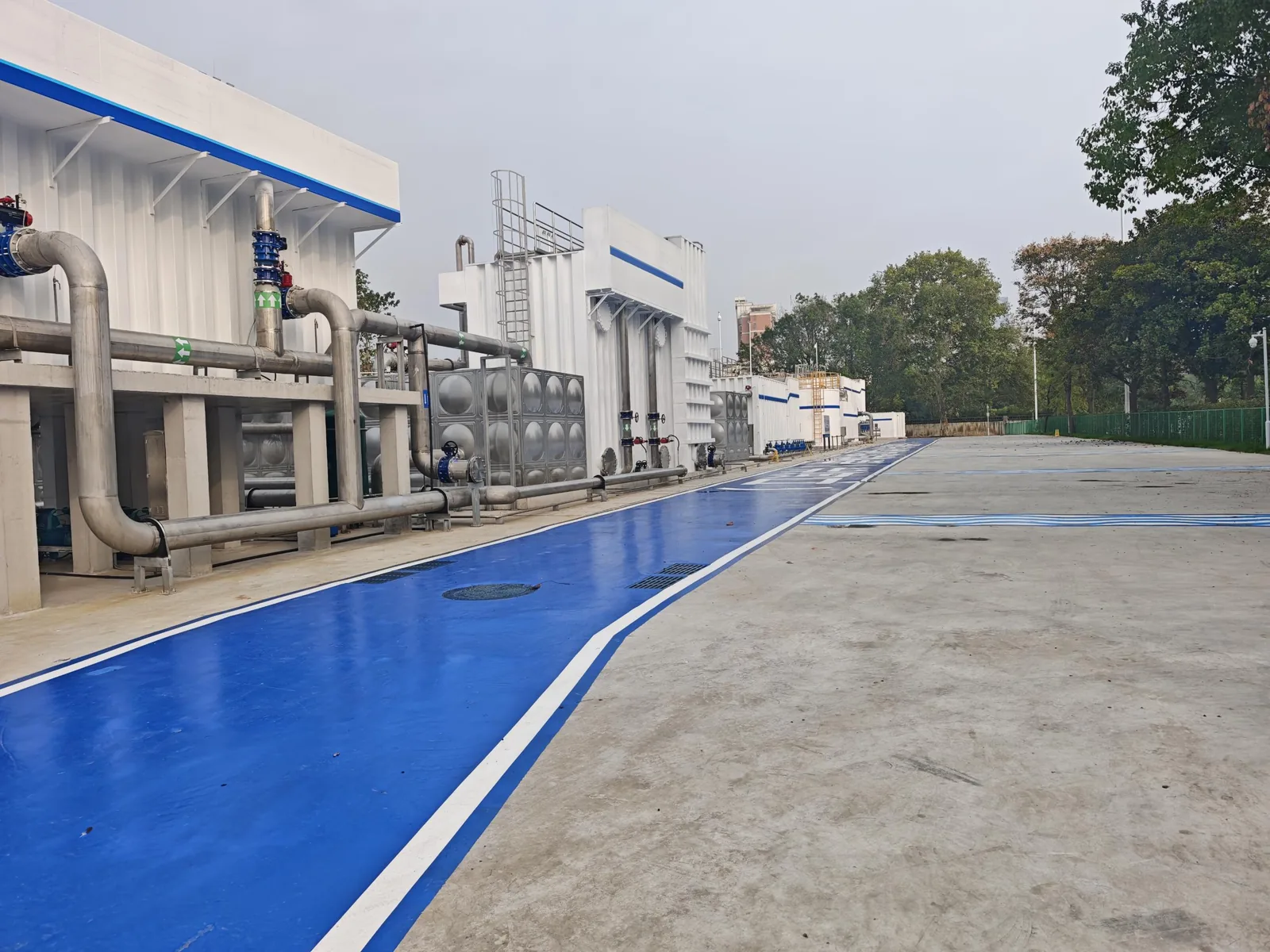
Membrane performance calibration demands precise, time-aligned and traceable water-quality data to verify retention, anti-fouling and cleaning-recovery behavior. The pain points were acute: micro-leakage is hard to detect, and instrument drift under variable operating conditions contaminates the baseline data that the whole evaluation depends on.
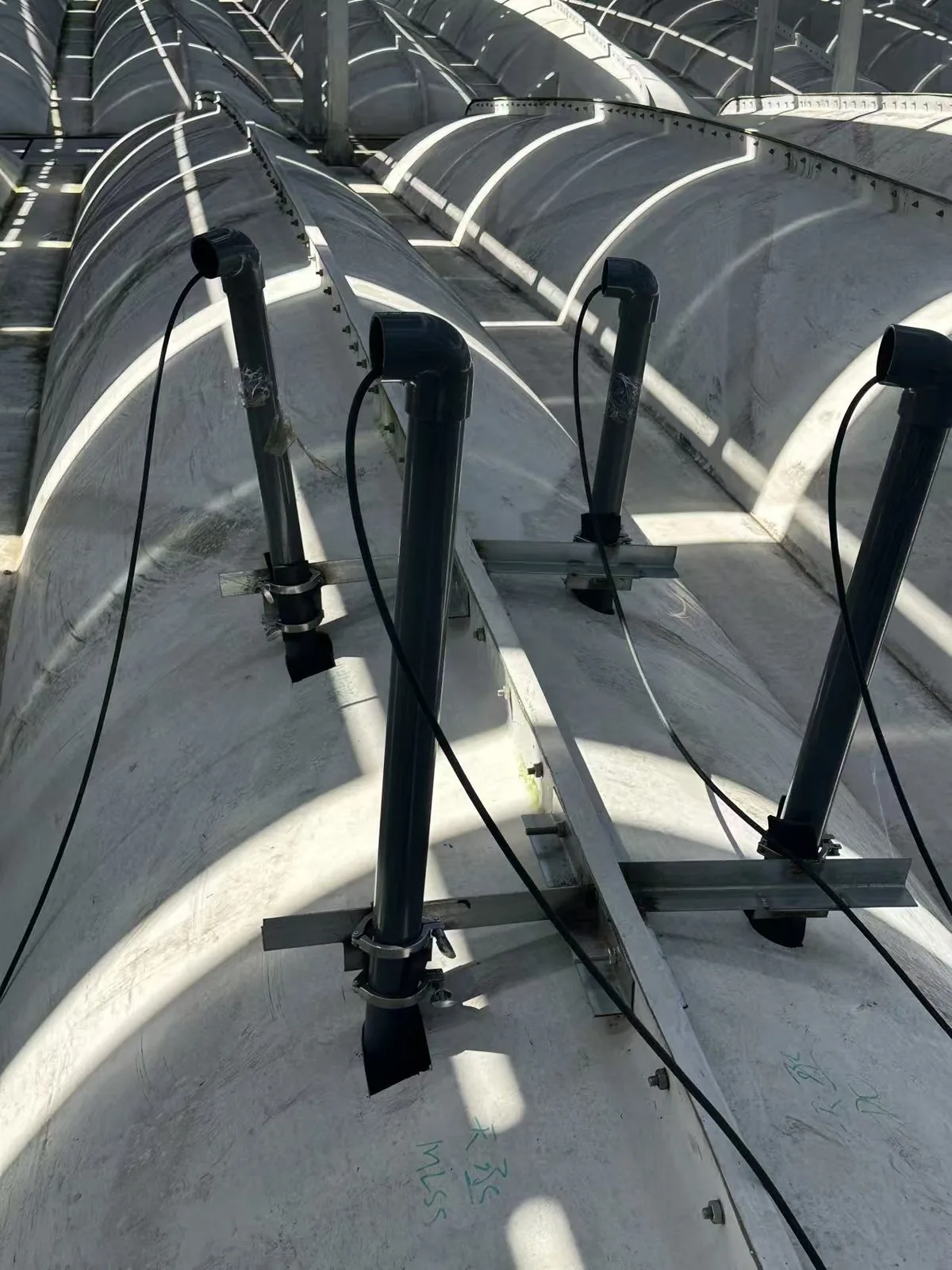
Sludge concentration and blanket-level measurement were unreliable, so discharge relied on operator experience. Timing and volume were hard to control precisely — under-discharge, over-discharge and sludge loss all occurred, destabilizing effluent quality and pushing up running costs.
Facing a similar monitoring challenge?
Tell us about your application — our engineers will reference this project experience and design a solution for your site.