
Leachate & Special Wastewater
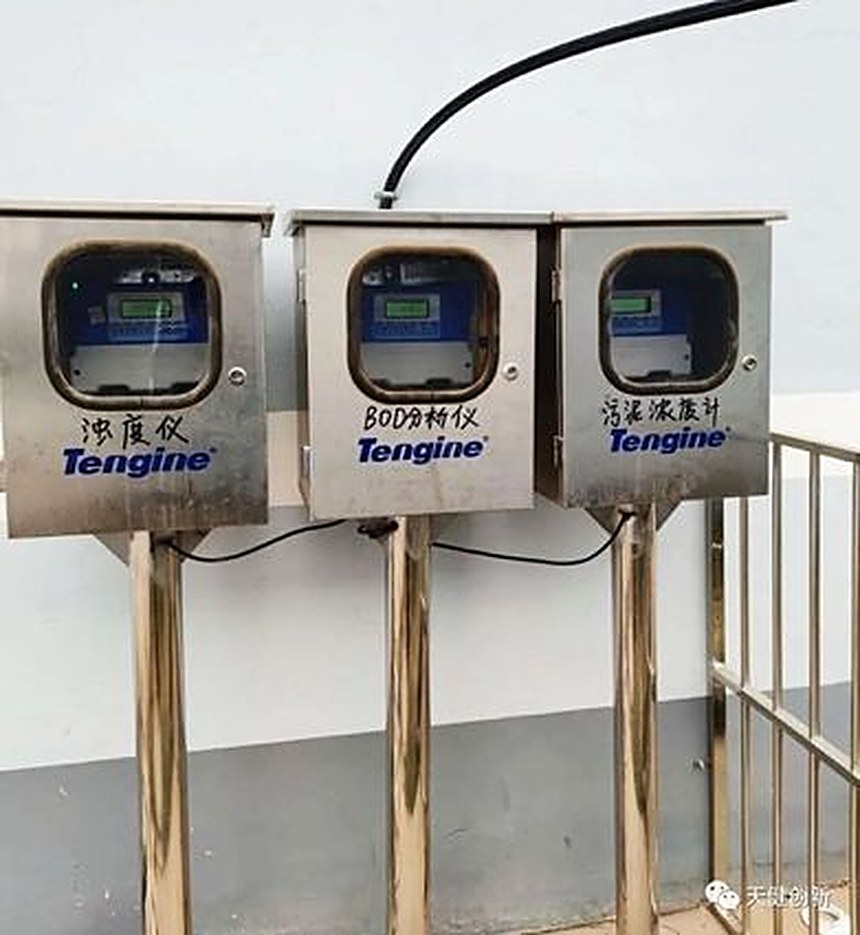
Landfill Leachate Monitoring at a Waste Facility
 1 / 3
1 / 3Project Background
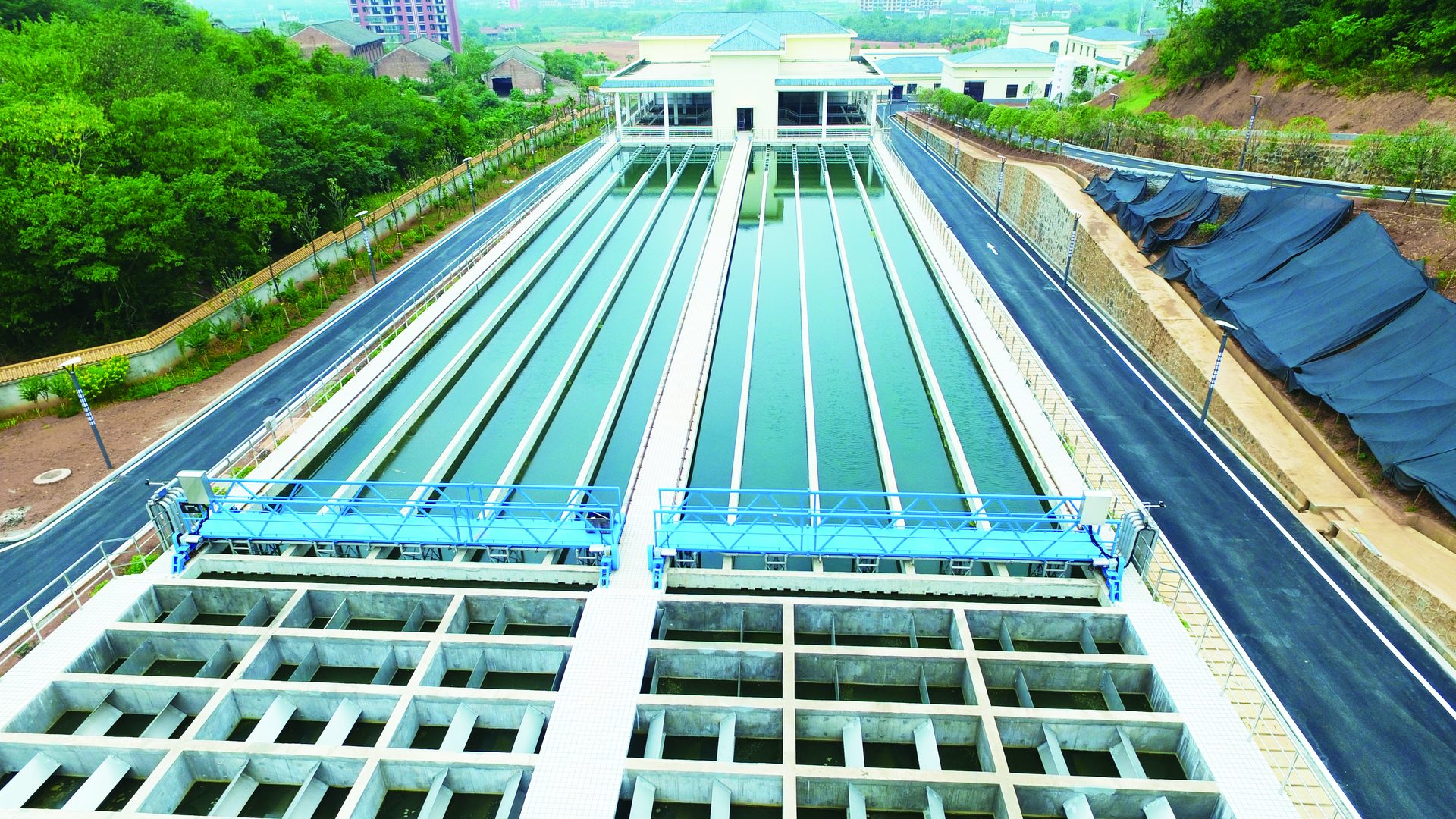
Landfill-leachate treatment monitoring (clear-water & sedimentation tanks).
Customer Challenge
Waste stockpiling and rainwash generate highly polluted leachate with complex composition; without proper treatment monitoring it easily causes secondary soil and groundwater contamination. The site lacked full-process real-time monitoring, creating environmental risk.
The TENGINE Solution
Monitoring parameters: clear-water tank (COD, Ammonia Nitrogen, pH); sedimentation tank (TSS/Turbidity, BOD, MLSS Sludge Concentration).
Implementation
UVC Integrated Online COD Sensor, DNH Ammonia Nitrogen Sensor (ISE Method), TPH pH Analyzer, TSS Immersion Turbidity / Suspended Solids Analyzer, BOD Analyzer, MLSS Suspended Solids (Sludge) Concentration Analyzer.
Project Results
Full-process leachate monitoring now controls treatment at each stage, preventing secondary contamination of soil and groundwater and eliminating the site's environmental risk.
Related Case Studies
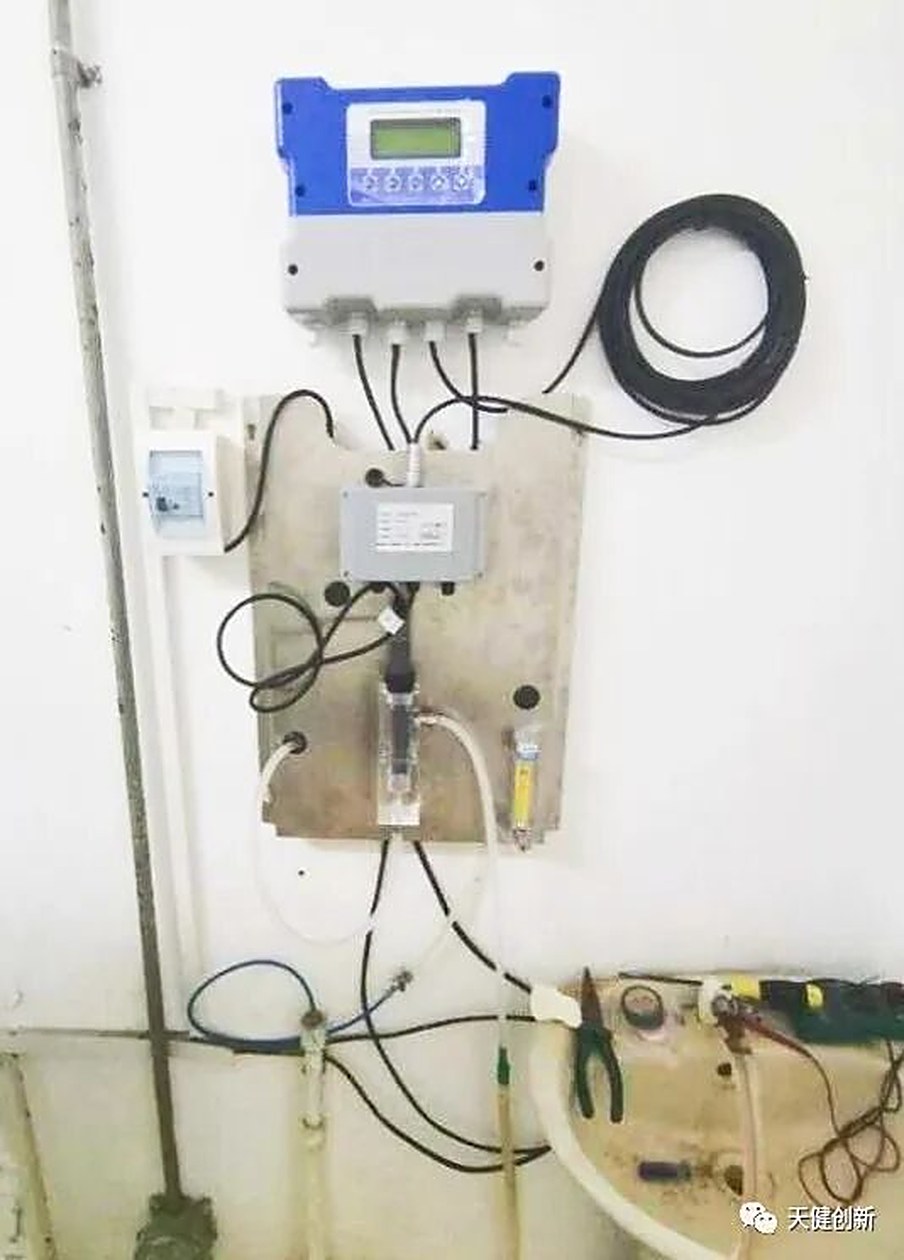
During the pandemic, hospital wastewater was complex — containing pathogens, viruses and chemical reagents with infection risk. Conventional methods could not monitor residual chlorine accurately and stably, risking incomplete disinfection and pollutant release.
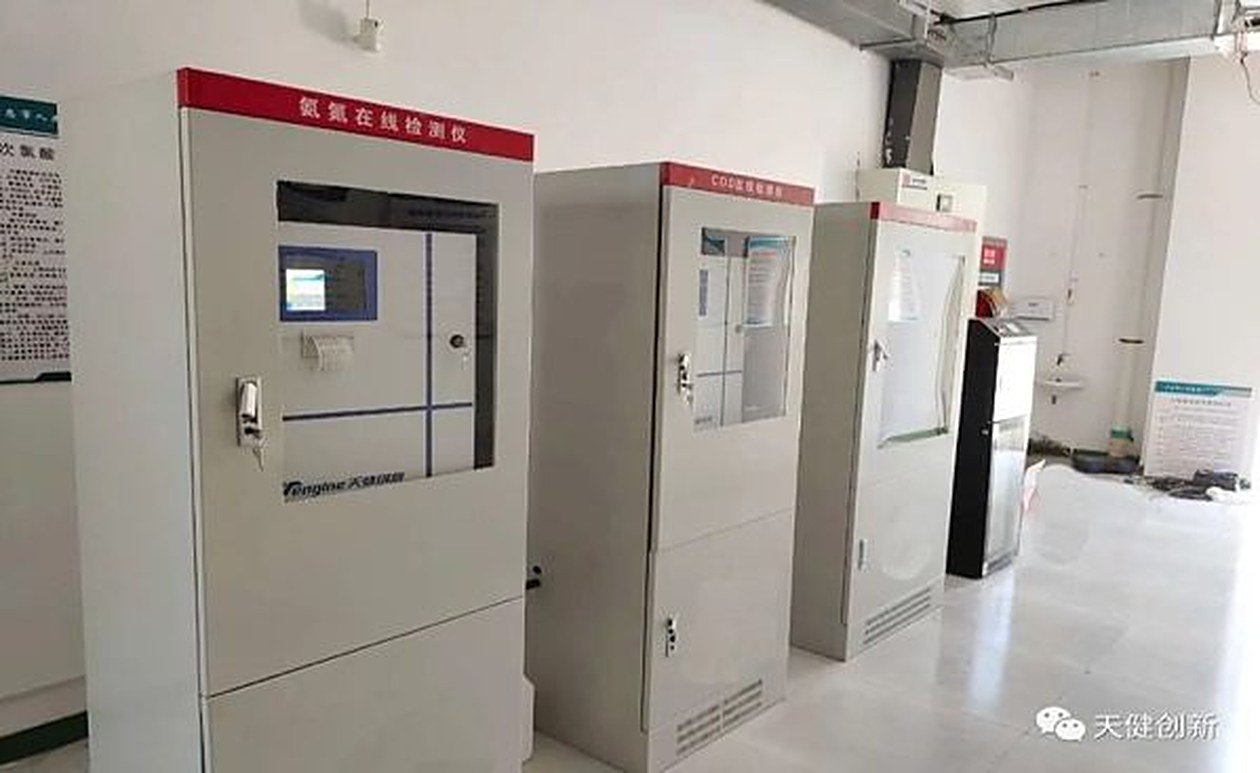
Hospitals require continuous assurance that medical wastewater is properly treated before discharge; intermittent manual checks cannot guarantee round-the-clock compliance and safety.
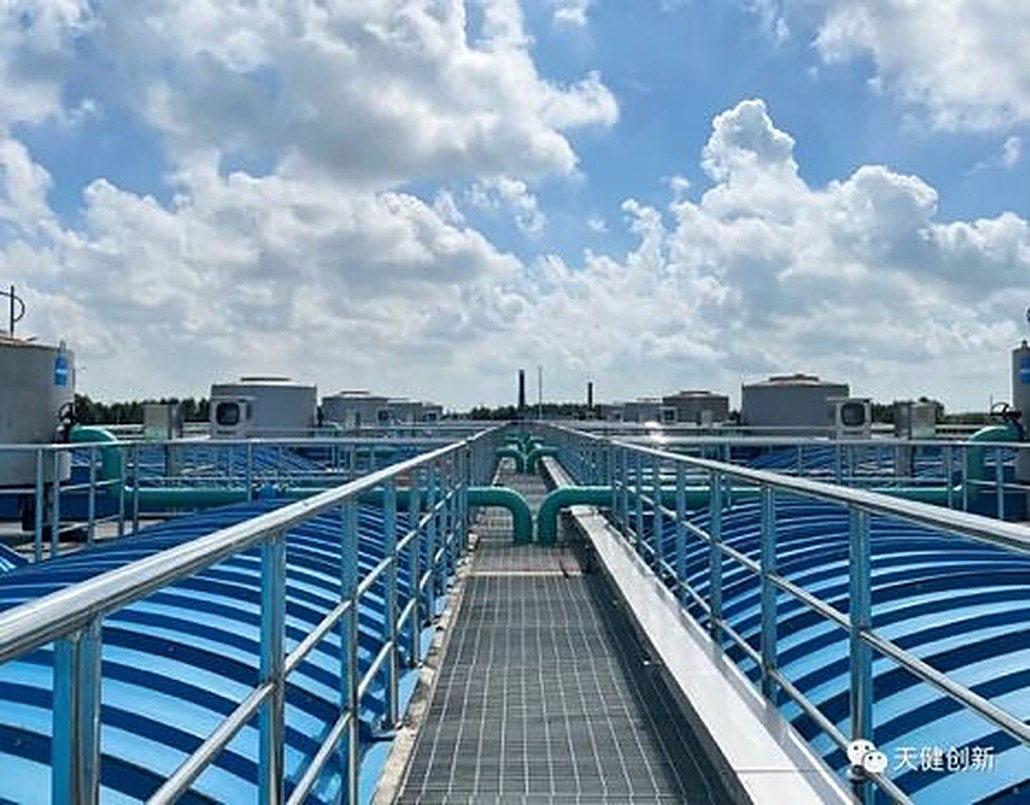
A food-industry-park WWTP needed full water-quality assurance across its treatment process to handle variable food-processing effluent and secure compliant discharge.
Facing a similar monitoring challenge?
Tell us about your application — our engineers will reference this project experience and design a solution for your site.