WWTP Process Control
158-Instrument Package for China's Largest CASS Plant in Harbin
 1 / 2
Project Background
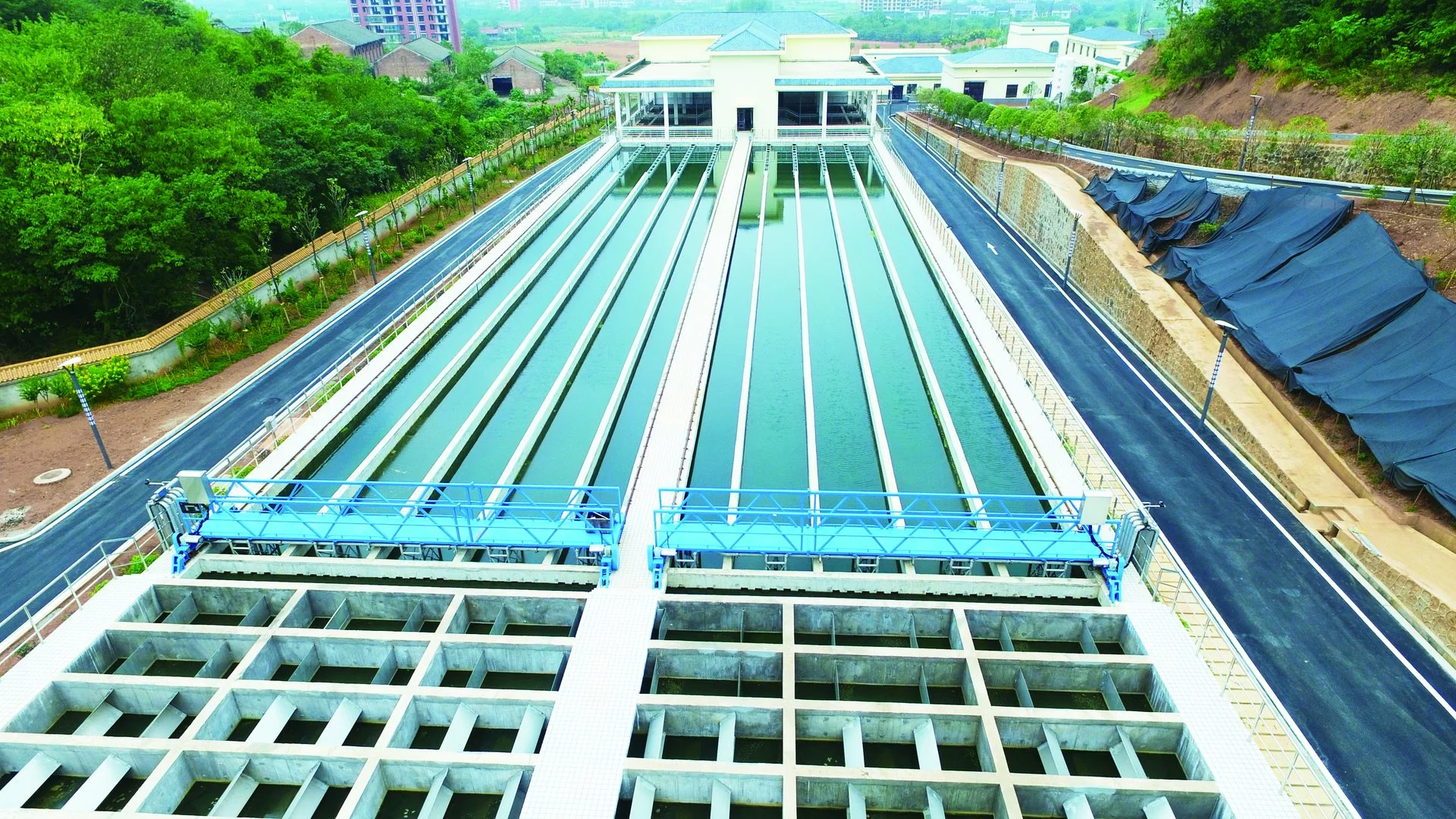
Harbin Qunli wastewater treatment plant is the largest CASS-process facility in China, treating 330,000 m³/day with effluent held to the national Class 1A standard.
Customer Challenge
A plant of this scale runs hundreds of process loops that must be monitored and controlled automatically: sludge concentration, dissolved oxygen, pH, levels, flows, gas flow, pressure, COD, ammonia, total phosphorus and total nitrogen all need dependable, long-life instruments — and in Harbin's severe cold, they must keep performing through harsh winters with minimal maintenance.
The TENGINE Solution
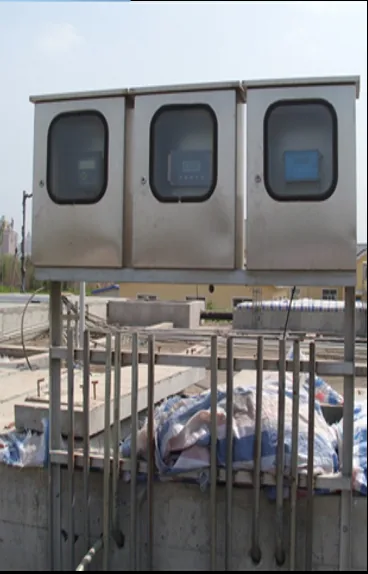
TENGINE supplied 158 instruments across the plant's CASS tanks and full process line: MLSS suspended-solids meters, LDO luminescent dissolved oxygen, pH, ultrasonic level and differential-level meters, electromagnetic flowmeters, TF thermal gas mass flowmeters, pressure transmitters, and online COD, ammonia-nitrogen, total phosphorus and total nitrogen analyzers — a contract worth about RMB 4 million.
Implementation
The 158 instruments were installed across the CASS process, with online analyzers tracking influent and effluent quality and process instruments serving tank control and full-plant automation.
Project Results
The CASS process is now fully automatically controlled on stable, reliable data: 330,000 m³/day of wastewater is treated to a stable Class 1A discharge, the instruments have proven their reliability in severe northern cold, and the project stands as a reference for large-scale municipal plant instrumentation.
Related Case Studies

A mega-project of this scale places extreme demands on water quality data  accuracy and stability must hold over decades of operation. The wastewater treatment works required continuous online monitoring of oil content in water: a demanding measurement that has to run unattended in a harsh coastal desert environment, resist fouling, and integrate cleanly into plant process control.
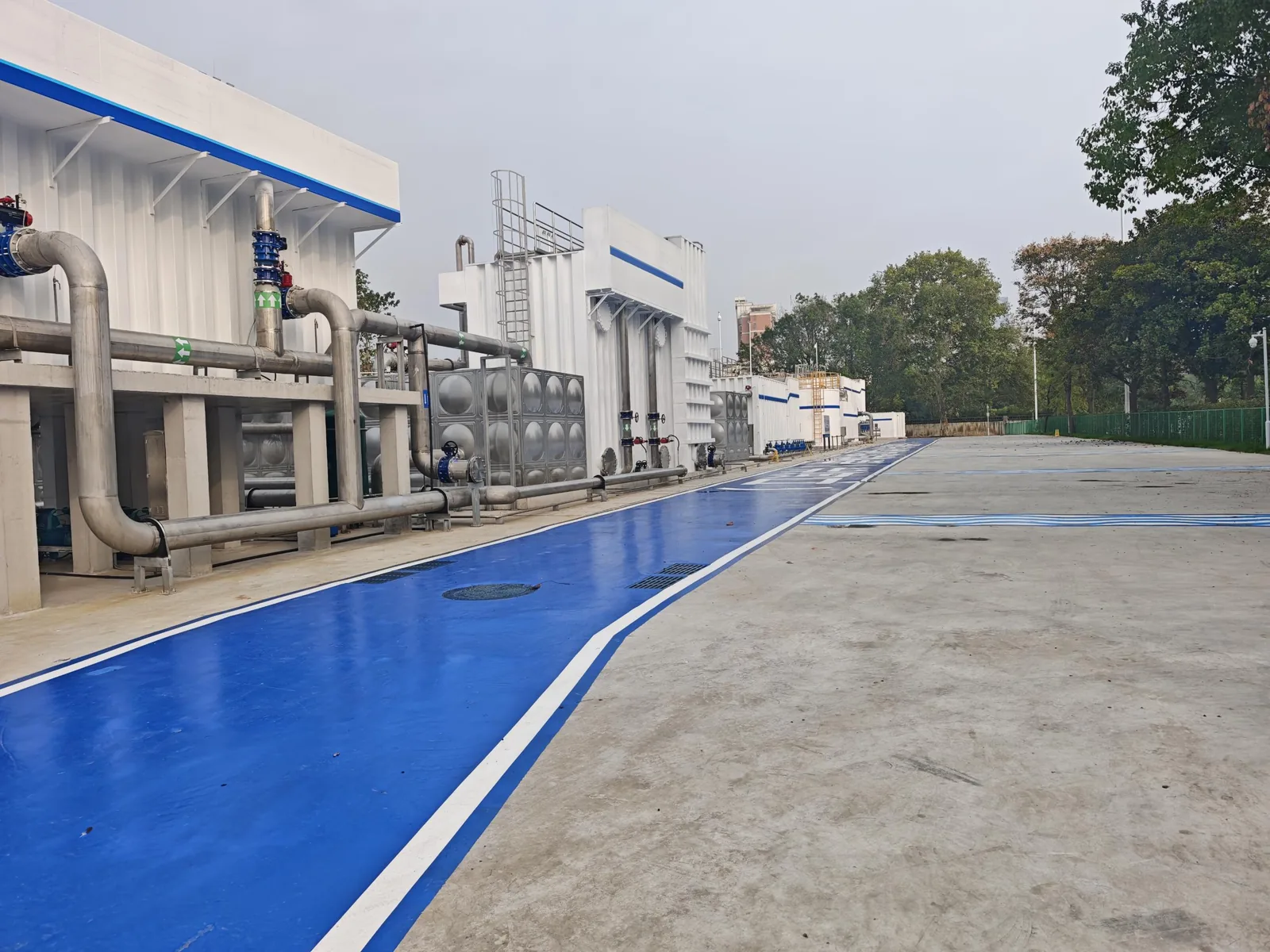
Membrane performance calibration demands precise, time-aligned and traceable water-quality data to verify retention, anti-fouling and cleaning-recovery behavior. The pain points were acute: micro-leakage is hard to detect, and instrument drift under variable operating conditions contaminates the baseline data that the whole evaluation depends on.
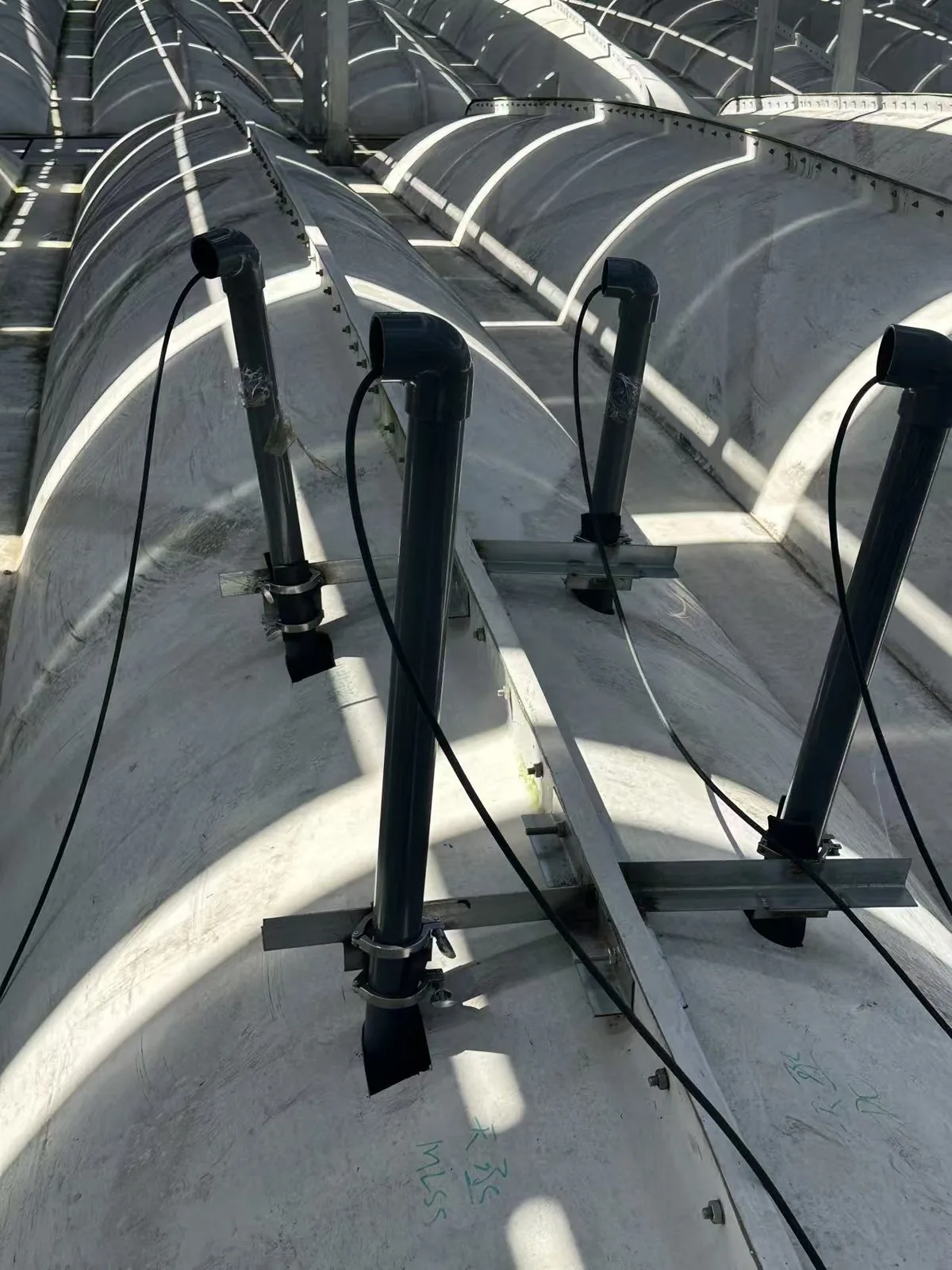
Sludge concentration and blanket-level measurement were unreliable, so discharge relied on operator experience. Timing and volume were hard to control precisely — under-discharge, over-discharge and sludge loss all occurred, destabilizing effluent quality and pushing up running costs.
Facing a similar monitoring challenge?
Tell us about your application — our engineers will reference this project experience and design a solution for your site.