
WWTP Process Control
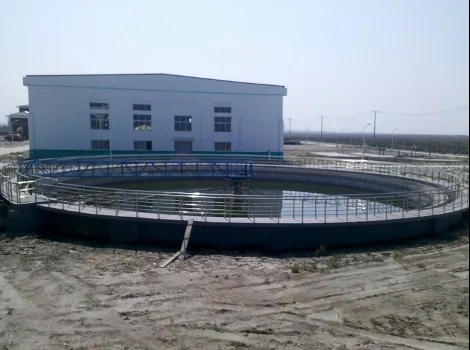
Full-Process Monitoring & Gas Safety at Panjin Liaobin WWTP
 1 / 3
Project Background
The Liaobin Development Zone wastewater plant in Panjin, operated by Panjin Qizheng Environmental Water, treats development-zone wastewater through biological tanks, secondary clarifiers and process units — in basins where suspended solids and sludge coat and clog instruments, and where toxic-gas leakage is a real personnel-safety risk.
Customer Challenge
The plant needed multi-point continuous monitoring of dissolved oxygen, sludge concentration, level, gas flow and chlorine across harsh, fouling-prone basins — while manual sampling lagged the process and could never warn of toxic-gas danger to the crew.
The TENGINE Solution
TENGINE instruments were deployed across the biological tanks, clarifiers and process units: residual-chlorine analyzers, dissolved-oxygen analyzers, sludge concentration meters, toxic-gas analyzers, split and integrated ultrasonic level meters, pressure transmitters and thermal gas flowmeters — engineered to resist fouling and scaling in the difficult basin conditions.
Implementation
The instruments were installed across the process units with fouling-resistant mounting, and the toxic-gas analyzers were positioned to protect personnel working around the basins.
Project Results
The plant's process is now visible in real time without waiting for lab results: aeration, disinfection and process adjustments are guided by data, effluent stays compliant, and continuous toxic-gas monitoring keeps the operating crew safe — supporting the development zone's environmental management.
Related Case Studies

A mega-project of this scale places extreme demands on water quality data — accuracy and stability must hold over decades of operation. The wastewater treatment works required continuous online monitoring of oil content in water: a demanding measurement that has to run unattended in a harsh coastal desert environment, resist fouling, and integrate cleanly into plant process control.
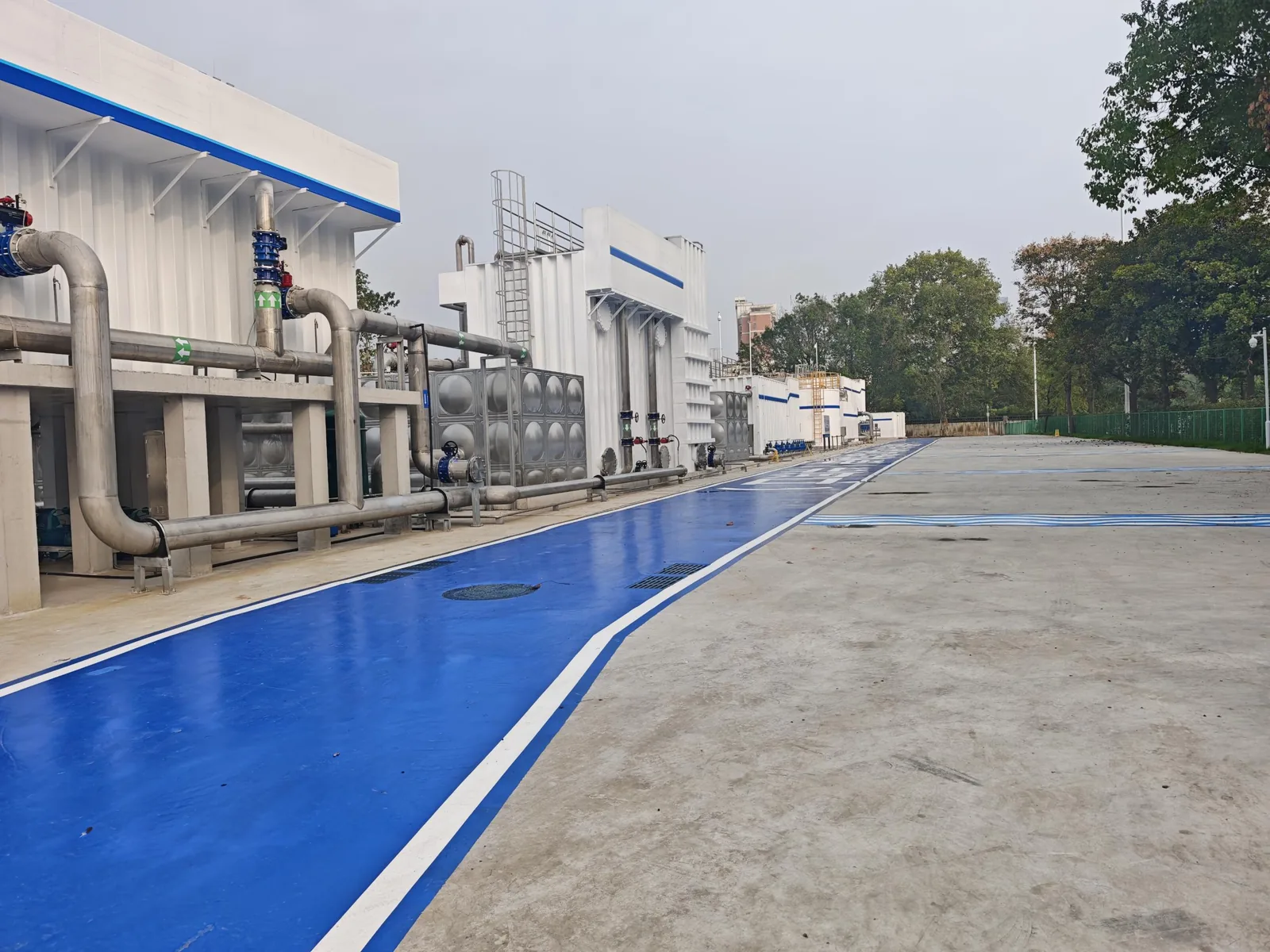
Membrane performance calibration demands precise, time-aligned and traceable water-quality data to verify retention, anti-fouling and cleaning-recovery behavior. The pain points were acute: micro-leakage is hard to detect, and instrument drift under variable operating conditions contaminates the baseline data that the whole evaluation depends on.
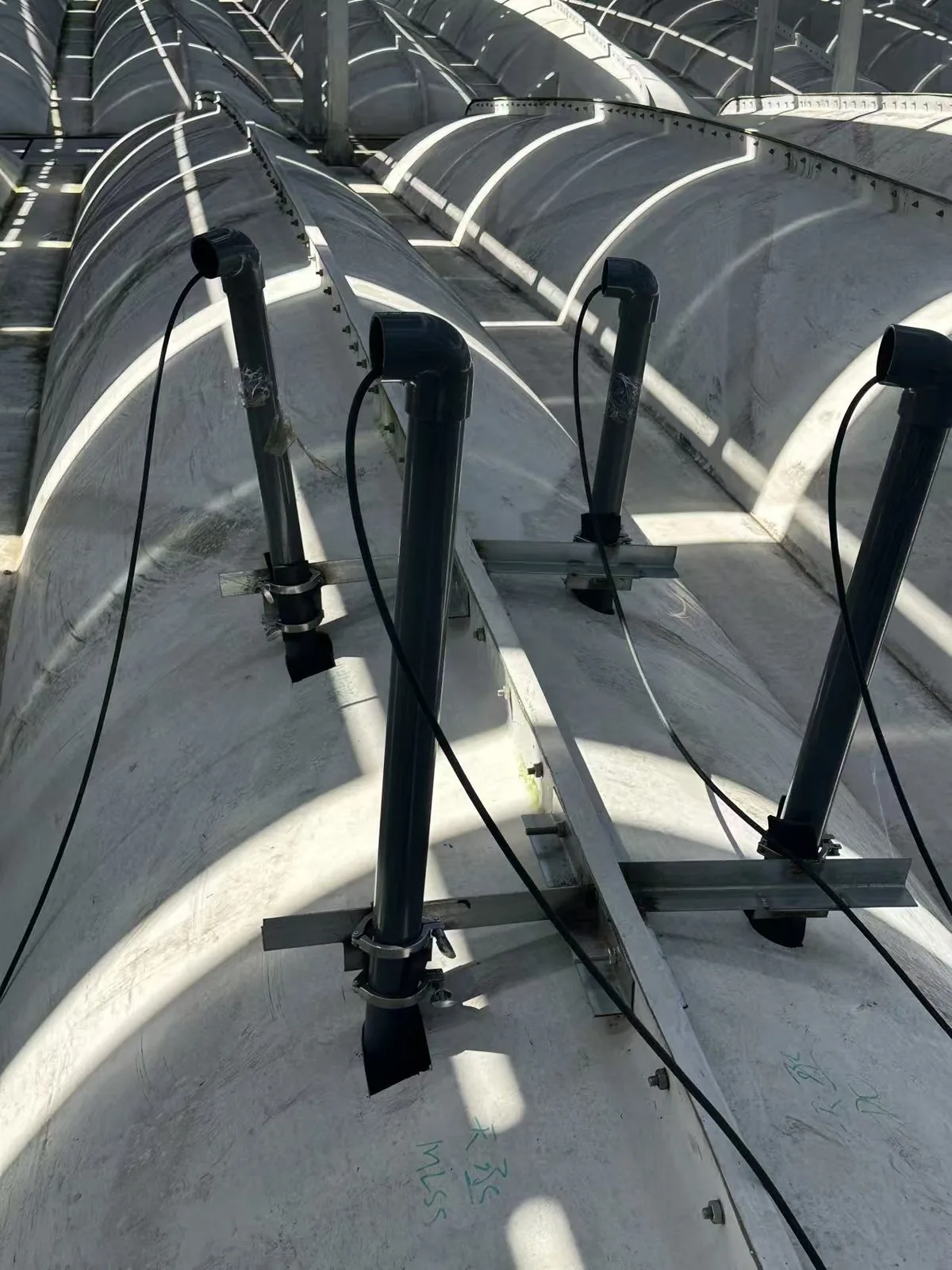
Sludge concentration and blanket-level measurement were unreliable, so discharge relied on operator experience. Timing and volume were hard to control precisely — under-discharge, over-discharge and sludge loss all occurred, destabilizing effluent quality and pushing up running costs.
Facing a similar monitoring challenge?
Tell us about your application — our engineers will reference this project experience and design a solution for your site.