Process Optimization & Control
Advanced-Treatment Nitrate Monitoring at a Grandblue Plant in Foshan
 1 / 2
Project Background
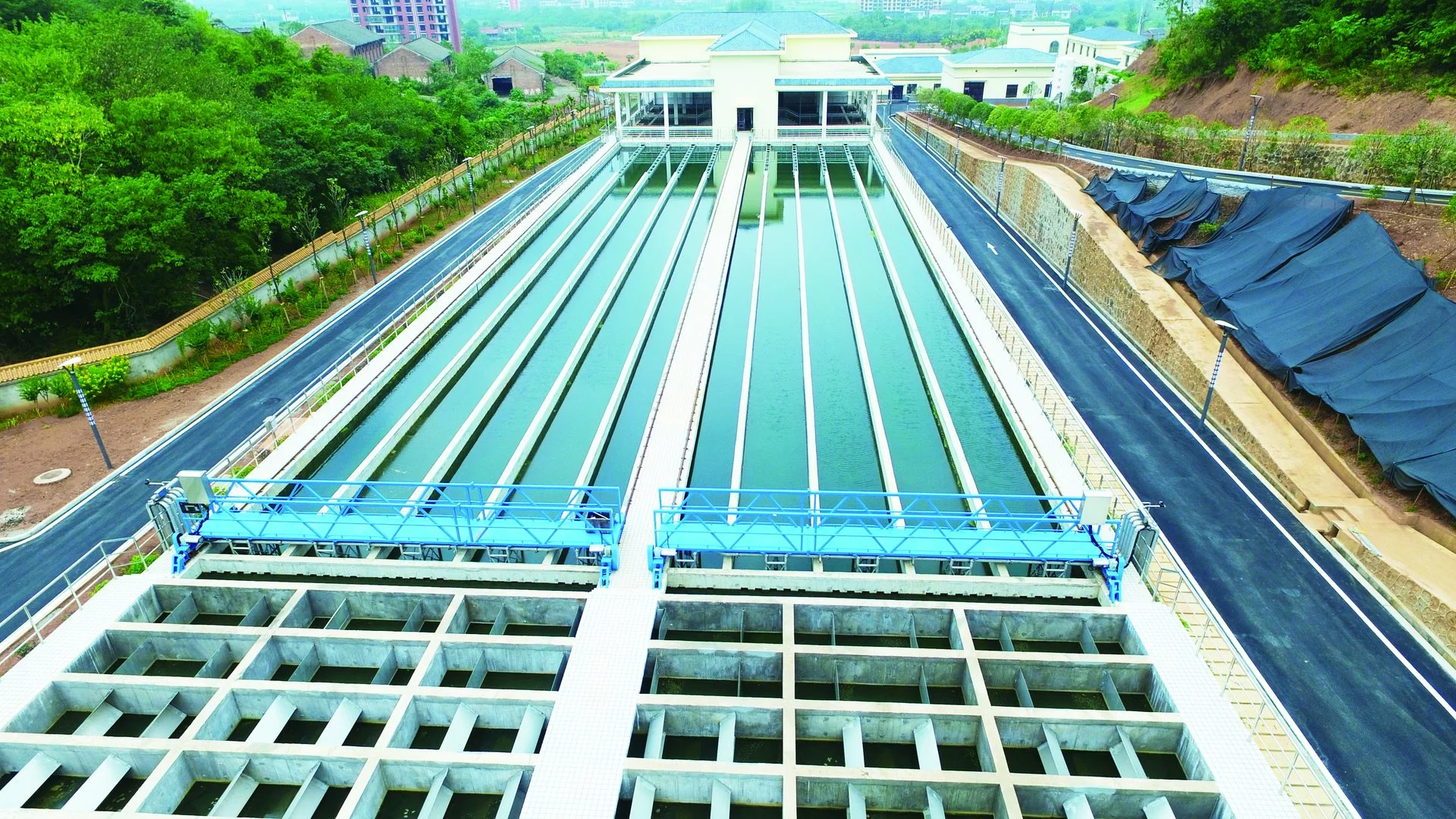
A municipal wastewater plant operated by Grandblue Environment in Foshan upgraded its treatment train with advanced denitrification filters to secure ever-stricter total-nitrogen limits.
Customer Challenge
Advanced denitrification only works as well as its control data: the plant must track influent nitrate at the denitrification filter in real time and keep complete process records to guide adjustment — lab data that arrives hours later cannot steer a continuously shifting biological process.
The TENGINE Solution
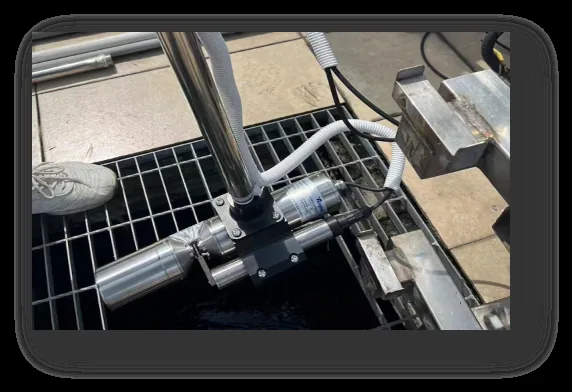
A UVN nitrate nitrogen analyzer with a TC2000 multi-parameter intelligent controller was installed at the denitrification filter inlet, delivering continuous online nitrate data for process control.
Implementation
The UVN analyzer was mounted at the filter inlet with reagent-free UV measurement, streaming data through the TC2000 controller into the plant's process records.
Project Results
Continuous online nitrate monitoring now preserves complete denitrification process data; reliable measurement supports precise advanced-treatment control and keeps effluent total nitrogen stably compliant.
Related Case Studies
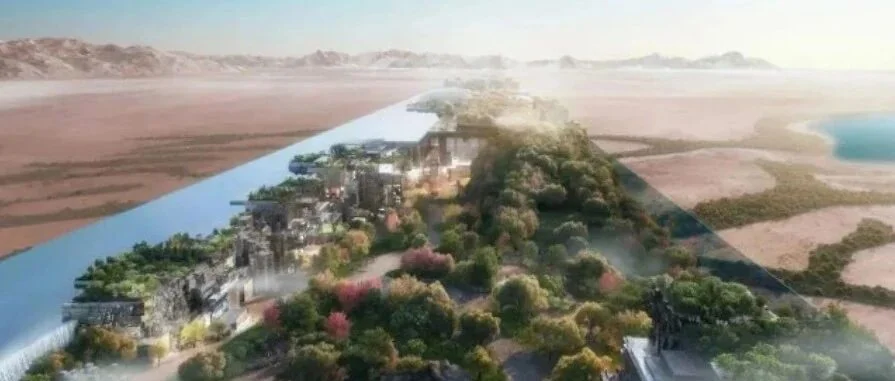
A mega-project of this scale places extreme demands on water quality data — accuracy and stability must hold over decades of operation. The wastewater treatment works required continuous online monitoring of oil content in water: a demanding measurement that has to run unattended in a harsh coastal desert environment, resist fouling, and integrate cleanly into plant process control.
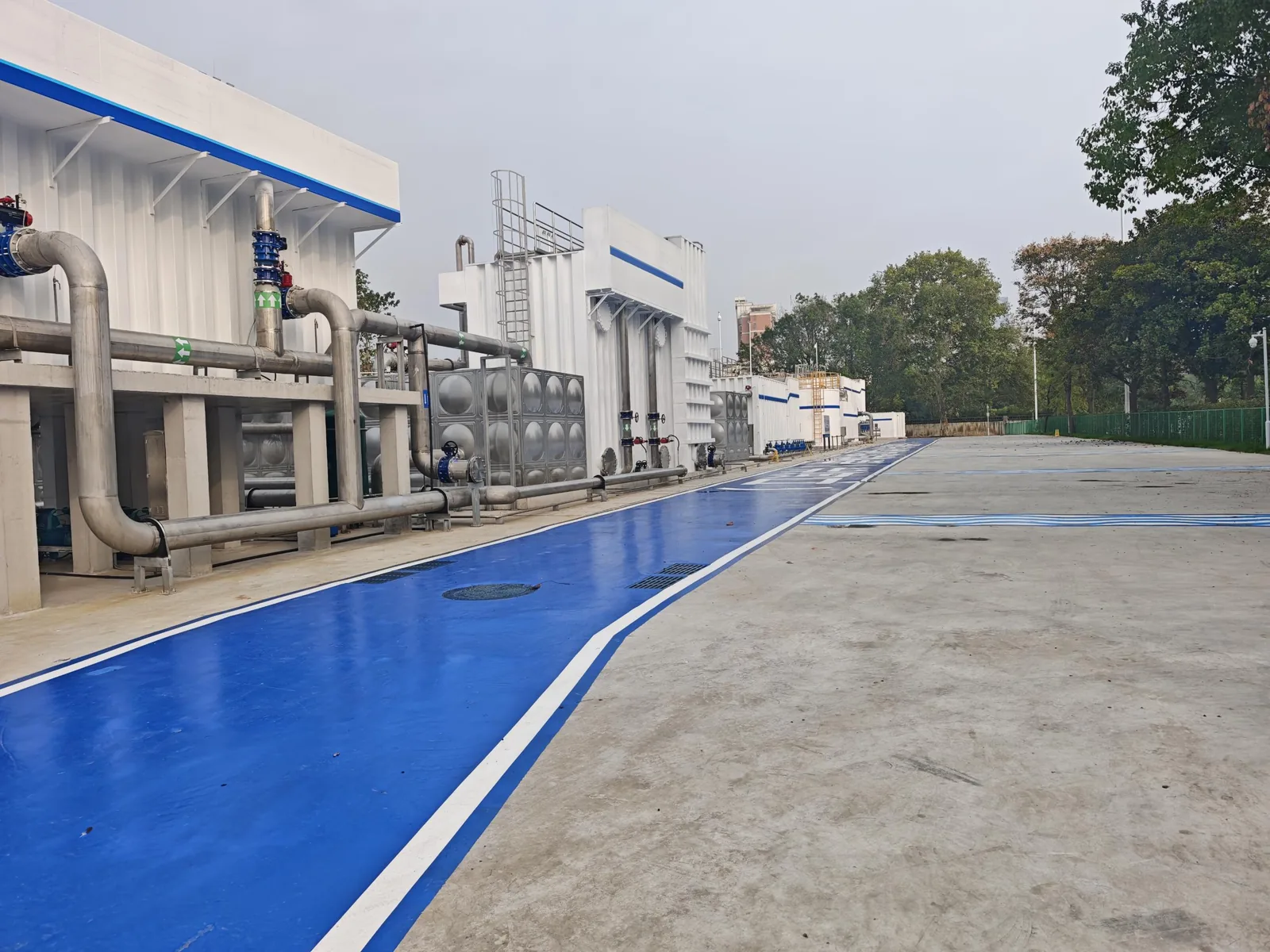
Membrane performance calibration demands precise, time-aligned and traceable water-quality data to verify retention, anti-fouling and cleaning-recovery behavior. The pain points were acute: micro-leakage is hard to detect, and instrument drift under variable operating conditions contaminates the baseline data that the whole evaluation depends on.
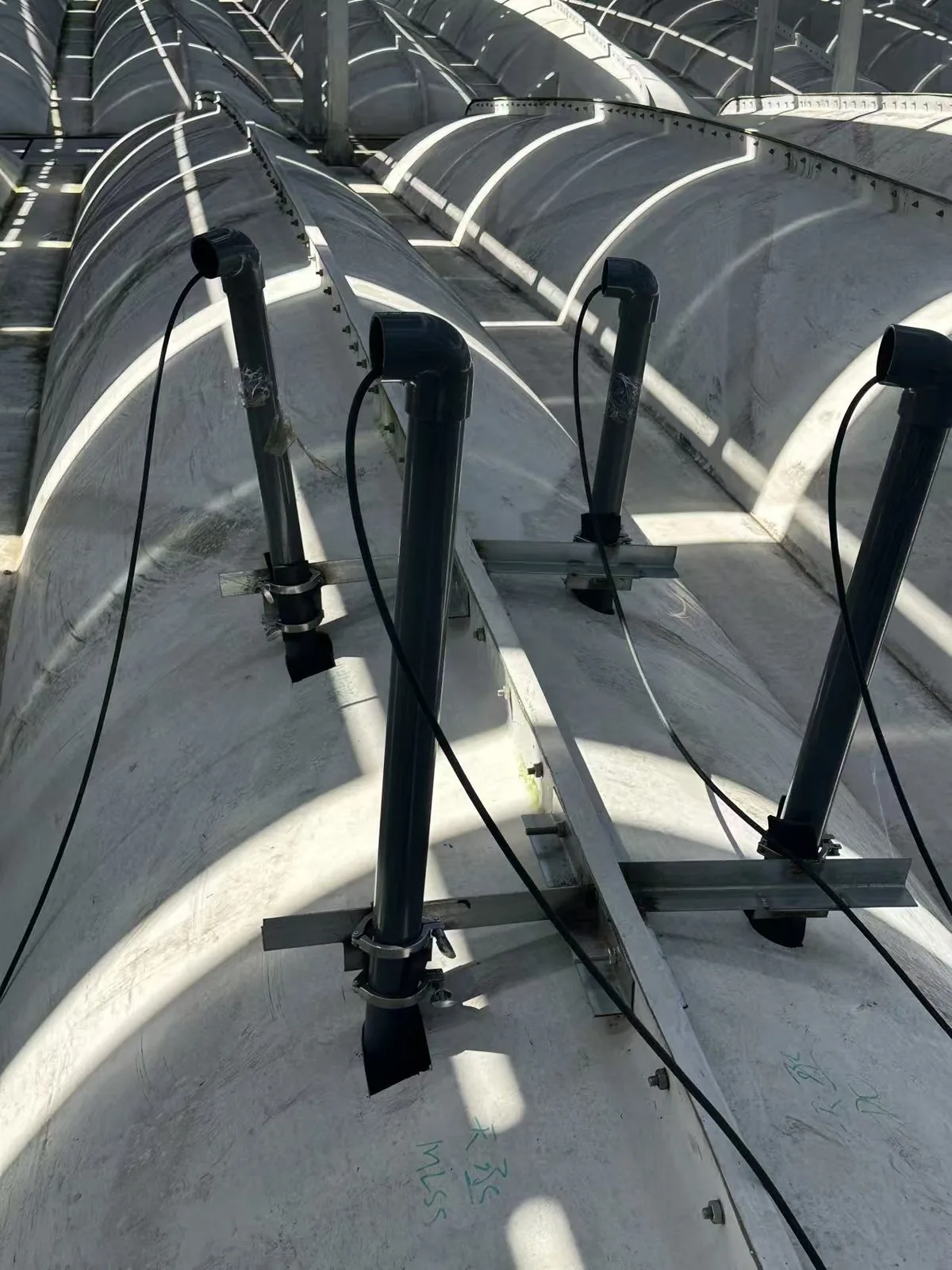
Sludge concentration and blanket-level measurement were unreliable, so discharge relied on operator experience. Timing and volume were hard to control precisely — under-discharge, over-discharge and sludge loss all occurred, destabilizing effluent quality and pushing up running costs.
Facing a similar monitoring challenge?
Tell us about your application — our engineers will reference this project experience and design a solution for your site.