
Extreme Climate Operation
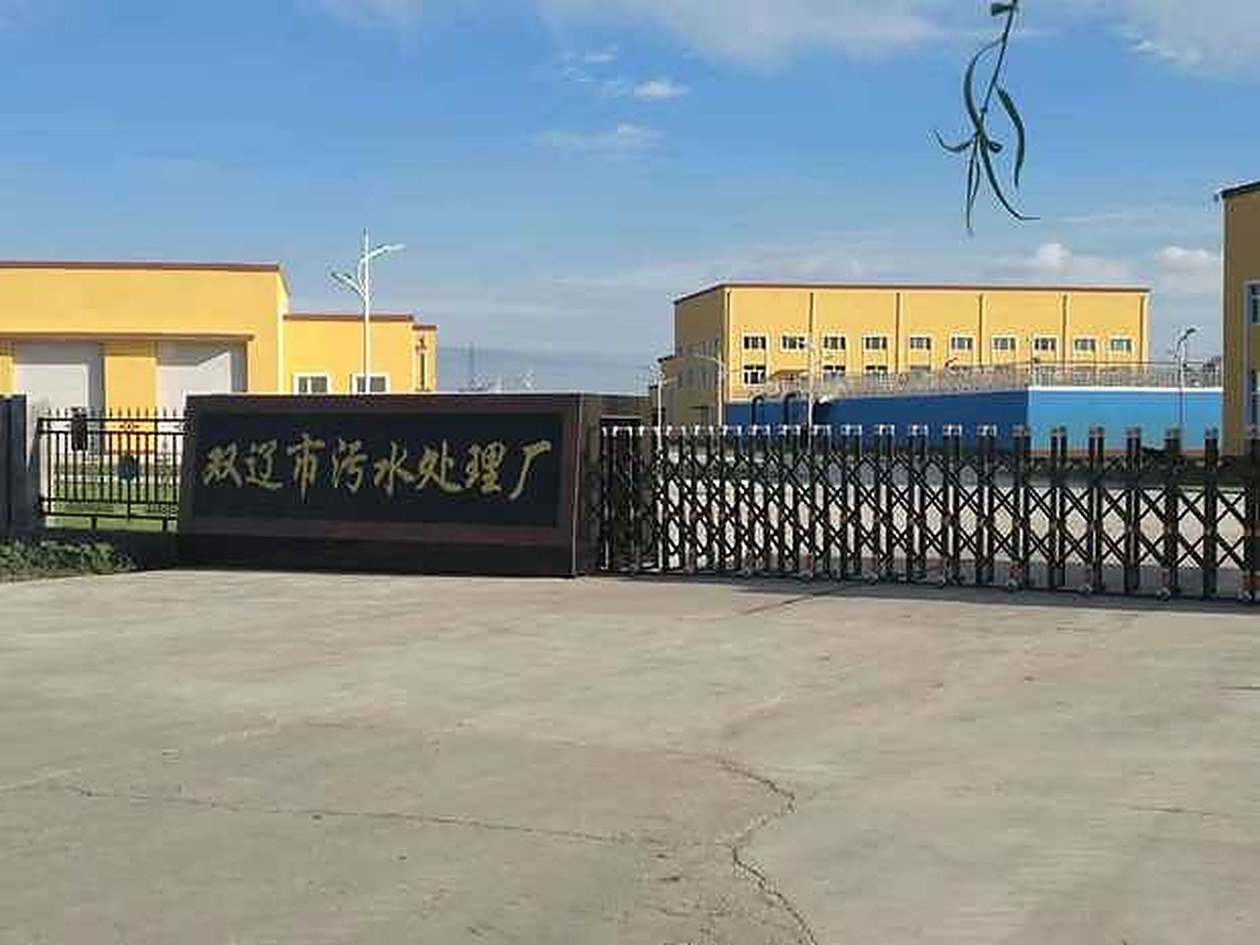
Instrumentation for Severe-Cold Plants in Heihe & Shuangliao
 1 / 2
1 / 2Project Background
Severe-cold monitoring (−40°C) across A2O+MBR and CASS plants.
Customer Challenge
In China's far-northeast, Heihe freezes for 6 months and Shuangliao 4, with winter lows of −40°C that easily disable instruments. Shuangliao uses A2O+MBR, Heihe uses CASS (50,000 tons/day); both depend heavily on multi-parameter monitoring. Ordinary meters cannot run stably in extreme cold, requiring heated protection for uninterrupted winter monitoring.
The TENGINE Solution
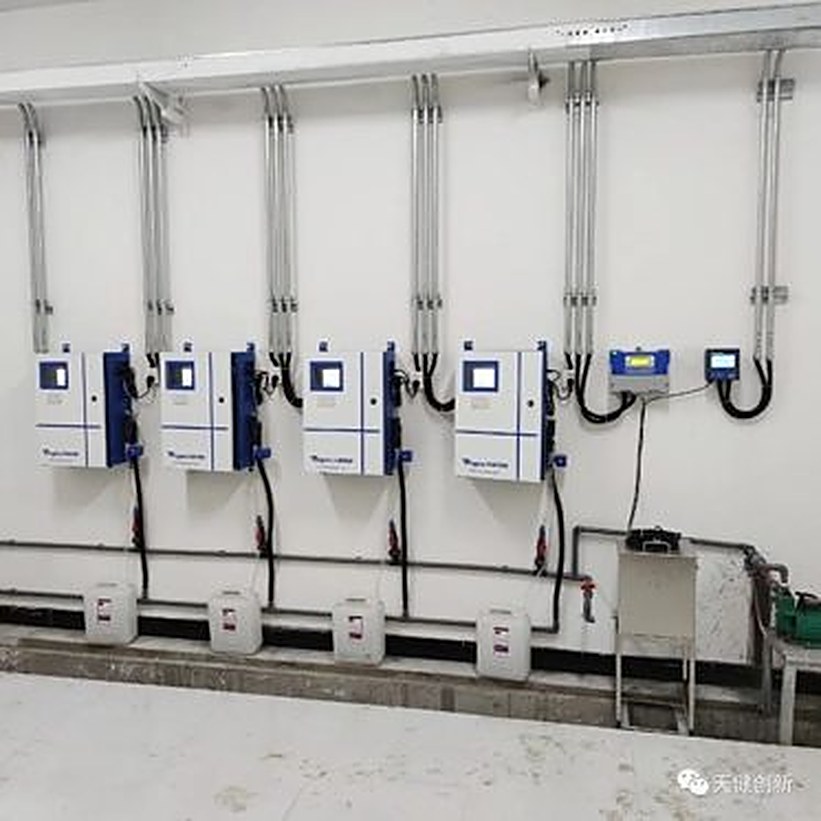
MLSS suspended-solids meter, TSS turbidity/suspended-solids analyzer, MTU high-precision turbidimeter, LDO optical dissolved oxygen meter, pH & ORP meters, COD/ammonia/TP/TN analyzers, BOD, gas alarm, ultrasonic level & level-difference meters, thermal gas mass flowmeter, electromagnetic flowmeter, pressure transmitter.
Implementation
MLSS Suspended Solids (Sludge) Concentration Analyzer, TSS Immersion Turbidity / Suspended Solids Analyzer, MTU High-Precision Turbidity Analyzer, LDO Luminescent Dissolved Oxygen Analyzer, TPH pH Analyzer, TEM Online COD / Ammonia / TP / TN Analyzers, Toxic Gas Detector.
Project Results
Adapted to long ice cover and −40°C cold, instruments have run stably for over 7 years. The heated-enclosure solution proved its value in severe-cold plants, keeping equipment working through winter and providing a package reference for both A2O+MBR and CASS processes in high-latitude regions.
Related Case Studies
The plant handles a large daily flow through a complex multi-stage process, requiring precise control of influent/effluent quality and process status. Water quality data must also feed the environmental regulator's system, but legacy single-parameter instruments with lagging data could not support full-process control or compliant reporting.
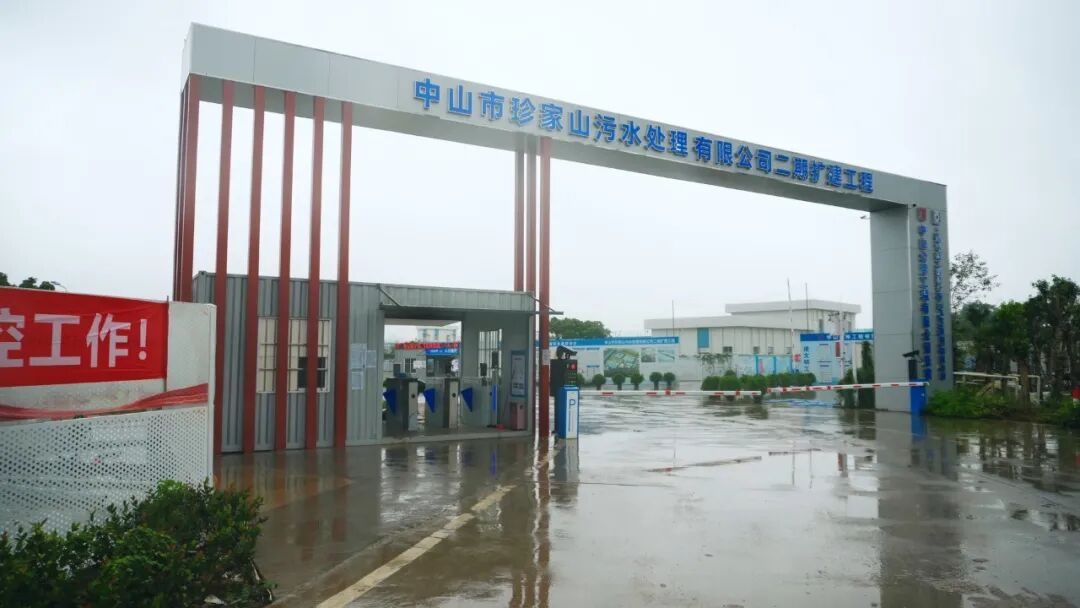
Municipal wastewater plants present complex conditions and fluctuating water quality. Instruments run continuously while submerged, so conventional meters age, drift and fail — driving up replacement and maintenance costs and conflicting with the need for long-term, low-maintenance operation.
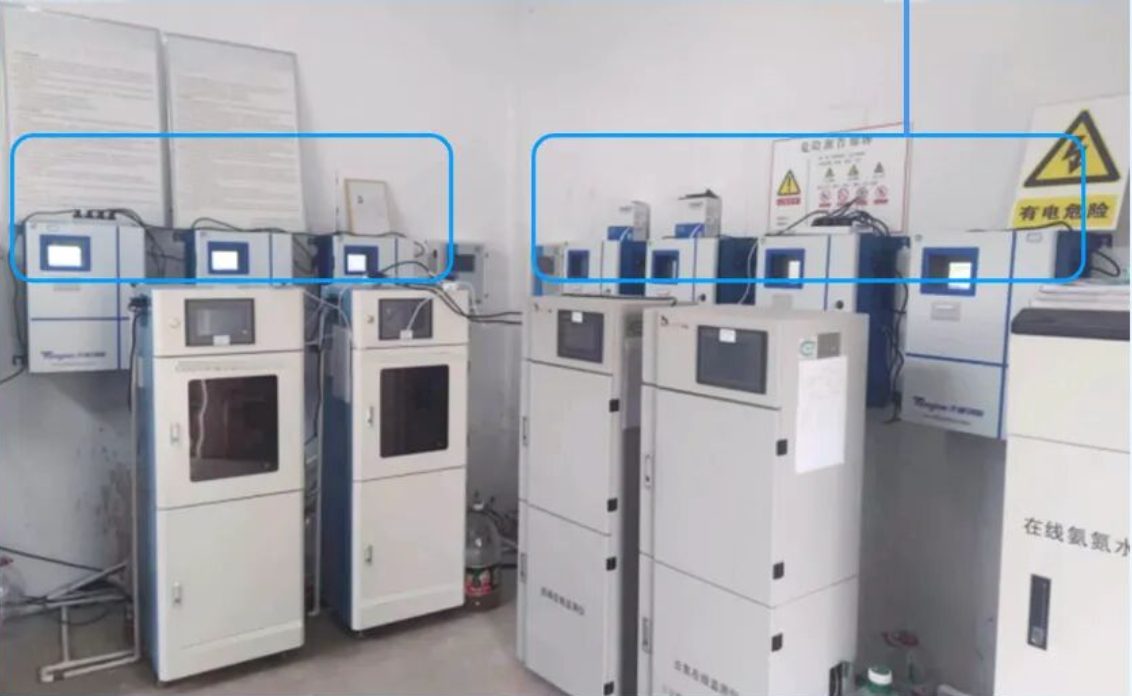
Aging online instruments no longer met current pollution-source monitoring specifications. The project had a tight schedule and complex construction, requiring on-time delivery of a large instrument batch; multiple dispersed sites demanded certified, stable devices connected to a smart-water platform, plus complete installation and commissioning services.
Facing a similar monitoring challenge?
Tell us about your application — our engineers will reference this project experience and design a solution for your site.