
Membrane & Reuse Processes
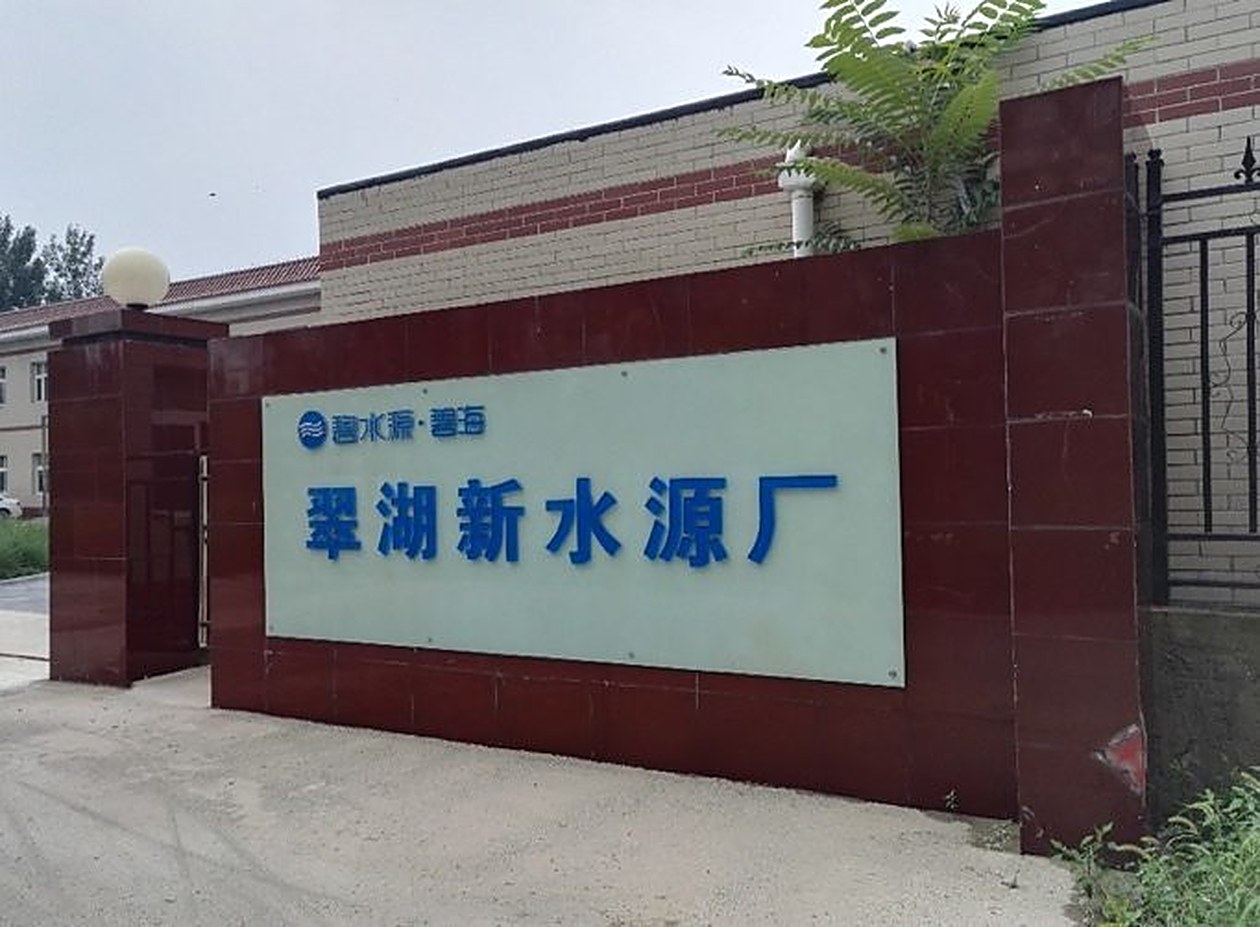
Online Monitoring at Cuilake Plant & Emergency Membrane Tank
 1 / 3
1 / 3Project Background
Membrane treatment process and emergency membrane-tank monitoring.
Customer Challenge
The membrane process imposes strict feed/product water requirements, needing real-time monitoring of sludge concentration, pH, ORP, conductivity, level and pressure. Membrane backwashing demands extremely accurate turbidity below 0.1 NTU — beyond ordinary meters. The emergency membrane tank also needed a large batch of devices, with fouling prevention critical to membrane life and cost.
The TENGINE Solution
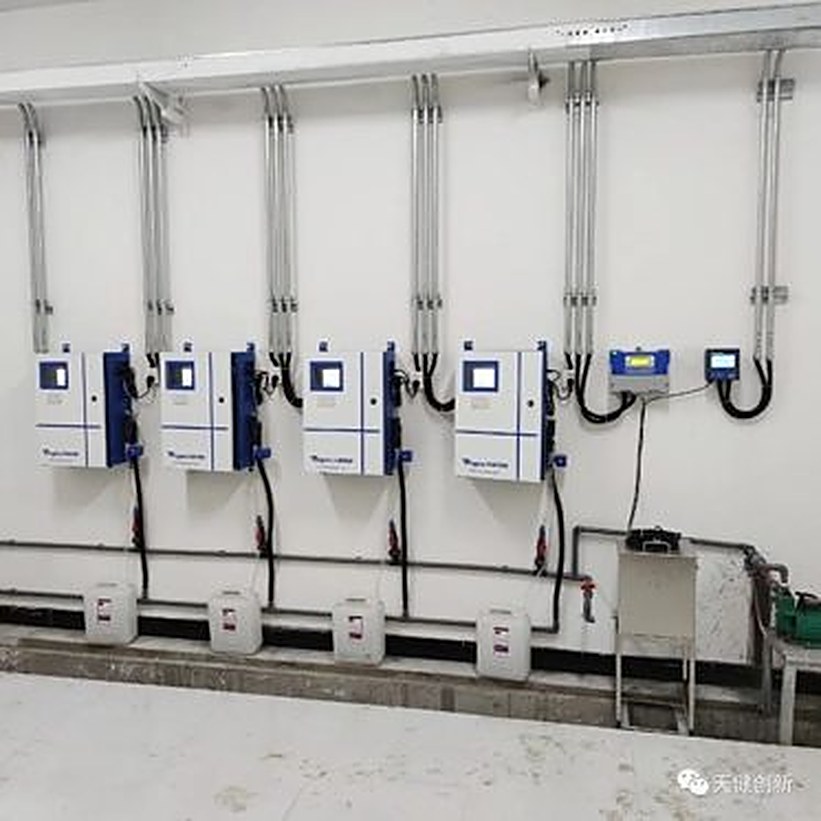
Instruments deployed: MLSS suspended-solids (sludge) meter, DPH digital pH meter, ORP meter, conductivity meter, TUL ultrasonic level meter, TPS pressure transmitter; TSS turbidity/suspended-solids analyzer, TRC free-chlorine analyzer, PSS portable turbidimeter, MTU high-precision turbidimeter.
Implementation
MLSS Suspended Solids (Sludge) Concentration Analyzer, TPH pH Analyzer, TORP ORP Analyzer, TCD Conductivity / TDS / Salinity Analyzer, TUL Ultrasonic Level Transmitter, MTU High-Precision Turbidity Analyzer, FCL Free Chlorine / Chlorine Dioxide Analyzer.
Project Results
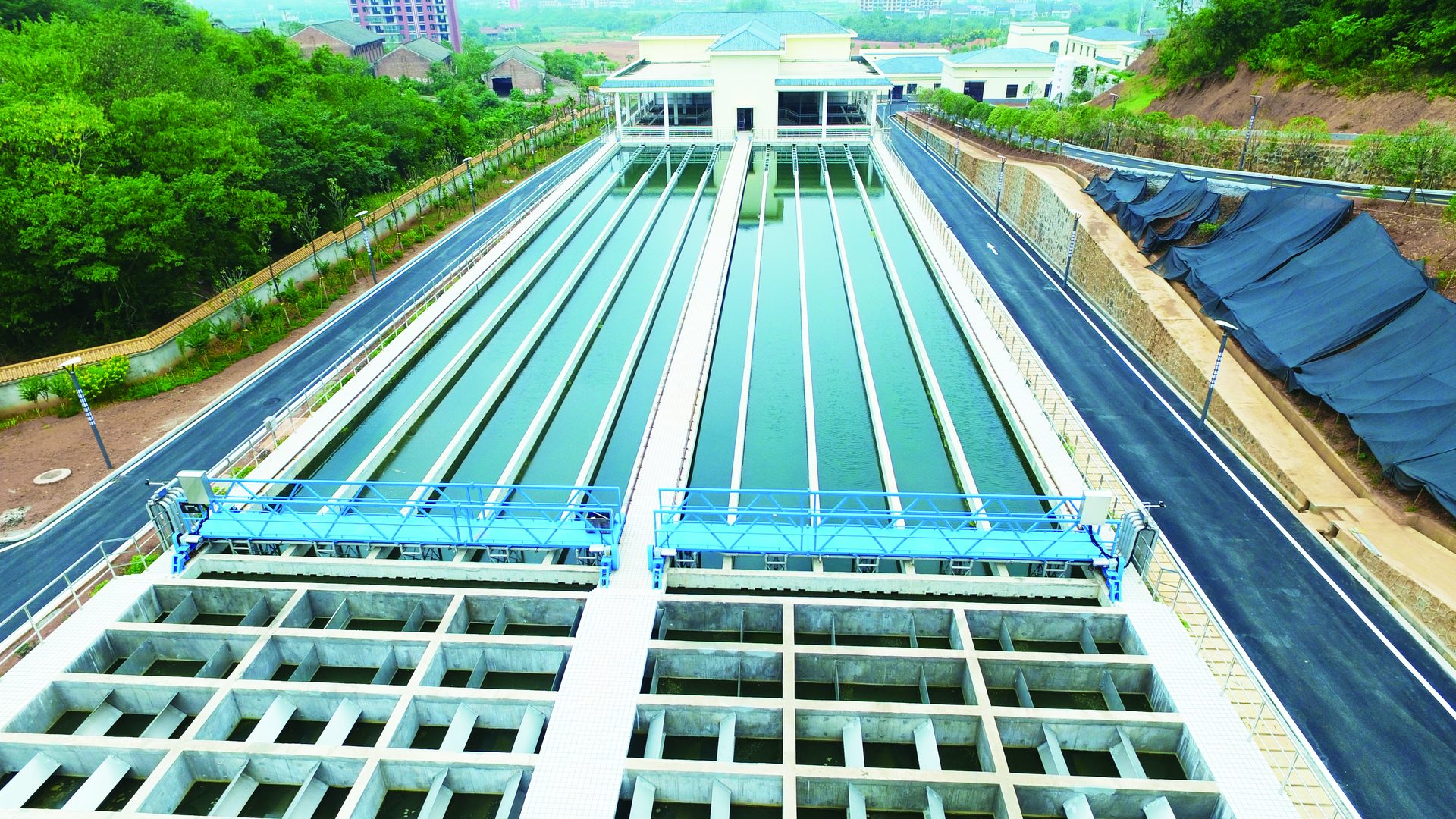
A large multi-type instrument set now covers the membrane process and emergency tank. The MTU high-precision turbidimeter captures low-turbidity product water, precisely supporting automatic backwash control — reducing membrane fouling, extending membrane life and cutting replacement cost, while online data replaces manual lab work.
Related Case Studies
The plant handles a large daily flow through a complex multi-stage process, requiring precise control of influent/effluent quality and process status. Water quality data must also feed the environmental regulator's system, but legacy single-parameter instruments with lagging data could not support full-process control or compliant reporting.
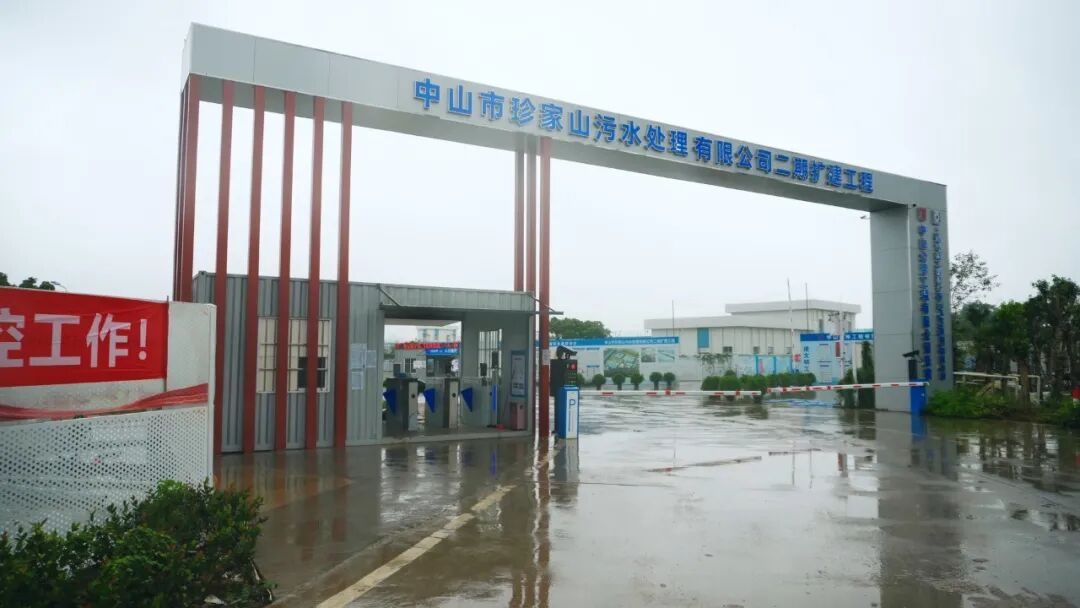
Municipal wastewater plants present complex conditions and fluctuating water quality. Instruments run continuously while submerged, so conventional meters age, drift and fail — driving up replacement and maintenance costs and conflicting with the need for long-term, low-maintenance operation.
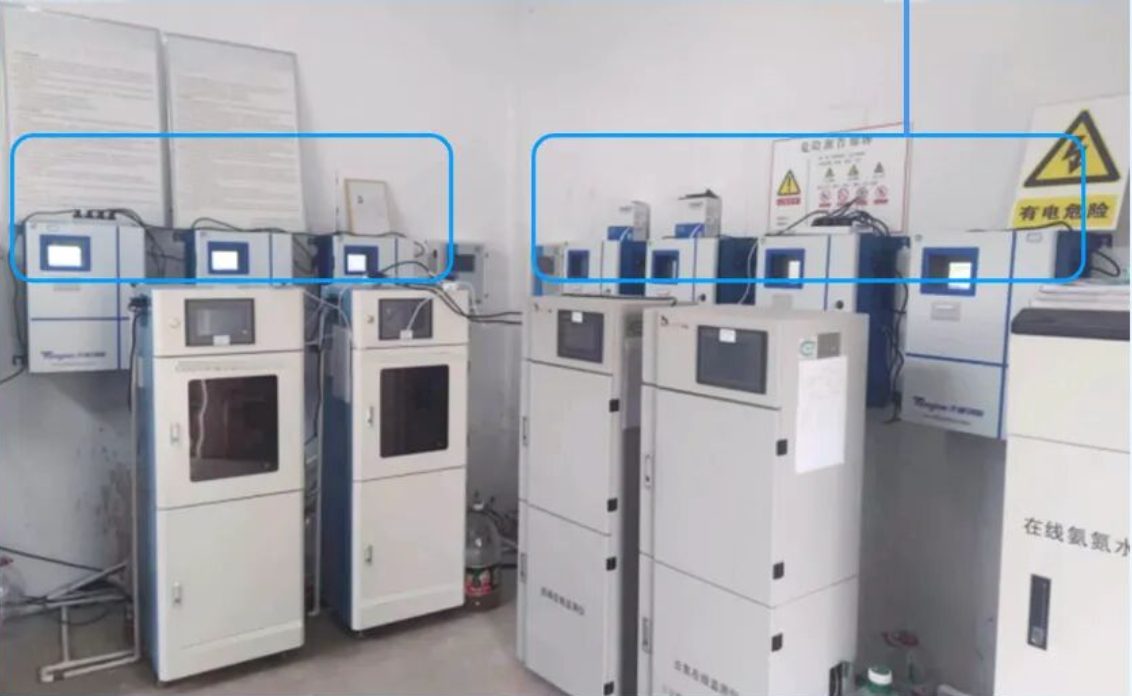
Aging online instruments no longer met current pollution-source monitoring specifications. The project had a tight schedule and complex construction, requiring on-time delivery of a large instrument batch; multiple dispersed sites demanded certified, stable devices connected to a smart-water platform, plus complete installation and commissioning services.
Facing a similar monitoring challenge?
Tell us about your application — our engineers will reference this project experience and design a solution for your site.