
Urban Landscape Water
Water Quality Monitoring for the Waterways of Universal Studios Beijing
 1 / 2
Project Background
Three years in the making, Universal Studios Beijing opened in 2021 as the world's largest Universal theme park, with seven themed lands — Harry Potter, Transformers, Minions, Jurassic World, Kung Fu Panda, Hollywood and WaterWorld — many of which rely on large volumes of water. Keeping every waterway clear, clean and odor-free is fundamental to the visitor experience.
Customer Challenge
Landscape waterways in a high-traffic theme park are exposed to constant contamination pressure. Water quality must be watched continuously across multiple sections of the park, and any deterioration must be caught before it becomes visible or affects guests — manual sampling could never provide that coverage.
The TENGINE Solution
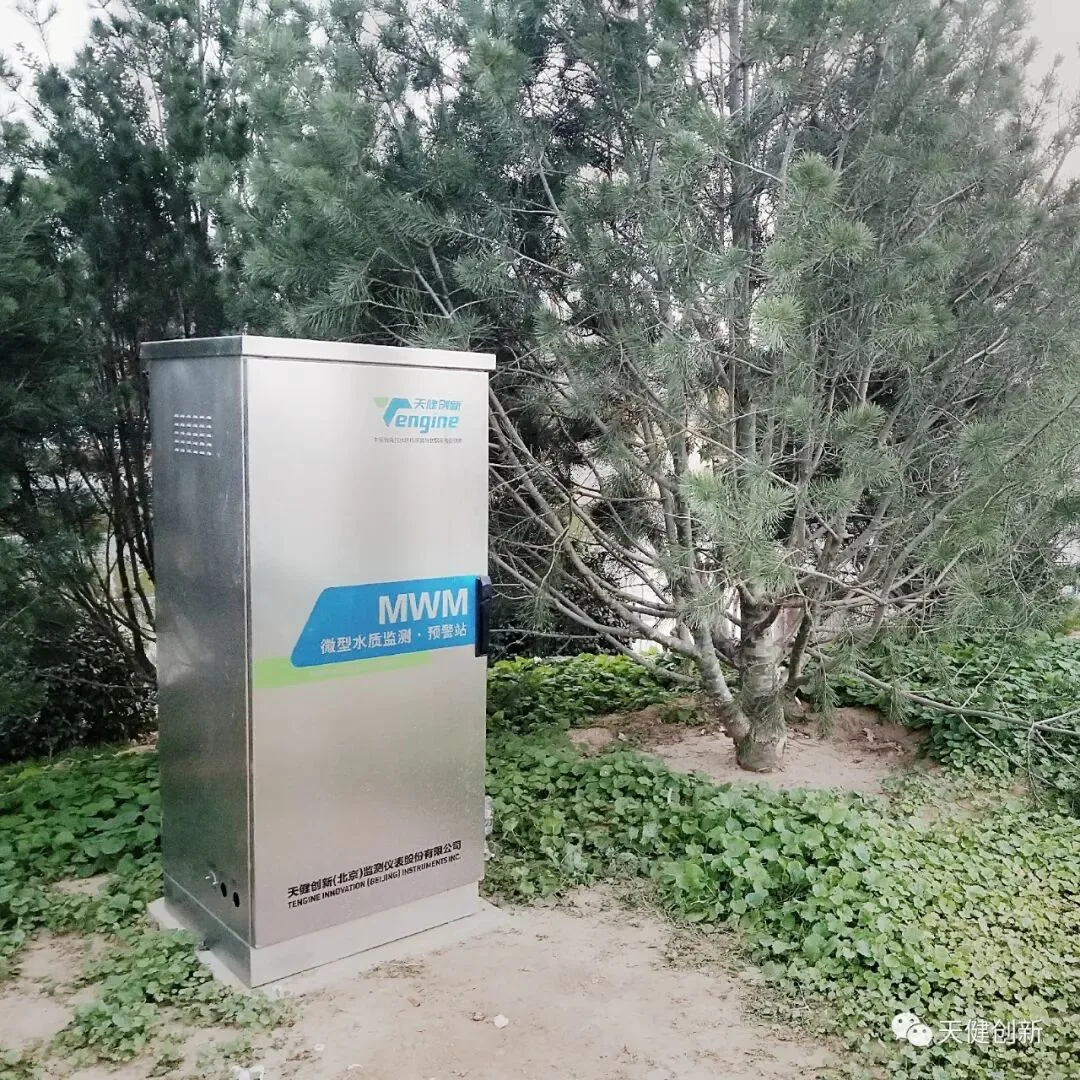
TENGINE delivered a full waterway monitoring solution for the park's landscape rivers. MWM Micro Water Quality Monitoring & Warning Stations were installed at multiple cross-sections, monitoring COD, water temperature, pH, conductivity, turbidity and chlorophyll in real time. Combined with IoT transmission, digital modeling and cloud computing, the stations form a complete intelligent data-acquisition system covering the entire park water system.
Implementation
MWM micro stations were deployed at key sections of the park's landscape waterways. The cabinet-style stations need no dedicated building, self-clean automatically, and transmit data to the IoT platform for remote supervision and alarms.
Project Results
The park gained full-coverage, real-time visibility of its water system. Water quality and quantity data are supervised around the clock, keeping the waterways clear and odor-free and the entire park water system running safely and stably.
Related Case Studies
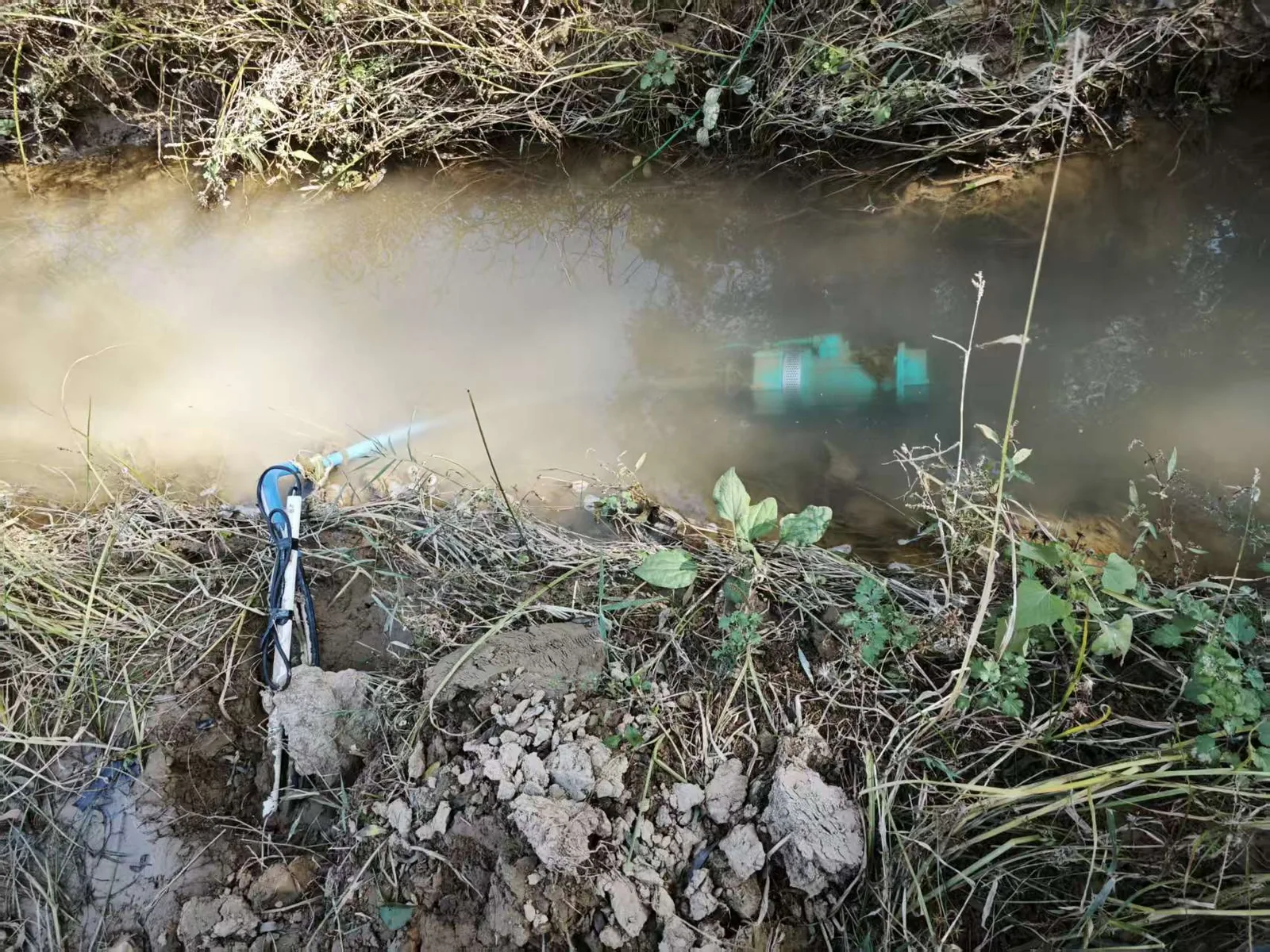
The river basin needed continuous, automated water-quality supervision across multiple points — with the ability to warn of risks before incidents happen, not just record them afterwards. Dispersed sites demanded compact, low-maintenance stations with dependable digital sensing.
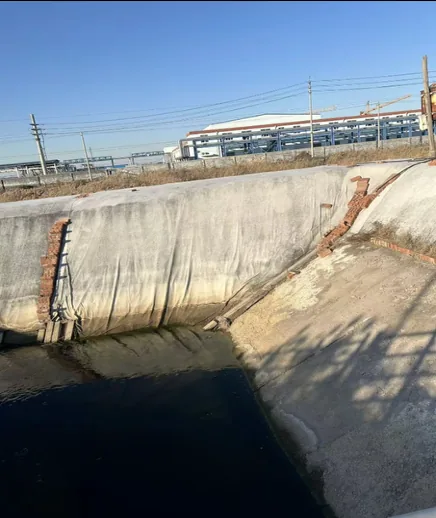
River sites demand equipment that survives outdoor conditions with minimal attention: fast water-sample exchange for truthful readings, long maintenance intervals, and simple installation without buildings or extensive infrastructure.
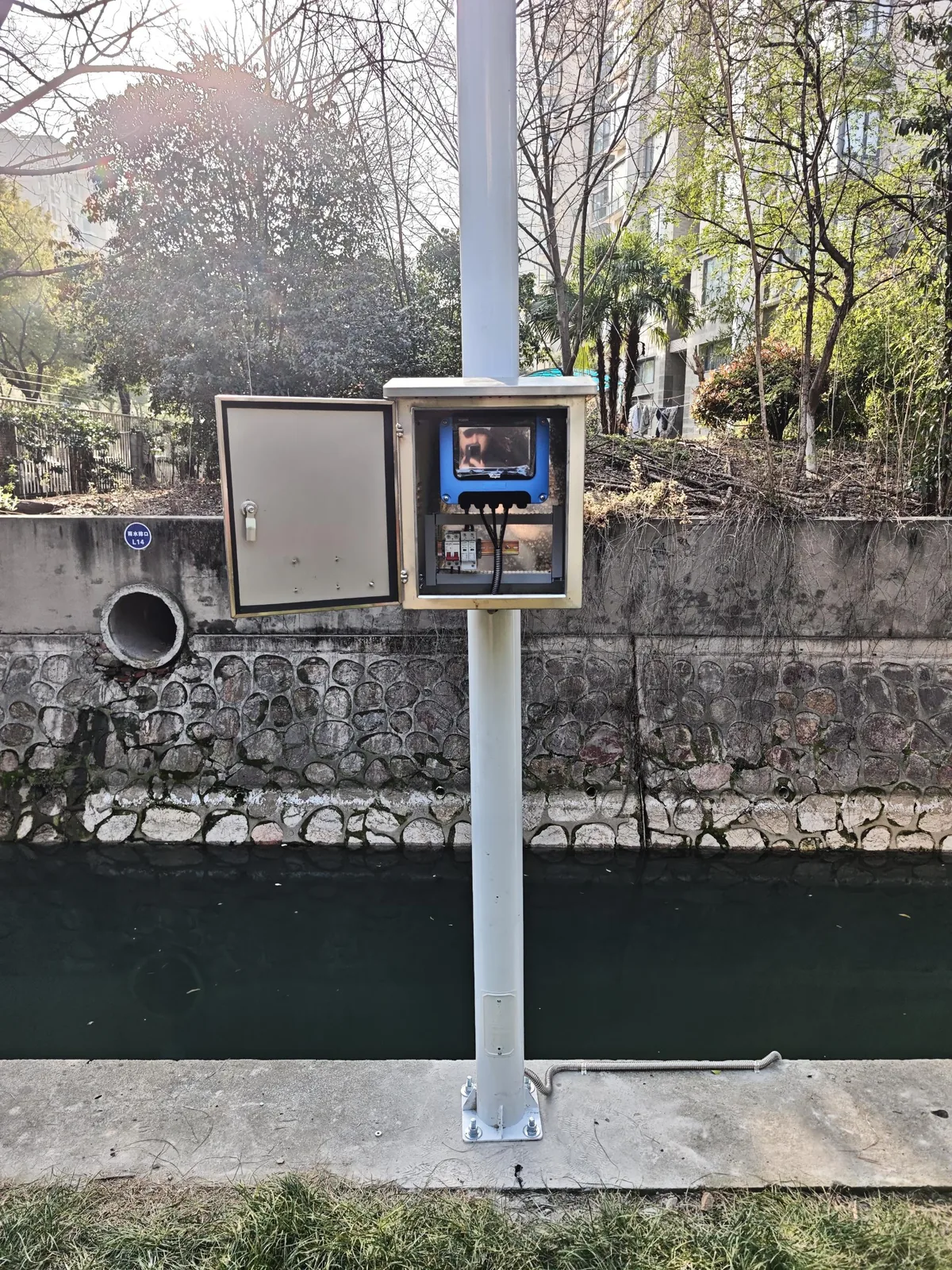
Outfall regulation requires trustworthy, continuous data at the river points downstream of discharge outlets — monitoring COD and ammonia nitrogen where pollution would actually show up, and feeding the district's smart platform for governance decision-making.
Facing a similar monitoring challenge?
Tell us about your application — our engineers will reference this project experience and design a solution for your site.