
Urban Drainage Network
Flow & Velocity Monitoring Across a City's Drainage Network
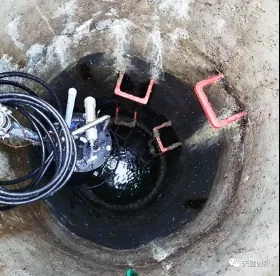 1 / 2
Project Background
A city's drainage network suffered the familiar urban problems: rain-sewage misconnections, sediment buildup and blockages — plus illegal industrial discharges — causing water pollution, treatment-plant upsets, off-spec effluent and urban flooding risks. The operator needed eyes inside the network.
Customer Challenge
Without intelligent monitoring, the network's real operating state is invisible and abnormalities cannot be traced. The equipment had to live underground: submerged, corrosive manhole environments, battery powered, with dependable data transmission from below the street.
The TENGINE Solution
Seven monitoring points were built into the network with DNF drainage-network flow meters and acoustic Doppler velocity meters, tracking flow, velocity, level and temperature. The IP68-rated integrated units combine acquisition, storage, transmission and power in a compact body, install easily in manholes, support Bluetooth app-based commissioning, and transmit over industrial IoT protocols with built-in data analytics and warning.
Implementation
Seven points were deployed across the network, each unit battery-powered and IP68-protected, streaming continuous flow, velocity and level data to the monitoring platform.
Project Results
The operator now sees the network's real-time hydraulic state around the clock: misconnections, blockages and illegal discharges are flagged and traced quickly, helping prevent urban flooding and protect downstream treatment — a practical step toward smarter city drainage management.
Related Case Studies
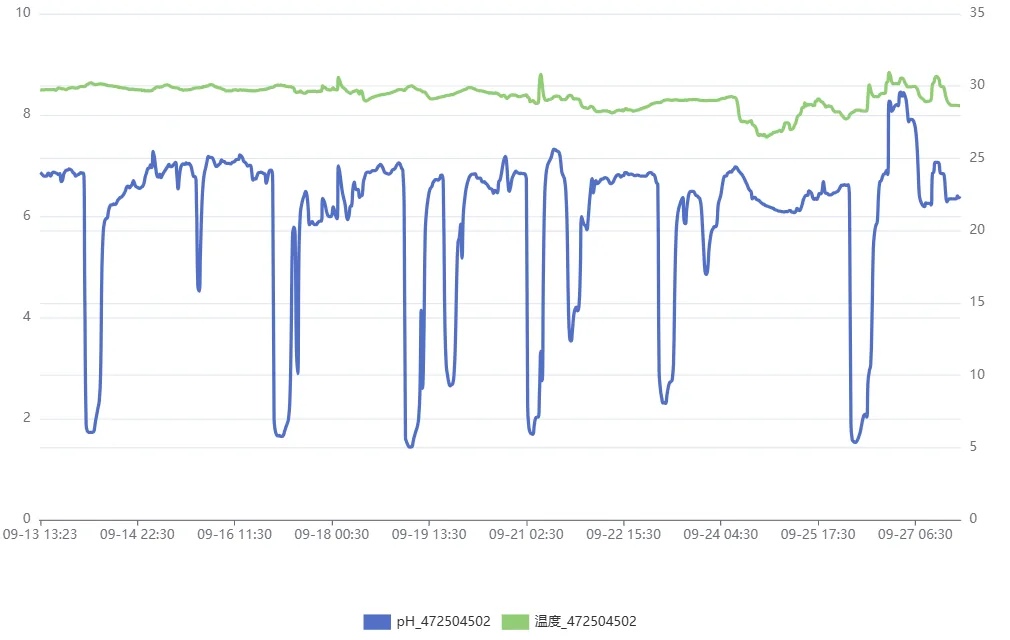
Illegal discharge is hard to catch: it typically happens in the small hours when manual patrols cannot cover; discharge points are scattered and some enterprises use hidden pipes; and without continuous data, regulators only discover pollution after the damage is done.
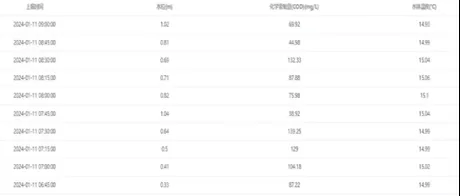
Downhole environments are cramped and complex, and the city had no real-time monitoring inside the network at all. Instruments had to fit tight wells, resist the conditions, and deliver data reliably from underground.
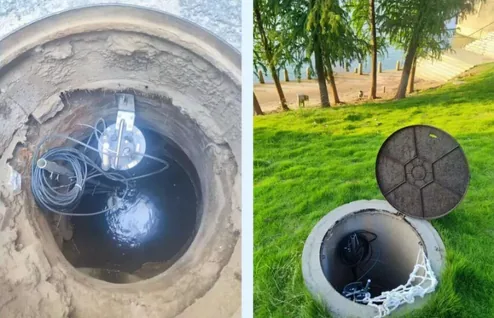
The monitoring points are numerous and sit inside stormwater wells: cramped, harsh underground spaces where installation is difficult. The system had to feed flow, level and conductivity data to the municipal smart supervision platform — with battery power and wireless transmission, since wells have neither.
Facing a similar monitoring challenge?
Tell us about your application — our engineers will reference this project experience and design a solution for your site.