
Self-Supply Water Monitoring
Drinking-Water Monitoring for a Coal-Mining Workforce in Inner Mongolia
 1 / 4
Project Background
A coal-mining enterprise in Inner Mongolia runs its own water supply for its workforce. The surrounding environment leaves the source water unstable — with elevated impurities and a pH that runs high — making continuous quality monitoring essential for employee health.
Customer Challenge
With unstable source water feeding both domestic supply and the boiler room, the enterprise needed a multi-parameter watch that stays accurate in difficult water — without adding maintenance burden to a non-specialist site team.
The TENGINE Solution
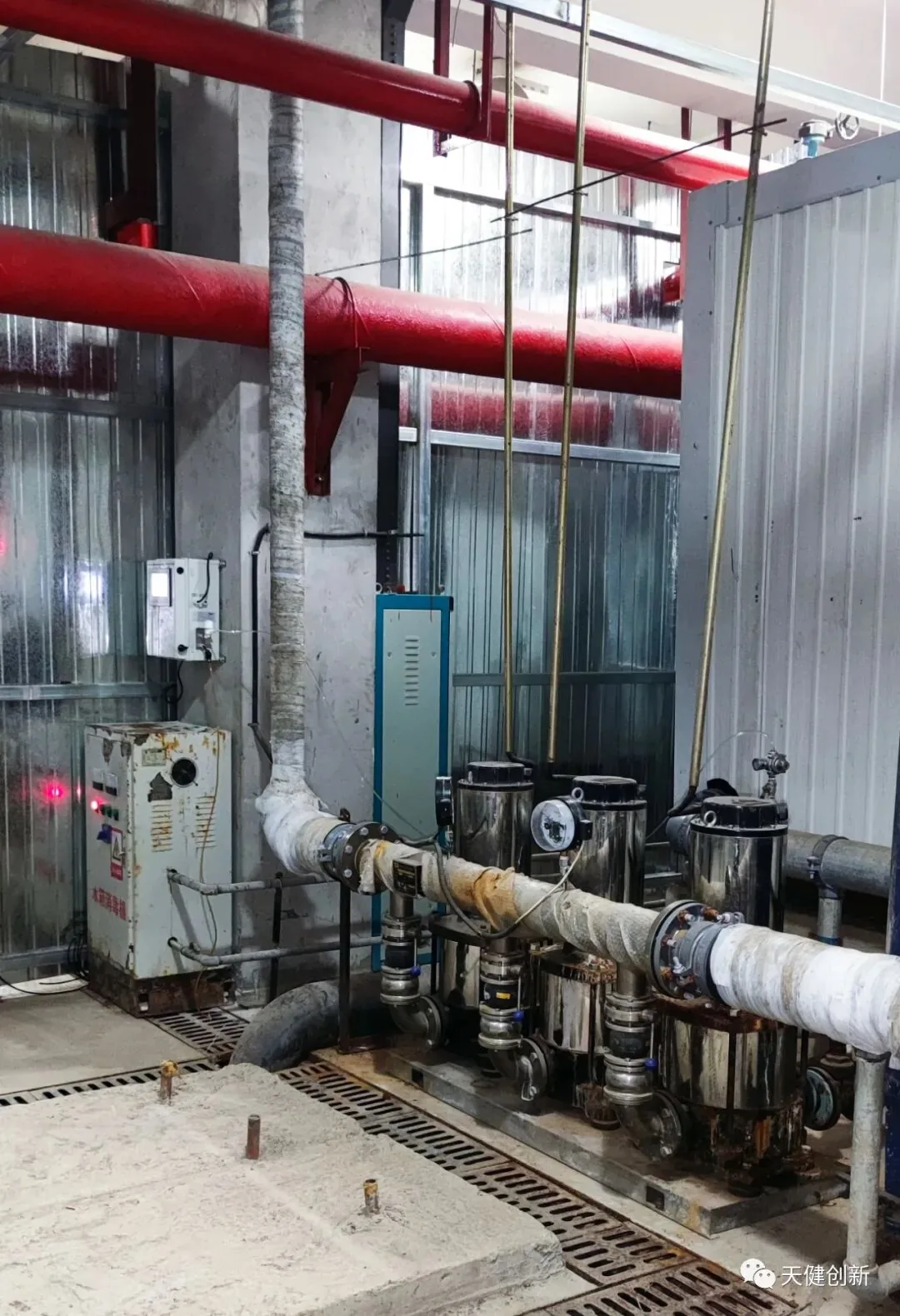
After assessing local conditions, TENGINE recommended the TMS-D3100 drinking-water multi-parameter analyzer, installed at both the raw-water inlet and the boiler room. It monitors six parameters — residual chlorine, pH, turbidity, temperature, conductivity and ORP. Residual chlorine uses the microelectronic electrode method with pH and temperature compensation; the pH electrode is glass; turbidity uses patented measurement and self-cleaning technology; and an external filter traps physical impurities.
Implementation
TMS-D3100 analyzers were installed at the raw-water inlet and boiler room, delivering six-parameter online monitoring with long maintenance intervals.
Project Results
The enterprise now watches its drinking-water quality continuously at both critical points — precise, reliable data safeguards employee water safety with minimal maintenance, and supports the site's energy-saving and compliance goals.
Related Case Studies

The plant's raw water comes from an upstream reservoir whose quality swings constantly: sediment wash-in from rainstorms, summer algae blooms and organic-matter spikes, drought-period changes. Worse, by the time abnormal water reached the plant intake and was detected, several hours had already passed — the best window for response was gone.
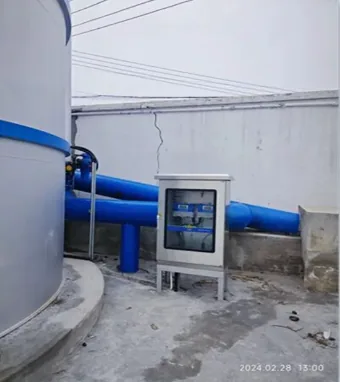
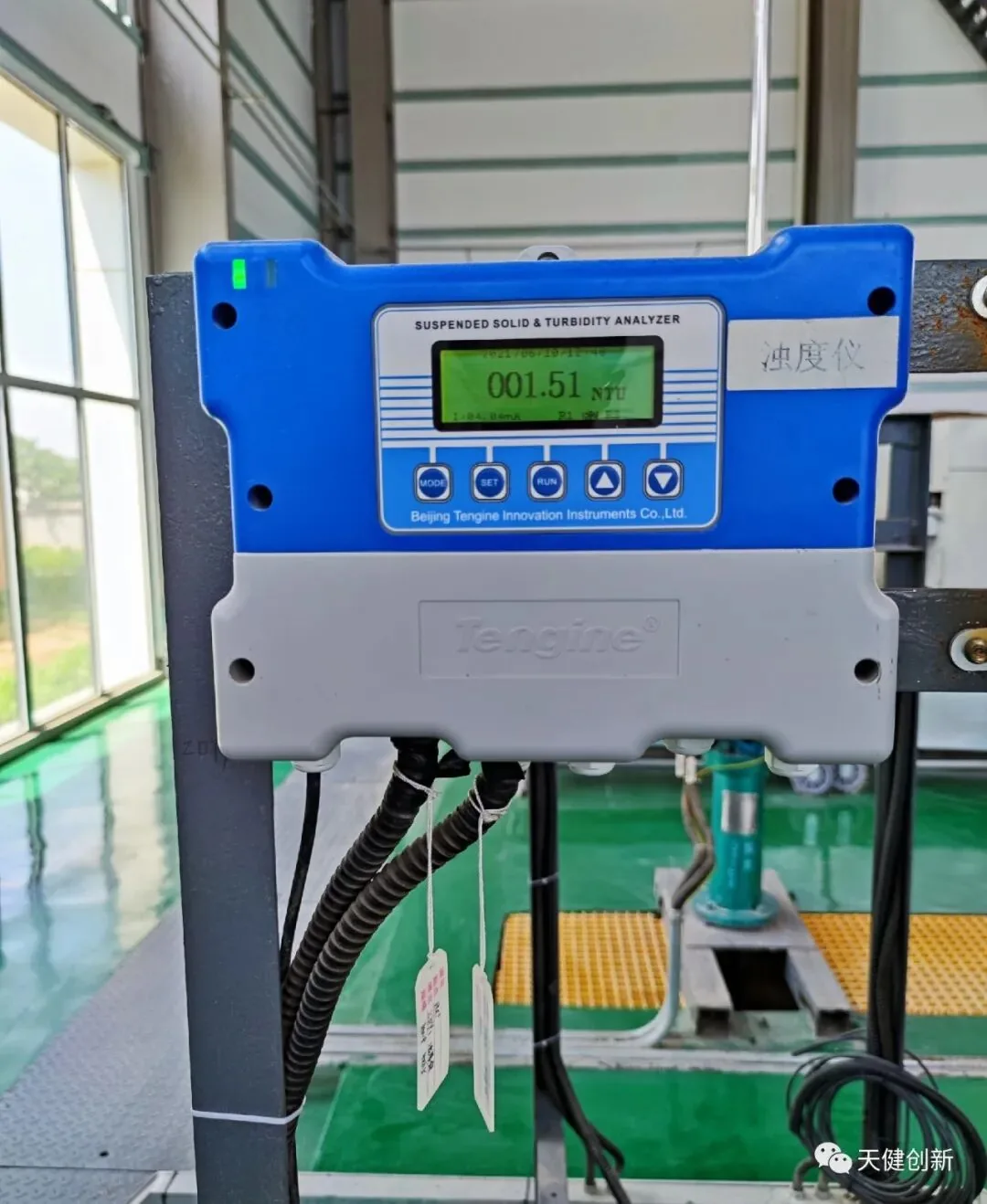
The upgraded plant demanded high accuracy on difficult measurements — low-turbidity drinking water and residual chlorine among them — with instruments that integrate stably into the plant's automation system. Site conditions threw up real problems too, such as abnormal inlet flow conditions, and the schedule required fast technical response and on-site problem solving.
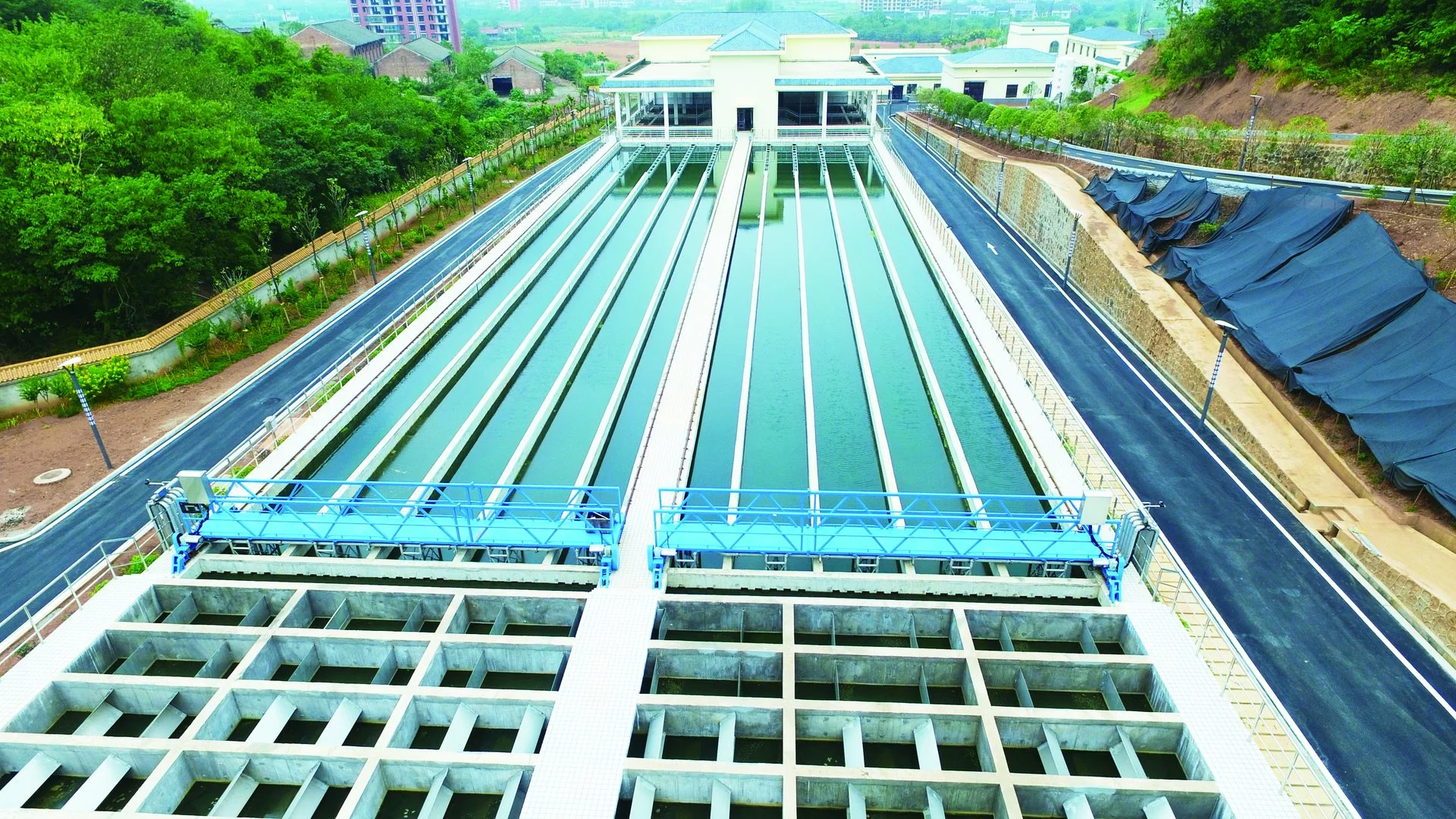
A surface water plant has many treatment stages, and running them on operator experience alone leaves blind spots: filter backwash timing, sedimentation-basin sludge discharge and disinfectant dosing could not be adjusted dynamically against actual water conditions, risking off-spec finished water.
Facing a similar monitoring challenge?
Tell us about your application — our engineers will reference this project experience and design a solution for your site.