Process Optimization & Control
Intelligent Carbon-Source Dosing Control at a Qingdao WWTP
 1 / 4
Project Background
A municipal wastewater plant in Qingdao set out to replace experience-based carbon dosing with closed-loop control in its bioreactors — one of the most direct levers a plant has over both effluent total nitrogen and reagent cost.
Customer Challenge
Biological denitrification needs precise nitrate readings to dose carbon source intelligently. Manual dosing is inaccurate — wasting reagent or risking total-nitrogen exceedance. Bioreactor samples also carry heavy impurities that foul instruments and demand frequent cleaning.
The TENGINE Solution
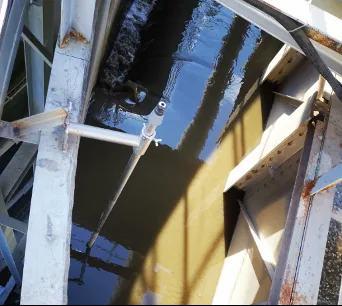
A UVN nitrate nitrogen analyzer with built-in wiper self-cleaning was installed in the bioreactor, providing the stable, accurate long-term nitrate signal that automatic dosing control requires.
Implementation
The UVN analyzer was deployed directly in the bioreactor with wiper self-cleaning, feeding continuous nitrate data to the dosing control loop.
Project Results
Intelligent automatic carbon dosing is now reality: reagent consumption is down, maintenance is reduced by self-cleaning, and reliable data keeps nitrification/denitrification stable with effluent total nitrogen compliant.
Related Case Studies

A mega-project of this scale places extreme demands on water quality data  accuracy and stability must hold over decades of operation. The wastewater treatment works required continuous online monitoring of oil content in water: a demanding measurement that has to run unattended in a harsh coastal desert environment, resist fouling, and integrate cleanly into plant process control.
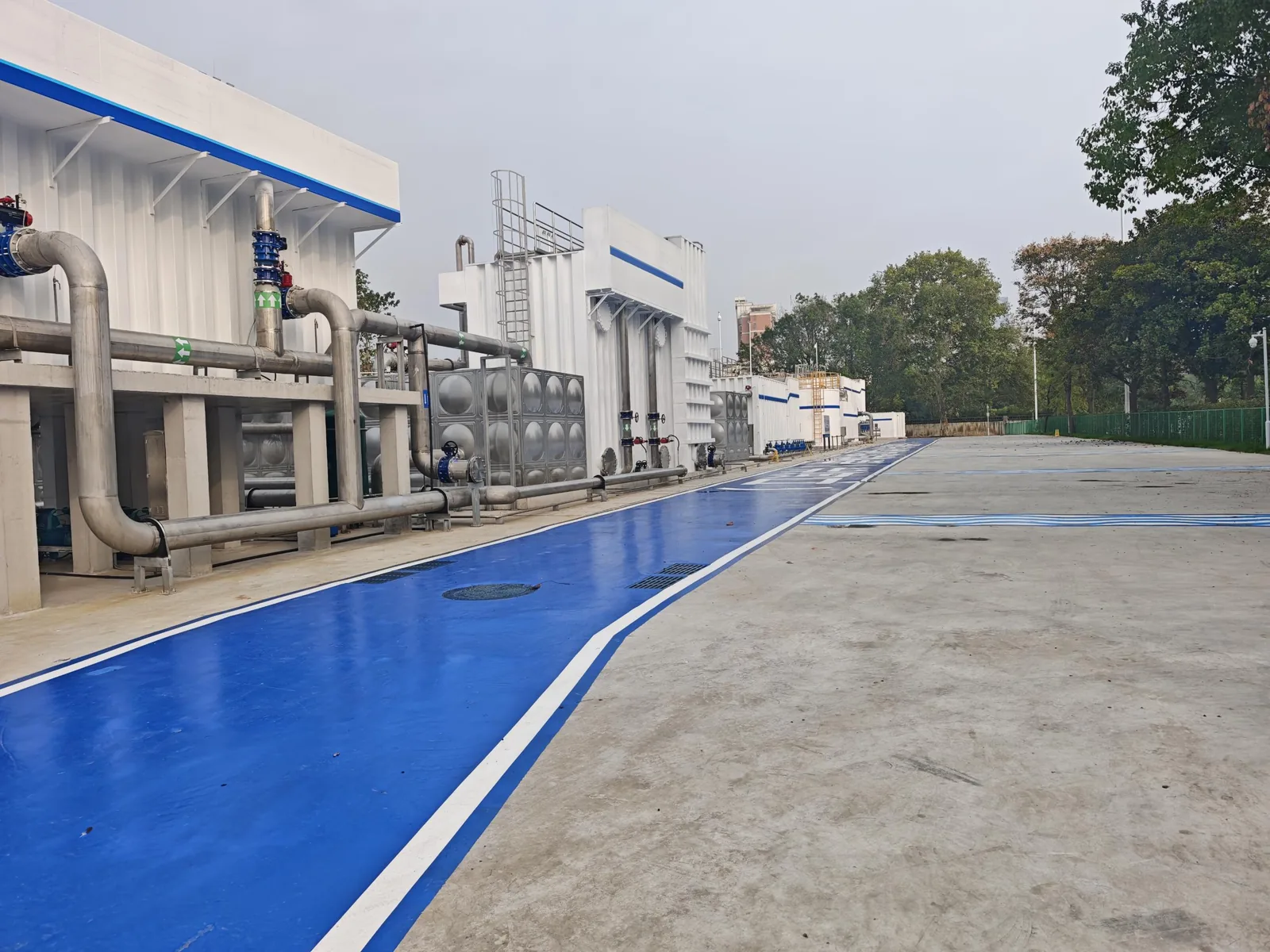
Membrane performance calibration demands precise, time-aligned and traceable water-quality data to verify retention, anti-fouling and cleaning-recovery behavior. The pain points were acute: micro-leakage is hard to detect, and instrument drift under variable operating conditions contaminates the baseline data that the whole evaluation depends on.
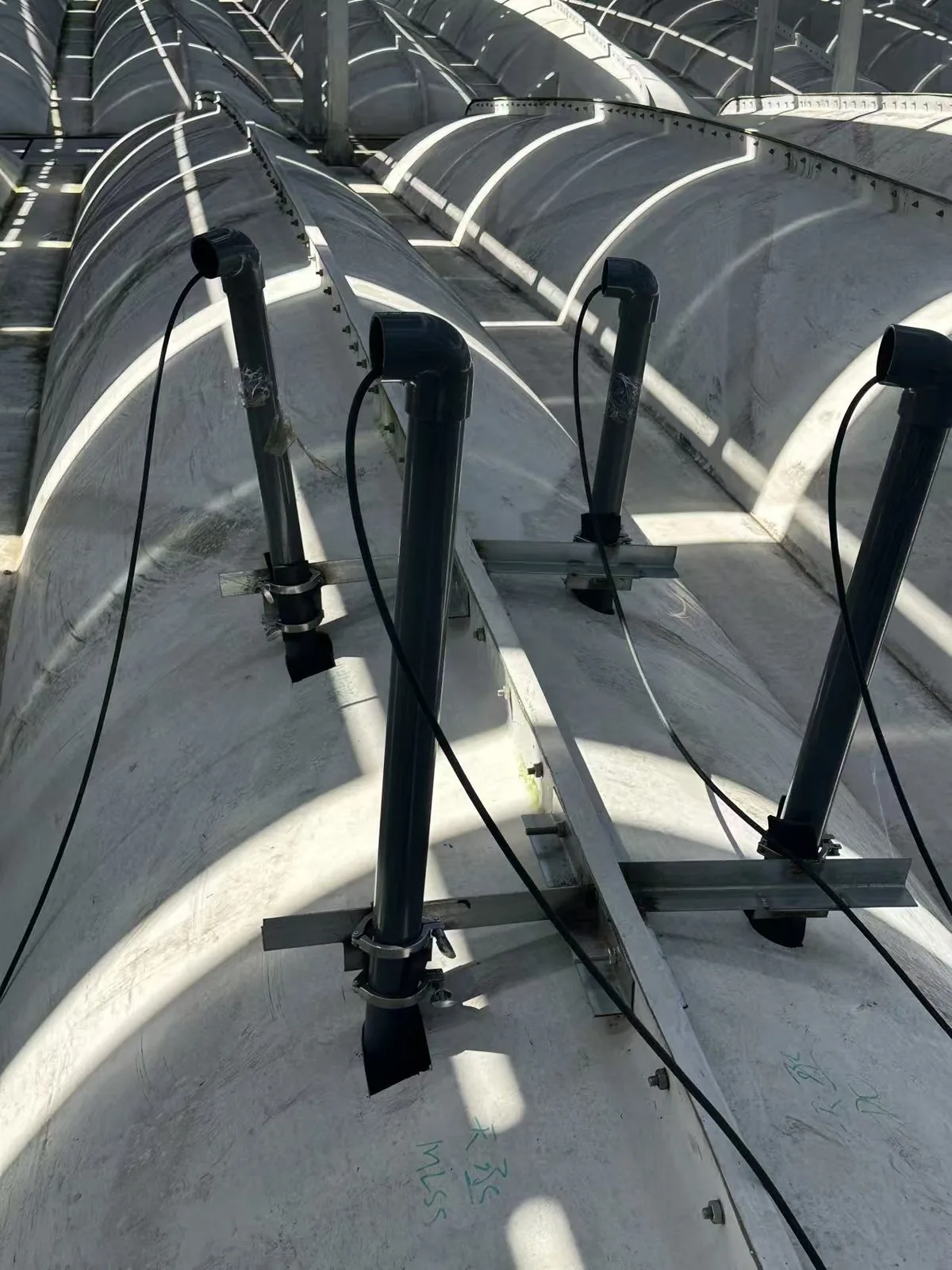
Sludge concentration and blanket-level measurement were unreliable, so discharge relied on operator experience. Timing and volume were hard to control precisely — under-discharge, over-discharge and sludge loss all occurred, destabilizing effluent quality and pushing up running costs.
Facing a similar monitoring challenge?
Tell us about your application — our engineers will reference this project experience and design a solution for your site.