
NEEQ Listed (430641) · ISO-Certified · Est. 2002
Every Drop,
Measured. Trusted.
TENGINE designs and manufactures online water quality sensors, analyzers and IoT monitoring systems — serving water utilities, EPC contractors, system integrators and industrial plants worldwide.
0+
Years of Water Sensing Expertise
0+
Countries — Global Network
0+
Projects Completed
0+
Units Installed
0%
China WWTP Coverage
Products by Parameter
What Do You Need to Measure?
Select a parameter to see the matching instruments — turbidity, dissolved oxygen, pH, ORP, conductivity, nitrogen, COD, chlorine, chlorophyll, blue-green algae and more. The controllers at the center read them all.
Industry Solutions
What Problems Can We Solve?
Drinking Water & Water SupplyFrom treatment to tap
Wastewater & EffluentFrom process to discharge
Industrial WaterPure & process water
Surface Water & Urban DrainageFrom rivers to outfalls
Technology
Why Trust TENGINE?
Optical Measurement
Infrared scattering, luminescence and UV absorption — no membranes, no reagents, minimal maintenance.
Digital Sensor Architecture
Measurement, storage and processing inside the sensor — plug-and-play Modbus networking.
In-house R&D Since 2002
A NEEQ-listed national high-tech enterprise (stock code 430641) — core measurement technologies developed and owned by TENGINE.
Industrial Reliability
316L stainless steel, IP68 protection and self-cleaning options for demanding field conditions.
Case Studies
Real Projects, Real Evidence
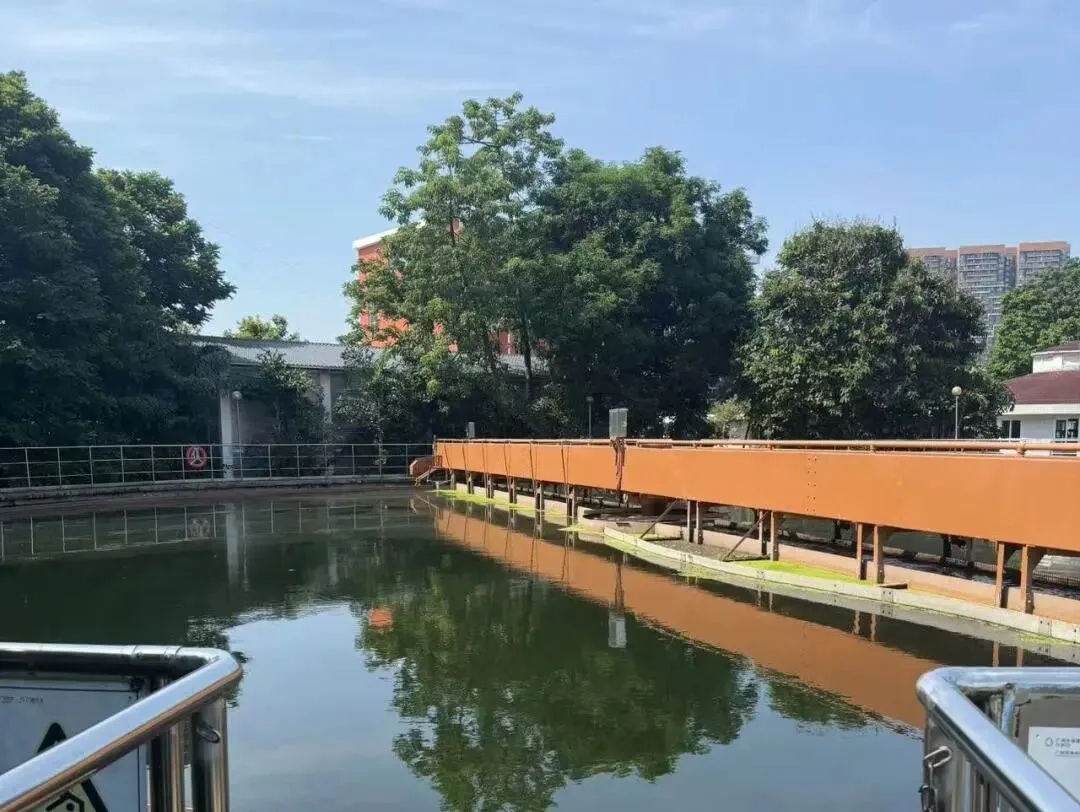
Accurate sludge-blanket level measurement in the secondary clarifiers is the key to controlling scraper start/stop, saving energy and keeping effluent compliant — but the plant faced the industry's common pain points: strong water disturbance, sludge fouling on probes and a blurry mud-water boundary made the actual blanket thickness hard to determine, while conventional ultrasonic meters were severely disturbed by scum and bubbles, producing drifting data that could not be used as a basis for automatic control.
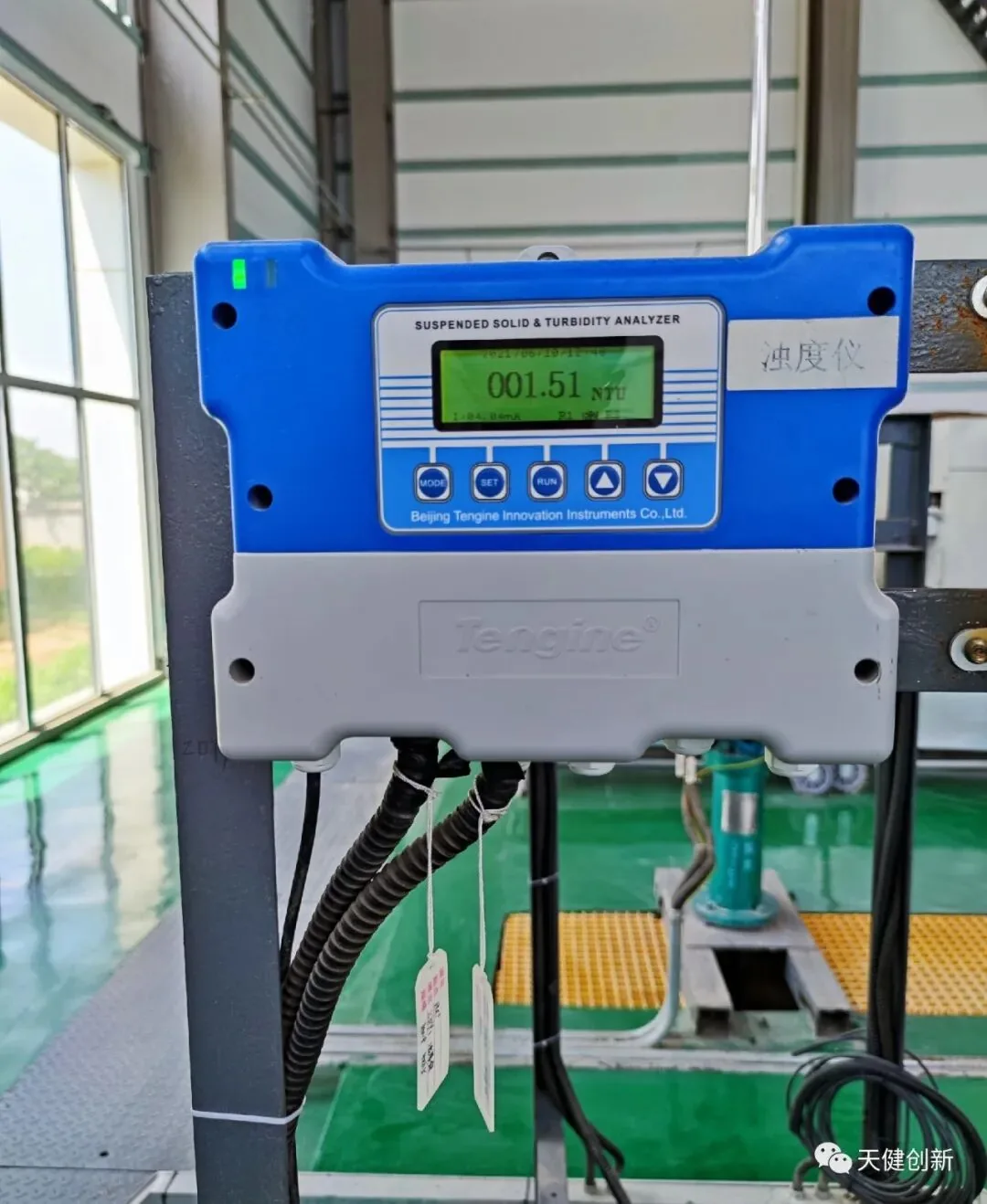
A surface water plant has many treatment stages, and running them on operator experience alone leaves blind spots: filter backwash timing, sedimentation-basin sludge discharge and disinfectant dosing could not be adjusted dynamically against actual water conditions, risking off-spec finished water.
Zoned supply means small chlorine fluctuations at low range — demanding real measurement precision — while day-to-day operation falls to a property team without instrument specialists. Equipment had to be highly stable and low-maintenance, and installation had to work in a cramped underground pump house.
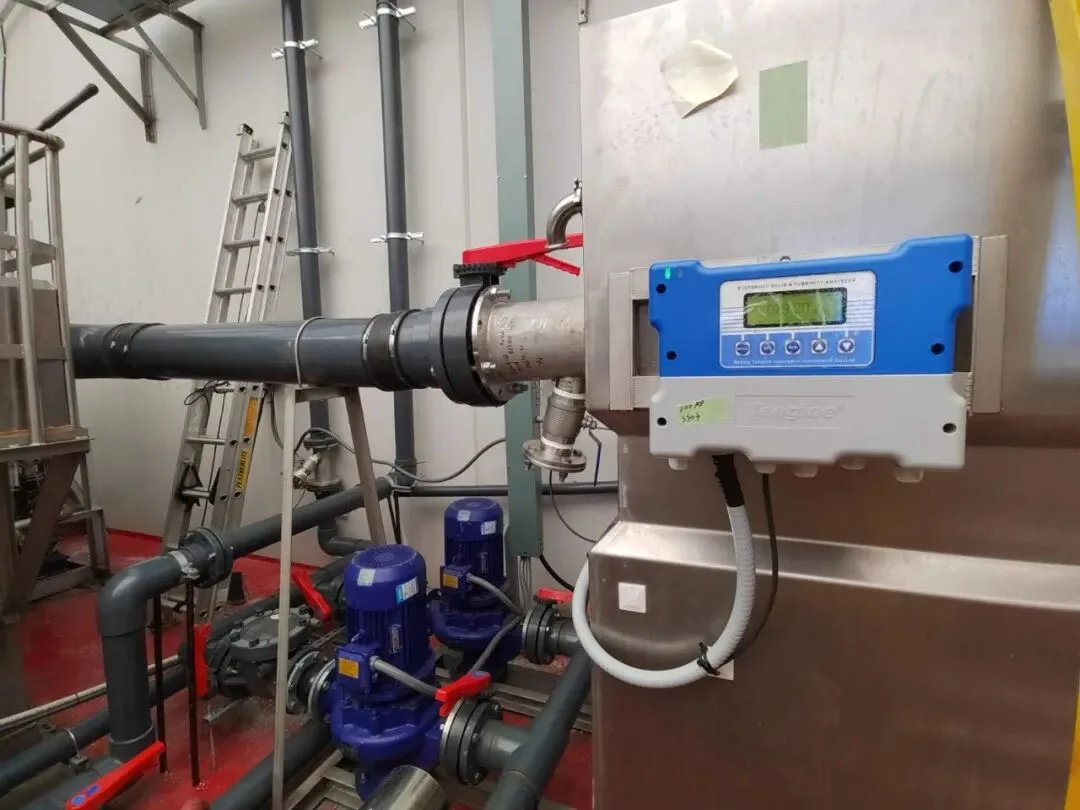
Tofu production is water-intensive, and process water can carry contaminants such as heavy metals and organic pollutants. Without continuous monitoring, quality risks to the product — and health risks to consumers — can go undetected. At the same time, improperly managed wastewater discharge harms the environment and exposes the company to regulatory violations and legal liability.
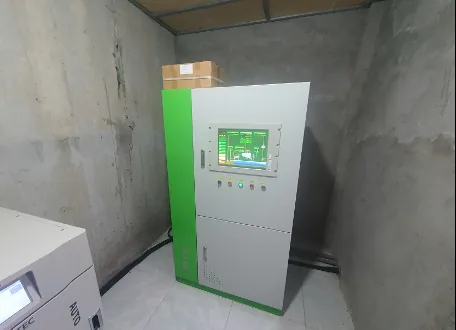
The end customer's facility had no online water-quality monitoring at all — only manual spot checks — leaving wastewater indicators unsupervised between samples, failing the new regulatory requirement for online installation, and exposing the operator to environmental penalties.
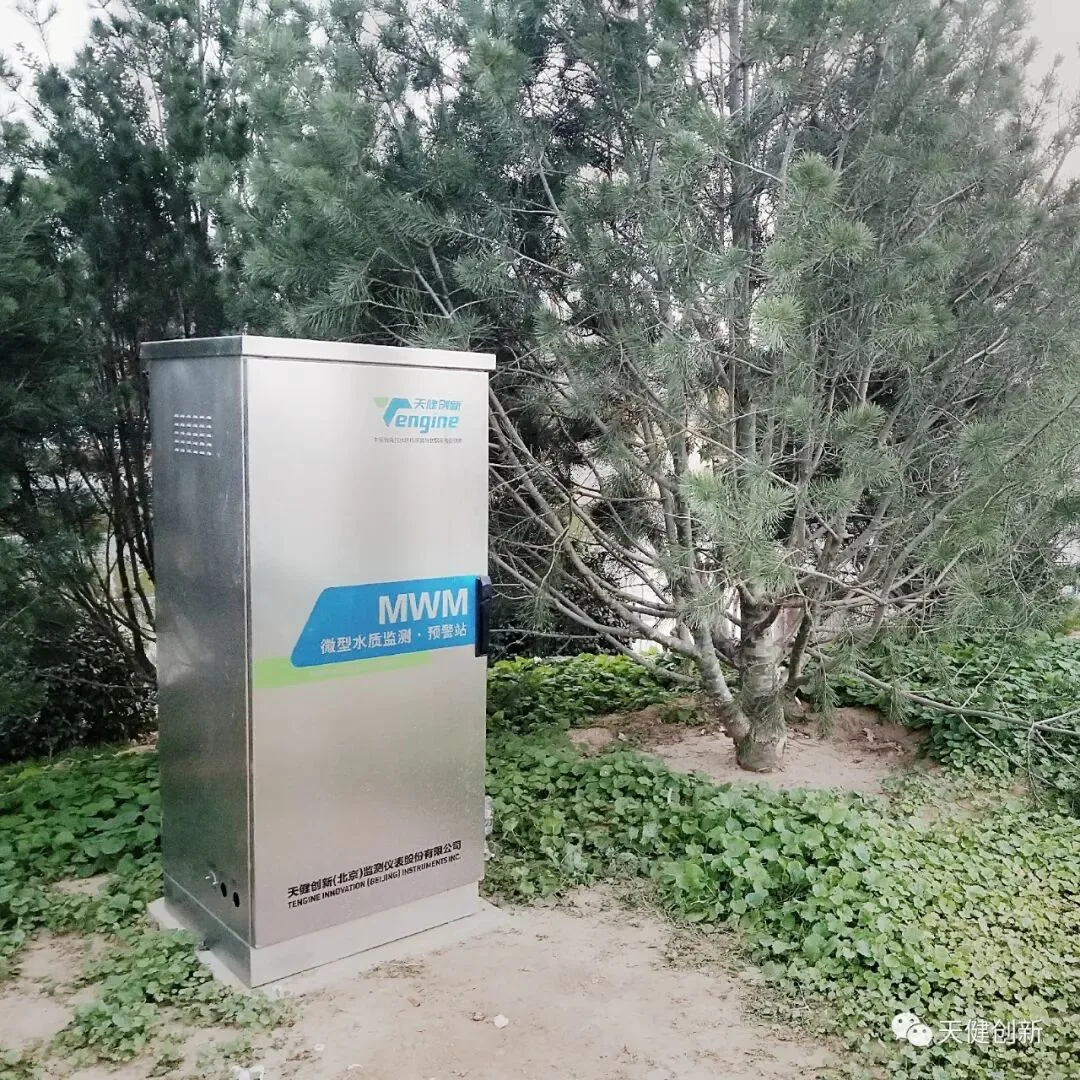
Landscape waterways in a high-traffic theme park are exposed to constant contamination pressure. Water quality must be watched continuously across multiple sections of the park, and any deterioration must be caught before it becomes visible or affects guests — manual sampling could never provide that coverage.