
Rural & Township Wastewater
Influent & Effluent Monitoring for Six Township Plants
 1 / 3
1 / 3Project Background
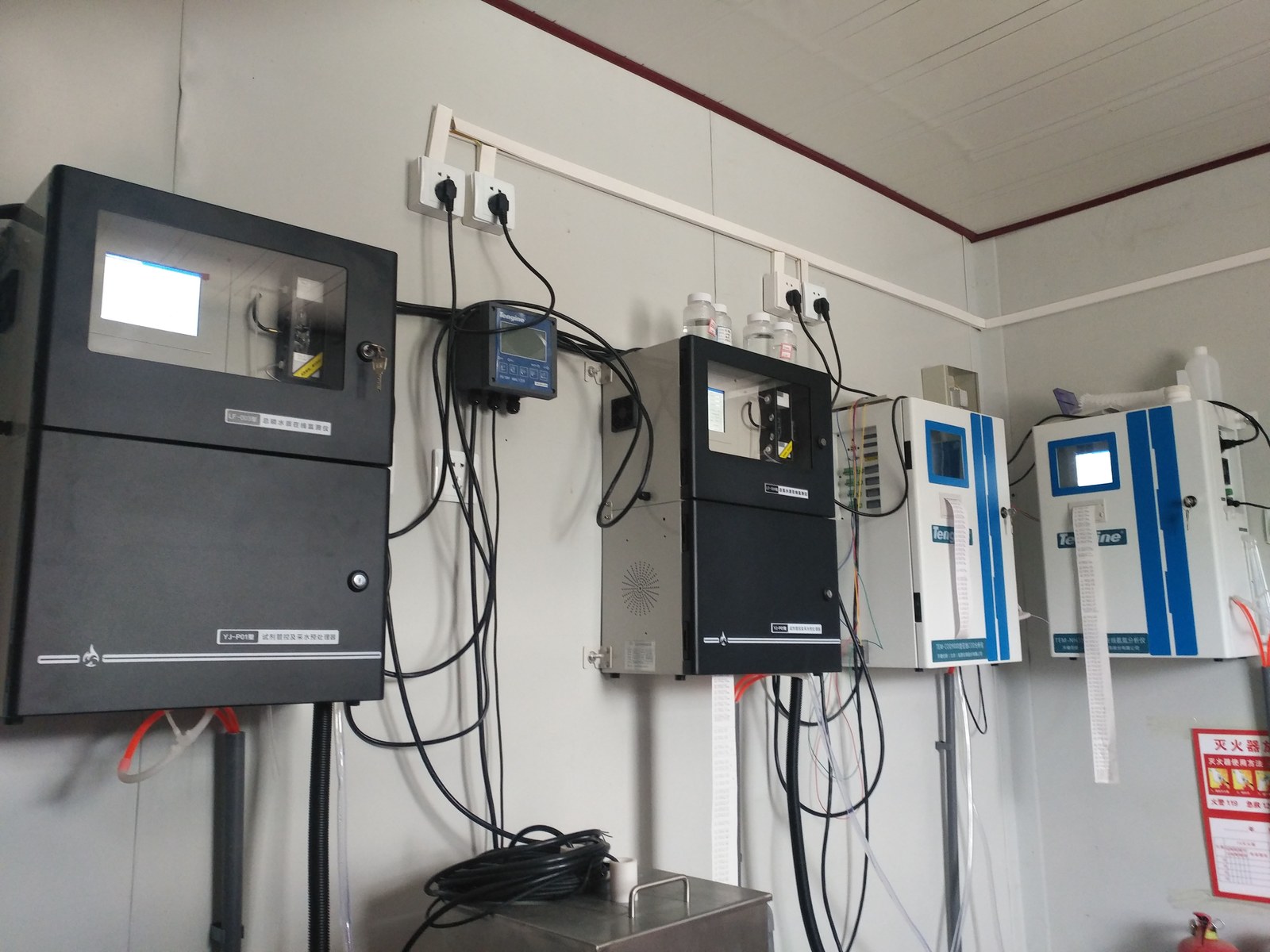
Containerized influent & effluent monitoring at six dispersed township plants.
Customer Challenge
Six dispersed township plants treat village domestic sewage and must meet Beijing's stringent Class 1A discharge standard. Continuous monitoring of influent/effluent COD, ammonia nitrogen, TP, TN, turbidity and pH was required; containerized shelters limited installation space; data had to serve both regulatory reporting and A2O+MBR+ozone-carbon process control, with high integration to cut multi-site O&M.
The TENGINE Solution
COD, ammonia nitrogen, TP and TN online analyzers, turbidity and pH meters, and an automatic water sampler were deployed in containerized stations.
Implementation
UVC Integrated Online COD Sensor, DNH Ammonia Nitrogen Sensor (ISE Method), TEM Online Total Phosphorus Analyzer, TEM Online Total Nitrogen Analyzer, MTU High-Precision Turbidity Analyzer, TPH pH Analyzer, FC-2024 Automatic Water Sampler.
Project Results
All six plants achieved full-parameter influent/effluent monitoring with stable Class 1A compliance. The containerized package suits northern township conditions; the multi-site rollout proved analyzer reliability for rural domestic sewage and provides a replicable model balancing regulation and process control.
Related Case Studies
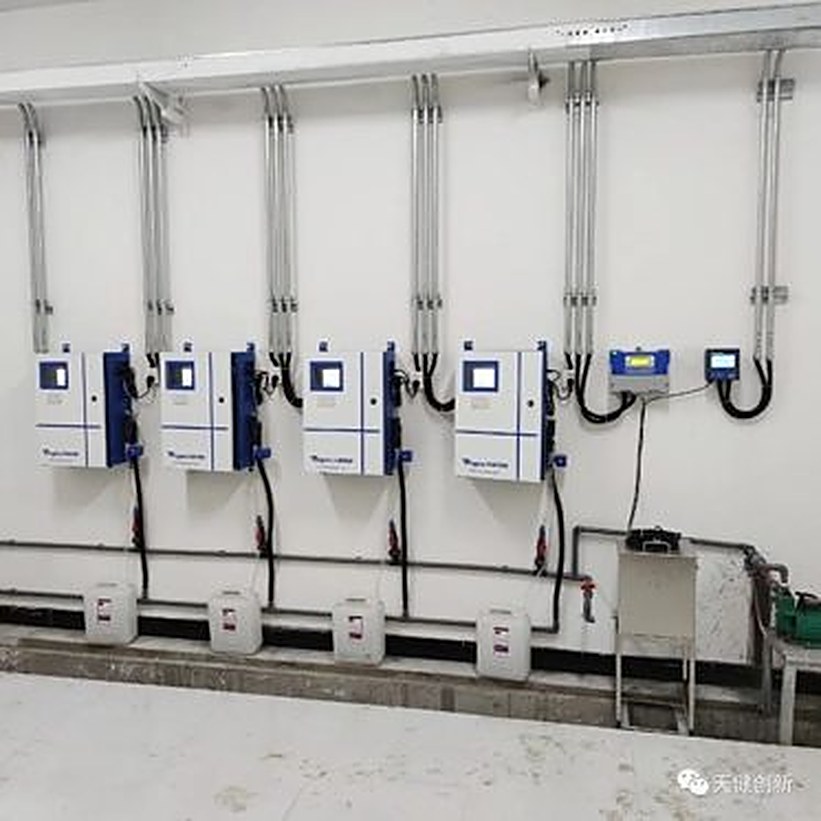
The plant handles a large daily flow through a complex multi-stage process, requiring precise control of influent/effluent quality and process status. Water quality data must also feed the environmental regulator's system, but legacy single-parameter instruments with lagging data could not support full-process control or compliant reporting.
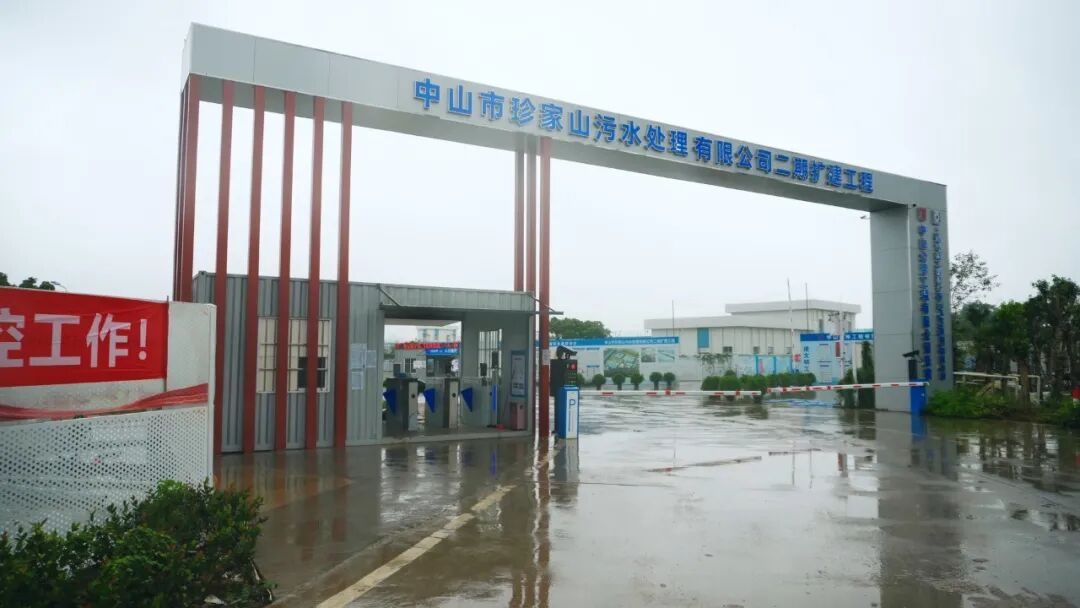
Municipal wastewater plants present complex conditions and fluctuating water quality. Instruments run continuously while submerged, so conventional meters age, drift and fail — driving up replacement and maintenance costs and conflicting with the need for long-term, low-maintenance operation.
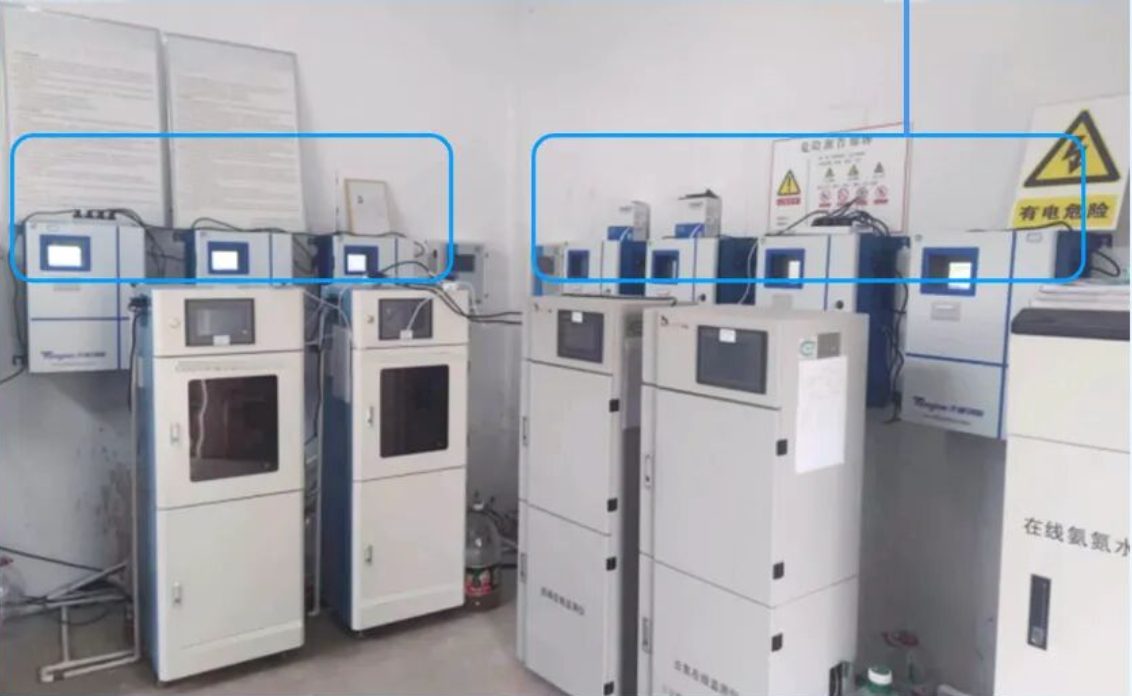
Aging online instruments no longer met current pollution-source monitoring specifications. The project had a tight schedule and complex construction, requiring on-time delivery of a large instrument batch; multiple dispersed sites demanded certified, stable devices connected to a smart-water platform, plus complete installation and commissioning services.
Facing a similar monitoring challenge?
Tell us about your application — our engineers will reference this project experience and design a solution for your site.