Rural & Township Wastewater
Urban-Rural Integrated Wastewater Treatment PPP Project
 1 / 2
1 / 2Project Background
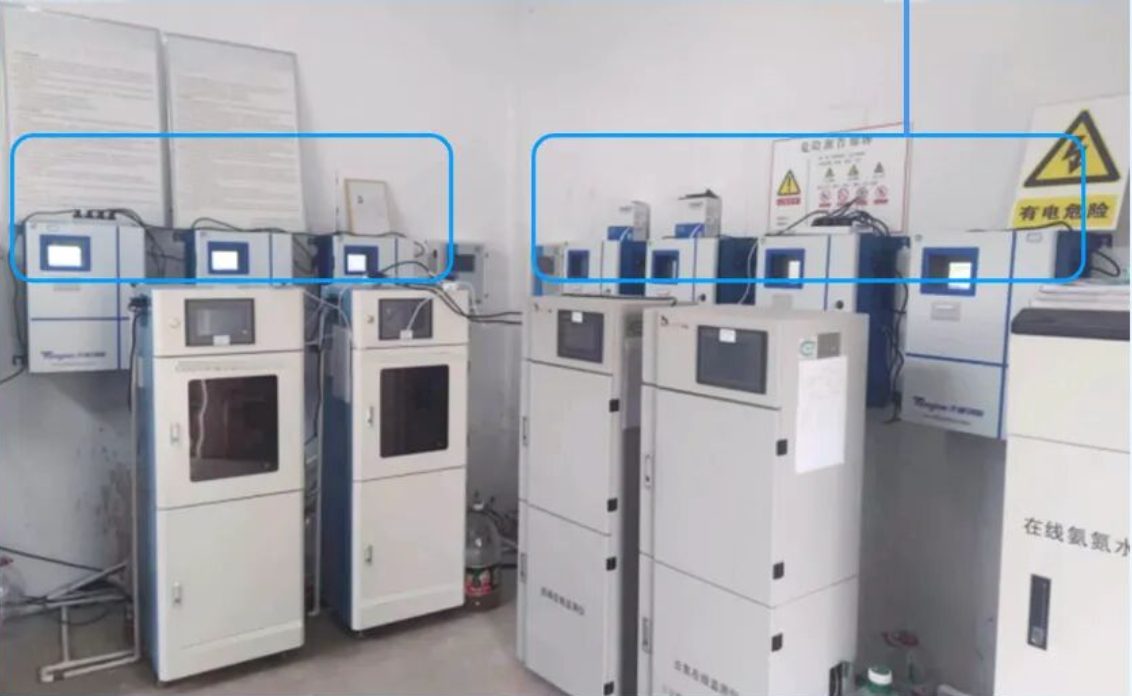
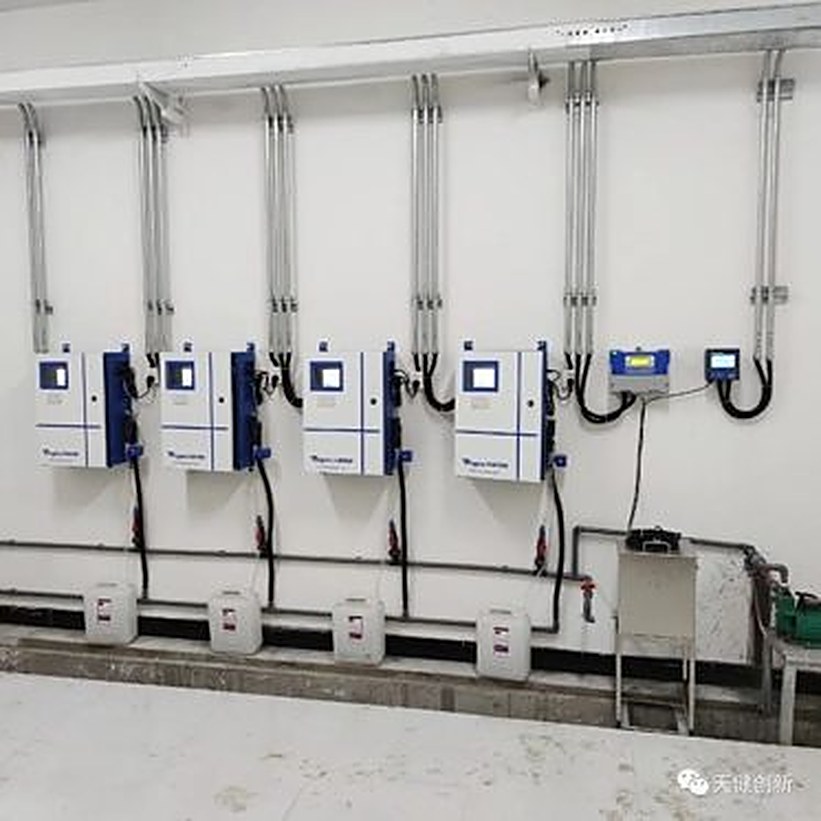
Influent & effluent monitoring rooms across 13 township wastewater plants.
Customer Challenge
Aging online instruments no longer met current pollution-source monitoring specifications. The project had a tight schedule and complex construction, requiring on-time delivery of a large instrument batch; multiple dispersed sites demanded certified, stable devices connected to a smart-water platform, plus complete installation and commissioning services.
The TENGINE Solution
72 TEM online analyzers were deployed across the influent/effluent rooms of 13 township plants, replacing all legacy meters. The products hold CCEP certification and meet the latest national pollution-source specifications; a precision optical system reduces reagent consumption. A dedicated field team completed decommissioning, installation and go-live.
Implementation
TEM Online Analyzer (COD / Ammonia / TP / TN), FC-2024 Automatic Water Sampler.
Project Results
13 plants were upgraded with compliant, reliable monitoring that feeds the regional smart-water platform — lifting county and rural wastewater collection efficiency and creating a demonstration model for urban-rural integrated treatment in northern Jiangsu. Low reagent consumption cut long-term O&M costs.
Related Case Studies
The plant handles a large daily flow through a complex multi-stage process, requiring precise control of influent/effluent quality and process status. Water quality data must also feed the environmental regulator's system, but legacy single-parameter instruments with lagging data could not support full-process control or compliant reporting.
Municipal wastewater plants present complex conditions and fluctuating water quality. Instruments run continuously while submerged, so conventional meters age, drift and fail — driving up replacement and maintenance costs and conflicting with the need for long-term, low-maintenance operation.
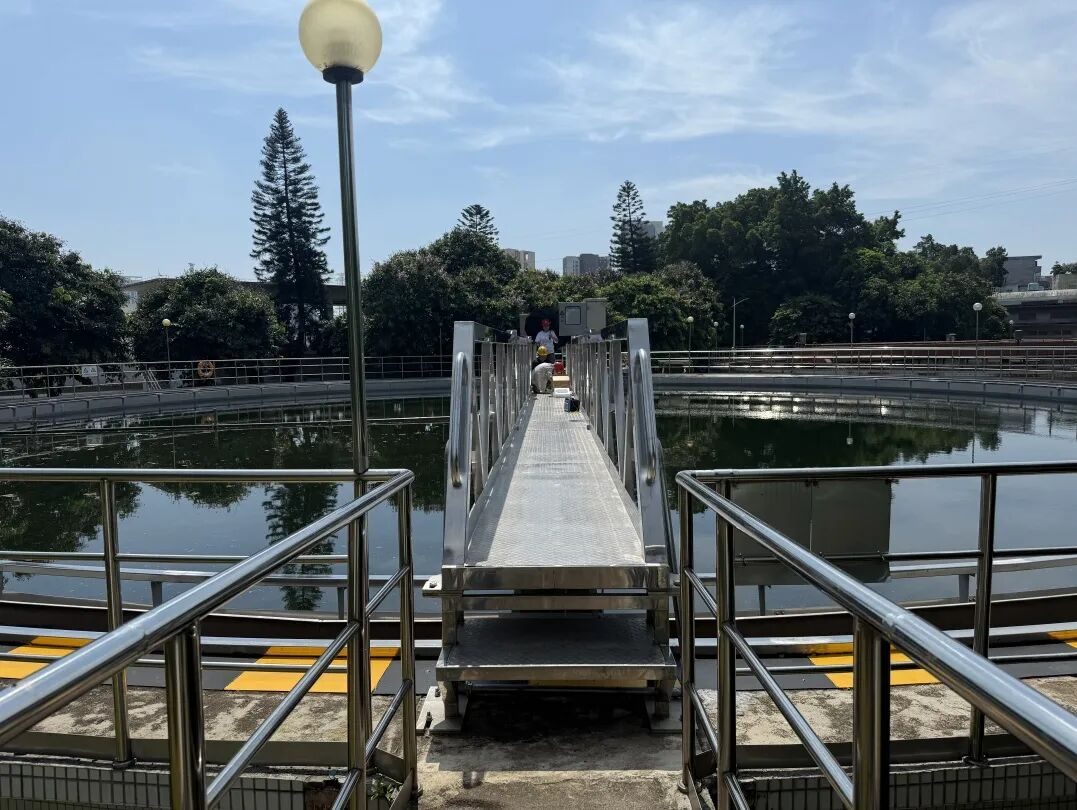
This benchmark South China plant treats 550,000 tons/day. Secondary-clarifier sludge level is critical to scraper control, effluent compliance and energy saving — but turbulent water, sludge adhesion and complex sludge-water interfaces make measurement hard. Conventional ultrasonic interface meters suffer from scum and bubbles, producing unreliable data that cannot drive automated scraper control.
Facing a similar monitoring challenge?
Tell us about your application — our engineers will reference this project experience and design a solution for your site.