
 1 / 2
1 / 2Project Background
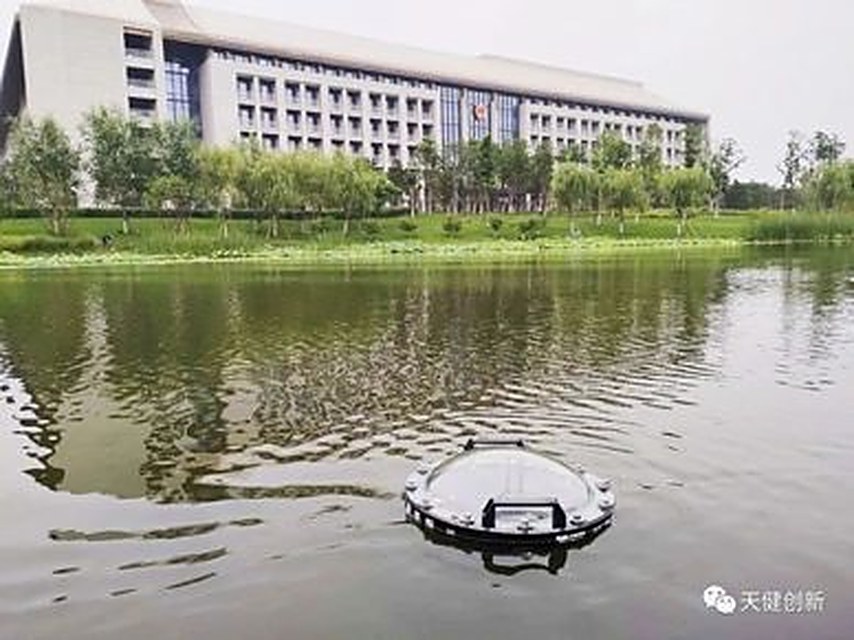
Buoy-based water-quality monitoring of an urban river.
Customer Challenge
Urban rivers commonly suffer pollution and black-odor conditions that damage cityscape and ecology. Without real-time, stable water-quality monitoring, authorities cannot track pollutant discharge in time or support river remediation and ecological management.
The TENGINE Solution
Monitoring parameters: COD, Ammonia Nitrogen, Chlorophyll-a, Dissolved Oxygen — via MDB micro monitoring buoys, IUVC, IDNH, IDCH, IDO.
Implementation
MDB Water Quality Monitoring Buoy, UVC Integrated Online COD Sensor, DNH Ammonia Nitrogen Sensor (ISE Method), IDCH Integrated Digital Chlorophyll Sensor, IDO Integrated Digital Dissolved Oxygen Sensor.
Project Results
Buoy-based real-time monitoring now continuously tracks the urban river's water quality, enabling timely pollution detection and providing solid data support for river remediation and ecological protection.
Related Case Studies
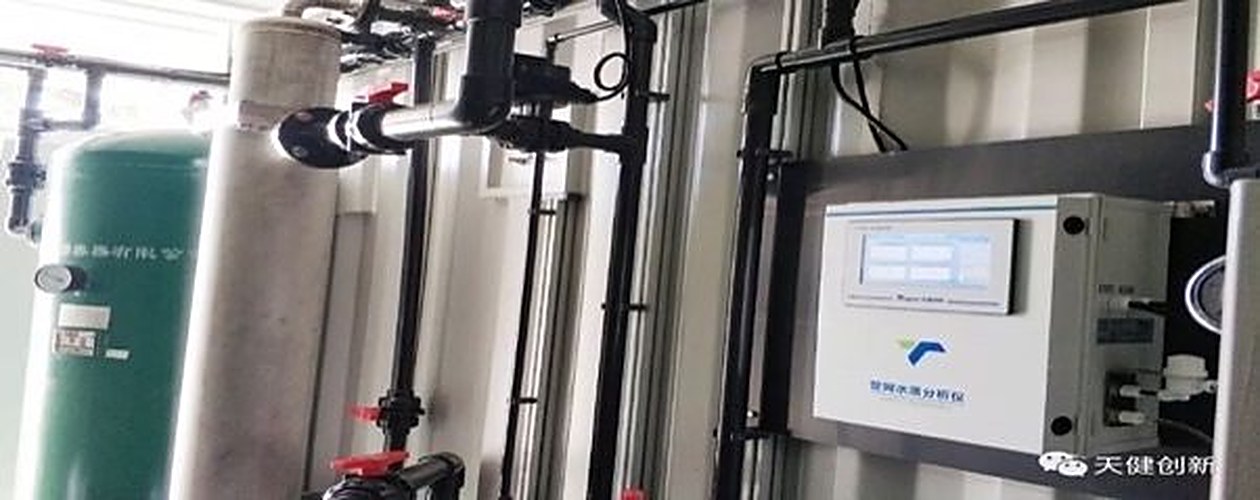
During the pandemic, surface-water chlorine could exceed limits and medical wastewater risked entering drinking-water sources. Conventional monitoring was single-parameter and imprecise, unable to track residual-chlorine risk at the source intake in real time or guarantee compliant, effective disinfection at the outlet — leaving rural residents' drinking-water safety exposed.
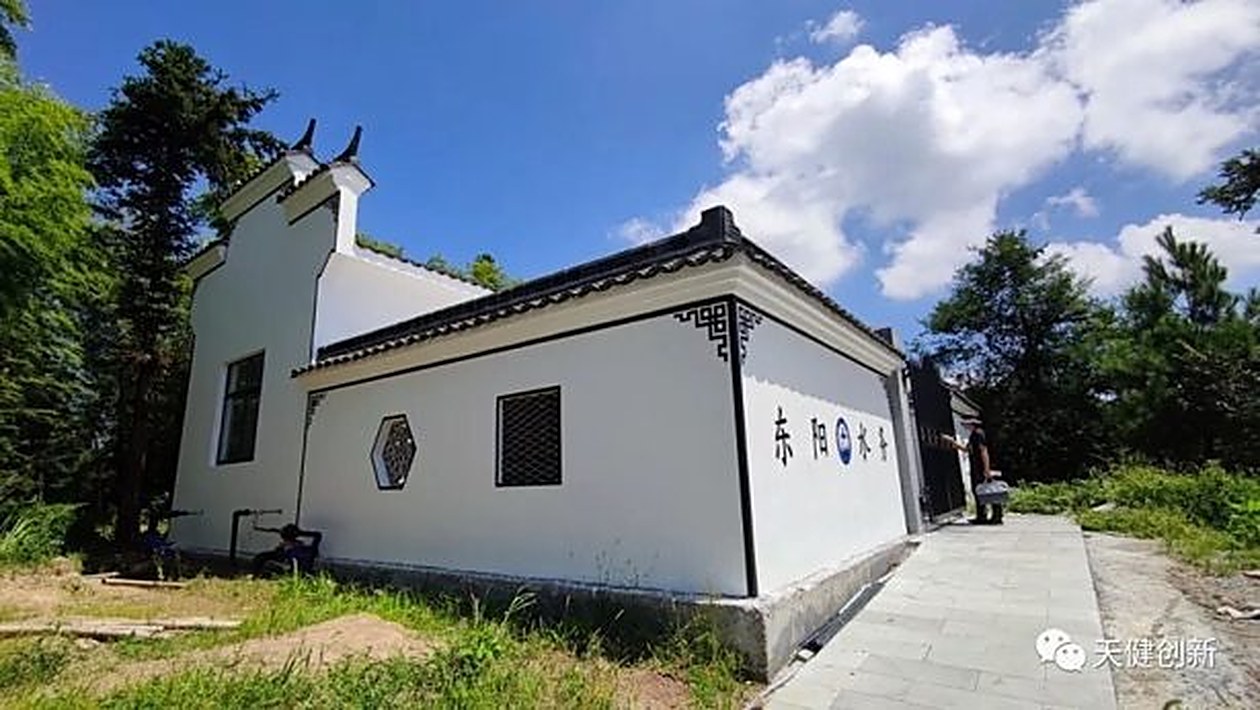
Rural drinking-water supplies are scattered and hard to supervise; conventional testing is intermittent and cannot continuously safeguard water safety at the point of delivery.
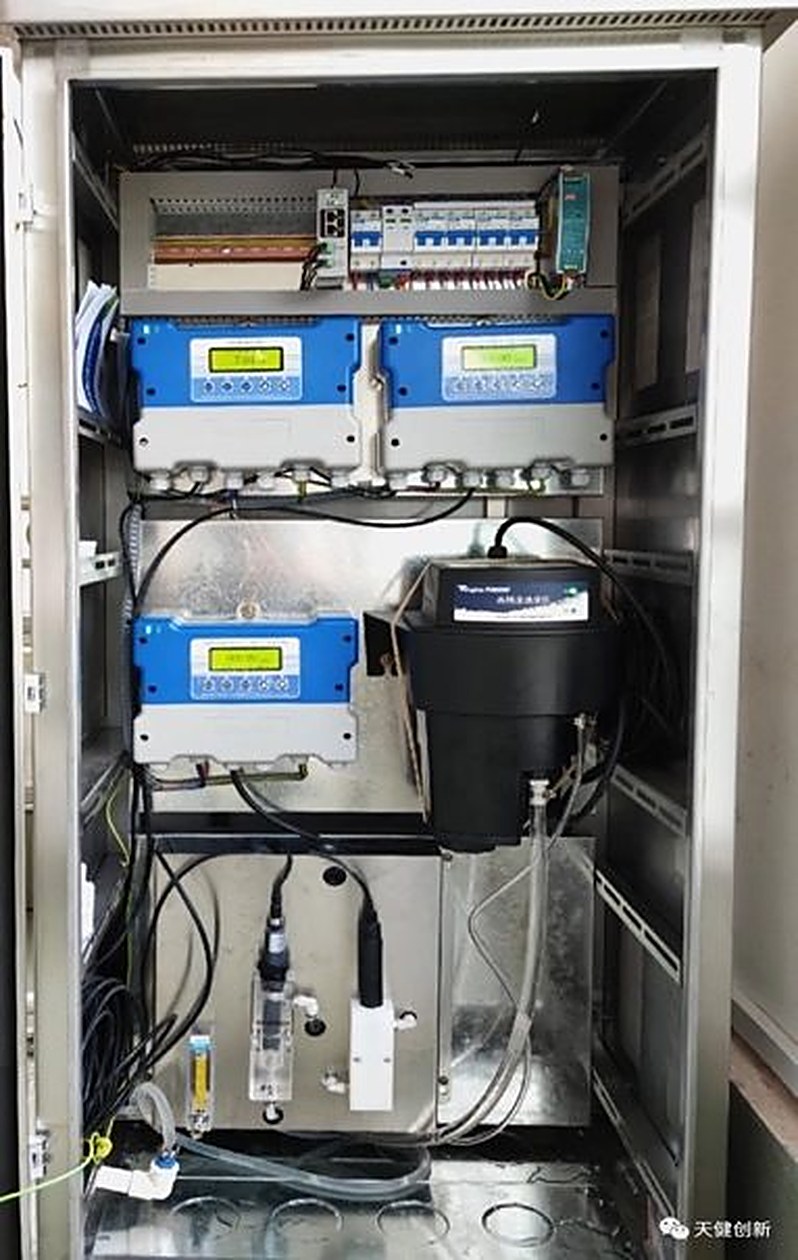
The waterworks needed reliable water-quality assurance across treatment and distribution, but wanted a flexible, modular approach that could be expanded point by point.
Facing a similar monitoring challenge?
Tell us about your application — our engineers will reference this project experience and design a solution for your site.