
WWTP Process Control
Intelligent Sludge Discharge at Shanghai Bailonggang WWTP
 1 / 3
Bối cảnh dự án
Operated by Shanghai Chengtou, Bailonggang is one of Asia's largest wastewater treatment plants. At this scale, sludge discharge is a daily process decision with direct consequences for effluent quality and operating cost.
Thách thức của khách hàng
Sludge concentration and blanket-level measurement were unreliable, so discharge relied on operator experience. Timing and volume were hard to control precisely — under-discharge, over-discharge and sludge loss all occurred, destabilizing effluent quality and pushing up running costs.
Giải pháp của TENGINE
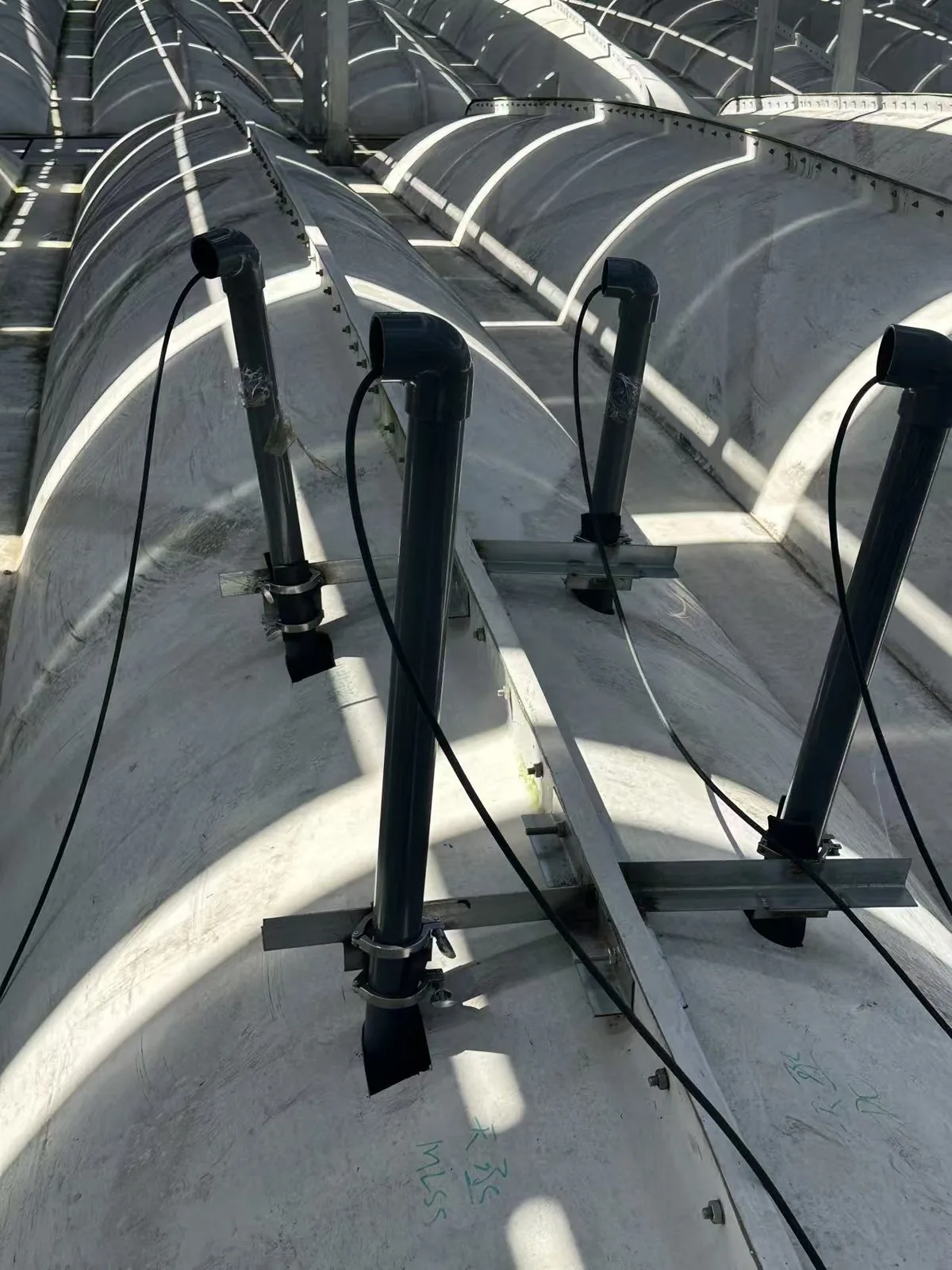
TENGINE installed the USL ultrasonic sludge level analyzer with the TC1000 classic controller, giving the plant real-time measurement of sludge concentration and the mud-water blanket level as a firm data basis for discharge control.
Triển khai thực hiện
USL sludge level analyzers were installed at the sludge discharge points and connected to the TC1000 controller, providing continuous real-time blanket data to the operators.
Kết quả dự án
Discharge timing and volume are now controlled on accurate data instead of guesswork: manual inspection rounds and experience-based discharge are reduced, discharge efficiency is up, effluent quality stays stable, and the plant's running costs are down.
Dự án liên quan

A mega-project of this scale places extreme demands on water quality data  accuracy and stability must hold over decades of operation. The wastewater treatment works required continuous online monitoring of oil content in water: a demanding measurement that has to run unattended in a harsh coastal desert environment, resist fouling, and integrate cleanly into plant process control.
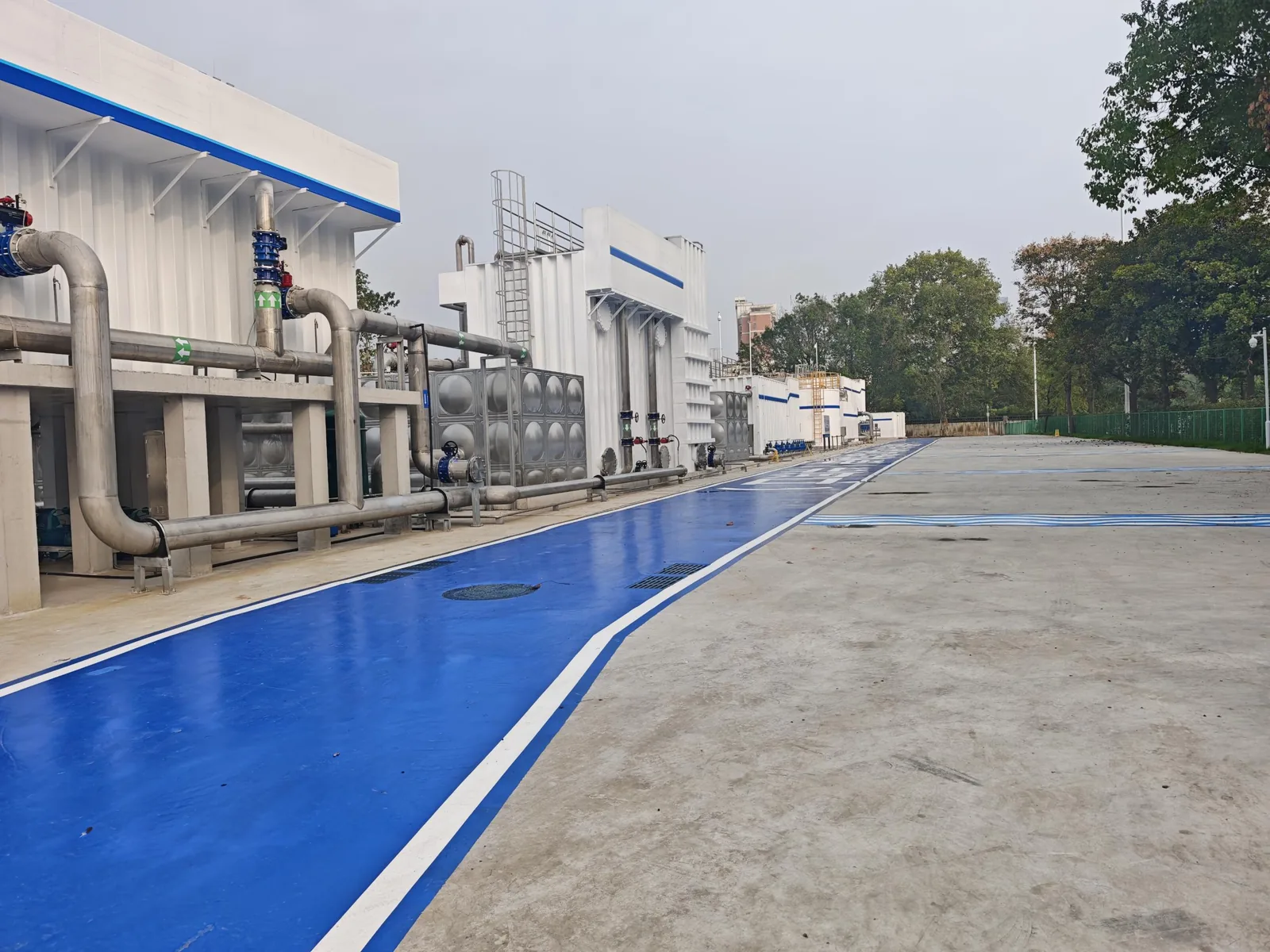
Membrane performance calibration demands precise, time-aligned and traceable water-quality data to verify retention, anti-fouling and cleaning-recovery behavior. The pain points were acute: micro-leakage is hard to detect, and instrument drift under variable operating conditions contaminates the baseline data that the whole evaluation depends on.
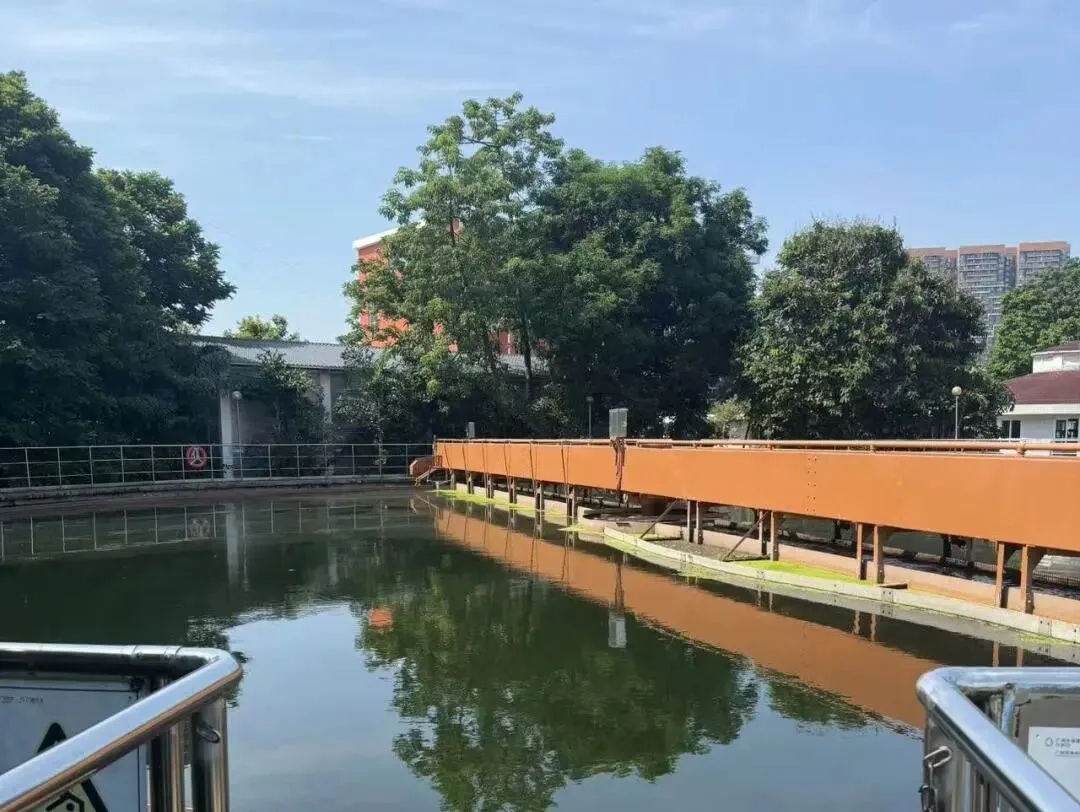
Accurate sludge-blanket level measurement in the secondary clarifiers is the key to controlling scraper start/stop, saving energy and keeping effluent compliant — but the plant faced the industry's common pain points: strong water disturbance, sludge fouling on probes and a blurry mud-water boundary made the actual blanket thickness hard to determine, while conventional ultrasonic meters were severely disturbed by scum and bubbles, producing drifting data that could not be used as a basis for automatic control.
Đang gặp thách thức giám sát tương tự?
Hãy cho chúng tôi biết ứng dụng của bạn — kỹ sư của chúng tôi sẽ tham chiếu kinh nghiệm dự án này và thiết kế giải pháp cho hiện trường của bạn.